
Navigating the menopause journey can feel confusing, especially when symptoms overlap with other health concerns. Many women find themselves unsure whether changes in mood, sleep, energy or discomfort are hormone-related, lifestyle-related or signs of something else entirely. This is where thoughtfully designed home test kits can play an important role.
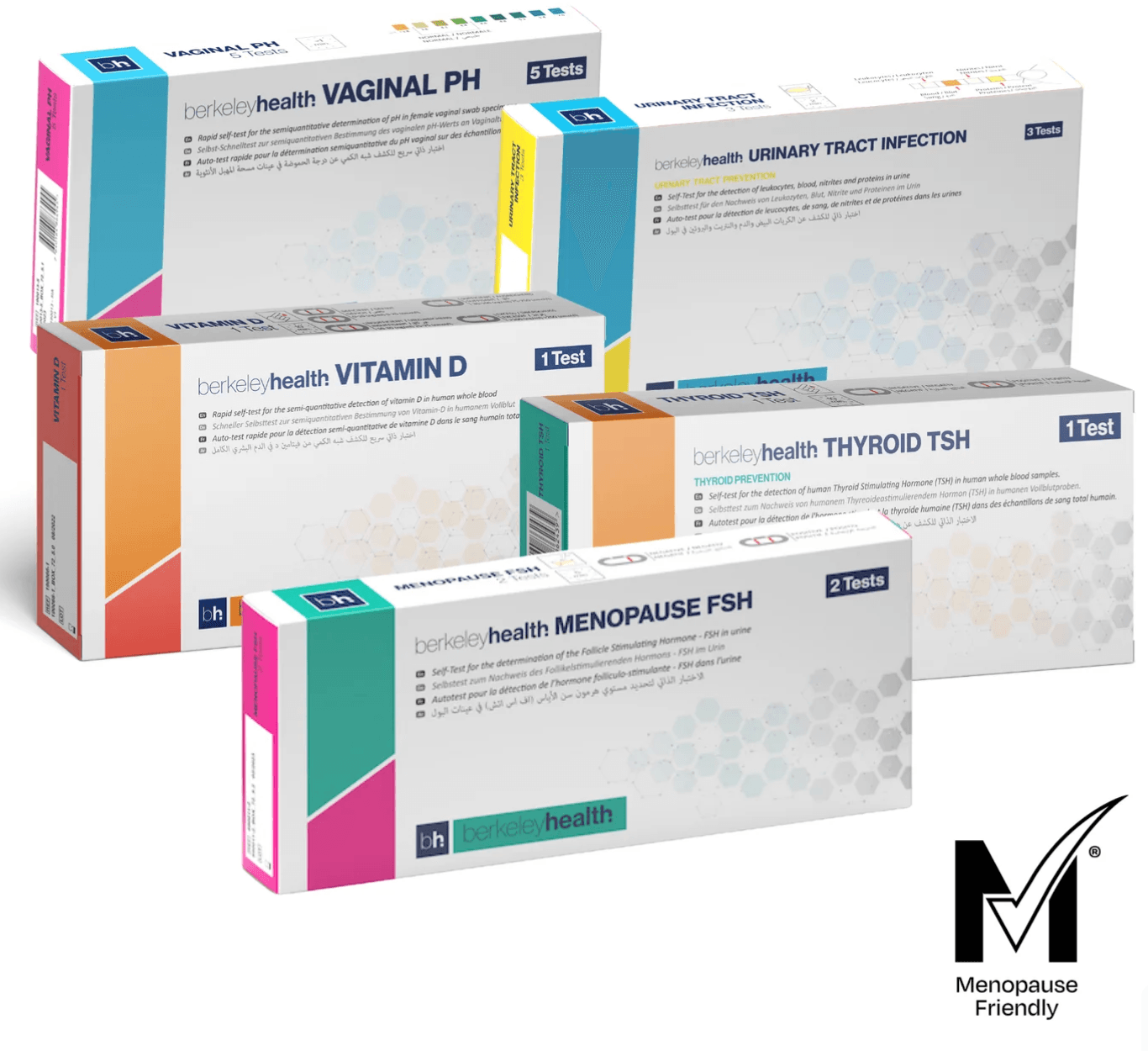
The Berkeley Health range of self-care tests offers women a practical, accessible and affordable way to gather information about their bodies — all from home. These tests aren’t a replacement for medical diagnosis, but they can be incredibly helpful for understanding what might be happening and whether it’s time to speak to a healthcare professional.
Below, we take a closer look at the Berkeley Health tests and how they support women through the menopause transition.
Why Home Testing Matters During Menopause
Symptoms during perimenopause and menopause vary widely. While some are clearly hormone-related, others might be linked to thyroid function, vitamin levels, vaginal health or even urinary issues. Because these concerns often overlap, home testing can help women:
- Get clarity about potential causes of their symptoms
- Recognise patterns and changes over time
- Have more informed conversations with their GP
- Feel more confident in understanding their own health
- Identify issues early before they escalate
Most importantly, home testing puts information back into women’s hands during a phase of life that can sometimes feel unpredictable.
Berkeley Health Menopause FSH Test
The FSH (follicle-stimulating hormone) test is one many women turn to when they suspect they may be entering perimenopause or menopause. FSH levels naturally rise as the ovaries slow their production of oestrogen, so persistent elevated levels can indicate that hormonal changes are taking place.
The Berkeley Health FSH test provides a simple way to check whether hormone levels are trending upwards. While FSH levels can fluctuate daily — especially during early perimenopause — the test can help women spot patterns when used alongside symptom tracking. It can be a useful prompt to start a conversation with a GP or menopause specialist.
Berkeley Health Vaginal pH Test
Vaginal pH naturally shifts during menopause due to declining oestrogen levels. A higher pH can make women more prone to discomfort, recurrent infections and irritation.
The Berkeley Health Vaginal pH test helps identify whether vaginal symptoms may be related to changes in pH rather than infection alone. This can be reassuring and can also guide decisions about whether treatments such as vaginal moisturisers, probiotics or vaginal oestrogen might be worth exploring with a clinician.
For many women, this test brings peace of mind and helps differentiate between everyday changes and something that may need further attention.
Berkeley Health Urinary Tract Infection Test
UTIs become more common during perimenopause and menopause due to reduced oestrogen, which affects the urinary tract and bladder lining. Symptoms such as urgency, burning or pelvic discomfort can also overlap with vaginal dryness — making it hard to know what’s really going on.
The Berkeley Health UTI test checks key markers associated with urinary infections, helping women quickly understand whether a UTI is likely. This can:
- Prevent unnecessary waiting for GP appointments
- Encourage prompt treatment when needed
- Reduce anxiety around recurring symptoms
It’s also helpful for women who experience repeated infections and want to monitor symptoms more closely.
Berkeley Health Thyroid TSH Test
Thyroid issues are common in midlife and can mimic — or worsen — menopause symptoms. Fatigue, weight changes, hair thinning, temperature sensitivity and mood fluctuations are symptoms shared between thyroid dysfunction and hormonal changes.
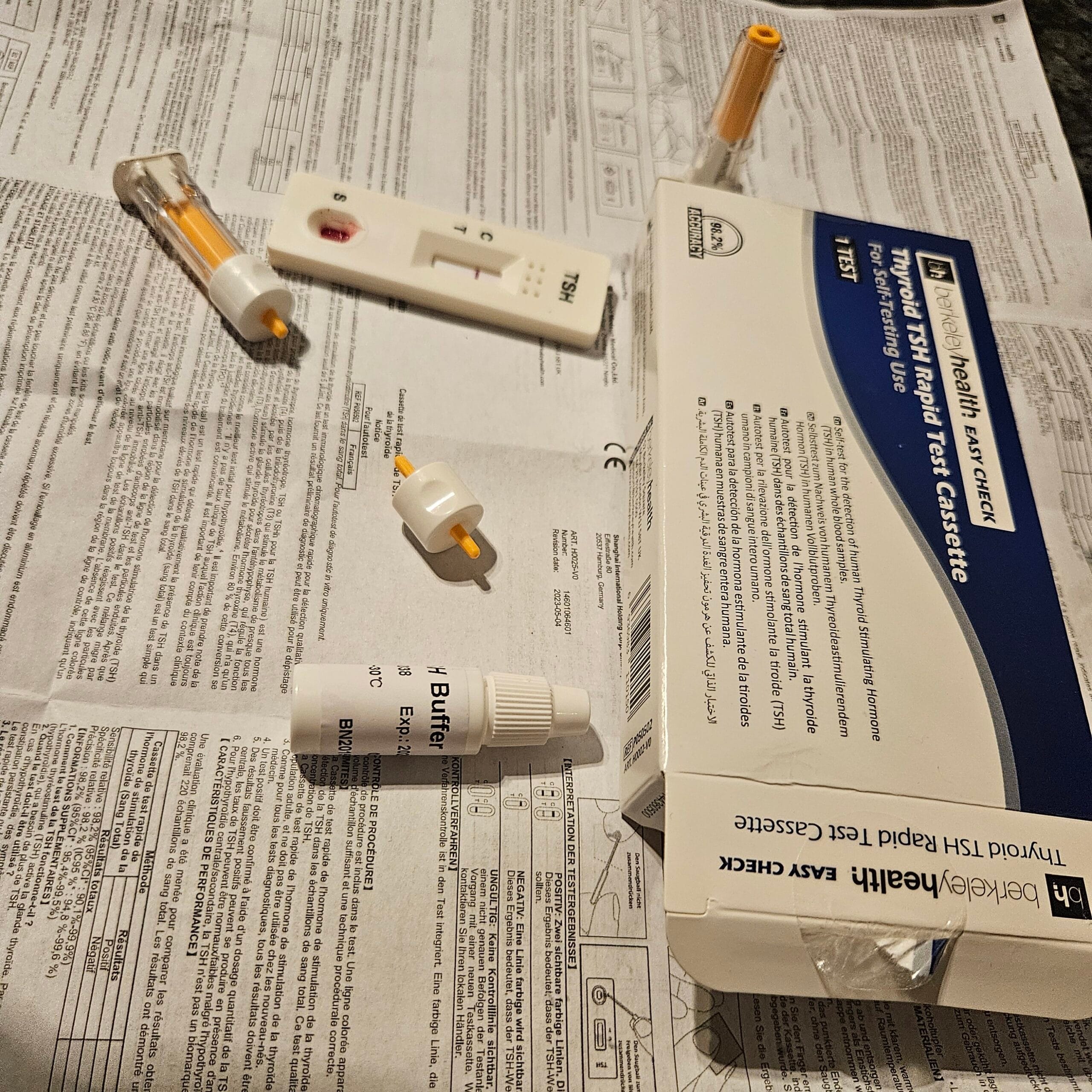
The TSH (thyroid-stimulating hormone) test helps identify whether the thyroid might be underactive or overactive. For women trying to understand persistent symptoms, this test can be invaluable in ruling out thyroid involvement or in prompting a GP appointment for further investigation.
Berkeley Health Vitamin D Test
Vitamin D plays a crucial role in bone health, immunity, muscle strength and mood regulation. Deficiency is incredibly common in the UK, especially during the winter months, and symptoms often overlap with perimenopause — including fatigue, low mood and muscle aches.
The Berkeley Health Vitamin D test offers an easy way to check levels from home. For women managing menopause-related bone density concerns, joint pain or energy issues, knowing vitamin D status is often the first step towards improving overall wellbeing.
A Supportive Tool, Not a Standalone Solution
The Berkeley Health range is designed to empower women with useful information, but it’s important to remember that home tests are just one piece of the puzzle. They don’t replace clinical advice, diagnosis or treatment. Instead, they support women in recognising patterns and making more informed decisions about their health.
For many women, these tests offer:
- Reassurance during times of uncertainty
- A clearer understanding of symptoms
- A way to track changes over time
- A starting point for conversations with healthcare professionals
When used alongside lifestyle adjustments, symptom tracking and clinical guidance, home testing becomes a powerful way for women to take control of their menopause journey.
