
Stress is one of those words we use constantly, yet rarely stop to unpack properly. It gets thrown into everyday conversation so often that it can start to feel vague and almost meaningless. Most people recognise when they feel stressed, but far fewer understand what stress actually is, what causes it and how many different ways it can show up in daily life.
Understanding stress more deeply makes it much easier to manage, both for ourselves and for the people we care about.
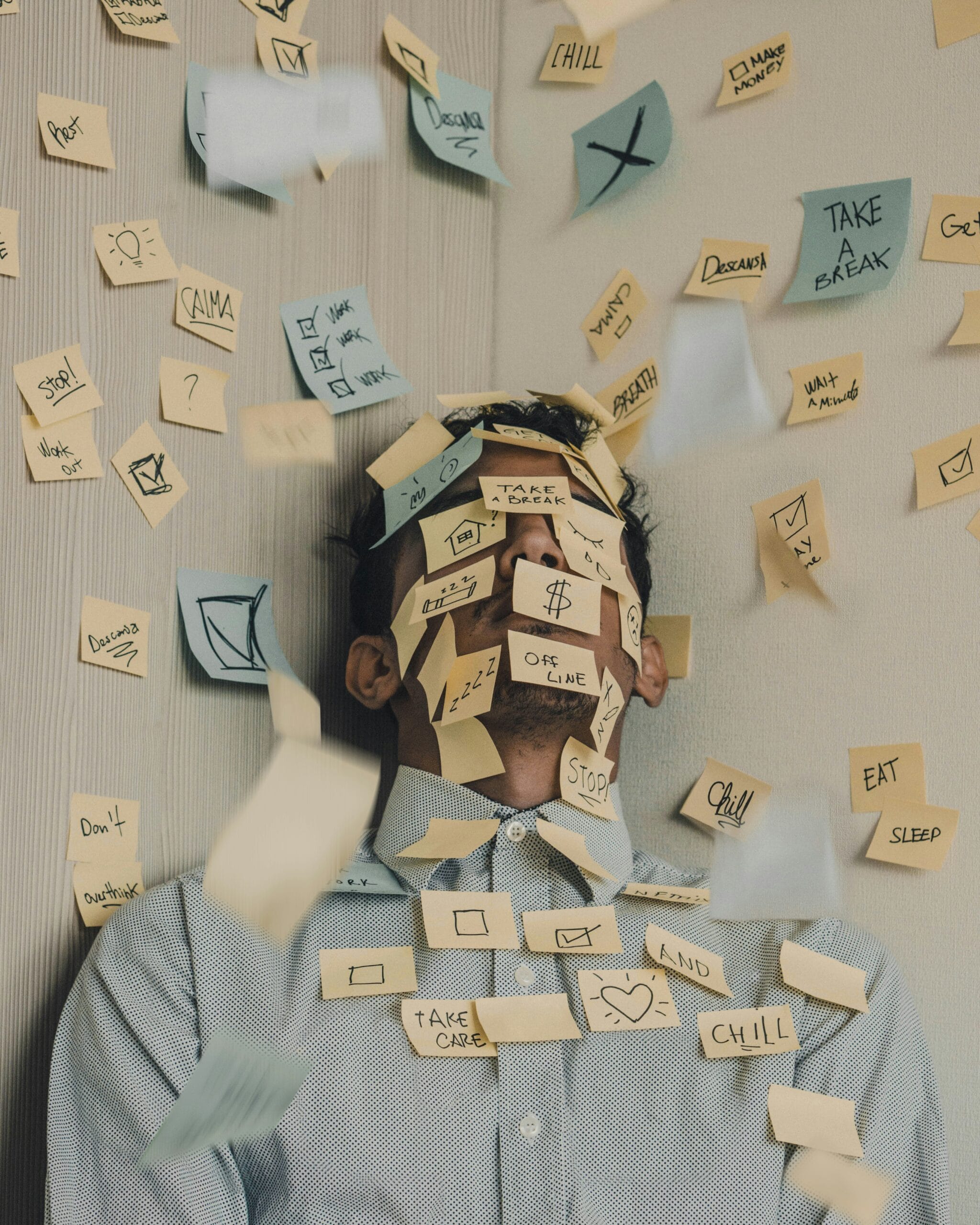
What stress actually is
At its core, stress is a survival response. It is the body’s way of preparing to deal with a challenge, a threat or a significant demand. When the brain perceives danger or pressure, it activates a cascade of physical and hormonal changes designed to help us react quickly.
Heart rate increases, breathing becomes faster, muscles tense and the body releases stress hormones such as cortisol and adrenaline. These responses were originally designed to help humans deal with immediate physical threats.
Modern life rarely presents the same physical danger, yet the body reacts in the same way to emotional, financial, social and psychological pressure. Short bursts of stress can be helpful because they improve focus and motivation. Problems arise when stress becomes constant and the body rarely receives the signal that it is safe to relax again.
What causes stress in modern life
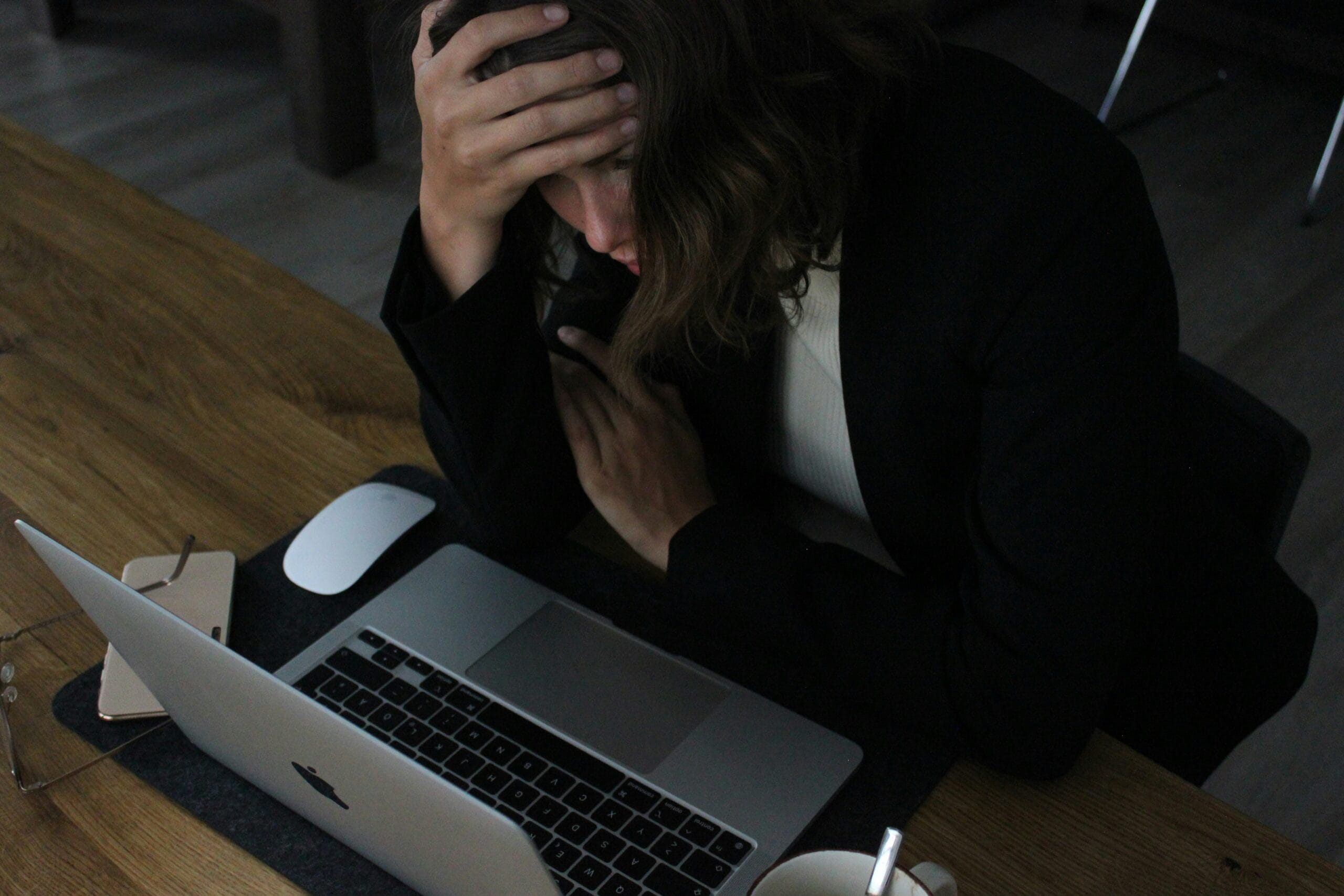
Stress rarely comes from one single source. It tends to build gradually from a combination of pressures and responsibilities. Work demands, financial concerns, family responsibilities, health worries and the constant pace of modern life all contribute.
Technology adds another layer, as many people remain mentally connected to work and responsibilities long after the working day has ended. Even positive life changes such as moving house, starting a new job or welcoming a baby can create significant stress because they place extra demands on emotional and mental resources.
The brain does not always distinguish between positive and negative stress. It simply recognises pressure.
The many ways stress shows up
Stress is often associated with feeling overwhelmed or anxious, yet it can appear in far more varied ways.
Physical symptoms are common and may include headaches, muscle tension, digestive issues, fatigue, disrupted sleep, changes in appetite and frequent minor illnesses. Emotional symptoms can include irritability, restlessness, tearfulness and difficulty concentrating. Behavioural changes such as procrastination, withdrawing socially or relying on comfort foods can also be signs of stress.
Because these symptoms appear gradually, they are often mistaken for personality traits or simply the result of a busy lifestyle.
Stress and anger: the hidden connection
One of the most misunderstood aspects of stress is its relationship with anger and frustration. When stress builds without release, the nervous system remains in a heightened state of alert. Small inconveniences begin to feel disproportionately irritating and patience becomes harder to access.
Snapping at loved ones, feeling constantly frustrated or reacting strongly to minor problems often reflects underlying overwhelm rather than the surface issue itself.

Projection and misdirected stress
Stress often finds indirect ways to express itself. Someone may appear angry about a minor household task or irritated by a small inconvenience when the real source of stress lies elsewhere. The nervous system becomes overloaded and looks for an outlet, with the safest or most immediate target becoming the focus of frustration.
Recognising this pattern can transform how these situations are understood and handled within relationships.
The ripple effect on relationships
Stress rarely stays contained within one person. It affects the emotional atmosphere of homes, workplaces and friendships. Communication can become shorter, patience thinner and misunderstandings more frequent. Without awareness, stress can create distance between people who care deeply about one another.
Recognising the role of stress in these changes helps replace blame with empathy.
Supporting yourself through stress
Managing stress begins with recognising its presence. Awareness creates space for small adjustments before stress becomes overwhelming.
Regular movement, time outdoors, good sleep, social connection and moments of rest all play important roles in regulating the nervous system. Small daily habits often make the greatest difference.
Practical ways to regulate stress in real life
Understanding stress is helpful, but having tools that work in everyday life makes the real difference.
One of the most effective approaches is regulating the nervous system before trying to solve problems. When stress is high, the body is in a reactive state and logical thinking becomes more difficult. Slowing breathing, stepping outside for fresh air, splashing cold water on the face or simply grounding your feet on the floor can help signal safety to the body. Once the nervous system settles, decision-making becomes easier.
Naming stress out loud can also reduce its intensity. Acknowledging that you feel overwhelmed, tired or under pressure helps bring clarity to emotions that might otherwise feel vague and unmanageable. This awareness makes it easier to avoid projecting stress onto unrelated situations.
It can also help to separate the trigger from the cause. Often, the argument about dishes or the frustration with traffic is simply the final straw in a much larger picture of accumulated pressure. Recognising this reduces unnecessary conflict and helps redirect attention to the real issue.
Building small moments of recovery into the day is equally important. Short walks, quiet time without screens, stretching or simply sitting with a hot drink without distractions can provide vital mental breaks. These small pauses are not luxuries; they are essential maintenance for the nervous system.
Physical movement plays a powerful role in stress management because stress is stored physically as muscle tension and shallow breathing. Gentle movement such as walking, stretching or dancing helps complete the stress cycle and signals safety to the body.
Reducing mental clutter can also lower stress levels. Writing tasks down, limiting notifications and creating small tech-free periods each day reduce cognitive overload and allow the mind to rest.
Sleep is another major buffer against stress. Consistent routines, reduced evening screen time and exposure to daylight earlier in the day can significantly improve sleep quality and increase resilience.
Setting emotional boundaries is equally important. Supporting others does not mean absorbing all their stress. Limiting negative conversations or stepping back when overwhelmed protects emotional energy.
When stress becomes chronic or overwhelming, professional support can provide valuable guidance and tools.
Supporting the people you love
Understanding stress can transform how we respond to others. Irritability, withdrawal or frustration often signal overwhelm rather than intention. Listening without immediately trying to fix problems, offering reassurance and creating space for rest can help loved ones feel supported.
Sometimes the most helpful support is reducing pressure rather than trying to solve the stress itself.
Moving towards balance
Stress is a natural part of life, yet constant stress does not need to be accepted as normal. Awareness, small daily practices and supportive relationships can significantly reduce its impact.
Understanding stress is the first step towards managing it more gently and effectively.
