
*This article contains affiliate links*
When you’re getting ready for a trip, eye health probably isn’t the first thing on your packing list. Between sorting passports, planning outfits and making sure everyone’s charger is packed, looking after your eyes can easily fall off the radar – but dry eyes, irritation or even infections like conjunctivitis can quickly take the shine off your holiday.
Taking a few simple precautions can help keep your eyes feeling fresh and comfortable — so you can focus on enjoying the adventure rather than hunting down the nearest pharmacy.
Why travel can take a toll on your eyes
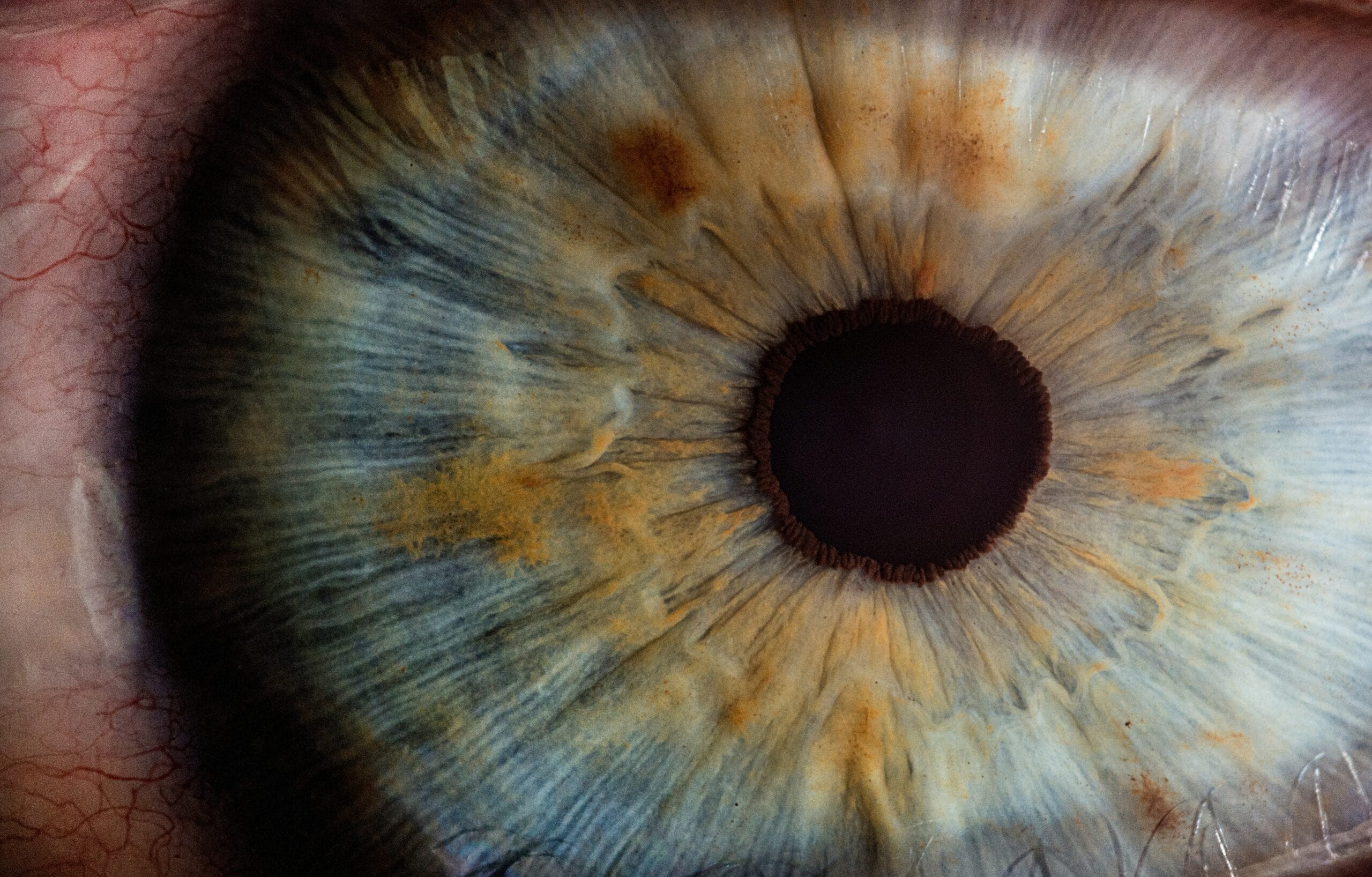
Travelling exposes our eyes to a mix of challenges we don’t always think about. Here are some of the most common culprits:
💨 Cabin air:
Plane air is pressurised and very dry, which can leave eyes feeling gritty and sore — especially if you wear contact lenses or try to nap in them, this is one of the things I struggle with most.
🌸 Allergens:
Pollen levels vary around the world, so while it might be winter in the UK, you could land in another country’s hay fever season. Allergies can make eyes red, itchy and watery.
🦠 Bacteria and germs:
From shared seats to swimming pools, bacteria can easily transfer to your eyes — especially if you rub them with unwashed hands. This is one of the main ways travellers pick up eye infections such as conjunctivitis or styes.
🌊 Swimming:
Sea salt, pool chlorine and even lake water can all irritate eyes. Goggles are always a good idea if you’re planning lots of swimming. We have found the chemicals used in different countries do vary and this can have an effect.
💧 Dehydration:
Long travel days, warmer climates and less water intake can cause dry, itchy eyes. Staying hydrated helps maintain healthy tear production.
😴 Jet lag and screen time:
Changing time zones, staring at flight entertainment screens and losing sleep all add up to tired, red eyes.
🌞 UV rays and pollution:
We remember sunscreen for our skin but forget our eyes need protection too. UV exposure can damage the eyes over time and even contribute to cataracts.
Common travel-related eye conditions
Most holiday eye issues aren’t serious, but they’re definitely annoying. The three most common are:
👁️ Styes:
Painful red lumps near the lashes caused by bacteria. They usually clear within a couple of weeks but can be uncomfortable in the meantime.
👁️ Conjunctivitis:
Sometimes called “pink eye”, this inflammation can be caused by bacteria, viruses or allergies. Symptoms include redness, itchiness and watery discharge. This can be quite distressing for children especially.
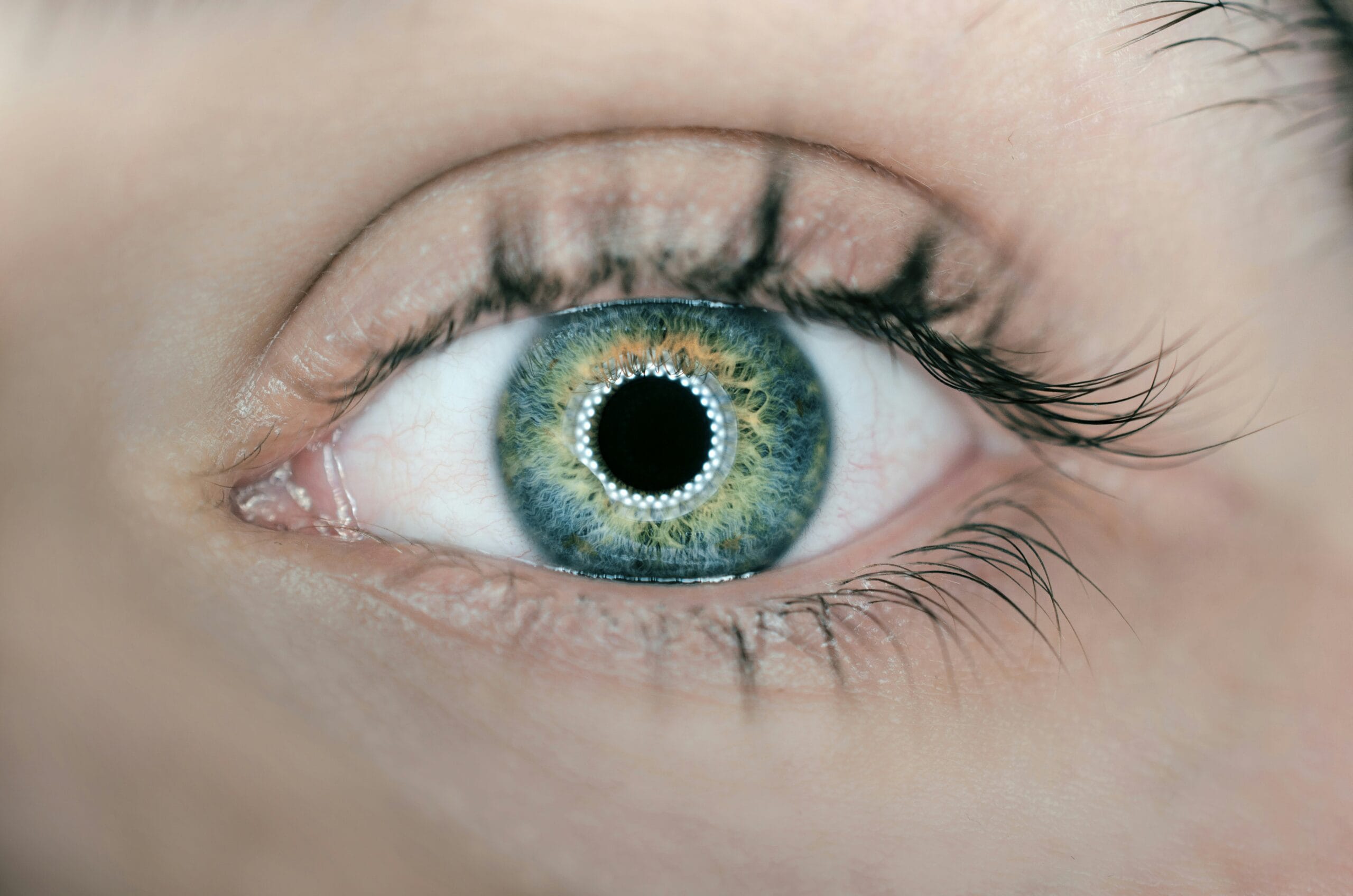
👁️ Blepharitis:
Inflamed eyelids that feel sore, itchy and crusty, especially in the mornings. Good eyelid hygiene can help prevent flare-ups.
Travelling with pre-existing eye conditions
If you have conditions like cataracts or glaucoma, a bit of extra planning helps. Before any trip, it’s also a good idea to book a free eye test to ensure your prescription is up-to-date and your eyes are in good health before you travel. Pack enough medication for your entire trip plus a few spare days, keep prescriptions in their original packaging, and carry a letter from your optometrist if you’re travelling with specialist equipment.
It’s also worth checking your travel insurance covers pre-existing conditions. Most providers use a ‘look-back period’ – checking your medical history anywhere from several months to years back. Even if you feel fully recovered from a past condition, you’ll need to declare it if it falls within this window and appears on your medical records.
Specialist medical travel insurance from providers like Staysure can make the difference between worrying and actually enjoying your trip. Declaring your conditions properly means you’re covered if something does go wrong – so you can focus on the adventure rather than the what-ifs.
Eye Care Tips for Your Next Trip
1. Pack your glasses.
If you usually wear contact lenses, always take your glasses as backup. Dry air, long flights or pool water can all irritate eyes and make lenses uncomfortable.
2. Stay hydrated.
Drink plenty of water (aim for 6–8 glasses a day, and more in hot climates). Your body and eyes will thank you.
3. Protect against UV.
Choose good-quality sunglasses with UV protection — and wear them even on cloudy days. Prolonged UV exposure can damage the eyes just as it can the skin.
4. Practise good hand hygiene.
We touch our eyes more than we realise. Keep hand sanitiser handy when travelling, and avoid rubbing your eyes altogether if possible.
5. Refresh your eyes.
A gentle eye cleanse at the end of the day can help remove allergens, dust and makeup residue. Soak a clean flannel in warm water, hold it over your eyes for a few minutes, then gently wipe away any debris.
6. Be allergy aware.
If you suffer from hay fever or allergies, plan ahead with antihistamines or allergy eye drops. Symptoms can be worse in new environments.
7. Shower before bed.
After a day exploring, showering before sleep helps wash off pollen and pollution particles that can transfer from your hair and skin to your pillow.
8. Be careful with swimming.
Wear goggles in pools and avoid opening your eyes underwater, especially in chlorinated or salty water.
9. Keep a small eye care kit in your bag.
It’s always worth packing a small first aid kit for eyes — lubricating drops, a clean flannel, and an over-the-counter eye ointment in case irritation strikes.
Travel Eye Care Essentials
Keeping your eyes happy on holiday doesn’t require much — just a few clever additions to your travel kit:
💧 Lubricating eye drops: Perfect for long flights and air-conditioned hotel rooms to combat dryness.
🕶️ UV-protective sunglasses: Polarised lenses help block glare and protect from harmful rays.
🧼 Reusable cleansing pads or flannels: Great for removing makeup and daily build-up around the eyes.
💊 Allergy or soothing eye drops: Handy if you’re prone to irritation or hay fever symptoms.
🧴 A mini first-aid staple: Include an eye ointment or drops formulated for common infections like conjunctivitis or styes, just in case.
🌙 Eye mask: Helps tired eyes recover from long travel days or jet lag – the padded silky ones feel the best!

Keeping these few items close at hand means you can soothe irritation quickly — and avoid those red-eye moments that make you feel less than your best.
Keeping Perspective
Healthy eyes make travelling so much more enjoyable — from reading maps and sightseeing to watching the sunset. Taking five minutes a day to look after them can prevent days of discomfort later.
Whether you’re heading off on a long-haul adventure or a quick weekend break, treat your eyes with the same care you give your skin and overall health.

3 comments
Some players enjoy casinos that bring a more playful and social vibe to online gaming. That’s where party spinz comes into focus, offering a colourful design and engaging game selection. UK users often note that the platform feels energetic without being overwhelming. It’s a refreshing choice for those who like a fun, upbeat gaming atmosphere.
I really enjoyed reading this post—your insight and honesty make it so relatable for parents who are navigating similar challenges. It’s refreshing to see practical tips mixed with real-life experience, and it definitely inspired me to rethink a few things in my own routine. Thanks for sharing and creating such a supportive space for parents! 💛
WeightGone UK is a specialist weight management service offering medically supervised programs to support safe and sustainable weight loss. They combine expert guidance, tailored plans, and ongoing support to help clients achieve long-term health and confidence.
I learned how to take care of my eyes while traveling. I will remember to drink water and wear my sunglasses. Thank you for the tips!