
Cambodia might not be the first country that springs to mind when planning a family trip, but it’s one that leaves a lasting impression on everyone who goes. It’s welcoming, affordable and packed with opportunities for children to learn, explore and experience something completely different. From the ancient temples of Angkor to quiet island beaches and friendly rural villages, Cambodia is a wonderful introduction to Southeast Asia for families.
Getting there and getting around
Most visitors fly into Phnom Penh or Siem Reap, usually via Bangkok, Singapore or Kuala Lumpur. Return flights from the UK tend to fall between £450 and £750, depending on the season.
Once you arrive, getting around is easier than many people expect. The roads are improving each year, and distances between key destinations are manageable. For families, a private driver or minivan is often the most comfortable option. It gives you flexibility for breaks and allows you to travel safely with luggage and car seats.
Tuk-tuks are inexpensive and fun for short journeys, but it’s best to avoid them for long trips with younger children. Domestic flights between Phnom Penh and Siem Reap are quick if you want to skip long hours on the road.
Budget and accommodation
Cambodia is still one of the best-value destinations in Asia. Family-friendly hotels start from £25–£40 per night, and you’ll find plenty of charming boutique options, particularly in Siem Reap. Many include breakfast, pools and warm, personal service that’s ideal when travelling with children.
If you fancy a quieter setting, look at Kampot or Kep, where riverside lodges and small resorts make a relaxing base for a few days. Even in peak months (December to February), prices stay reasonable compared with other long-haul destinations.
Food is another highlight. A family meal at a local restaurant often costs under £15, and children can try mild curries, noodles, rice dishes and tropical fruit smoothies. Most restaurants also serve simple Western options for those moments when something familiar is needed.

What to do and where to go
Siem Reap and Angkor Wat are the obvious starting point. Even young children are captivated by the vast temples, crumbling statues and stories of kings and elephants. Visit early in the morning to avoid the heat and crowds. Hiring a guide makes the experience far more engaging for children, turning the ruins into a living story rather than a history lesson.
In the town itself, families can enjoy the Phare Circus, where young Cambodian performers combine theatre, acrobatics and music. A countryside cycle tour or pottery workshop is another great way to fill a morning.
Further south, Phnom Penh gives a glimpse of modern Cambodian life. The Royal Palace, central market and riverside promenade are lively and colourful, and there are plenty of cafés and bakeries for rest stops.
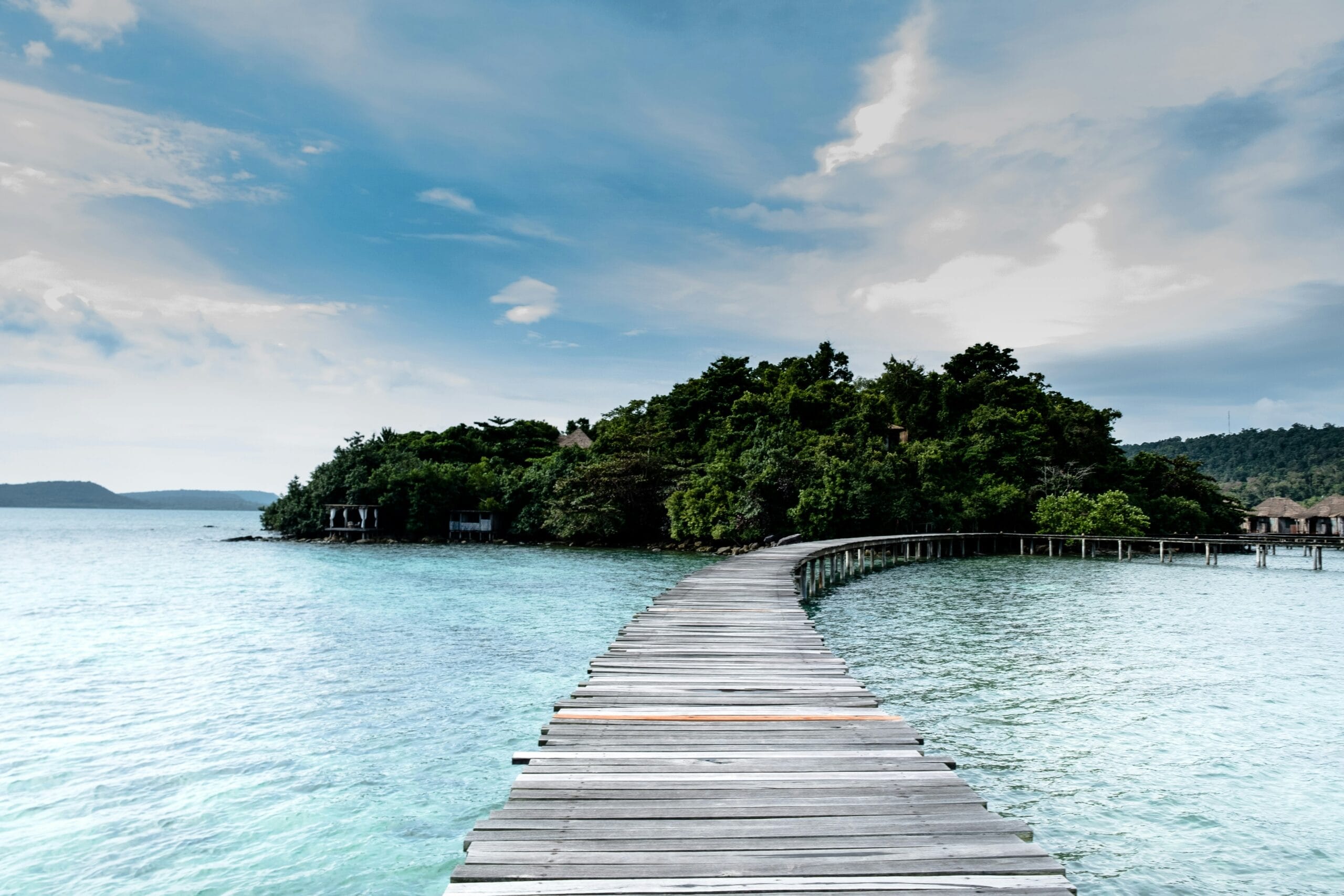
If you’re looking for beach time, the southern coast is perfect. Islands such as Koh Rong and Koh Rong Sanloem have calm, shallow water and white sand ideal for swimming and snorkelling. They’re quiet, safe and ideal for finishing a busy trip on a relaxed note.
Safety and wellbeing
Cambodia is considered safe for families. The people are friendly, and crime levels are low, though it’s wise to keep valuables out of sight in crowded areas. The main challenges are practical ones: heat, dehydration and road safety. Always carry bottled water, plan outdoor activities for the cooler parts of the day, and take care crossing roads in busy towns.
Traffic can be unpredictable, but if you use a recommended driver or reputable taxi service, journeys are straightforward. As with all tropical destinations, make sure you and the children are covered by suitable travel insurance.
Health, vaccinations and essentials

Check with your GP or a travel clinic at least four weeks before travel. Most families will need routine vaccinations up to date—MMR, tetanus, diphtheria and polio—plus Hepatitis A and Typhoid. For rural areas or longer stays, your doctor may also suggest Hepatitis B, Japanese Encephalitis or Rabies.
Malaria is present in some rural parts of the country, especially near the borders, so discuss prevention with your healthcare provider. Mosquito repellent, long sleeves after sunset and nets at night all help.
Stick to bottled or filtered water, and be cautious with ice or uncooked salads unless you’re sure of the hygiene. Bring a small first-aid kit with plasters, antiseptic wipes and rehydration sachets.
Family travel tips
- Keep days flexible—sightseeing and heat can be tiring for children.
- Choose accommodation with a pool for cooling off after exploring.
- Always carry tissues and hand sanitiser.
- Dress modestly when visiting temples; shoulders and knees should be covered.
- Bring lightweight rain jackets if travelling during the wet season.
- Learn a few words of Khmer—locals really appreciate the effort.
If you’re combining countries, Cambodia links easily with Vietnam and Thailand by short flights or overland routes, making it perfect for a wider Southeast Asia adventure.
Final thoughts
Cambodia offers something rare in family travel—a sense of discovery and adventure that’s still easy to manage. Children come home with stories of temples hidden in the jungle, tuk-tuk rides through busy markets, and evenings watching fireflies over the river.
It’s a country that invites curiosity and rewards patience. Warm, affordable and full of heart, Cambodia is a destination that stays with you long after you’ve unpacked your bags.

5 comments
Great explanation and very informative content. The section explaining the jharkhand e kalyan system is easy to understand and helpful.
The article was laid out in a way that made the main points easy to understand. I liked that the explanation moved from one point to another without making things feel unnecessarily complicated. A few details were explained with enough context to make them useful rather than just listing facts. It also cleared up a couple of things I had been unsure about before. I happened to come across GTA 6 Release Date while checking some related information today, and it gave me another point to look into afterward. I’m still curious about how the timing may change as more official details appear. Could that aspect be covered in a future update?
I found the article fairly easy to stay with because each section had a clear purpose. Instead of throwing every possible detail at the reader, it seemed to concentrate on the parts that actually matter when someone is trying to understand the process. One explanation in particular helped put a question I had into perspective. I also noticed Sarathi Parivahan access portal when I was looking at related information, and the terminology caught my attention because it was similar to what was mentioned in the article. It made me realize how easily people can get confused by small wording differences. A short follow-up covering common points of confusion would probably be worth reading.
The article was easy to follow, especially because the information was explained in a straightforward order. I liked that the main points were covered without making the discussion feel unnecessarily complicated. A few of the details also cleared up things I had been unsure about before. While going through some related information today, I happened to come across EPFO Portal and noticed that the terminology used there can sometimes vary depending on what someone is trying to access. It made me wonder whether the process is equally simple for people using it for the first time. I think a short section explaining the most common steps for beginners would make the topic even easier to understand.