
Knowing where you come from acts as an anchor. It holds you steady when life gets rough. For children, having a solid grasp of their background builds confidence and self-worth. In a typical household, this often happens over the dinner table or during school runs. However, for those looking after a child who isn’t their own, it takes a bit more effort. It requires a conscious decision to keep those links alive.

Tastes, Smells, and Celebrations
Start with the senses. Food is the easiest way to bring a culture into your kitchen. It isn’t just about sustenance; it is about memory. Try to find out what the child ate before they came to you. Was there a specific spice used in their grandmother’s stew? Recreating these dishes tells the child that their past is welcome at your table.
Don’t stop at dinner. Look at the calendar. If the child’s family celebrates Diwali, Hanukkah, or Eid, make sure your household does too. You don’t need to be an expert; you just need to be willing to learn. Buy the decorations, play the music, and attend local events. It shows the child that their traditions have value and deserve space in their current life.
Keeping the Story Alive
Children love to hear about “the old days.” Biological parents can share anecdotes about eccentric uncles or brave ancestors. For children fostered with agencies like Active Care Solutions, this thread is often broken. It is your job to help tie it back together.
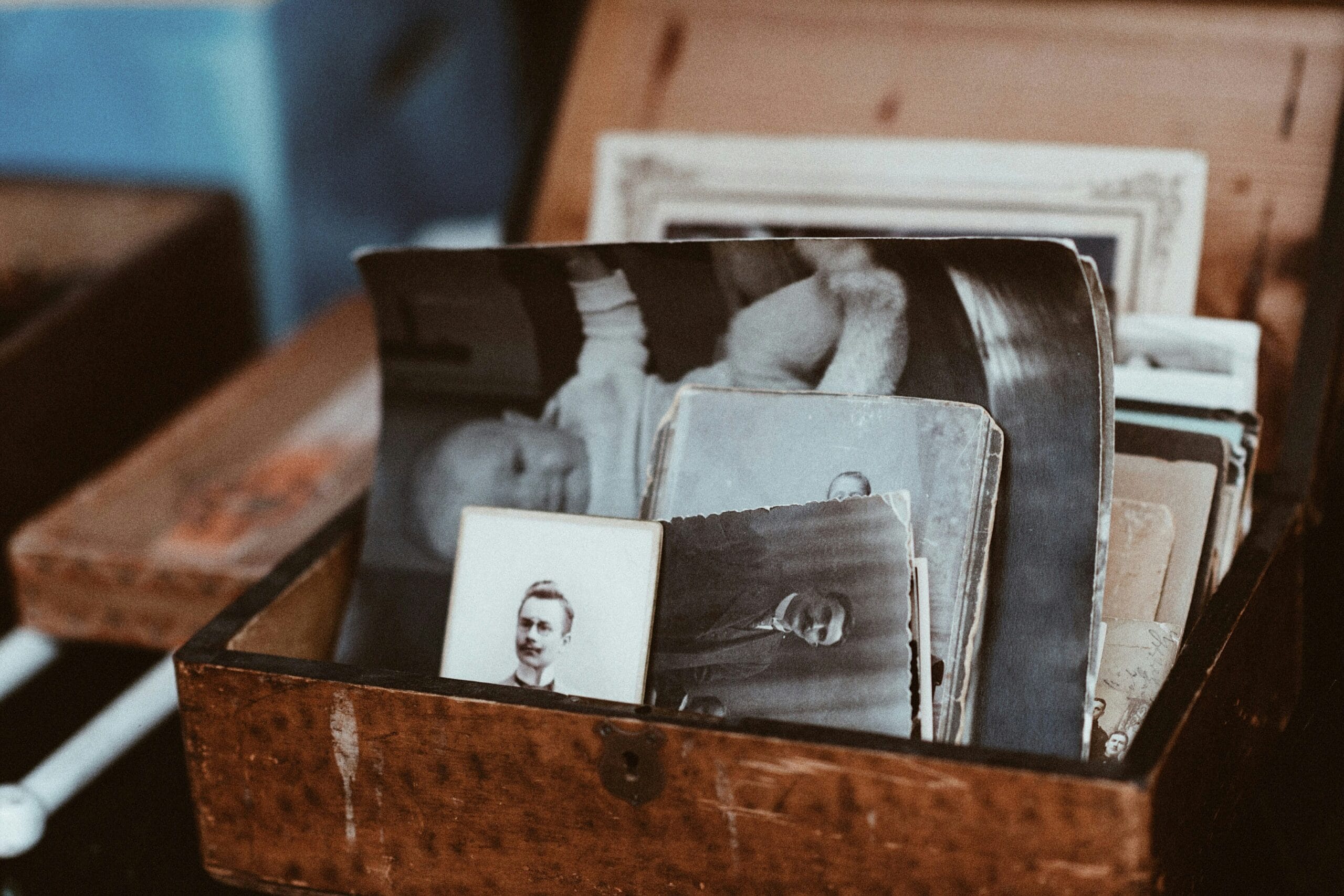
This is where ‘Life Story’ work becomes vital. Foster children often have a physical book or box containing photos, hospital tags, or maps of where they were born. You can add photos and write down what you know. Be honest but kind. Even if the reasons for them being in care are difficult, they need a narrative that belongs to them. It stops their history from becoming a blank page.
What is in a Name?
A name is the first gift a child receives. Pronouncing it correctly is a basic sign of respect. If a child has a name from a specific culture, learn what it means and tell them often. It gives them a sense of pride.
Language matters too. If a child speaks a different first language, or their parents did, try to keep it going. Dual-language books are great, but hearing the accent is better. Find community groups or Saturday schools where they can hear their mother tongue. For a child separated from their birth family, the sound of a familiar language can be incredibly grounding.
Bridging the Gap
Foster children often feel they have to choose sides. They might worry that loving their foster family means betraying their birth parents. You have to show them that their heart is big enough for both.
If you are white and caring for a Black or Asian child, love is not enough. You need to be proactive. You cannot be “colour-blind.” Acknowledge their difference and celebrate it. Take them to a barber or hairdresser who knows how to care for their hair type. Find mentors who look like them. They need to see successful adults who share their background to imagine a positive future for themselves.
Helping a child connect with their heritage is not a one-off lesson. It is a daily habit. By validating their past, you give them the armour they need to face the world. A child who knows who they are is a child who can grow up to be secure, resilient, and proud.

3 comments
I’m going to start researching the cultural origins of the names in our household tonight, maybe even while taking a break to play pokepath td, since that sense of pride in one’s identity is so clearly foundational.
This is such an important topic! I love how you frame it as a daily habit, not just a lesson. Validating a child’s past as armour is a powerful idea that really resonates.
Bij PROFESSORNL hanteren we een ethische werkwijze en zullen we nooit verboden stoffen kopen of verkopen. Benzodiazepinen Kopen