
When “good enough” needs a little support
Most families are doing their best with food. Meals are planned around time, budgets, preferences and routines, not perfection. Yet even balanced home cooking can fall short of meeting everyone’s nutritional needs — particularly when children are selective eaters or schedules are demanding.
Rather than overhauling family meals or introducing rigid food rules, many parents are looking for realistic ways to quietly support nutrition. Nutrition top-ups — small additions to everyday meals — offer a practical, low-pressure solution.
Why nutrition gaps are common in busy households
Modern family life makes consistency difficult. Breakfasts are rushed, packed lunches are repetitive, and evening meals often rely on familiar favourites. While this keeps mealtimes calm, it can lead to recurring nutritional gaps.
Common shortfalls include:
- Low fibre intake, affecting digestion and gut health
- Inconsistent protein, especially earlier in the day
- Limited omega 3 intake, linked to brain and heart health
- Missing micronutrients, such as iron, magnesium and zinc
Children going through growth phases, teenagers involved in sport, and adults managing stress all have increased nutritional demands — making small, consistent improvements particularly valuable.
What are nutrition top-ups?
Nutrition top-ups are ingredients or foods that can be added to meals without changing what is being served. They work alongside existing meals rather than replacing them.
Effective nutrition top-ups are:
- Easy to use
- Neutral in flavour
- Flexible across meals
- Suitable for regular use
This approach allows families to support nutritional intake without introducing tension or resistance at mealtimes.
Where nutrition top-ups work best
Breakfast
Breakfast is one of the most common areas where nutrition falls short, particularly for children who rely on cereal or toast.
Adding fibre, protein or healthy fats at this stage of the day can support:
- Sustained energy levels
- Concentration at school
- Reduced mid-morning hunger
Small additions to familiar foods are often more effective than changing breakfast entirely.
Snacks and lunchboxes
Snacks play a significant role in children’s daily intake, especially for active families. However, many snack foods are low in fibre and protein.
Nutrition top-ups work well when incorporated into:
- Home baking
- Yoghurts and dairy alternatives
- Smoothies or drinks
- Simple snack combinations
This helps balance blood sugar and reduce reliance on ultra-processed options.
Evening meals
Dinner is often the most predictable meal of the day, making it a useful opportunity to improve overall nutritional quality.
Nutrition top-ups can support:
- Fibre intake alongside carbohydrate-heavy meals
- Healthy fats in low-fat dishes
- Mineral intake in meat-free or low-variety diets
Because these additions blend into meals, they do not require negotiation or explanation.
Supporting fussy eaters without pressure
Food refusal is common in childhood and often linked to texture, familiarity and control rather than nutrition itself. Forcing dietary changes can increase stress for both parents and children.
Nutrition top-ups allow parents to:
- Maintain calm, predictable meals
- Avoid drawing attention to “healthy” changes
- Support intake during limited eating phases
This approach respects children’s autonomy while still supporting their nutritional needs.
Nutrition top-ups for active children and teens
Children involved in sport or regular physical activity often require additional protein, minerals and healthy fats to support growth and recovery.
Consistent, food-based nutrition top-ups can help:
- Support muscle recovery
- Maintain energy levels
- Reduce reliance on convenience snacks
This is particularly useful during busy school weeks or competition periods.
Why consistency matters more than perfection
Nutrition is cumulative. Small improvements made daily often have a greater impact than occasional “perfect” meals.
Families who focus on:
- repeatable habits
- flexible ingredients
- low-effort changes
are more likely to see long-term benefits without burnout or stress.
Choosing family-friendly nutrition top-ups
When selecting nutrition top-ups, families often benefit from ingredients that:
- Can be used across multiple meals
- Store well and last longer
- Are suitable for adults and children
- Do not require separate preparation
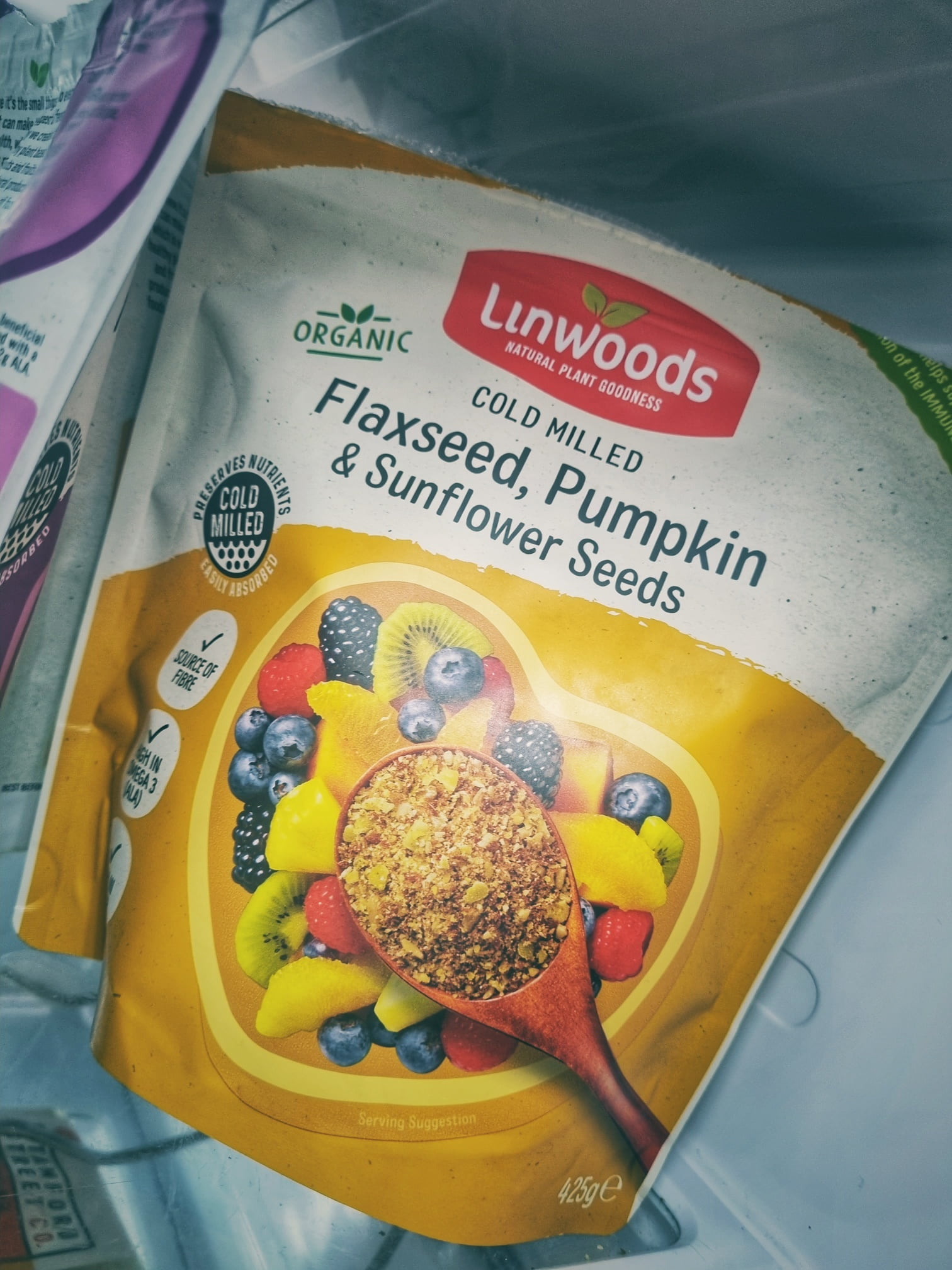
Seed blends, milled ingredients and simple whole-food additions are commonly used for this reason. Linwoods has been my go-to brand for these for years now. I add their blends to most things I cook and the children stir them into peanut butter, almond butter, yoghurt or smoothies.
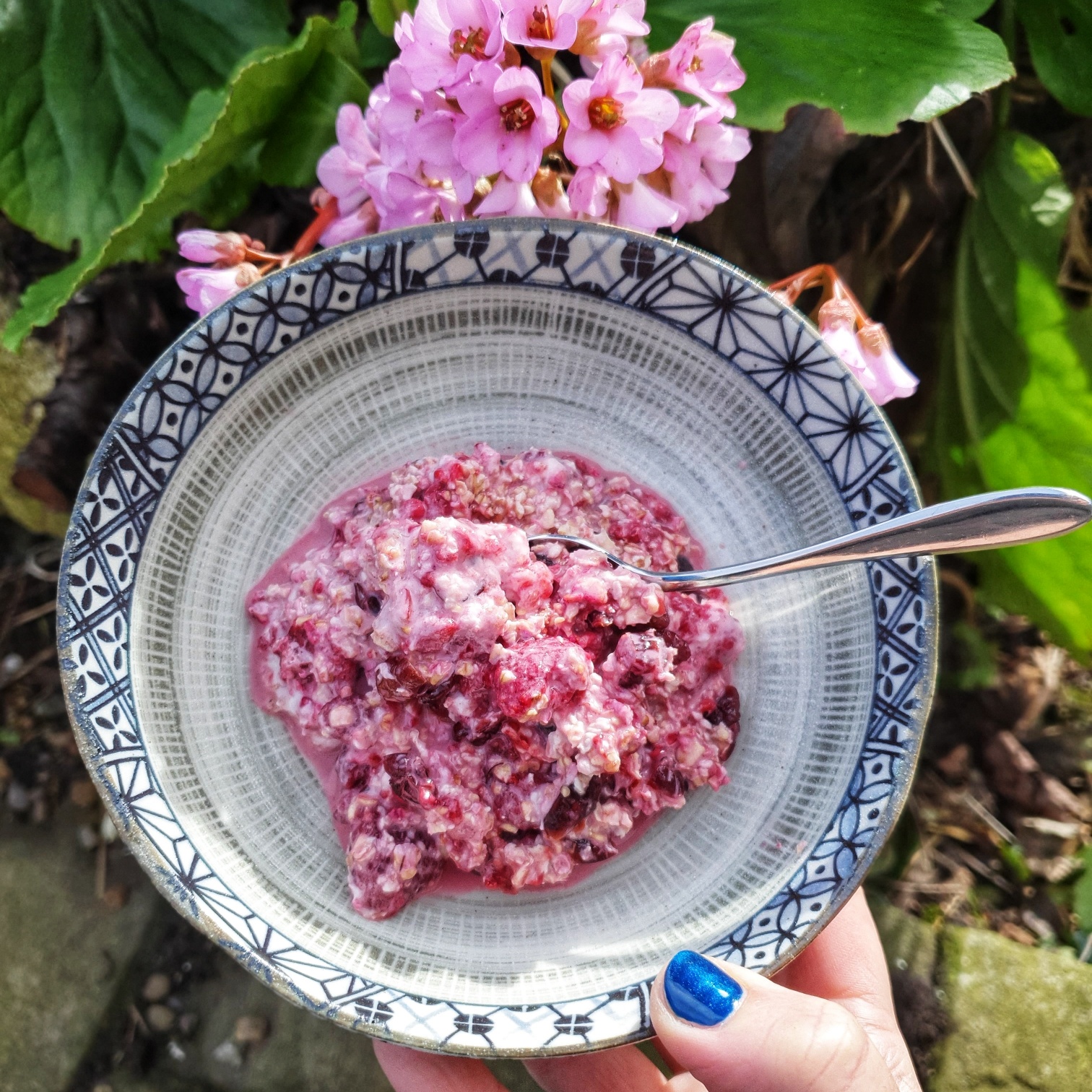
Linwoods’ range of blends, seeds, and Overnight Oats make it easier for families to boost their nutritional intake naturally, supporting energy, balance, and overall vitality through wholesome, organic ingredients.
These mixes make a massive difference if you have a child who struggles to eat a broad diet, as it is relatively easy to hide a few spoonful’s in something else they like.
Building a supportive food environment at home
Nutrition works best when it is part of a calm, supportive environment. Removing pressure and focusing on gentle improvements helps children build a healthier relationship with food over time.
By using nutrition top-ups thoughtfully, families can:
- Reduce stress around meals
- Support growth and wellbeing
- Keep food familiar and enjoyable
Final thoughts
Feeding a family well does not require constant reinvention. Practical nutrition top-ups offer a realistic way to support dietary needs without disrupting routines or enjoyment.
By focusing on small, consistent changes, families can quietly strengthen nutrition — one meal at a time.

1 comment
Great ideas for low‑friction nutrition—love the snack swaps and add‑ins. Simple is sustainable. This Psalm about daily provision is one I like to revisit: ScriptureSide.