
When families plan a holiday, the same destinations tend to rise to the top: resorts, theme parks, safe cities, places with kids’ clubs and shallow pools. They look easy. They look sensible. They also often produce the least memorable trips.
There is another kind of family travel, quietly happening all over the world. It involves places that make people pause and ask, “Are you really taking the kids there?” These destinations are not dangerous, but they are unfamiliar. They are not built for families, but they are deeply human, and they often turn out to be exactly what children need.
Former Soviet and Eastern European cities
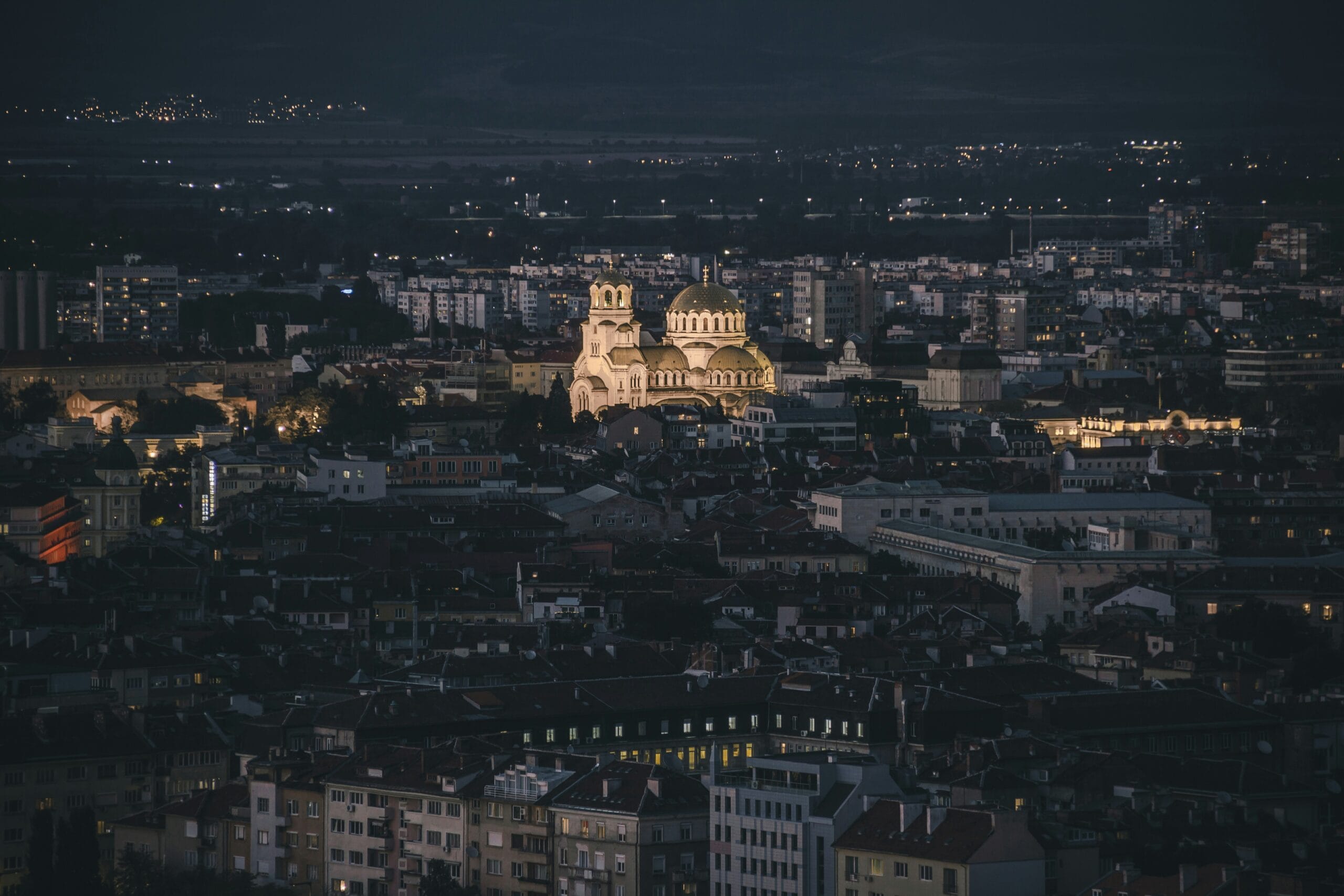
Cities like Tbilisi, Vilnius, Riga, Bucharest and Sofia are not designed for tourism. They are layered, intense, and full of history that is still visible on the streets. Concrete apartment blocks sit next to medieval churches. Markets spill into tramlines. Life is lived outdoors.
For children, these cities are endlessly fascinating. There are cable cars, wide boulevards, giant statues, street musicians and bakeries on every corner. The lack of heavy tourism infrastructure actually makes them easier to navigate with kids. Prices are low, people are welcoming and families are everywhere.
Children do not need curated attractions when the city itself feels like a story.
Former conflict zones that have become peaceful
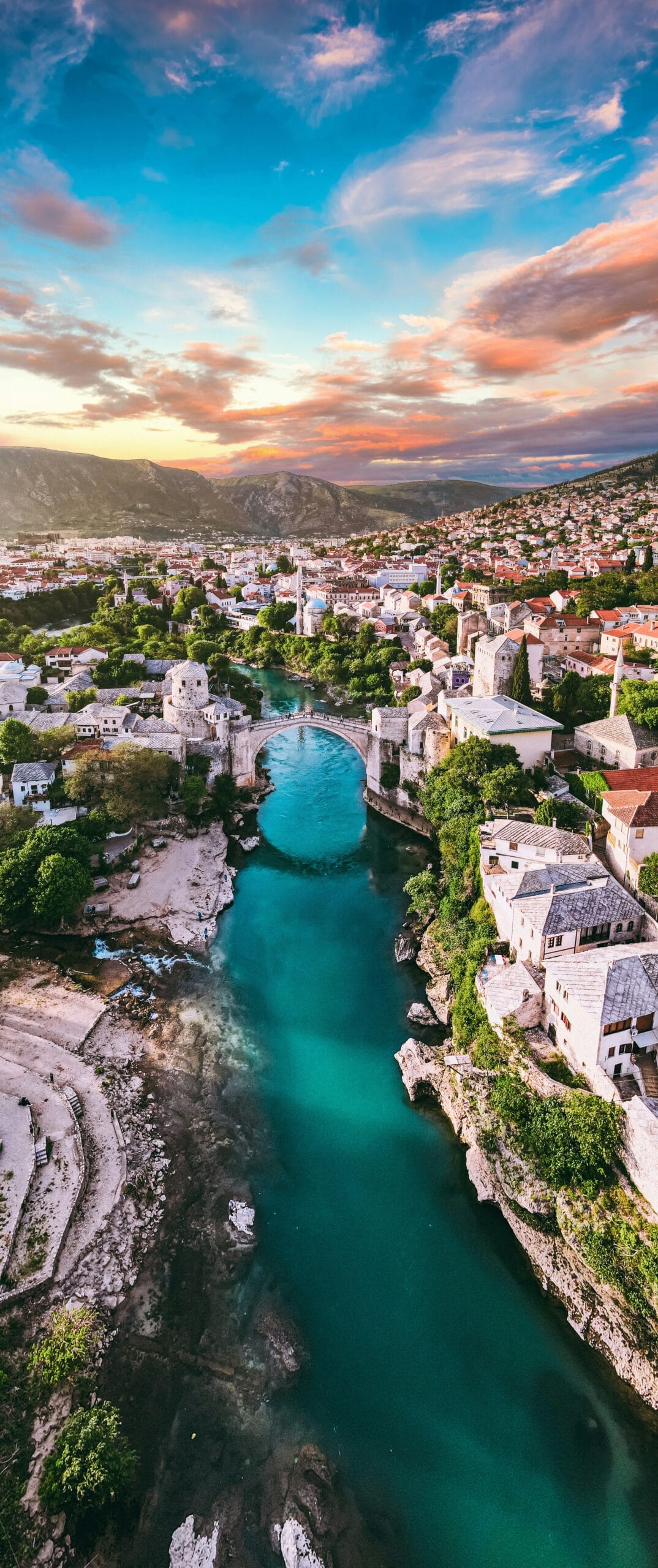
Bosnia, Northern Ireland, Cambodia and parts of Croatia are places many parents hesitate to consider. Their recent histories are heavy, but these are also some of the warmest, most welcoming places to visit with children.
These destinations are used to rebuilding. They value community, family and everyday life. Children are treated kindly, included in conversations and often offered small acts of generosity.
For older children, walking through places that have lived through conflict brings history out of textbooks and into reality. They learn empathy, resilience and the fact that peace is something people actively build.
Chaotic, high-energy cities
Naples, Istanbul, Hanoi, Marrakech and Mexico City are often described as overwhelming. Traffic is loud. Streets are busy. Life spills everywhere.
These are also places where children are part of daily life. Families eat out late. Kids run between tables. Strangers talk to them. There is no sense that children should be quiet, invisible or contained.
For many children, these cities feel more alive than anywhere else they have been. They are not stuck in museums or play areas. They are part of the rhythm of the place.
Mountain regions and high-altitude cultures
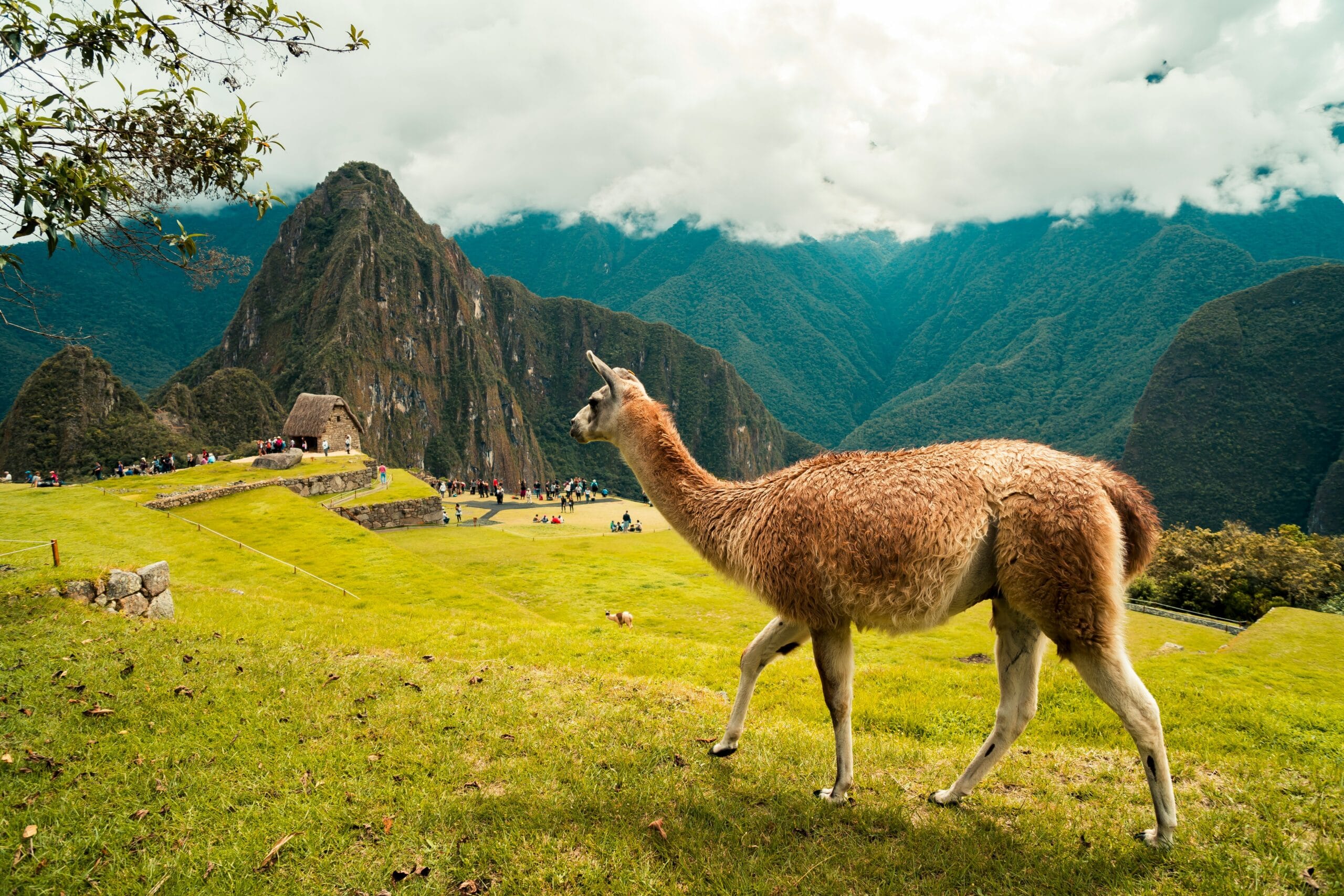
Places like the Sacred Valley in Peru, rural Nepal, Bhutan and parts of the Caucasus slow families down in a way nothing else does. The air is thinner. The pace is slower. The focus shifts to walking, breathing, resting and observing.
Children adapt quickly. They hike. They sit. They notice birds, clouds, animals and people. Screens fade away. Attention comes back.
These environments are deeply regulating for nervous systems that are overloaded by modern life.
Post-industrial cities reinventing themselves
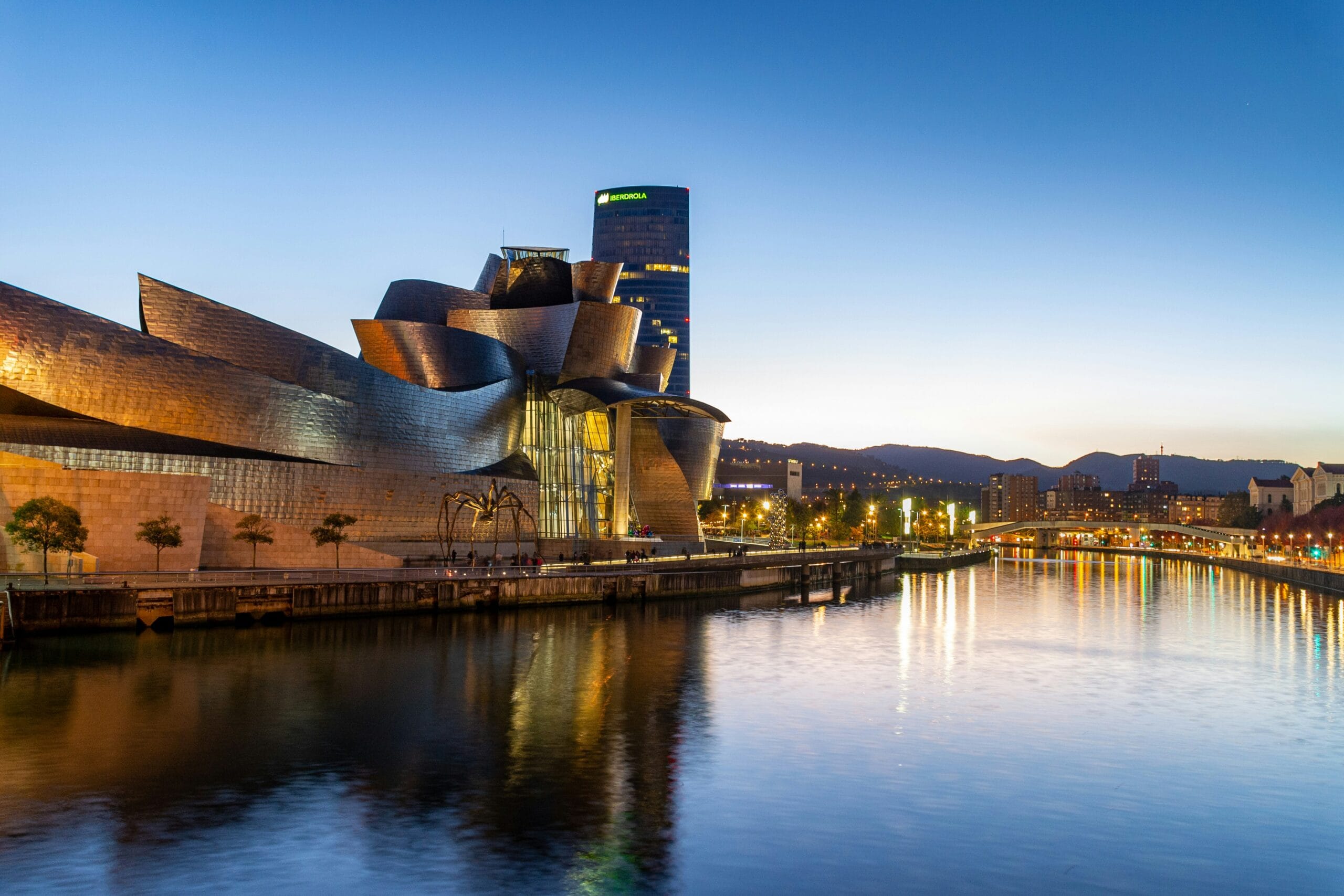
Cities like Leipzig, Gdańsk, Bilbao and even parts of Detroit are not glossy. They have grit. They have empty spaces and half-finished buildings. They also have creativity, art, music and freedom to explore.
Children love places that feel slightly wild. They find hidden playgrounds, street art, converted warehouses and parks that are not overly designed. These cities invite curiosity instead of consumption.
Why children often thrive in these places
Adults worry about comfort, language barriers and unpredictability. Children worry about none of those things. They are wired for adaptation.
In these “not-quite-family” destinations, children:
- Become more observant
- Ask more questions
- Engage more deeply
- Feel included in real life
They are not being entertained. They are being trusted to experience the world. That builds confidence in a way no kids’ club ever could.
What these places give families that resorts cannot
They give:
- Shared discovery
- Stories that last
- A sense of perspective
- Real connection
Families come home not just rested, but changed. Children remember the markets, the mountains, the conversations and the strange new foods far longer than they remember hotel pools.
These are the trips that shape how young people see the world.
