
When trading synthetic indices, think about possible price action, risks, opportunities, and potential gains. If you’re not systematic, you might jump into trades or chase unattainable profits. A synthetic risk and reward indicator can help you validate potential trades and determine where to cut your losses. However, this only works if you pair this tool with a consistent trading strategy.
Let’s understand what these trading strategies aim to do, how they work, and what the limitations are.
Understanding Synthetic Risk and Reward Indicators
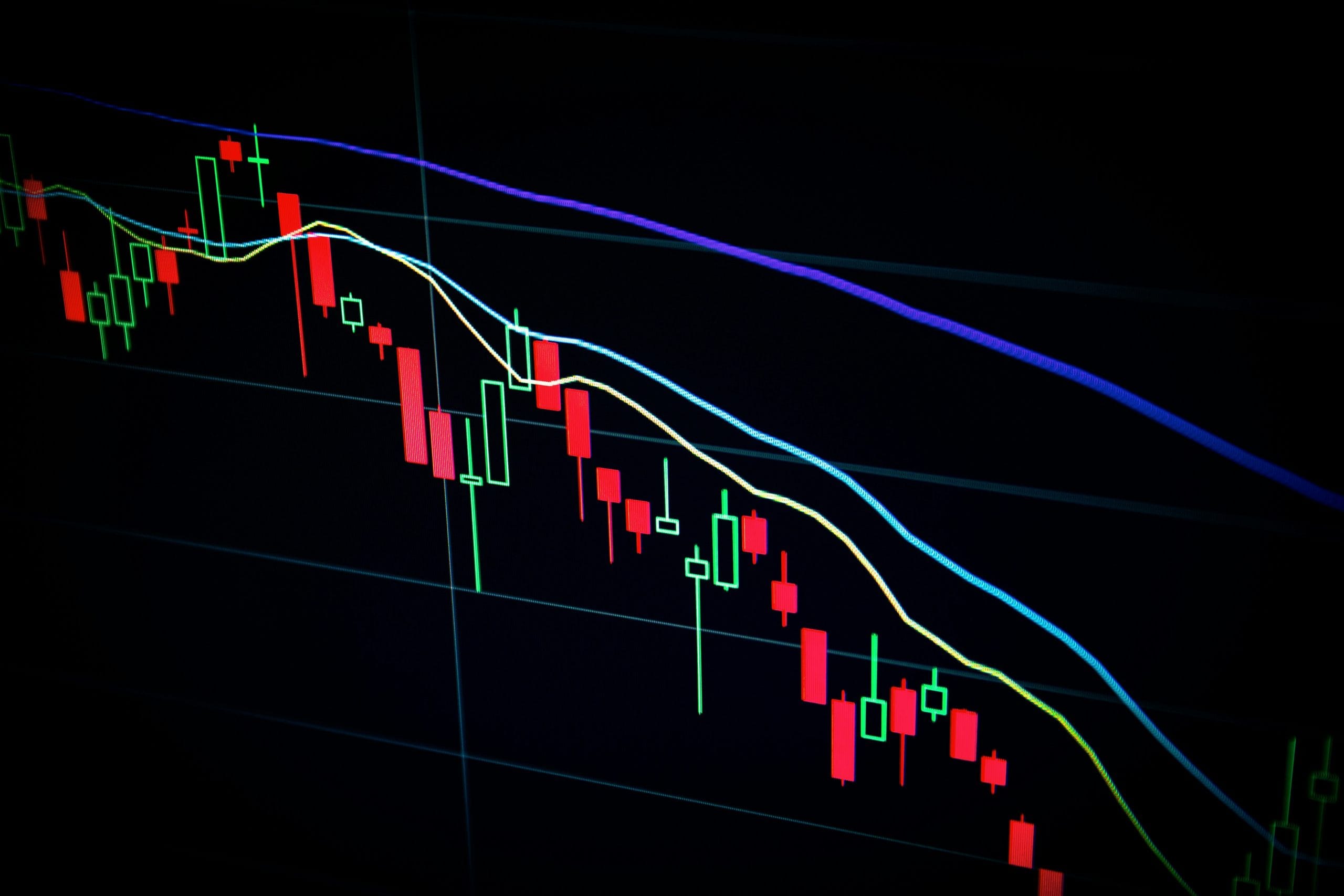
A synthetic risk and reward indicator is a technical analysis tool that allows you to see your potential profit in proportion to the risk you are taking. It works by creating a visual representation of entry price, stop-loss, and take-profit levels on the chart. The information shown allows you to see if a trading opportunity has a reasonable risk-to-reward ratio.
For example, if you can risk $10 with a $20 target, your risk-to-reward ratio is 1:2, meaning the potential reward is double the risk taken. Having an indicator to show these levels visually can help you select your trades more efficiently before you put cash on the line.
Unlike momentum- and volatility-based tools, risk and reward indicators concentrate on trade setup and potential results.
How These Indicators Support Trading Decisions
A synthetic risk indicator can be a powerful tool to help you plan your trades. Instead of taking a trade that is predetermined only based on price action, you can set your losses, the amount you are prepared to take at risk, and your profit target in advance. This will help maintain discipline and reduce emotional trading.
You can also use the ratio indicator to review trades. A trade that has a big required stop-loss against a small profit target may be less desirable than a setup that requires a smaller stop-loss against a larger profit. But the ratio alone will not tell you if a trade is a good one.
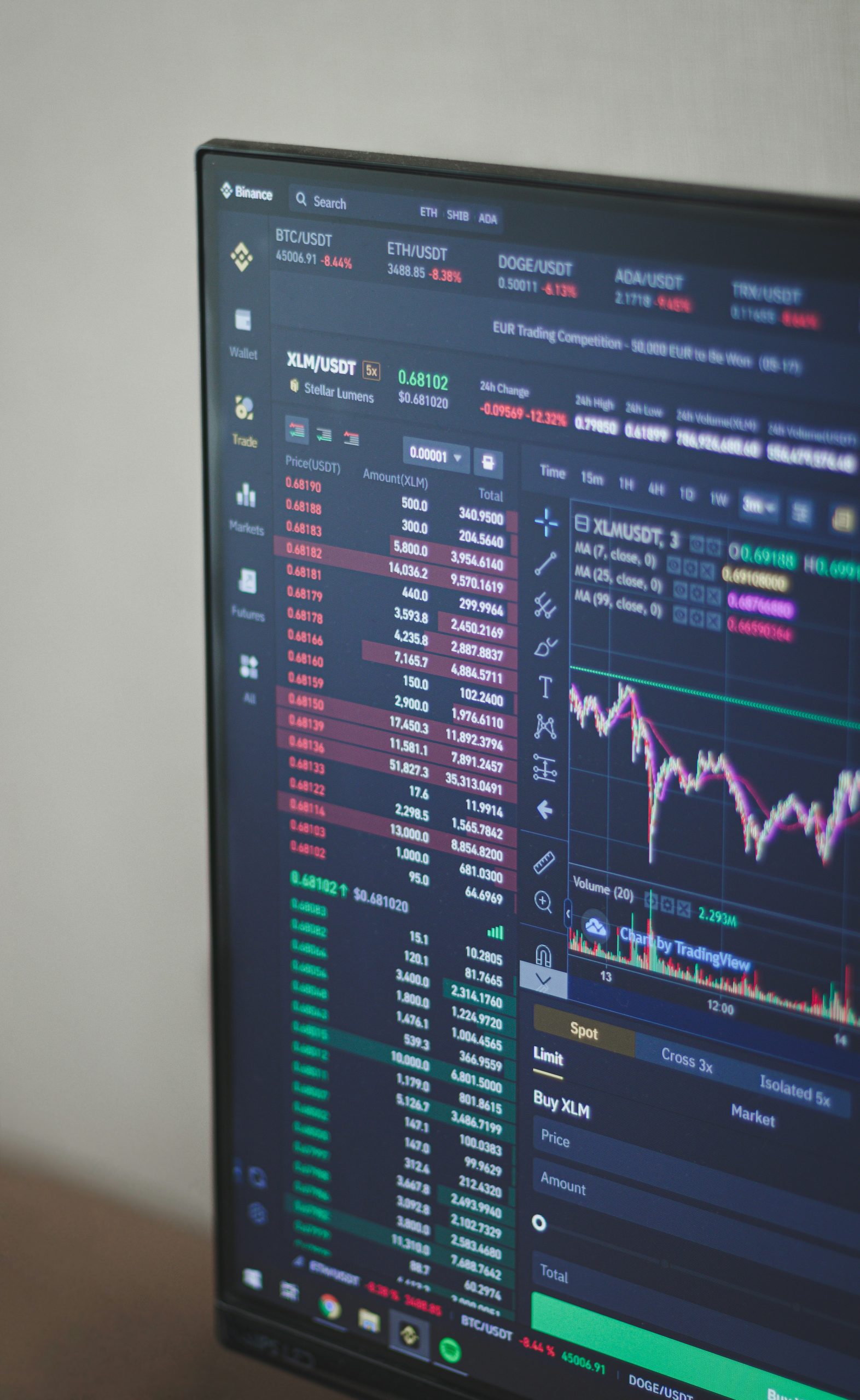
If you use the same criteria to evaluate all your trades, it’s easier to assess your performance, identify weaknesses in your strategy, and develop your trading system.
Applying the Indicator to Synthetic Indices
To use a synthetic risk and reward indicator, identify a potential trade entry point based on your trading strategy. Then determine where the trade would be too risky and choose a suitable stop-loss level. Then choose a take-profit point according to your analysis and acceptable risk.
For example, if you plan to risk $5 and hope to gain $15, then your risk-to-reward ratio is 1:3. You can use this calculation to determine whether the setup qualifies under your trading rules. For more learning resources about synthetic indices, read this full guide.
You can research the synthetic risk and reward indicator on Investopedia to learn the general theories behind risk management and look at the synthetic risk and reward indicator wiki for related trading concepts. Make sure the information applies to synthetic indices and your selected trading software.
Limitations You Should Understand
A synthetic risk-reward indicator does not predict market direction or guarantee profits. Even a trade with a good ratio could end up in the red if the market moves against your trade. Execution conditions, trading costs, and price movements can also affect actual results.
Knowledge about the synthetic risk-reward indicator definition is only a piece of good risk management. Think about the size of a position, the use of leverage, and the capital you are prepared to lose. Try it out first on a demo account.
Conclusion
In trading synthetic indices, better decisions result from a synthetic risk and reward indicator that can clarify the possible losses, profit targets, and the relationship between them. When combined with price action, disciplined position sizing and a sound trading plan, it can help you objectively assess opportunities. Use it for planning rather than for prediction, and always prioritise capital protection over chasing profits.
Your performance will display errors in your trading that can be corrected by reviewing what went wrong and making improvements. Maintaining realistic expectations and applying risk management practices consistently will help you make better decisions in trading synthetic indices.
