
*This article contains affiliate links*
Fishing with a child looks simple on the surface. A rod, a bit of bait, a quiet stretch of water. In reality, those first trips are rarely about technique or results. They are about slowing down together in a world that rarely allows it.
Fishing creates space for patience, observation and shared time without pressure. When done well, it becomes less about what you catch and more about what your child learns about themselves, nature and you.
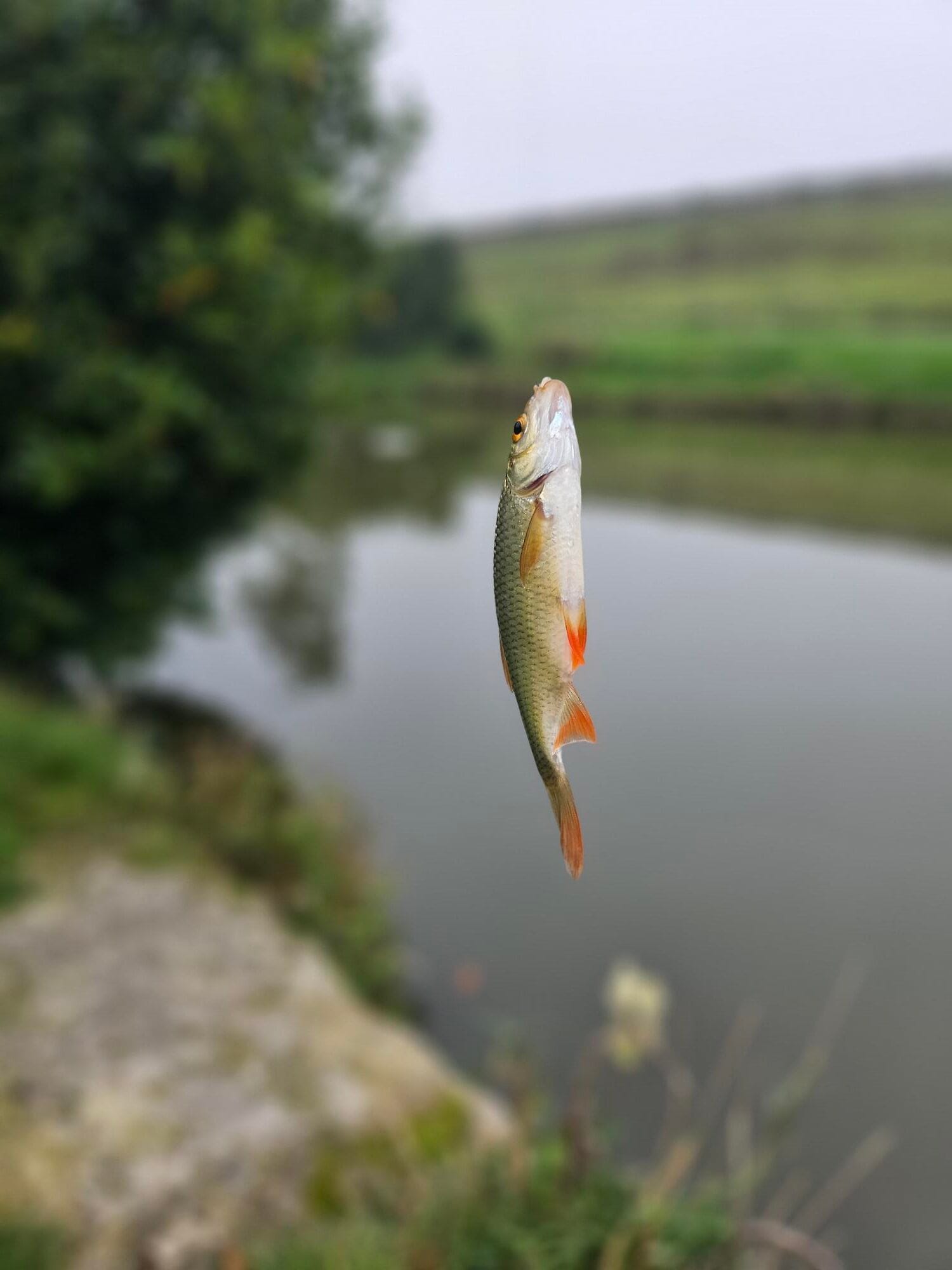
Start With Curiosity, Not Catch Counts
Adults often fish with an outcome in mind. Children do not need that expectation placed on them.
A fishing trip with a child is successful if they enjoyed being there. No fish need to be caught for it to count.
Children notice things adults have trained themselves to ignore. Ripples on the water, insects skimming the surface, the way the float moves even when nothing is biting. Let those observations lead the experience. Ask what they think is happening under the surface. Wonder aloud. Fishing becomes a shared exploration rather than a performance.
Keep the Equipment Simple
Complicated gear can overwhelm a beginner before they even start.
A short, lightweight rod that fits comfortably in small hands is more important than anything technical. A basic float setup, easy bait such as bread, sweetcorn or maggots, and a small net and unhooking mat are more than enough.
Limit instructions to what is essential. One knot. One technique. One clear explanation. Confidence grows from feeling capable, not from mastering everything at once.
Teach Respect Before Technique
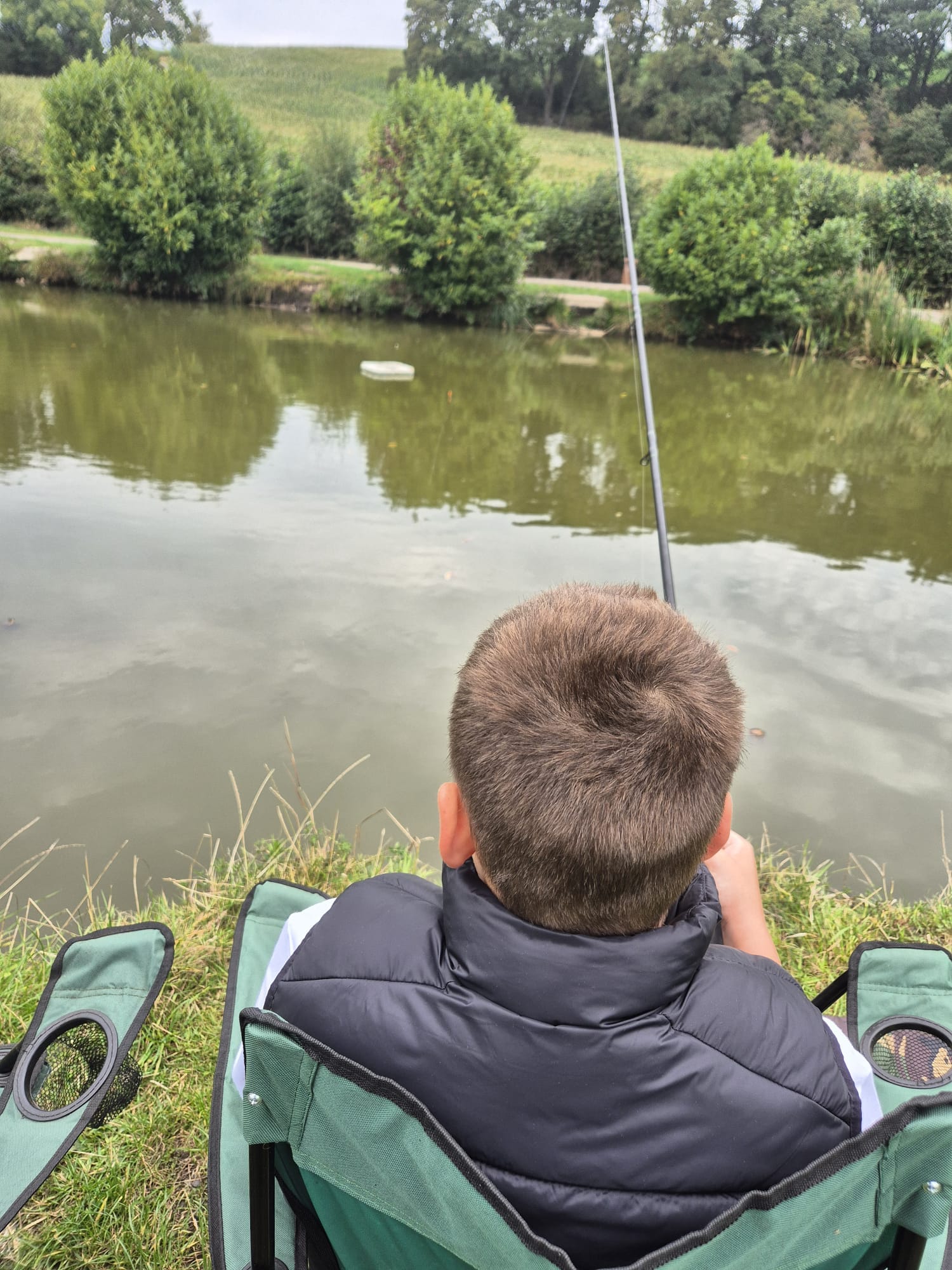
Fishing offers an opportunity to introduce respect for nature in a way that feels real rather than theoretical.
Talk calmly about handling fish gently, returning them to the water, and leaving the environment as it was found. Children absorb these lessons through behaviour rather than lectures.
This is also a natural moment to talk about bigger ideas. Waiting, disappointment, care, responsibility and knowing when to stop all appear naturally during a fishing session without needing to be forced into conversation.
Allow Space for Boredom
There will be quiet stretches where nothing happens. Resist the urge to fill those moments.
Boredom is not a failure. It is often where imagination, curiosity and conversation begin. Fishing gives children permission to exist without constant entertainment or productivity, something that is increasingly rare.
Those quiet moments are often the ones children remember most clearly.
Keep Sessions Short
One of the most common mistakes is staying too long.
For beginners, a couple of hours is usually enough. Leaving while interest is still high increases the chance they will want to return.
Warmth, comfort and snacks matter more than perseverance. A positive early experience builds enthusiasm far more effectively than pushing through tiredness or frustration.
Focus on the Experience, Not the Outcome
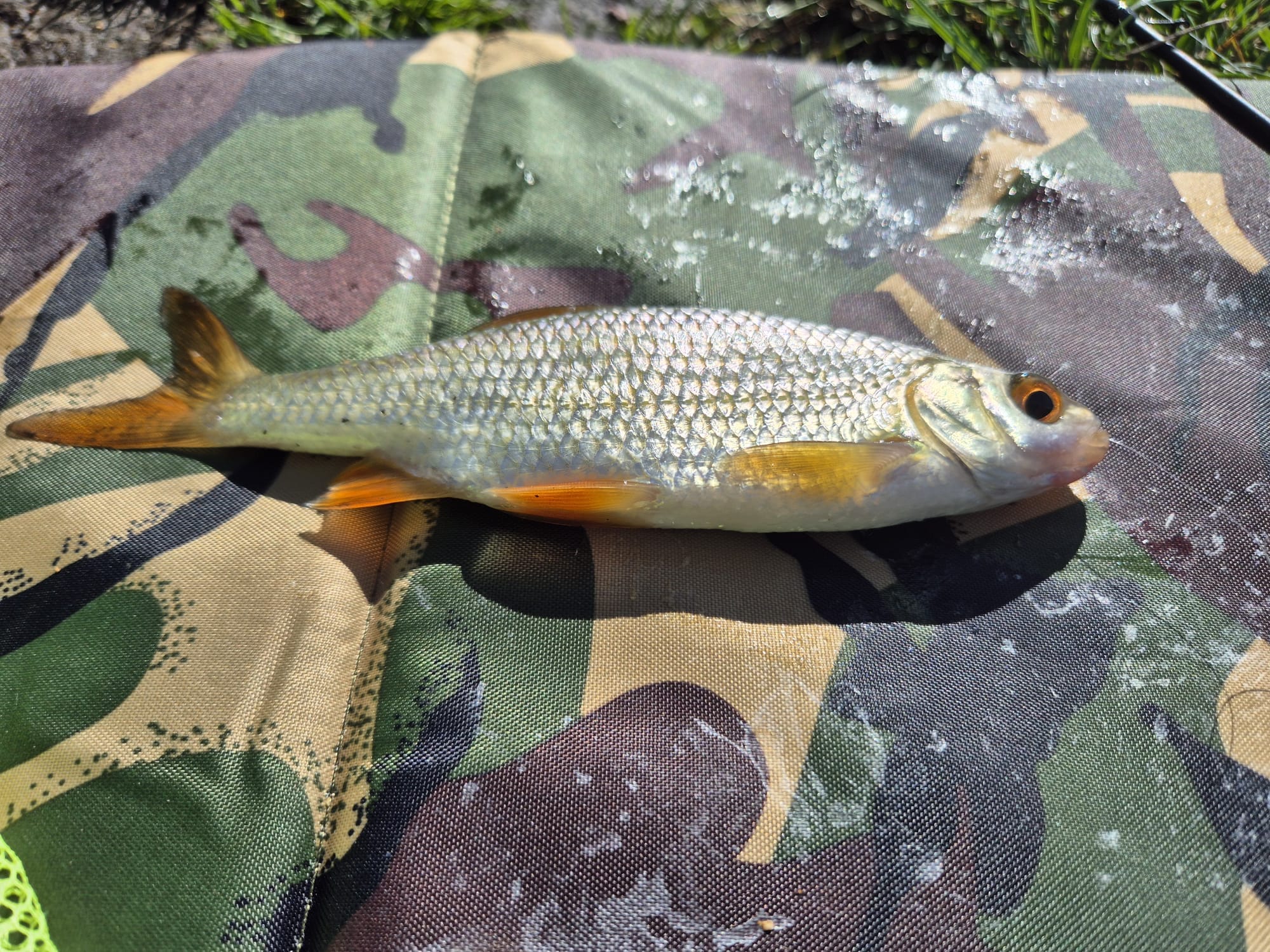
Catching a fish is exciting, but it should never be the only measure of success.
Talk about what was noticed, what felt different, and what they would like to try next time. This reframes fishing as an experience rather than a result-driven activity.
Children learn that effort does not always lead to immediate reward, and that enjoyment does not depend on winning or achieving something tangible.
Why Fishing With Children Matters
Fishing creates a rare kind of shared time. There are no screens, no scores and no urgency. There is simply space to be together, whether that is filled with conversation or silence.
For children who struggle with confidence, overstimulation or the pressures of school, fishing can feel particularly grounding. It offers structure without judgement and learning without comparison.
For parents, it offers a reminder to slow down and pay attention.
Long after the details fade, your child is unlikely to remember the size of the fish or even the bait that worked best. What will stay with them is simpler than that.
You were there.
You waited with them.
That was enough.

3 comments
Hi everyone, glad to be here. I’ve been reading some of the recent posts and it’s interesting to see how active the discussions are. People share pyramid spins different observations and perspectives, which creates a broad exchange of ideas. Online communities usually include participants from many regions. I also noticed that users from the United Kingdom are part of the community here.
Such a refreshing take! I love how you focus on the quiet moments and curiosity instead of just reeling in a catch—it really takes the pressure off. Our first family fishing trip was exactly like that: no fish, but loads of chatting and spotting dragonflies. Your tips on simple kit and short sessions are perfect for beginners. Thanks for the reminder that just being there together is the real win! 🎣❤️
Fish Years to Human Years
Fishing with your child isn’t just about catching fish—it’s about building patience, bonding, and creating lasting memories together.