
Human evolution spent millions of years perfecting the complex architecture of the foot, yet modern lifestyle has largely confined it to rigid, heavily cushioned shells. This shift away from the ground has led to a rise in chronic joint pain and postural imbalances that many of us now accept as a normal part of aging. For those looking to restore their natural gait and improve overall well-being, choosing high-quality minimalist footwear like Naturcontact provides a crucial bridge back to functional movement by allowing the feet to engage with the terrain as they were designed to. By prioritising sensory feedback and anatomical freedom, we can begin to undo the damage caused by years of restrictive footwear.
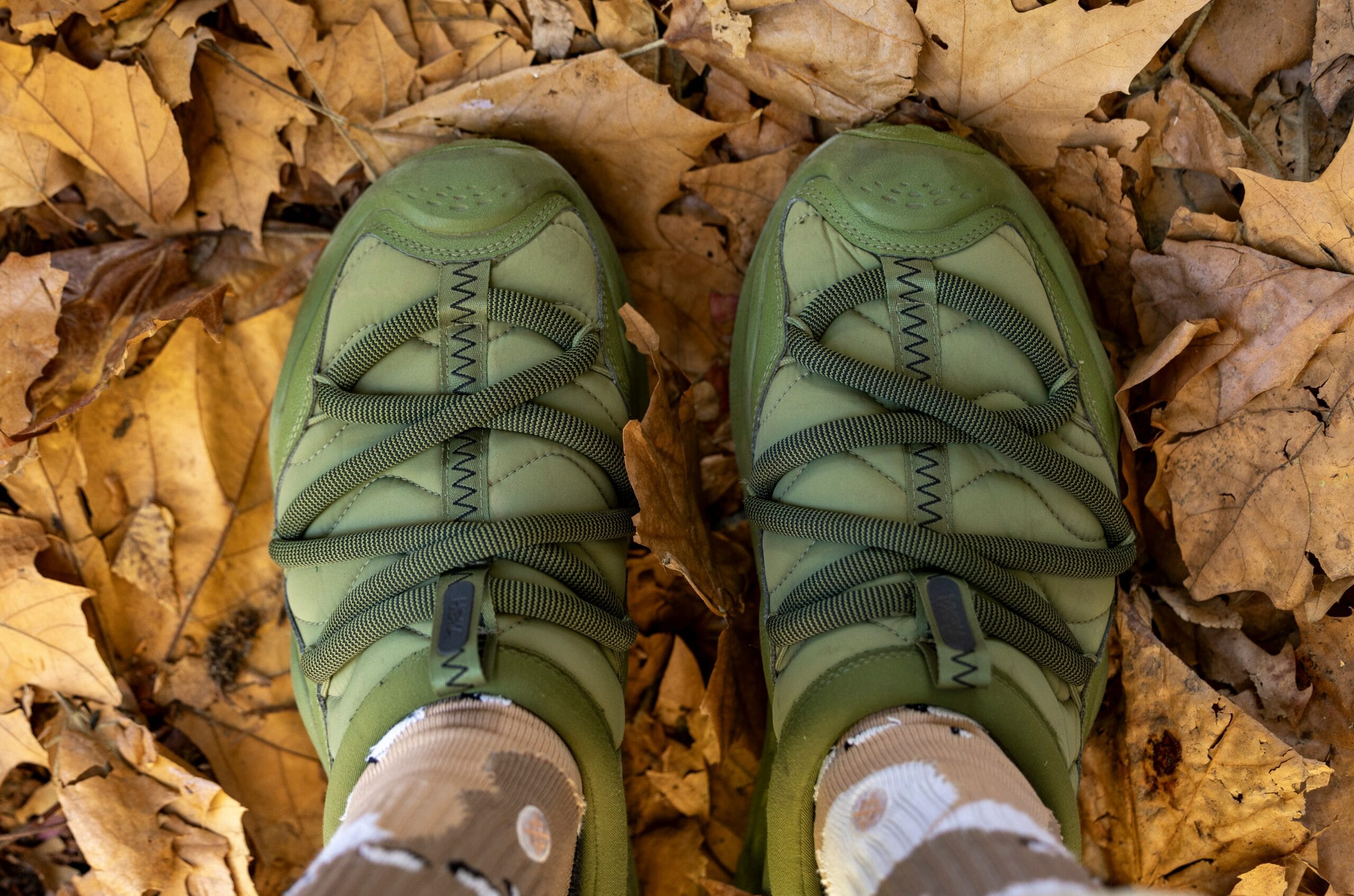
The unintended consequences of modern footwear
For decades, the footwear industry has prioritised aesthetics and excessive cushioning over biological function. Traditional shoes often feature a tapered toe box, a raised heel, and rigid soles that act like a cast for the foot. While this might feel comfortable in the short term, it effectively deactivates the intrinsic muscles of the feet. When the foot is immobilised, the muscles that support the arch begin to weaken, leading to issues like fallen arches or plantar fasciitis.
Furthermore, the “heel drop”—the height difference between the heel and the forefoot in standard shoes—shifts the body’s center of gravity forward. To prevent falling, the body compensates by tilting the pelvis and arching the lower back. This creates a kinetic chain reaction that can lead to chronic pain in the knees, hips, and lumbar spine. Reclaiming a natural stance requires a foundation that does not interfere with the body’s natural alignment.
Understanding the minimalist revolution
The minimalist or “barefoot” shoe movement isn’t about walking without protection; it is about providing the foot with the minimum necessary interference to function correctly. There are three core pillars to this design philosophy that distinguish it from conventional athletic or casual shoes.
The importance of a zero-drop sole
A zero-drop sole means the foot sits perfectly flat on the ground, with no elevation at the heel. This mimics the natural standing position of a human being. When you remove the artificial lift, your Achilles tendon and calf muscles are allowed to stretch to their intended length. Over time, this restores ankle mobility and allows the spine to stack in its neutral, natural curve.
Wide toe boxes and natural splay
Most modern shoes are widest at the ball of the foot and then taper toward the toes. This is the opposite of human anatomy. A proper minimalist shoe features a wide toe box that allows the toes to splay out. This splaying is essential for stability; it increases the surface area of the foot, providing a more solid base for every step. It also prevents common deformities like bunions, which are often caused by the constant lateral pressure of narrow shoes.
Sensory feedback and proprioception
The soles of our feet are packed with thousands of nerve endings. These nerves provide the brain with constant data about the surface we are walking on—a process known as proprioception. Thick, foam-filled soles muffle this “conversation” between the feet and the brain. By using a thin, flexible sole, you re-establish this connection. Your brain can then make micro-adjustments to your gait, leading to better balance and a more controlled, mindful way of moving.
The impact on posture and joint health
When we talk about foot health, we are really talking about total body health. The feet are the foundation of the entire skeletal system. If the foundation is slanted or unstable, the rest of the structure will suffer.
Studies have shown that switching to minimalist footwear can increase foot strength by up to 60% over a six-month period. This increased strength provides better natural shock absorption. Instead of relying on synthetic foam to dampen the impact of a step, a strong, functional foot uses its own arches and tendons to manage the force. This reduces the jarring impact on the “upstream” joints, specifically the knees and hips, which often bear the brunt of a dysfunctional walking pattern.
Strengthening the intrinsic muscles of the foot
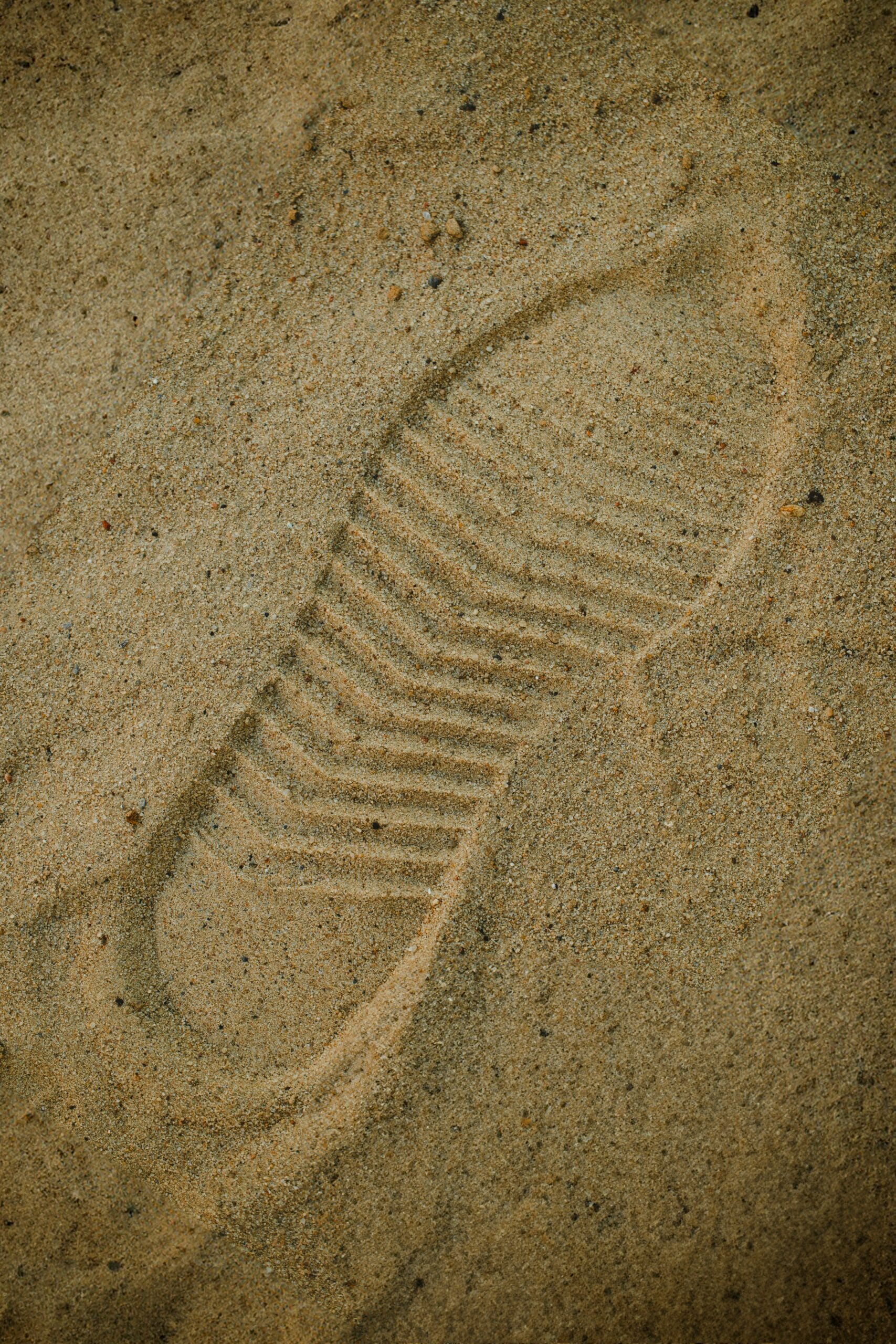
Walking in minimalist shoes is essentially a workout for your feet. In a traditional shoe, the arch is supported by a piece of plastic or foam, which allows the muscles to go “dormant.” In a barefoot-style shoe, your muscles have to do the work of maintaining the arch themselves.
This transition involves engaging the tibialis posterior and the small muscles between the metatarsals. As these muscles grow stronger, many people find that their balance improves significantly. This is particularly beneficial for older adults, where fall prevention is a major health priority, but it is equally valuable for athletes looking to improve their explosive power and stability.
How to transition safely to minimalist footwear
If you have spent twenty or thirty years in traditional shoes, you cannot expect your body to adapt overnight. The transition to a minimalist lifestyle should be gradual to avoid overuse injuries like stress fractures or calf strains.
- Start small: Wear your minimalist shoes for short walks around the house or for quick errands.
- Listen to your body: It is normal to feel some muscle soreness in the calves and arches—this is simply “waking up” muscles that haven’t been used. However, sharp pain is a signal to rest.
- Focus on gait: When walking in thin soles, avoid the heavy “heel strike” common in cushioned shoes. Instead, aim for a mid-foot landing and shorter, lighter steps.
- Foot gymnastics: Incorporate simple exercises like “towel curls” (using your toes to pull a towel toward you) or picking up small objects with your feet to build dexterity and strength.
Merging protection with performance
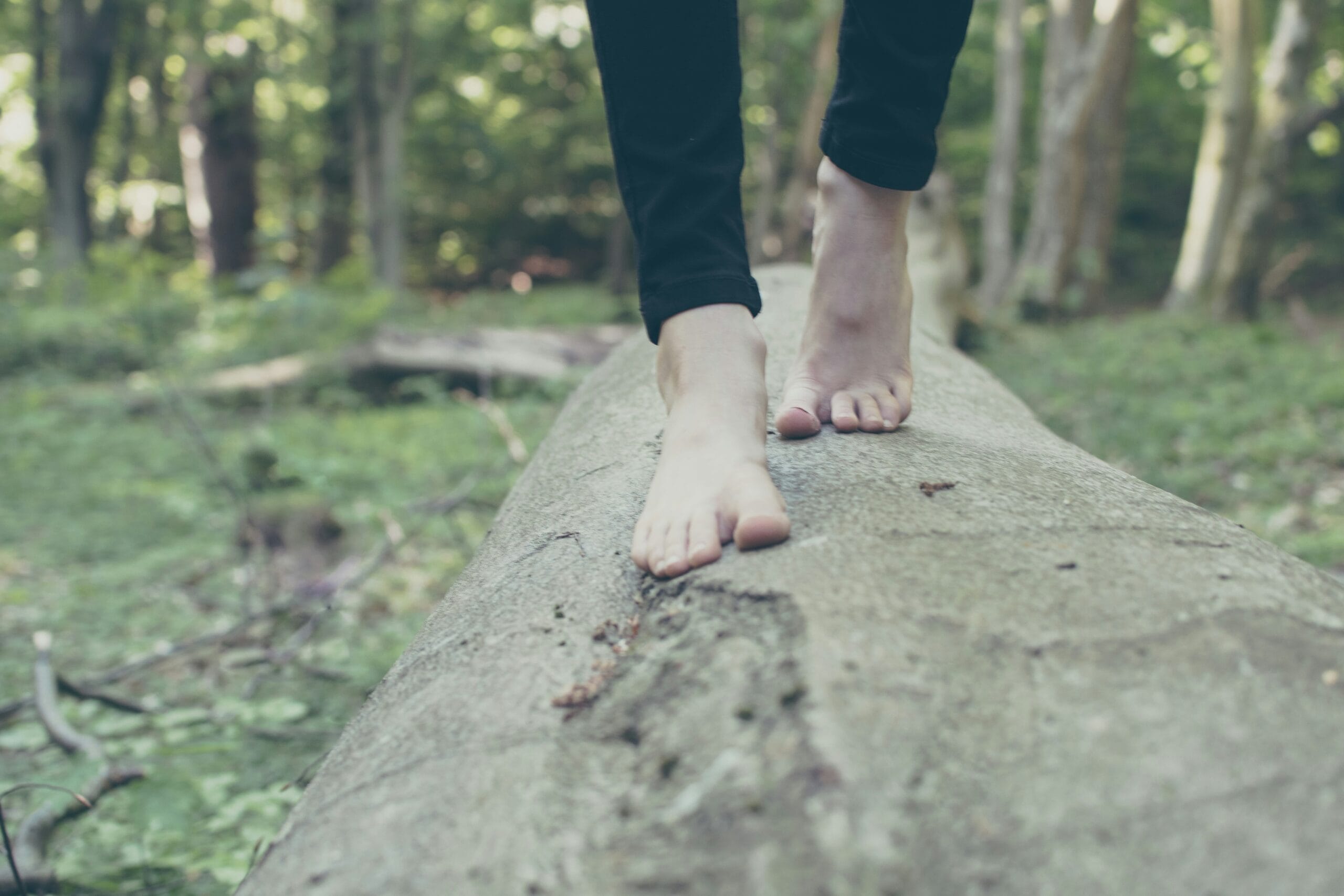
A common concern regarding barefoot shoes is whether they provide enough protection for modern environments like asphalt or rocky trails. Modern engineering has solved this by using advanced materials like aramid fibers and high-density eco-rubbers. These materials allow for a very thin sole that is still puncture-resistant and durable.
This means you can enjoy the benefits of a “naked” foot—the flexibility, the lightness, and the connection to the earth—without the risk of injury from sharp objects or rough terrain. Whether you are navigating a city street or a mountain path, the goal is to feel the ground without being hurt by it.
The shift toward minimalist footwear is more than just a trend; it is a return to biological common sense. By stripping away the unnecessary features of modern shoes, we allow our bodies to function the way they were evolved to. Improved posture, reduced joint pain, and a more profound connection to our environment are all waiting at the end of a more natural stride. Starting from the ground up is the most effective way to rebuild a healthy, resilient body.

4 comments
Barefoot living promotes natural movement, improves posture, strengthens muscles and joints, and offers various health benefits according to scientific research.
The biggest advantage of this dating site for married hookup is how simple and direct it is. You know exactly what the platform is for. Profiles are easy to browse and not overloaded with information. I found it easy to start conversations without awkward small talk. The overall vibe is relaxed and friendly. It’s a great place to meet people without pressure.
Love the emphasis on gradual transition and rebuilding foot strength. The note about proprioception and gait was especially helpful. For anyone needing encouragement to stick with small daily steps, this collection on perseverance has been meaningful: ScriptureSide.
Barefoot living encourages natural movement, enhances posture, strengthens muscles and joints, and provides multiple health benefits supported by scientific research.