
Children’s bedrooms change constantly. One year, the floor is covered in building blocks and toy cars. The next, you’re trying to squeeze in a desk, bookshelves and somewhere for friends to sit. Replacing the carpet every time the room changes isn’t particularly appealing, especially when you’re working with a family budget.
Carpet roll ends offer another option. These are lengths remaining from larger carpet rolls, often available in sizes suitable for smaller rooms or individual areas. With a little planning, you can use them for anything from carpeting a nursery to creating a comfortable reading corner, provided the dimensions and carpet type suit the job.
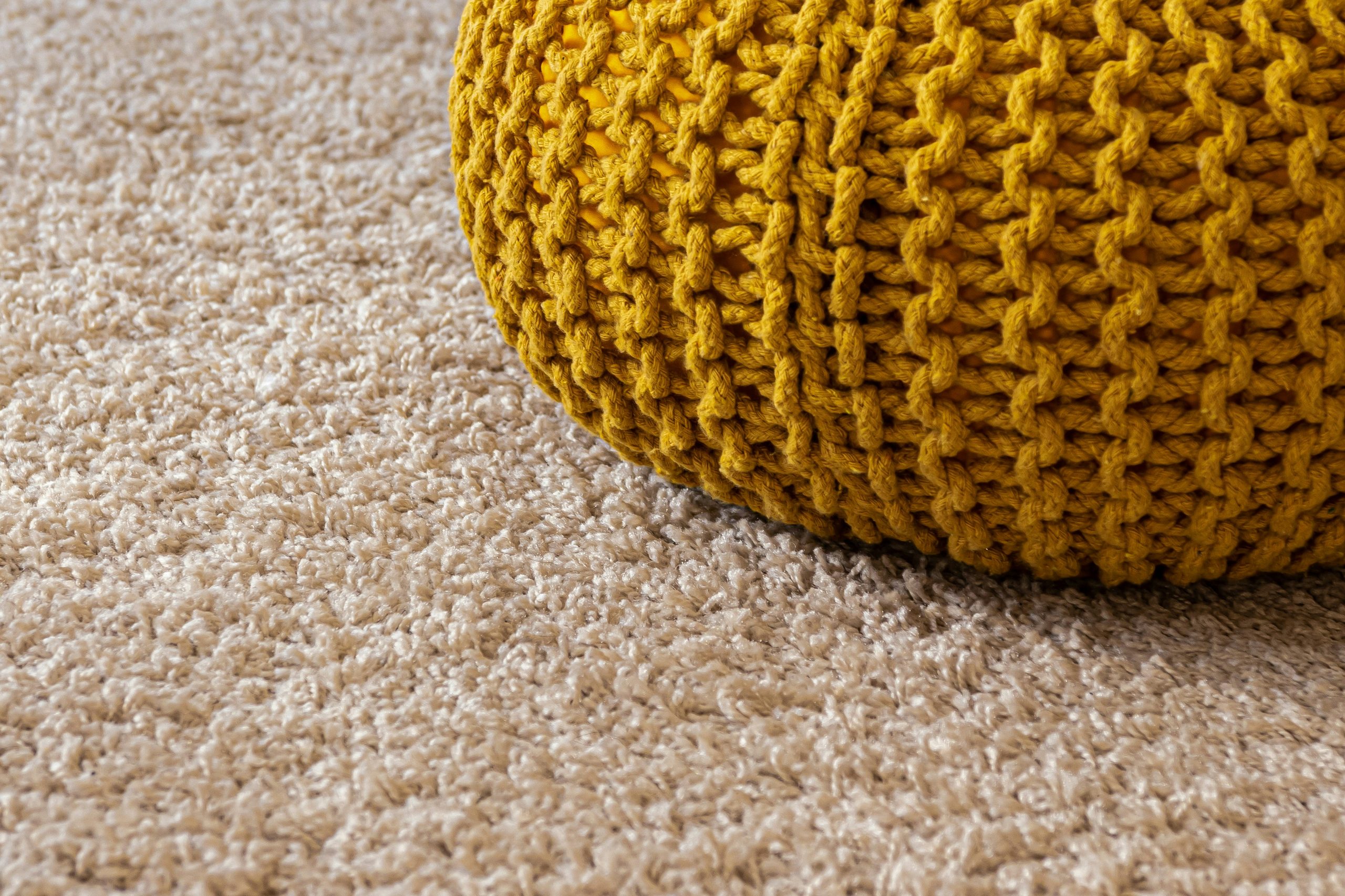
1. Carpet a Small Bedroom Without Buying a Full Roll
A box room or nursery is a good place to start. If the existing carpet is worn, a suitably sized roll end may cover the entire floor without having to purchase carpet from a new roll.
The difficulty is finding a piece that fits. A bedroom measuring 2.4 metres by 2.8 metres needs more than a carpet measuring roughly the same area. The piece must have sufficient width and length to accommodate the room’s shape, any alcoves and the fitter’s cutting allowance.
If you live in or near Greater Manchester, Urmston Carpets stocks carpet roll ends and remnants in different sizes and pile types at its Urmston showroom. Checking the available dimensions against your measurements can help you find a piece that fits without an awkward join.
For a nursery, a softer cut pile might appeal if you spend time sitting on the floor. In a bedroom used by an older child, a shorter twist pile may be easier to vacuum and maintain. The carpet’s fibre, backing and cleaning instructions matter as much as how soft it feels.
Remember to account for underlay and professional fitting when planning a full-room installation.
2. Make a Dedicated Area for Building Toys and Floor Games
A playroom with laminate or vinyl flooring can accommodate a separate carpeted area where children build with bricks, complete puzzles or spread out their toys.
A roll end can be cut into a rectangular rug that fits the available space. For example, a piece measuring around 1.5 metres by 2 metres might provide enough room for a play table and some floor activities without covering the entire room.
Choose the pile according to what happens there. Small building bricks are easier to balance on a fairly short, firm pile than on a thick, shaggy carpet. A patterned finish may also be more forgiving of everyday marks, although its cleaning requirements still need checking.
Have any exposed edges professionally bound and secure the finished rug with suitable non-slip backing. It should lie flat without corners curling upwards. Ask about the cost of edge binding before buying, so you know what’s involved in turning the piece into a finished rug.
Carpet is comfortable for ordinary floor play, but it isn’t a substitute for safety flooring beneath climbing equipment or structures where a child might fall from height.
3. Give a Reading Corner Its Own Flooring
A quiet corner doesn’t need much space. A small rug beside a bookshelf, a comfortable floor cushion and a few favourite books can create a cosy reading space in an unused part of the bedroom.
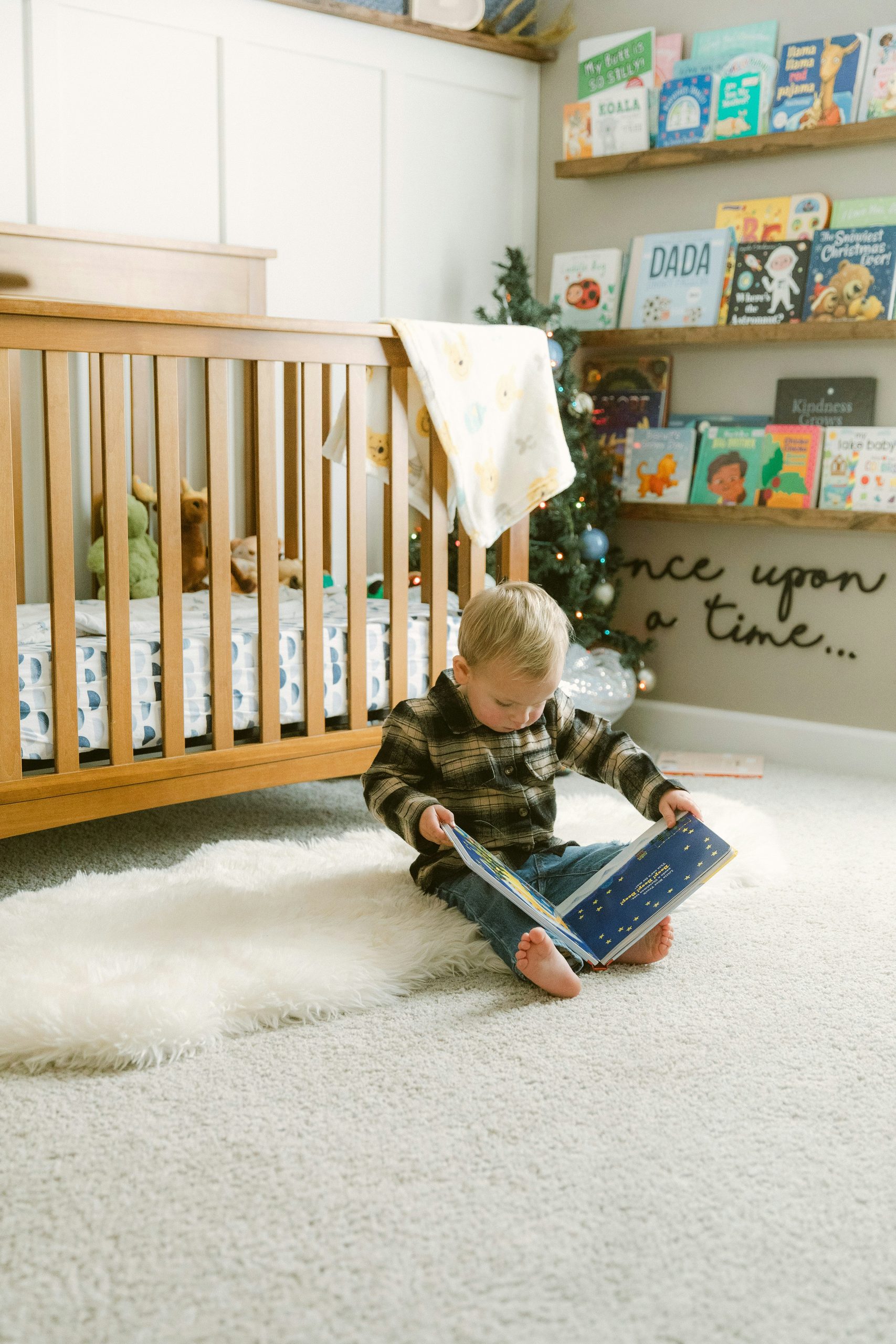
This is one situation where a softer carpet might make sense. A medium or deep pile can feel pleasant when children sit on the floor for longer periods, although it will generally need more attention when crumbs or small toys become caught in the fibres.
Think about the shape of the space before choosing a piece. A corner beside a window may need a long, narrow rug, whereas an area between a wardrobe and a bookshelf might suit a square one.
You could also choose a contrasting colour to distinguish the reading space from the rest of the room. If the piece is being used as a rug, have the edges finished properly and keep it clear of the main walkway.
4. Separate Sleeping and Playing Areas in a Shared Bedroom
When two children share a bedroom, fitting everything into one room can be difficult. Beds, storage, school bags and toys all compete for the available floor space.
Using a carpet roll end to define one part of the room can help organise the layout. A rug beside a low toy shelf might distinguish the play area from the sleeping space without adding another piece of furniture.
You don’t have to match the existing carpet exactly. A contrasting colour or pattern can work well, particularly if the bedroom already has fairly neutral walls and furniture.
Think carefully about the position, though. A freestanding rug shouldn’t obstruct the doorway or create an uneven route between the beds. RoSPA’s playtime safety advice recommends securing rugs and keeping floors clear of obstacles that could cause children to trip.
If the room is particularly narrow, leaving the existing floor uncovered may be the more practical choice.
5. Add Carpet Around a Homework or Drawing Station
As children get older, the floor space beside their desk often becomes a mixture of dropped pencils, paper, school bags and chair marks.
A small carpet piece may work beneath a stationary desk or a chair with fixed legs, particularly where you want to soften noise on a hard floor. A short, dense pile is generally easier to manage around furniture than a thick carpet that catches chair legs.
A wheeled desk chair presents a different problem. Castors can drag against carpet fibres, making the chair harder to move and potentially causing wear in one area. A suitable chair mat may be a better choice if your child regularly moves backwards and forwards.
Also consider the activities taking place at the desk. If it doubles as a painting or glue station, a wipe-clean surface may be more practical than carpet. Roll ends work better where the main concern is ordinary wear, furniture movement or comfort rather than frequent liquid spills.
6. Finish an Awkward Alcove or Small Playroom Corner
Some bedrooms have spaces that are difficult to furnish. An alcove beside a chimney breast, a recessed area beneath shelving or a narrow corner of a playroom may be too small for a standard rug.
A carpet roll end can be trimmed to suit an irregular floor area, provided the piece is large enough and the cutting layout works with the direction of the pile.
This can be useful if you’re fitting a small play kitchen or creating a dressing-up corner. A fitted section can provide a more secure surface than a loose piece, although any exposed edges need appropriate finishing.
Measure the recess at more than one point, especially in older homes where walls aren’t always straight. Check the subfloor for damage or dampness before covering it, and make sure the finished carpet doesn’t interfere with cupboard doors or storage drawers.
For an area where toys and dressing-up clothes are frequently moved around, a short, stain-resistant pile may be more suitable than a thick carpet that is difficult to keep clear of small items.
When Carpet Roll Ends Aren’t the Right Choice
The main limitation with carpet roll ends is availability. You may find a suitable colour but not enough material to cover the room, or a piece with the right measurements but a pile that isn’t appropriate for how your children use the space.
Matching the carpet in another bedroom can also be difficult. Even when two pieces look similar, differences in shade, pile direction or manufacturing batch may become noticeable once they’re laid.
For larger rooms, projects requiring several matching pieces or spaces where you expect to extend the carpet later, choosing from a current carpet range may be easier to plan around.
Although a roll end comes from a larger carpet roll, that doesn’t automatically make every piece suitable for a busy playroom. Check its condition, backing, fibre and cleaning instructions before deciding. If food, paint and drinks regularly end up on the floor, a wipe-clean covering may be a better option.
Measure the Space Before Choosing the Carpet
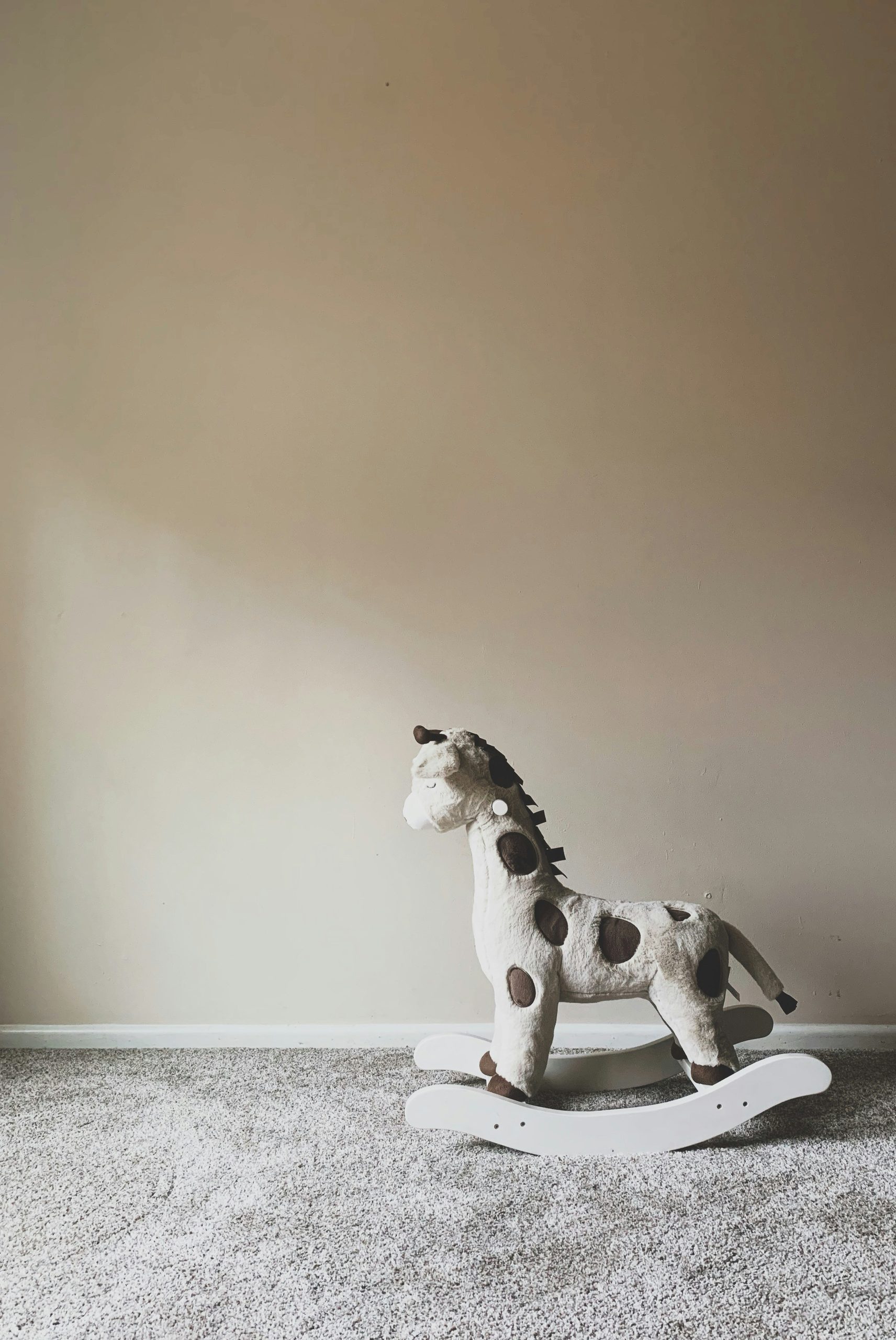
Carpet roll ends are particularly useful when you have a specific space to cover and some flexibility over colour or pattern. Start with the measurements, then decide whether you need a fitted carpet or a smaller piece with professionally finished edges.
A full-room installation is best discussed with a professional fitter, especially if the room has alcoves, uneven floorboards or awkward doorways. For a freestanding rug, check that it lies flat and stays securely in place.
Take a simple sketch of the room, with alcoves, doorways and fixed furniture marked, when checking available roll ends. This will help you establish whether a piece fits without joins and whether it needs trimming or edge binding. That way, you can choose from the available stock with a clear idea of what will work in your child’s room.
