
*This article contains affiliate links*
Do you feel an unsettling churning, a knot, or butterflies when facing a difficult situation? That uneasy, anxious feeling in your stomach is not just a figure of speech—it’s the direct, physical evidence that your mind and gut are deeply connected. The daily pressures of modern life—from work deadlines and financial worries to family issues—are not just mental burdens; they translate into tangible physical distress in your digestive system.
The everyday reality for many is chronic gut discomfort driven by stress. Data compiled by PrecisionBiotics, a company focused on scientifically-tested supplements, reveals the true scale of the problem. A remarkable 63% of respondents believe stress can directly aggravate their gut health. This manifests in frequent, unwelcome symptoms that dictate daily life: 40% report daily bloating, 36% deal with gas, 31% suffer from constipation, and nearly a third (29%) experience abdominal pains and cramps.
Dr. Emma Derbyshire, Public Health nutritionist and PrecisionBiotics advisor, affirms this common experience: “Stress is a problem for a lot of Brits and every week an average of 40% of adults feel stressed, which can be a cause issues for our guts.”

The Science Behind the Sensations: The Gut-Brain Axis
To understand why a stressful day can translate into that specific, uncomfortable knot in your stomach, we must look to the gut-brain axis. This is the intricate, bidirectional communication system linking the central nervous system (the brain) and the enteric nervous system (the gut).
Dr. Derbyshire explains that the gut is often called the ‘second brain‘ because of this constant conversation: “When you’re stressed it can impact your gut but equally, gut issues could impact stress levels. We are only beginning to appreciate the implications of this cycle of stress and sub-optimal gut health.”
Anxiety and stress physically trigger the gut. When you are anxious, the brain sends signals via the gut-brain axis that can speed up or slow down gut motility, leading to the subjective feelings of nausea, butterflies, sudden urges to use the bathroom, or cramping pain. Stress is a powerful disruptor: it can alter the delicate balance of the gut microbiome—the trillions of bacteria living in your digestive tract—and increase gut permeability, potentially triggering inflammation.
Dr. Nisa Aslam, a GP and PrecisionBiotics advisor, adds that this relationship is complicated by other lifestyle factors. While general worries (30%) and work pressures (20%) are major triggers, a poor diet (59%) and lack of sleep (24%) also significantly worsen stomach issues. Researchers have identified links between irregular sleep patterns and harmful gut bacteria, underscoring that our daily routines are integral to gut health. Did you know that the gut is responsible for producing up to 95% of the body’s ‘happy hormone,’ serotonin?
The consequences of an unhappy gut are far-reaching in daily life: over half (54%) of respondents reported having less energy, 34% felt they couldn’t eat what they wanted, and 27% felt less confident. This negative cycle feeds back into the stress levels that started the problem.
Practical Steps to Soothe Your Gut and Mind
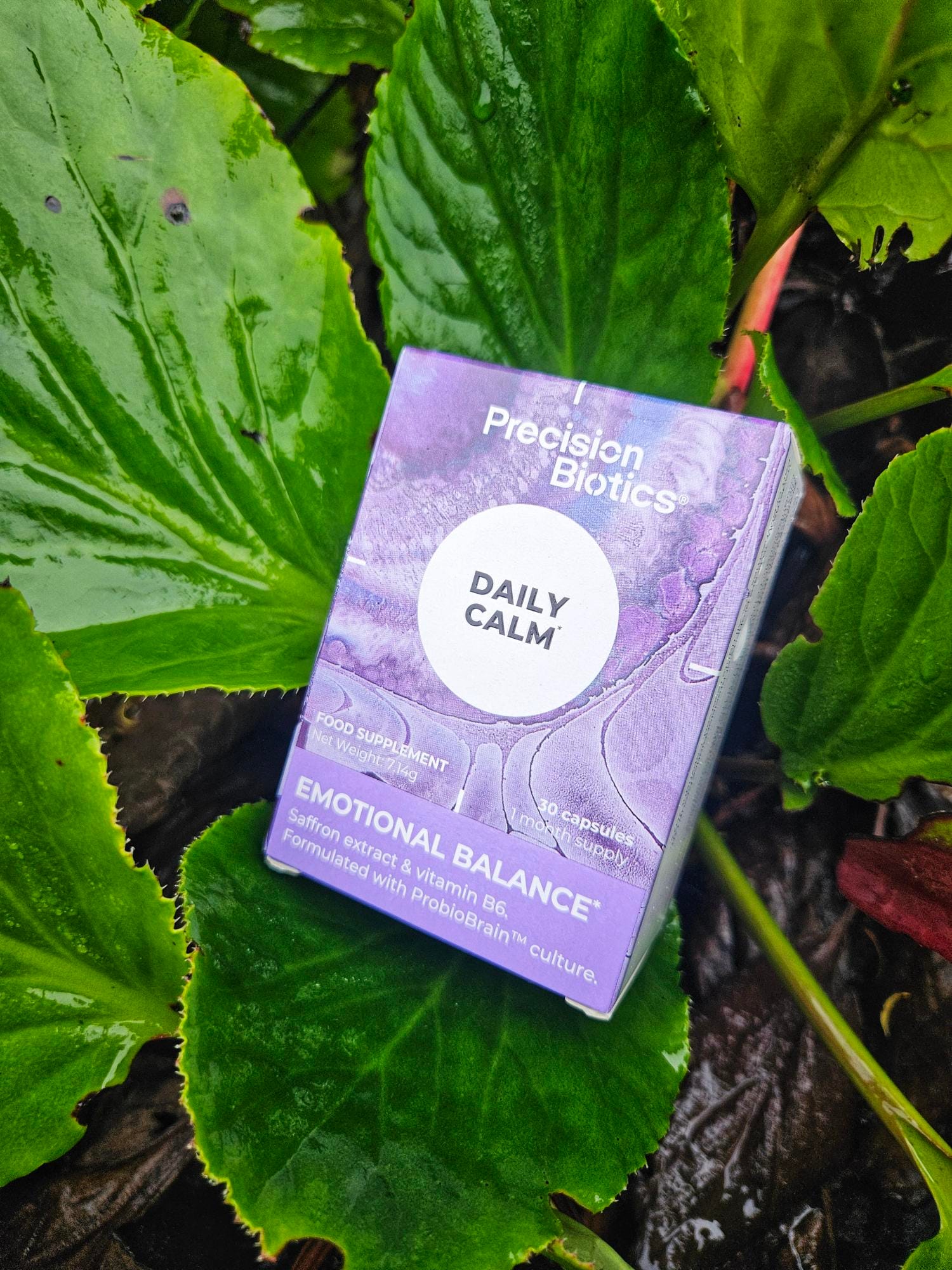
While the science of the gut-brain axis is complex, managing the resulting physical symptoms often comes down to actionable, consistent changes in your daily routine.
Six Daily Strategies for a Calmer You
- Relax and De-stress: Dr. Nisa Aslam suggests scheduling time for calming practices like breathwork or yoga. Making relaxation a non-negotiable part of your day is key to managing the stress that fuels gut distress.
- Make Sleep a Priority: Aim for seven to eight hours nightly and maintain a regular sleep schedule, even on weekends. Winding down an hour before bed and removing screens helps your gut maintain its natural rhythm.
- Move Your Body: Exercise is proven to improve resilience to stress and support a healthier gut microbiome. Moderate intensity activity like walking, swimming, or weight training can often help alleviate symptoms like constipation.
- Chew Your Food: Slow down your eating and chew properly—aiming for 15 to 20 chews per mouthful—to aid your digestive system. Sitting at a table without technology can help you be more present during meals.
- Refine Your Diet: Focus on whole foods like lean proteins, whole grains, and colourful fruits and vegetables. While 54% of Brits drink fluids and 49% eat more fibre, only 28% eat probiotic-rich foods like kefir or yoghurt.
- Consider Targeted Probiotics: Though only 22% of those questioned take a probiotic supplement, they offer a direct way to support the gut microbiome. PrecisionBiotics offers scientifically-backed options that deliver live, beneficial bacteria designed to survive the stomach and reach the gut.
Targeted Support with PrecisionBiotics
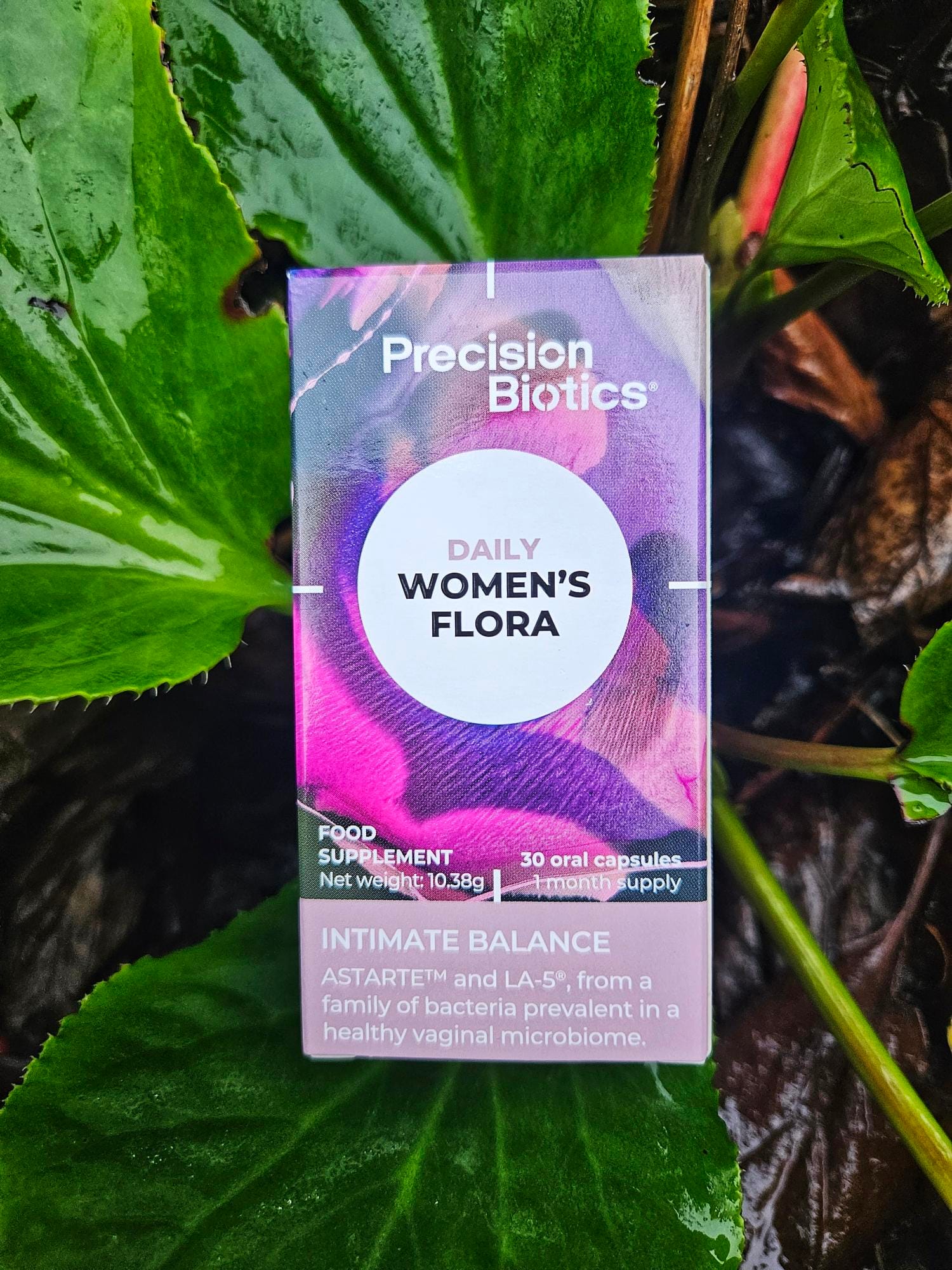
The PrecisionBiotics range provides evidence-based support for the gut-brain axis:
- To support relaxation and emotions Daily Calm® Emotional Balance contains 1 billion colony forming units (CFU) of clinically proven Bifidobacterium longum 1714™, enhanced by 30mg of saffron extract to contribute to emotional balance and relaxation as well as and 1.4mg of vitamin B6, which support normal psychological function.
- The Zenflore® Daily Mental Wellness Supplement contains 10^9 live Bifidobacterium longum strain 1714™alongside a powerful blend of vitamins B6 and B12. These both contribute to the reduction of tiredness and fatigue and Pantothenic acid which contributes to normal mental performance.
- Alflorex® Original, aone-a-day daily gut health supplement packed with 10^9 live Bifidobacterium longum 35624™bacteria, a clinically studied strain which mothers pass to their infants. Prefer a chewable tablet? Alflorex® Chewable delivers the same bacterial strain of Bifidobacterium longum 35624™.
- Alflorex® Children 30 Powder Sachets, specifically targeted to children age 3 and up, delivers 1 x 10⁸ (1 billion Colony Forming Units (CFU) of live Bifidobacterium longum 35624™in an easy to dissolve powder with a hint of vanilla flavour.
- For extra calcium support, try Alflorex® + Calcium – A Daily Gut Health Supplement, which combines 10^9 live Bifidobacterium longum 35624™with 120 milligrams (mg) of calcium. This supports normal function of digestive enzymes and a healthy digestive system.
- Alflorex® Dual Action Daily Gut & Brain Health Supplement has around 1 billion bacteria from the Bifidobacterium longum strains 35624™ and 1714™ plus 120mg of calcium, 6mg of pantothenic acid and 1.4mg of vitamin B6. Calcium plays a key role in supporting the normal function of digestive enzymes, ensuring proper digestion and nutrient absorption, leading to a healthy digestive system.
By recognising the powerful link between a busy mind and a troubled gut, and by making consistent, practical changes supported by scientific insights, you can take control of your digestive comfort and overall well-being.

1 comment