
A family motorhome adventure is a UK holiday style in which your vehicle serves as both transport and a live-in base camp. That simple setup matters because kids do not pause their needs just because you are travelling.
Motorhome travel turns the journey into part of the fun. You can stop for a snack the moment hunger hits, pull over when a toddler needs a reset, and keep a familiar bedtime routine even when the view outside is new.
The UK suits this travel style because coasts, forests, and hills are within easy reach, and family-friendly campsites are widespread.
In this guide, you will learn why exploring the UK by motorhome works so well for children, what types of motorhomes suit family life, which outdoor destinations are easiest with kids, and how to plan, pack, and stay safe on the road.
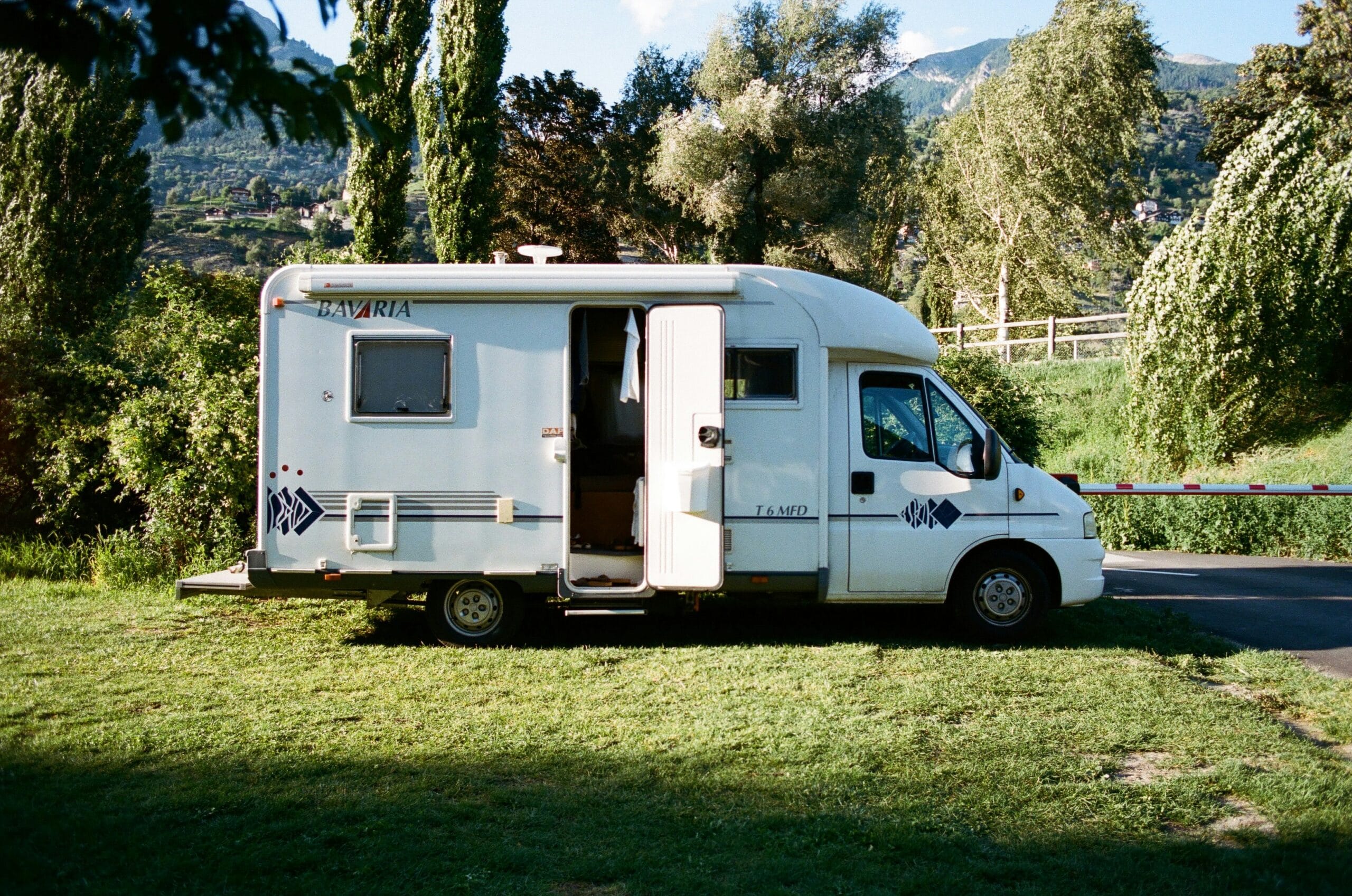
Why are motorhome holidays becoming popular for families in the UK?
Motorhome holidays are becoming popular among UK families because they offer freedom without sacrificing comfort. When your accommodation moves with you, your day can flex around naps, weather, and energy levels.
A motorhome reduces the stress of strict check-in times and crowded travel hubs. It also makes “small problems” easier to solve, because you carry food, spare clothes, and a quiet space wherever you go.
Families also like the way motorhome trips spread costs across choices. You can self-cater more often, choose simpler campsites, and decide in the moment whether today is a big activity day or a slow outdoor wander.
Most of all, motorhome travel makes the outdoors feel accessible. A short drive can place you beside a lake, a beach, or a trailhead, and children get the kind of daily nature time that is hard to replicate on a fixed-location holiday.
What is a motorhome, and how does it work for family travel?
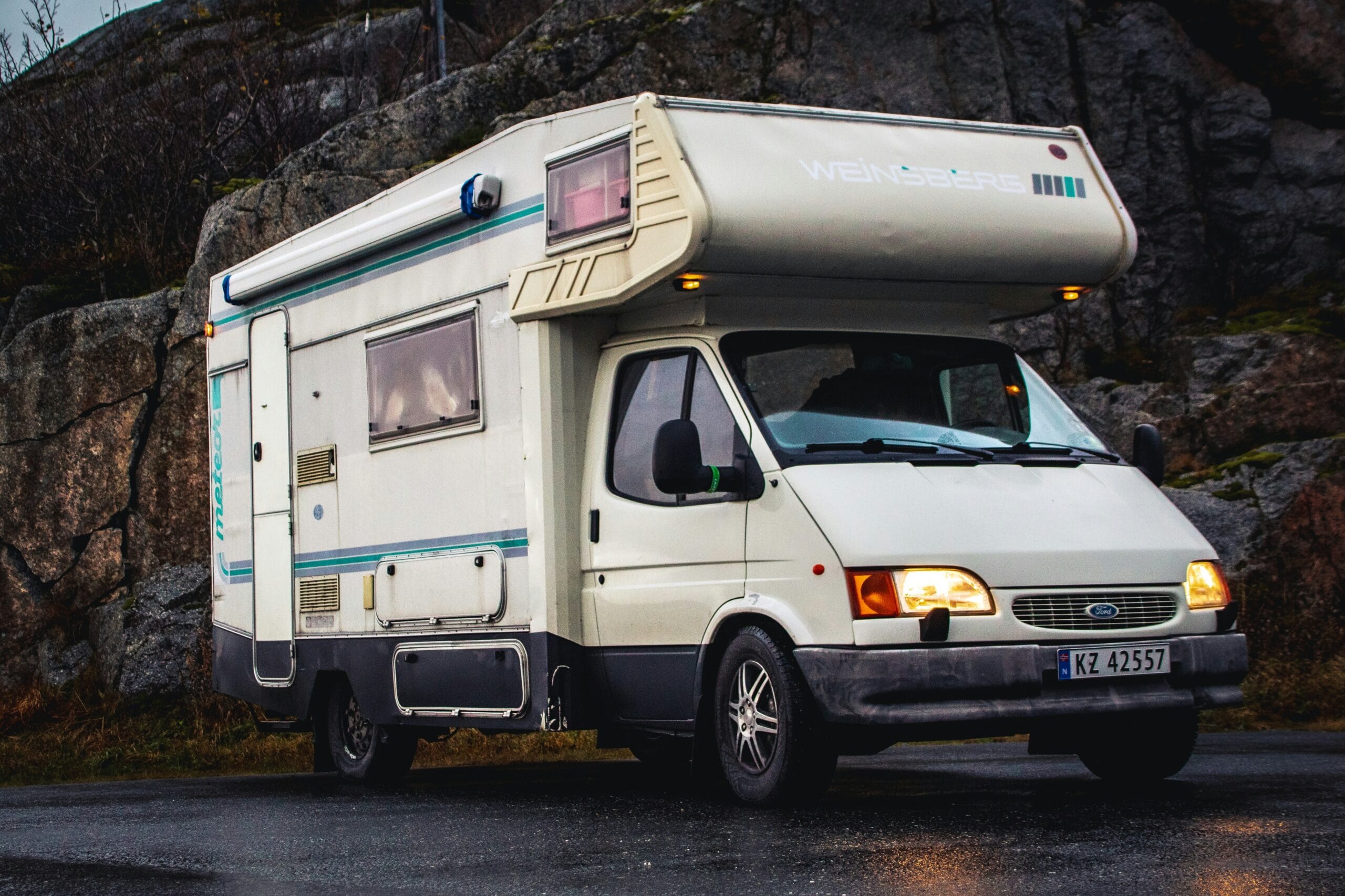
A motorhome is a self-contained recreational vehicle that combines a driving cab with living spaces like beds, seating, and a kitchen. For families, that design creates a predictable home base that travels with you.
Most motorhomes include belted seats for travel, a lounge or dinette for meals, and storage for family gear. Many also have a toilet, and that single feature can rescue a long drive when a child needs a sudden stop.
Motorhome travel runs on a few simple systems. Fresh water is a supply you top up, and waste water is a tank you empty at a service point.
You will see terms like ‘motorhome broker’ and ‘motorhome trader’ when you shop. If you want a quick way to see real UK floorplans, browsing The Motorhome Trader mid-research can clarify sizes, price bands, and kid-friendly layouts without guesswork.
What types of motorhomes are suitable for families?
Family-friendly motorhomes are a category of leisure vehicles that group similar builds by size and interior layout.The main types are coachbuilt motorhomes, A-Class motorhomes, and campervans.
Coachbuilt motorhomes
A coachbuilt motorhome is a motorhome built on a base vehicle with a wider living body added behind the cab. This type often works for families because bunks and overcab beds make sleeping arrangements straightforward, with storage for outdoor kits.
A-Class motorhomes
An A-Class motorhome is a motorhome with an integrated cab and living area built as one body. This type can feel spacious and bright, which helps on longer trips.
Campervans
A campervan is a compact motorhome built within a standard van body, often with pop-top sleeping or fold-out beds. This type is easier to drive and park, and it suits weekends and quick breaks, but space is tighter, so packing needs discipline.
What are the benefits of motorhome travel for children?
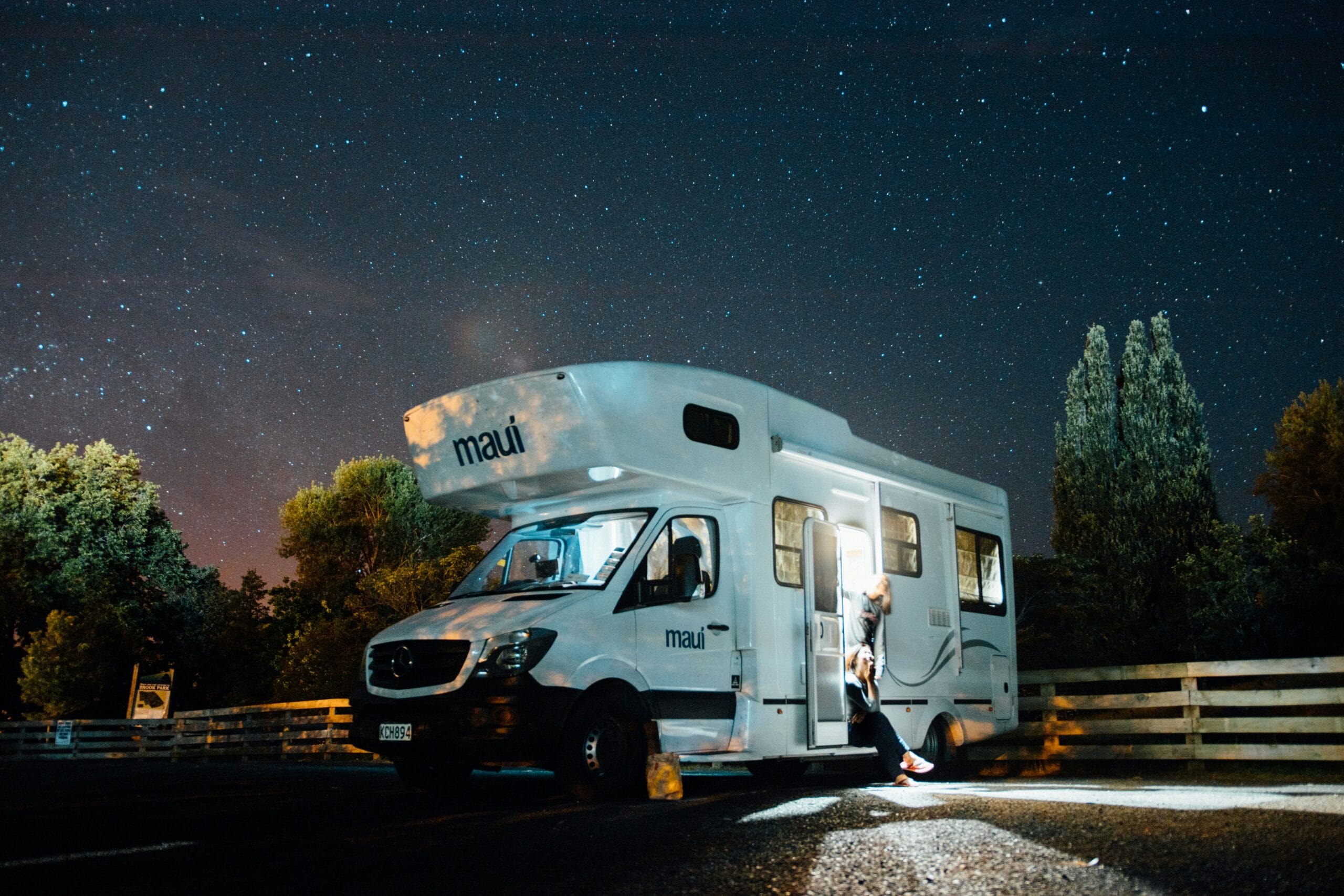
Motorhome travel gives children comfort, variety, and outdoor access, while giving parents more control over the pace of the day. It replaces “endure the drive” with “live the day,” because your base is always close.
Kids respond well to familiarity. A motorhome keeps the same pillow, the same favourite cup, and the same bedtime cues, and that stability lowers stress in new places.
At the same time, the landscape shifts constantly. A child can wake up near a beach, eat lunch beside a forest, and fall asleep after a hill walk, and the day still feels joined-up rather than scattered.
There are 6 key advantages that show up on most family motorhome trips:
- Encourage outdoor curiosity by making nature the default playground.
- Reduce travel friction by allowing breaks, snacks, and toilet stops exactly when needed.
- Support better sleep by keeping familiar routines and comforts consistent.
- Create learning moments by turning maps, wildlife, and weather into hands-on lessons.
- Build confidence by letting kids help with simple “van jobs” like setting the table.
- Strengthen bonding by sharing space, shared routes, and shared discoveries.
What are the best outdoor destinations in the UK for motorhome families?
The best UK motorhome destinations for families are places with easy outdoor activities, good campsite options, and short travel hops between highlights. A strong region gives you simple wins, like walks that feel adventurous but stay manageable for small legs.
Motorhome travel also works best where you can mix “big nature” with practical comforts. That means places with viewpoints and beaches, as well as villages where you can warm up, refuel, and reset.
Plan for variety, not intensity. One main outdoor activity, one easy treat stop, and plenty of unhurried time is a realistic formula for happy kids.
There are 6 destinations that consistently work well for families:
- Lake District: Lakeside paths, gentle hikes, and boat trips.
- Cornwall coast: Beach days, rockpooling, and short coastal walks.
- Peak District: Easy trails, caves, and village lunch stops.
- Yorkshire Dales: Waterfalls, valleys, and farm visits.
- Snowdonia National Park: Heritage railways and big-scenery family walks.
- Scottish Highlands: Scenic drives, wildlife spotting, and lochside routes.
How to plan a family motorhome adventure in the UK
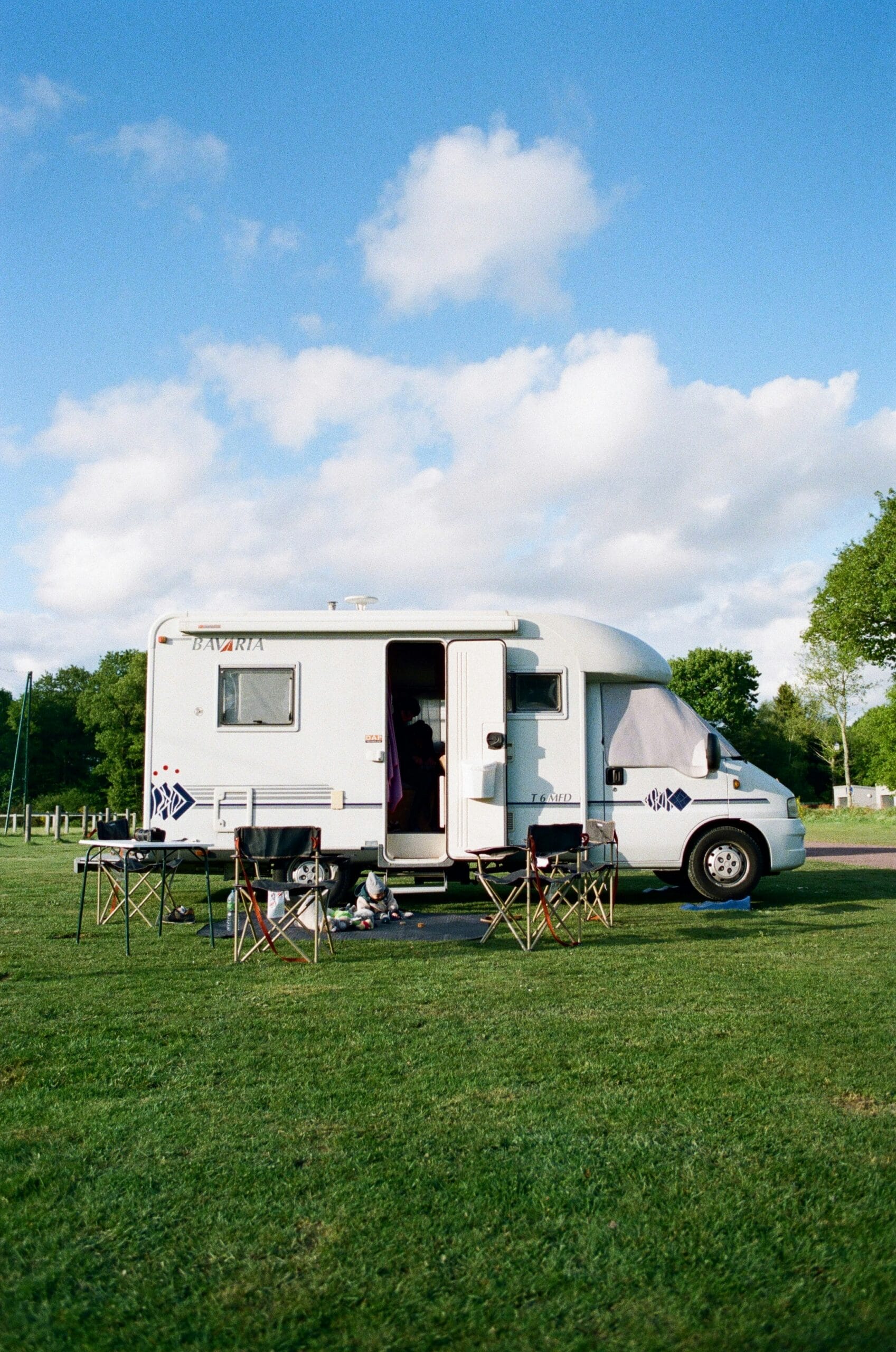
Planning a family motorhome adventure means matching the vehicle to your family, building a realistic route, and keeping logistics simple. You want a plan that creates breathing room, because kids need time, not just destinations.
Start with the motorhome layout. A layout is a living system that controls sleep, meals, storage, and movement, and that system shapes every day of the trip.
Then design your route around children, not adult ambition. Short driving blocks, frequent outdoor stops, and a clear end-of-day destination reduce meltdowns and make the holiday feel calm.
If you are upgrading, selling can be part of the plan. Families use motorhome valuation services, follow a motorhome valuation guide, and learn how to value their motorhome before they sell their used motorhome. You will also see phrases like “sell my motorhome,” “sell your motorhome,” or “we buy your motorhome” when people switch to a better family setup.
There are 5 steps that make planning reliable:
- Choose the right motorhome: Match seatbelts, sleeping spaces, and storage to your family size and season.
- Plan your travel route: Build a loop with short driving days and add buffer stops, such as parks or viewpoints.
- Book campsites or motorhome parks: Prioritise safe play areas, clear arrivals, and clean facilities.
- Pack essential supplies: Pack for wet weather, messy kids, and quick meals, and treat comfort as safety.
- Prepare children for the journey: Explain the plan, involve them in choosing stops, and keep rituals consistent.
What should families pack for a motorhome holiday?
Family motorhome packing prioritises comfort, safety, and quick recovery from mess. The best packing list is a set of tools for common situations. Think in scenarios. A wet-day kit and a fast-lunch kit prevent small problems from becoming crises.
The UK climate demands flexibility. Even in summer, a bright morning can turn into drizzle, and kids will soak through layers faster than most adults expect.
Wet wipes and a “mud bag” keep the living space livable. Use small boxes so kids can find gear without having to empty cupboards.
There are 6 essentials that cover most trips without overpacking:
- Outdoor layers and waterproofs: Warm, quick-dry pieces and easy changes after puddles or beach days.
- Simple cooking kit: A few pans, kid-proof plates, and basic staples.
- Activity gear: Bikes, scooters, a ball, or a kite, because outdoor play is the whole point.
- Entertainment for calm moments: Books, card games, colouring, and audiobooks.
- First aid and medicines: Plasters, wipes, child-safe pain relief, and regular prescriptions.
- Site and vehicle basics: Hook-up cable, levelling blocks, spare fuses, and a torch.
What are the safety considerations when travelling by motorhome with kids?
The main safety risks are loose passengers, rushed arrivals, and campsite hazards, and they are all preventable with routines. A motorhome is heavier than a car, so braking distance increases, blind spots grow, and parking needs more care.
Kids add another layer. Children wriggle, children forget rules, and children chase interesting things, so the adult system has to stay consistent.
Campsites are shared spaces. Vehicles move, cooking equipment creates hot zones, and water features attract curiosity, especially when everyone is tired after a long day outdoors.
Clear communication reduces mistakes. A holiday park entrance that uses a visible LED screen mid-approach for speed reminders, site rules, or weather alerts can help families settle safely without confusion.
There are 5 common safety pitfalls to avoid:
- Skip seatbelt discipline: Keep children in belted seats every time you drive.
- Forget weight limits: Avoid overloading and distribute gear evenly, as payload affects handling.
- Underestimate campsite traffic: Use a firm rule like “hold hands at the gate” near roads.
- Leave steps and doors unsecured: Check latches and steps, especially during quick stops.
- Let fatigue choose the schedule: Avoid late-night arrivals, because tired adults miss hazards.
Motorhome vs traditional family holidays: which is better?
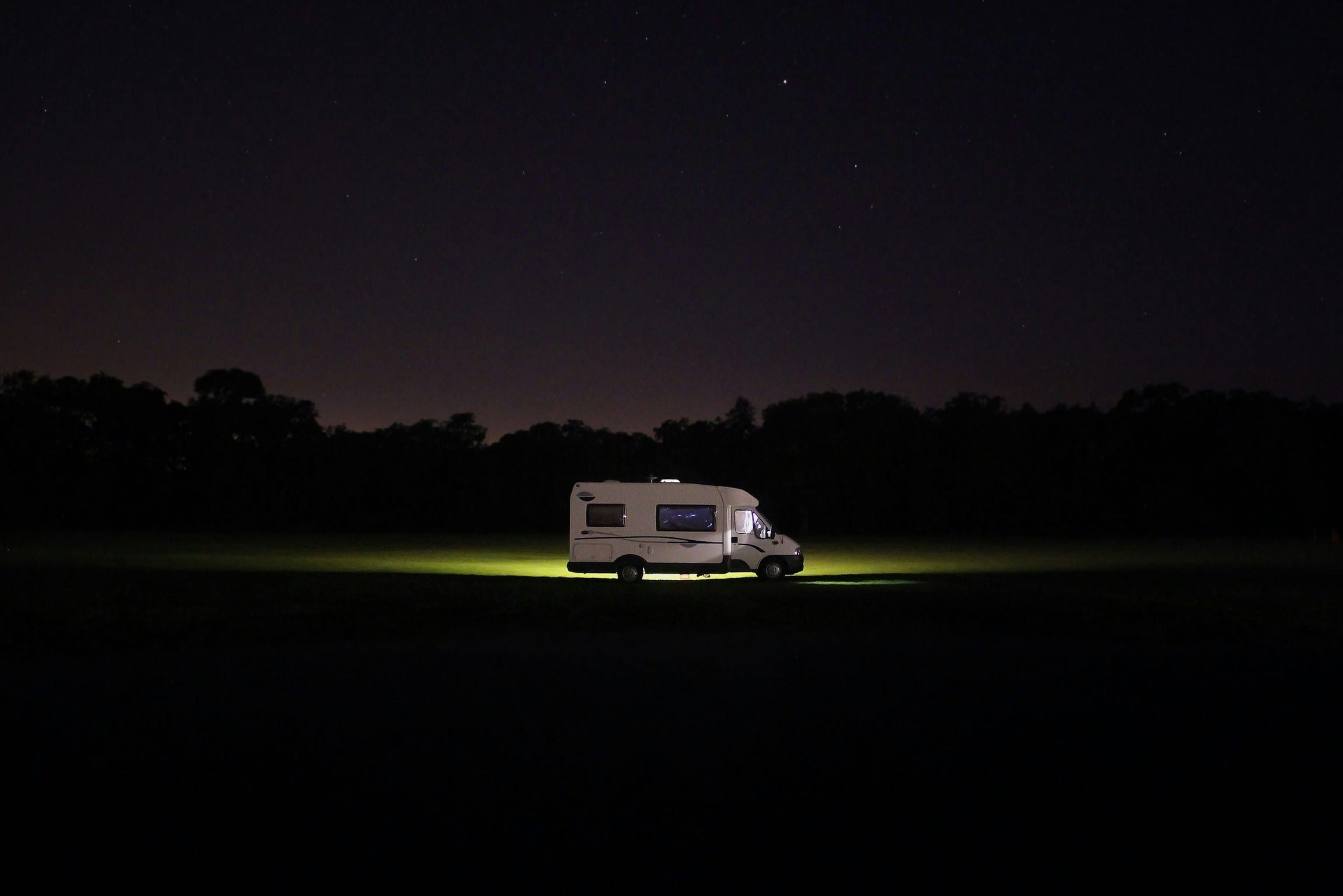
A motorhome holiday offers greater flexibility and day-to-day adaptability, while a traditional holiday is better for the simplicity of a fixed location. Your best option depends on how your family handles change, shared space, and travel time.
A hotel or cottage stay removes vehicle management. You unpack once, settle into a routine, and day trips become optional extras rather than the holiday’s structure.
A motorhome trip shifts that structure. You manage water, waste, and parking, but you gain the power to move with the weather and put nature on your doorstep.
Costs also behave differently. Traditional holidays often concentrate spending into accommodation and eating out, while motorhome travel spreads spending across fuel, campsite fees, and vehicle hire or ownership, and self-catering can lower food costs.
| Factor | Motorhome holiday | Traditional holiday (hotel/cottage) |
| Flexibility | High, you can change route | Lower, bookings lock plans |
| Comfort for kids | Familiar base and routines travel | More room per building, less setup |
| Cost control | Self-cater easily, costs spread out | Often higher eating-out spend |
| Outdoor access | Direct access to trails and coasts | Depends on location and day trips |
| Logistics | Water, waste, driving and parking | Less daily management |
Conclusion
A family motorhome holiday is an outdoor adventure format that makes the UK feel bigger and more reachable for children. It blends freedom with routine, because your base stays familiar even when the view changes.
When the route is realistic, the packing is practical, and safety is treated as a system, the experience becomes calmer. The motorhome becomes a tool for time outside, and time outside becomes the reason the holiday works.
Kids remember the simple wins, like breakfast with a sea view, puddle-jumping after a hike, and falling asleep while rain taps the roof. If you try it once, keep the first trip simple.
Pick one region, choose short driving days, and let kids set the pace, because the best memories usually come from unplanned moments in the fresh air.
