
*This article contains affiliate links*
Why hydration is often a challenge for busy families
Staying properly hydrated sounds simple, but for many families, it can easily be overlooked in the middle of busy routines, school runs, work, and activities.
Children in particular may:
- Forget to drink regularly
- Avoid water in favour of sweeter drinks
- Not recognise early signs of thirst
- Become distracted and skip drinking altogether
According to health guidance, even mild dehydration can affect concentration, mood, and energy levels in children. This makes hydration an important part of daily wellbeing.
Signs your child may not be drinking enough water
Before improving hydration, it helps to recognise the signs that intake may be too low.
Look out for:
- Headaches or tiredness
- Dry lips or mouth
- Dark yellow urine
- Difficulty concentrating
- Irritability, especially later in the day
These signs can be subtle, which is why building consistent hydration habits is key.
Top hydration tips for busy families
1. Make water easily accessible at all times
One of the simplest ways to improve hydration is to reduce effort.
Children are more likely to drink when:
- Water is always within reach
- Bottles are easy to use and appealing
- They do not need to ask or be reminded constantly
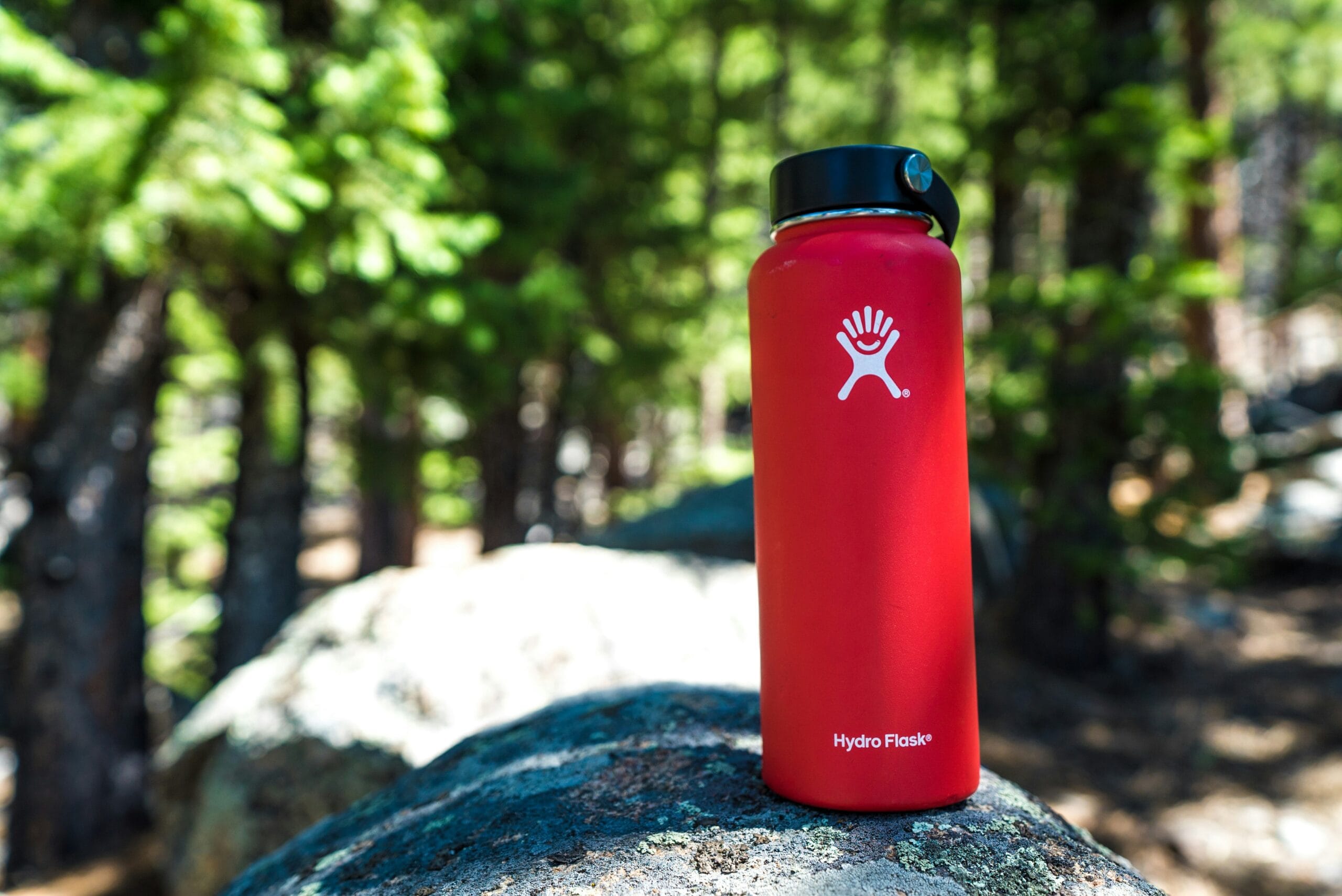
Having a dedicated water bottle for school, home, and activities can make a noticeable difference.
2. Build hydration into daily routines
Just like brushing teeth or getting dressed, drinking water can become part of everyday habits.
For example:
- A drink with every meal
- Water before leaving the house
- A drink after physical activity
- Water kept by the bedside
Routine removes the need for constant reminders.
3. Use visual cues and reminders
Children often need prompts, especially when they are busy or distracted.
Helpful strategies include:
- Marked water bottles showing how much to drink
- Setting gentle reminders during the day
- Linking drinking water to specific activities
These cues help turn hydration into a consistent habit.
4. Add natural flavour when needed
Some children simply find plain water unappealing.
To encourage drinking:
- Add slices of fruit such as lemon, orange, or berries
- Use reusable infusion bottles
- Offer chilled water, which some children prefer
This can make water more interesting without relying on sugary drinks.
5. Lead by example
Children are more likely to adopt habits they see regularly.
If parents:
- Drink water throughout the day
- Choose water over sugary drinks
- Talk positively about hydration
Children are more likely to follow.
6. Encourage drinking around activity
Hydration is particularly important during and after physical activity.
Make it a habit to:
- Offer water before sports or play
- Encourage regular sips during activity
- Rehydrate afterwards
This reinforces the link between movement and hydration.
7. Offer hydrating foods alongside drinks
Hydration does not come from drinks alone.
Foods with high water content include:
- Watermelon
- Cucumber
- Strawberries
- Oranges
- Yoghurts
Including these in snacks can support overall hydration.

What to avoid when encouraging hydration
1. Relying on sugary drinks
While juices and flavoured drinks may seem like an easy solution, they can:
- Increase sugar intake
- Reduce appetite for water
- Create long-term habits that are difficult to change
Water should remain the primary drink.
2. Waiting until children say they are thirsty
Thirst is often a late sign of dehydration. Encouraging regular drinking throughout the day is more effective than reacting once children feel thirsty.
3. Turning hydration into a battle
Pressuring children to drink can create resistance. Instead:
- Keep it low-pressure
- Offer choices where possible
- Focus on consistency rather than forcing behaviour
4. Ignoring individual preferences
Some children prefer:
- Cold water over room temperature
- Bottles with straws over open tops
- Smaller, more frequent drinks
Adapting to these preferences can improve success.
How much water do children need?

Hydration needs vary depending on age, activity level, and weather. As a general guide, children should drink regularly throughout the day, with increased intake during warmer weather or physical activity.
According to health recommendations, water should make up the majority of a child’s fluid intake.
Making hydration realistic for everyday family life
For busy families, the key to improving hydration is simplicity.
Focus on:
- Easy access to water
- Consistent routines
- Small, manageable changes
Even simple adjustments can lead to noticeable improvements in energy, focus, and overall wellbeing.
Final thoughts: small habits, lasting impact
Top hydration tips for busy families do not need to be complicated. What matters most is consistency and creating an environment where drinking water becomes a natural part of the day.
According to health experts, regular hydration supports both physical health and cognitive function in children. By building simple habits and avoiding common pitfalls, families can support better hydration without added stress.

1 comment
Building hydration into daily routines is such a practical approach, much like brushing teeth. The point about not waiting until children say they are thirsty is crucial, since thirst is often a late sign of dehydration. Making water easily accessible removes the need for constant reminders, which makes family life much smoother.