
Why are so many children fed up with school?
Across the UK and beyond, more parents are noticing a shift. Children who once seemed curious and engaged are becoming bored, frustrated, or completely switched off from school.
This is not simply a phase or a lack of effort. It reflects a growing mismatch between how children learn and how modern education is structured.
Children today are:
- More exposed to fast-paced, interactive environments outside school
- More aware of real-world opportunities and alternative paths
- Less motivated by traditional, one-size-fits-all teaching methods
According to education research, engagement drops when learning feels irrelevant, repetitive, or disconnected from real life. For many children, that is exactly how school feels.
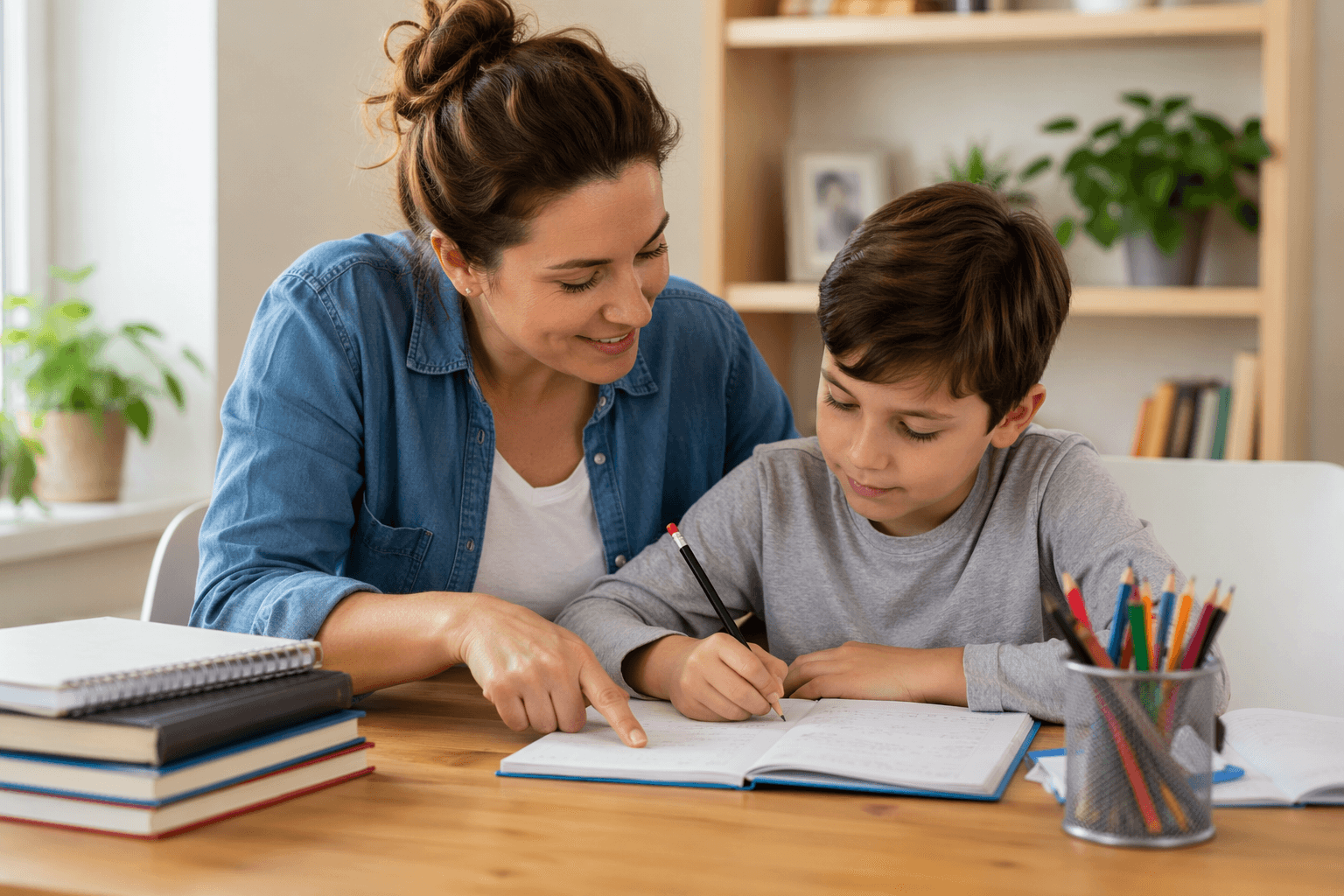
How modern education has changed (and where it struggles)
Education systems have evolved over time, but not always at the same pace as society, technology, and the needs of children.
1. A strong focus on testing and outcomes
Many schools are under pressure to meet performance targets. This often leads to:
- Teaching to the test
- A focus on grades over understanding
- Reduced time for creativity and exploration
While assessment has its place, an over-reliance on testing can make learning feel like a constant evaluation rather than a meaningful process.
2. Limited flexibility in how children learn
Children learn in different ways, yet classroom environments often rely on:
- Standardised teaching methods
- Fixed pacing
- Limited personalisation
For children who learn differently, this can lead to boredom, frustration, or disengagement.
3. A disconnect from real-world skills
Many children struggle to see the relevance of what they are learning.
They may ask:
- “When will I ever use this?”
- “Why does this matter?”
Without clear connections to real life, motivation can drop quickly.
4. Reduced opportunities for movement and creativity
Long periods of sitting, limited physical activity, and reduced creative time can make school feel restrictive. Children who are:
- Active
- Hands-on learners
- Creative thinkers
may find traditional classroom settings particularly challenging. Let’s be honest – there’s no reason that learning still needs to be done in a traditional classroom setting.
Signs a child is disengaged from education
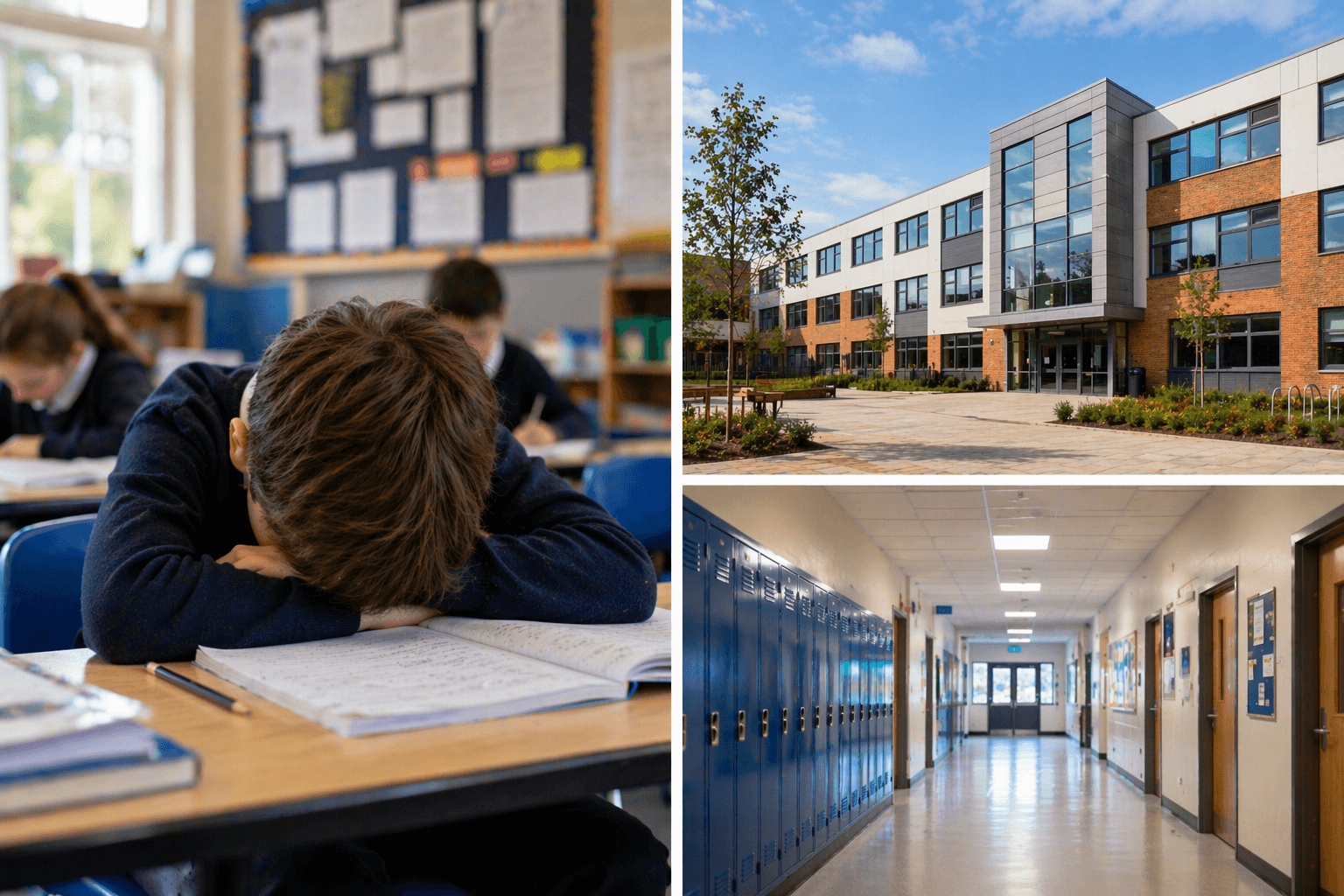
Disengagement does not always look the same in every child. Some may become quiet and withdrawn, while others may express frustration more openly. Common signs include:
- Saying school is boring or pointless
- Lack of effort despite ability
- Increased frustration or anxiety
- Loss of interest in subjects they previously enjoyed
- Avoidance of homework or school-related tasks
These signs are often misunderstood as laziness, when in reality they can reflect unmet needs.
Why this matters for children’s long-term development
When children lose motivation in school, the impact can go beyond academic performance. It can affect:
- Confidence and self-esteem
- Attitudes towards learning
- Willingness to try new challenges
- Mental wellbeing
According to child development experts, feeling capable and engaged is central to both learning and overall well-being.
What children actually need from education today
To stay engaged, children need more than just information. They need:
- A sense of purpose in what they are learning
- Opportunities to think independently
- Real-world relevance
- Recognition of their individual strengths
- A balance between structure and flexibility
Education that supports these needs is more likely to maintain motivation and engagement.
What parents can do when children feel fed up with school
While parents cannot change the education system overnight, they can play a powerful role in supporting their child.
1. Acknowledge how your child feels
When a child says they are bored or frustrated, it is important to take this seriously. Dismissing these feelings can increase disengagement. Instead:
- Listen without judgement
- Show understanding
- Avoid immediately trying to “fix” the situation
Feeling heard is often the first step towards re-engagement.
2. Focus on learning beyond school
Education does not only happen in the classroom. Parents can support learning through:
- Real-life experiences
- Conversations
- Problem-solving activities
- Encouraging curiosity
This helps children see that learning has value beyond tests and grades.
3. Build confidence outside academic performance
Children who feel disengaged at school often begin to doubt their abilities. It is important to:
- Highlight strengths outside the classroom
- Encourage interests and passions
- Celebrate effort rather than results
Confidence in one area can positively influence others.
4. Make learning feel relevant
Connecting school subjects to real life can help rebuild motivation. For example:
- Maths through budgeting or cooking
- Science through everyday observations
- Writing through creative projects
Relevance helps children see purpose.
5. Work with the school where possible
If disengagement is ongoing, it can be helpful to involve teachers. This might include:
- Discussing concerns
- Exploring alternative approaches
- Identifying areas where additional challenge or support is needed
A collaborative approach often leads to better outcomes.
6. Support emotional wellbeing
Disengagement is often linked to how a child feels, not just what they are learning. Supporting well-being includes:
- Encouraging open conversations
- Ensuring time for rest and activity
- Reducing pressure where possible
Children who feel supported are more likely to re-engage over time.
Is the education system changing?
There is growing awareness that education needs to evolve. Some schools and programmes are beginning to:
- Focus more on skills rather than memorisation
- Incorporate real-world learning
- Offer more personalised approaches
However, change is gradual, and many children are still navigating systems that do not fully meet their needs. The change required does not seem anywhere near fast enough at present.
Final thoughts: supporting children in a changing education landscape
Understanding why children are losing motivation in school is the first step towards supporting them effectively.
This is not about lowering expectations or dismissing education. It is about recognising that children learn best when they feel engaged, capable, and connected to what they are doing.
According to education experts, motivation grows when learning feels meaningful and achievable. Parents can play a key role in creating these conditions, even within the constraints of the current system.
The goal is not to fight the system, but to support children in navigating it while keeping their curiosity and confidence intact.
