
Why flying with children can feel daunting
is something many parents approach with a mixture of excitement and apprehension. The idea of travelling somewhere new is appealing, but the reality of managing airports, confined spaces, and long journeys can feel overwhelming.
There is often a sense of pressure to keep everything running smoothly, particularly when travelling in a public setting where other passengers are close by. Concerns about delays, boredom, or children becoming unsettled can make the experience feel more stressful than it needs to be.
However, flying with children does not have to be as difficult as it is often imagined. With the right expectations and a few thoughtful approaches, it can become a manageable and even enjoyable part of the journey.
Understanding what makes flying challenging for children
Air travel involves a number of elements that can be unfamiliar or uncomfortable for children. Changes in routine, long periods of waiting, and the physical environment of an aircraft can all affect how children respond.
Younger children may struggle with sitting still for extended periods, while older children may become bored or restless. Noise, crowds, and changes in pressure during take-off and landing can also contribute to discomfort.
Recognising these factors can help parents approach the experience with more understanding and less frustration.
Preparing without overcomplicating things
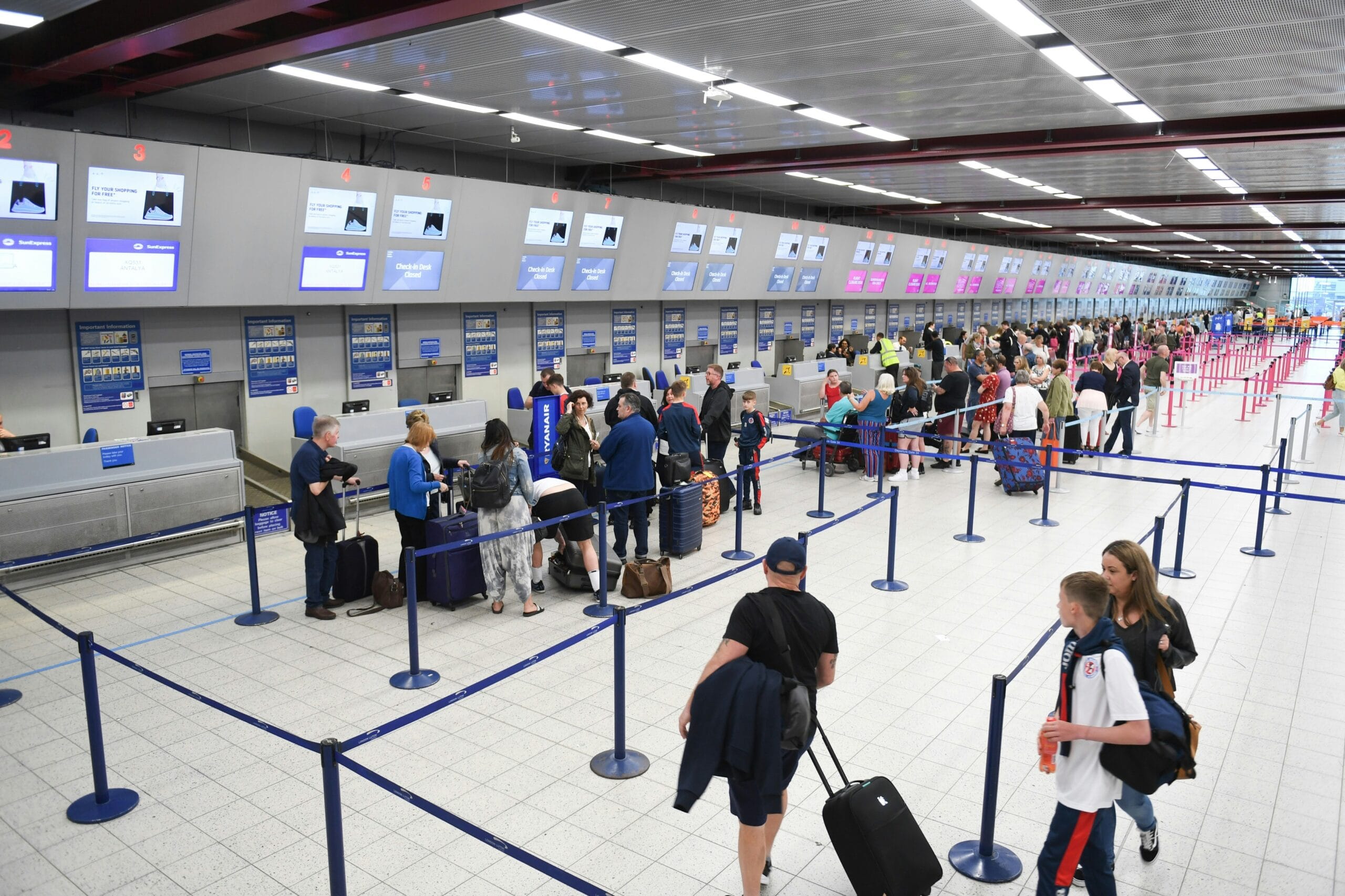
Preparation can make a significant difference, but it does not need to be excessive. Talking to children about what to expect can help reduce uncertainty. Explaining the different stages of the journey, from arriving at the airport to boarding the plane, can make the experience feel more predictable.
Packing a small number of familiar items can also provide reassurance. This might include something to read, simple activities, or comfort items for younger children. The aim is not to bring everything but to have enough to support the journey without creating additional stress through overpacking.
Allowing extra time and flexibility
One of the simplest ways to reduce stress when flying with children is to allow more time than might seem necessary.
Airports can be busy and unpredictable, and moving at a slower pace can make the experience feel far more manageable. Rushing tends to increase tension for both parents and children, while having extra time allows for breaks, snacks, and moments to reset.
Flexibility is equally important. Not everything will go exactly to plan, and being able to adapt to changes can help prevent small challenges from becoming larger problems.
Managing the flight itself
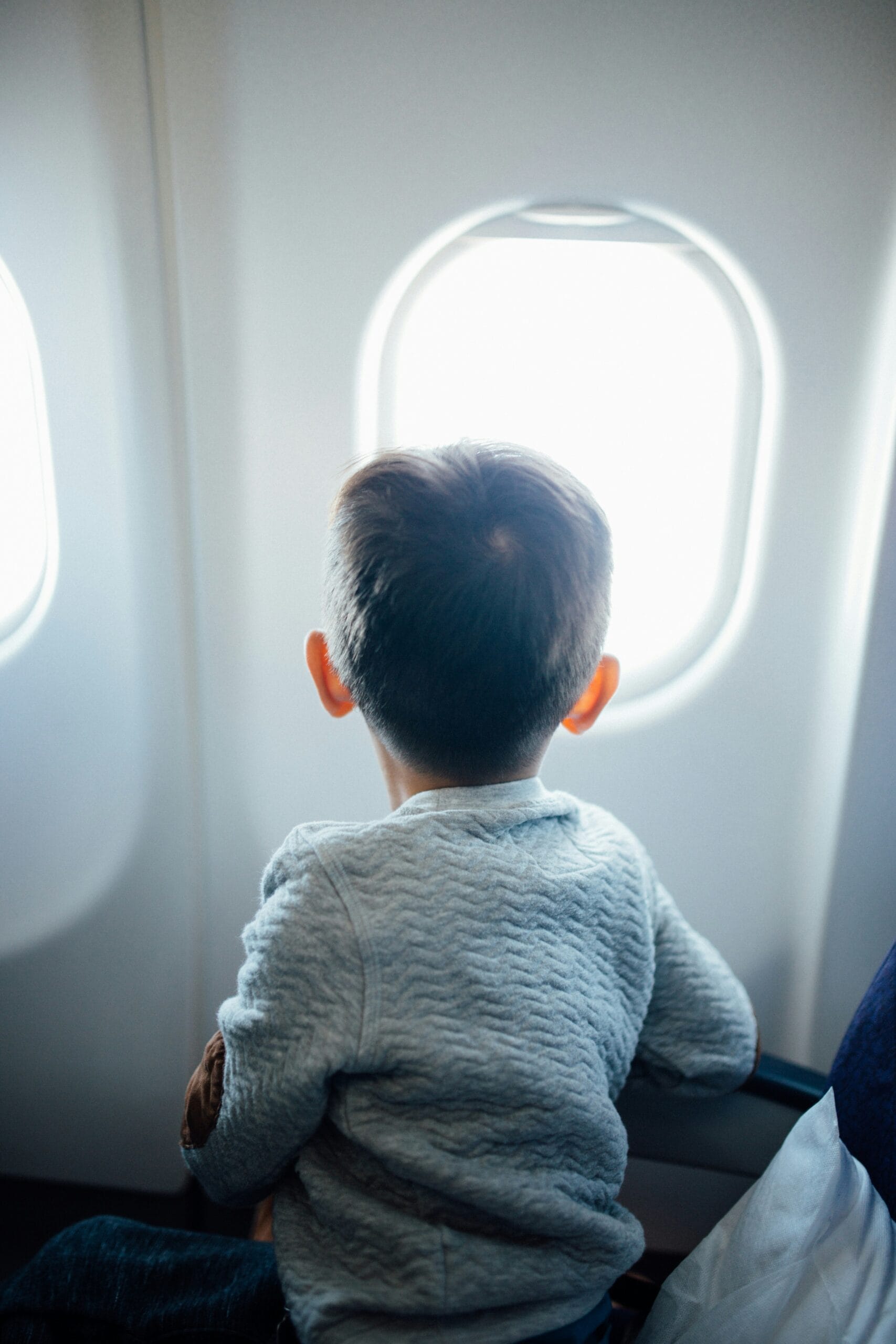
Once on board, the focus often shifts to keeping children comfortable and occupied. Rather than trying to fill every moment, it can help to think in terms of variety. Short activities, small breaks, and simple changes in focus can help pass the time more easily than relying on a single form of entertainment.
Snacks can also play a useful role, both as a distraction and as a way to maintain energy levels. For younger children, having something to drink or chew during take-off and landing can help with changes in air pressure.
It is also worth remembering that it is normal for children to move around, ask questions, or need attention. Expecting complete stillness for the entire flight is not always realistic.
Letting go of unnecessary pressure
One of the biggest sources of stress when flying with children is the feeling of being judged by others. While it is natural to be considerate of fellow passengers, it is also important to recognise that children are not expected to behave like adults. Most people understand that travelling with children can be challenging, and brief moments of noise or restlessness are part of the experience.
Letting go of the expectation that everything must be perfect can make a significant difference to how the journey feels.
Keeping the bigger picture in mind
It can be easy to focus on the flight itself as the most difficult part of the trip. In reality, it is usually a relatively short stage in the overall experience.
Keeping the destination in mind can help put things into perspective. The temporary challenges of travel are often outweighed by the experiences that follow.
For children, the journey can also become part of the adventure, particularly when it is approached with a calm and positive attitude.

Final thoughts
Flying with children is rarely completely straightforward, but it does not need to be overwhelming. By preparing in a simple and realistic way, allowing time for flexibility, and keeping expectations manageable, families can approach air travel with greater confidence.
Over time, each trip becomes easier. Both parents and children become more familiar with the process, and what once felt stressful can begin to feel routine.
The aim is not to eliminate every challenge, but to create an experience that feels manageable and allows everyone to arrive ready to enjoy the trip ahead.

7 comments
Withdrawal reliability is the most honest indicator of how a platform views its users and finding somewhere that processes the full financial cycle with equal efficiency changed how I thought about platform trust entirely. If this matters as much to you as it did to me just click here and the difference will be immediately apparent.
Plan around your child’s routine, pack snacks and activities, and stay calm and flexible to make flying smoother for both your family and other passengers.
Such helpful tips for traveling with kids! Flying with children can be so stressful but these practical suggestions make it seem much more manageable. The snack ideas and entertainment suggestions are particularly useful.
Great tips for traveling with kids! This will be helpful for our next family trip.
I recently explored the Boomerang platform and found it to be well-designed, easy to navigate, and suitable for users looking for a smooth online gaming experience. The website features a clean layout, clearly organized sections, and fast-loading pages that make browsing enjoyable and efficient. Whether accessing the site from a desktop or mobile device, the overall performance feels responsive and user-friendly. https://boomerang-au.bet/ I also appreciated how straightforward it was to find relevant information and explore the available features without confusion. The platform creates a positive first impression thanks to its modern presentation and intuitive structure, making it comfortable to use for both new and experienced visitors.
I came across this platform recently and I’m glad I did. Spinsy has a clear layout and everything responds quickly. It’s easy to find what you’re looking for and there’s no clutter. I’ve been using it for a few weeks now and it’s been a smooth experience from the start. Definitely worth checking out.
Look, I’ve been spinning pokies online for years, and honestly, most casinos are full of it. Huge bonuses that you can never actually withdraw, slow support, and games that feel rigged. So when I stumbled across V8Spin, I wasn’t expecting much. But damn, was I wrong. Sign-up took like two minutes, no messing around, and I was straight into the games. The selection is massive – heaps of pokies from top providers, and they actually run smooth on my phone, which is a big deal for me since I mostly play on the go. v8spin really surprised me. The welcome bonus actually gave me a decent bankroll to play with, and the wagering requirements weren’t ridiculous like most places. I’ve cashed out a few times now, and the money hits my account fast, no drama. Support is super responsive too, which is rare these days. If you’re looking for a solid casino that actually delivers, give it a crack. Highly recommend, no cap.