
When grandparents visit, comfort and safety matter. Preparing accessible spaces supports independence and a sense of belonging. Bathrooms are often the most challenging areas, as standard baths and showers may not suit those with reduced mobility.
Walk in showers provide level access and slip-resistant flooring. These features remove the need to step over high edges and help reduce the likelihood of falls. Support rails and integrated seating make washing easier and more stable. Many families choose these designs to create a safer and more independent bathing space for guests of different ages and abilities.
Home design trends show growing interest in accessible fixtures. The National Kitchen & Bath Association’s 2026 Bath Trends Report highlights the rise of universal design in renovation projects. In both compact flats and larger homes, corner units and wet rooms work well where space is limited, combining safety with a cohesive visual style.
Why Bathroom Accessibility Matters for Visiting Grandparents
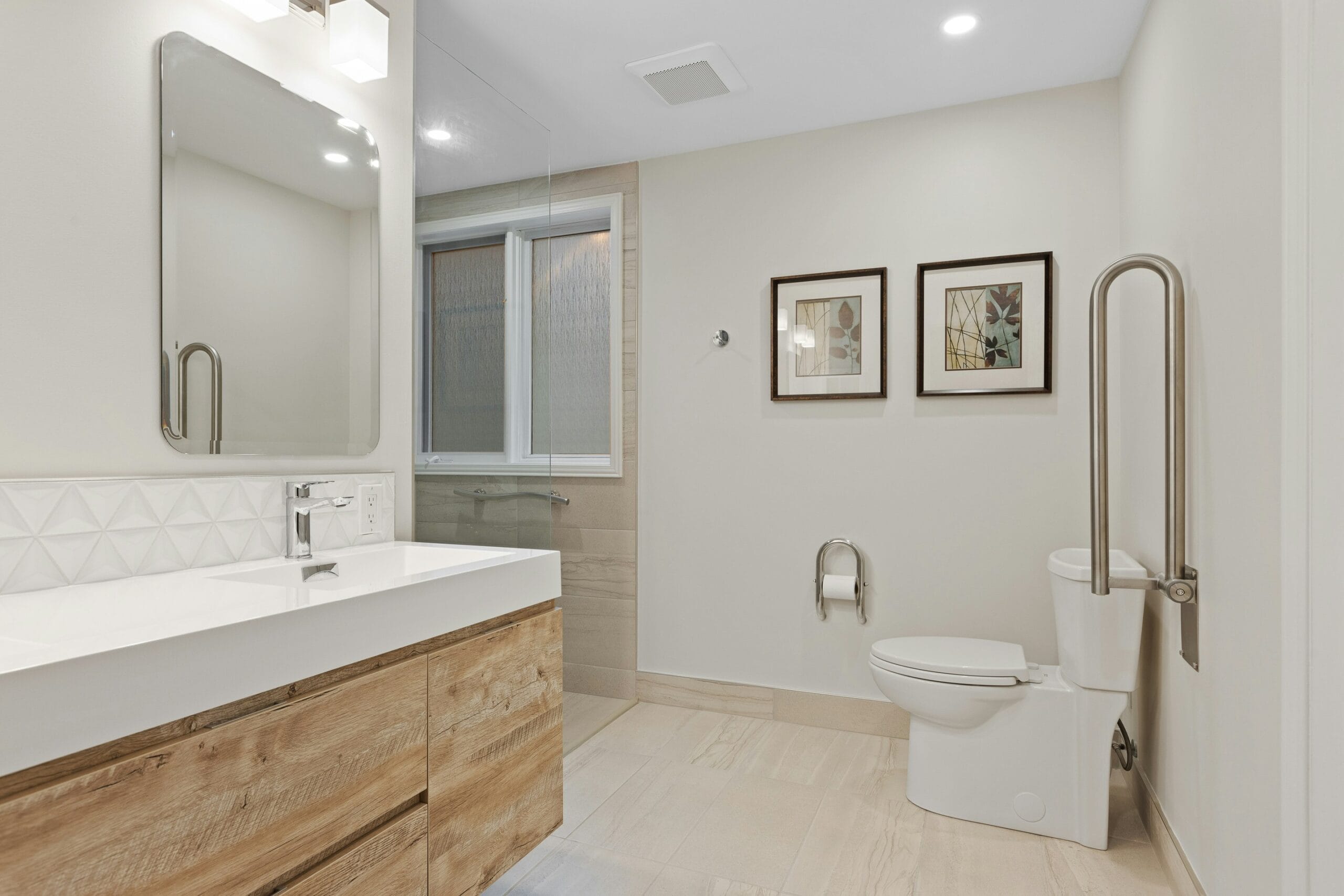
Bathrooms present higher risks for older visitors, particularly around baths with raised sides and slippery surfaces. Entering and exiting traditional tubs increases the chance of injury. For this reason, many families review bathroom layouts before planned visits.
Unfamiliar layouts can also create anxiety for guests who experience mobility challenges. Without supportive features, older visitors may rely on family members for assistance, which can affect privacy and confidence. Removing high thresholds and adding stable supports helps maintain dignity during short stays.
Accessible walk in showers reduce physical barriers by removing raised thresholds and providing stable, level entry for older adults. This type of layout supports safer movement, improves balance and allows visiting grandparents to use the bathroom with greater confidence and independence.
Common mobility challenges include difficulty stepping over bath edges, maintaining balance on wet surfaces and standing for extended periods. Limited flexibility and reduced grip strength can make traditional taps and controls harder to manage. Poor lighting and a lack of grab rails further increase risk.
Essential Features of Accessible Shower Spaces
A low-threshold or level-entry design is central to accessibility. Some walk in shower models feature a minimal lip of only a few centimetres, while others provide fully flush access suitable for mobility aids.
Slip-resistant flooring reduces the likelihood of accidents. Modern trays use textured surfaces or specialist coatings designed to maintain grip when wet while remaining comfortable underfoot.
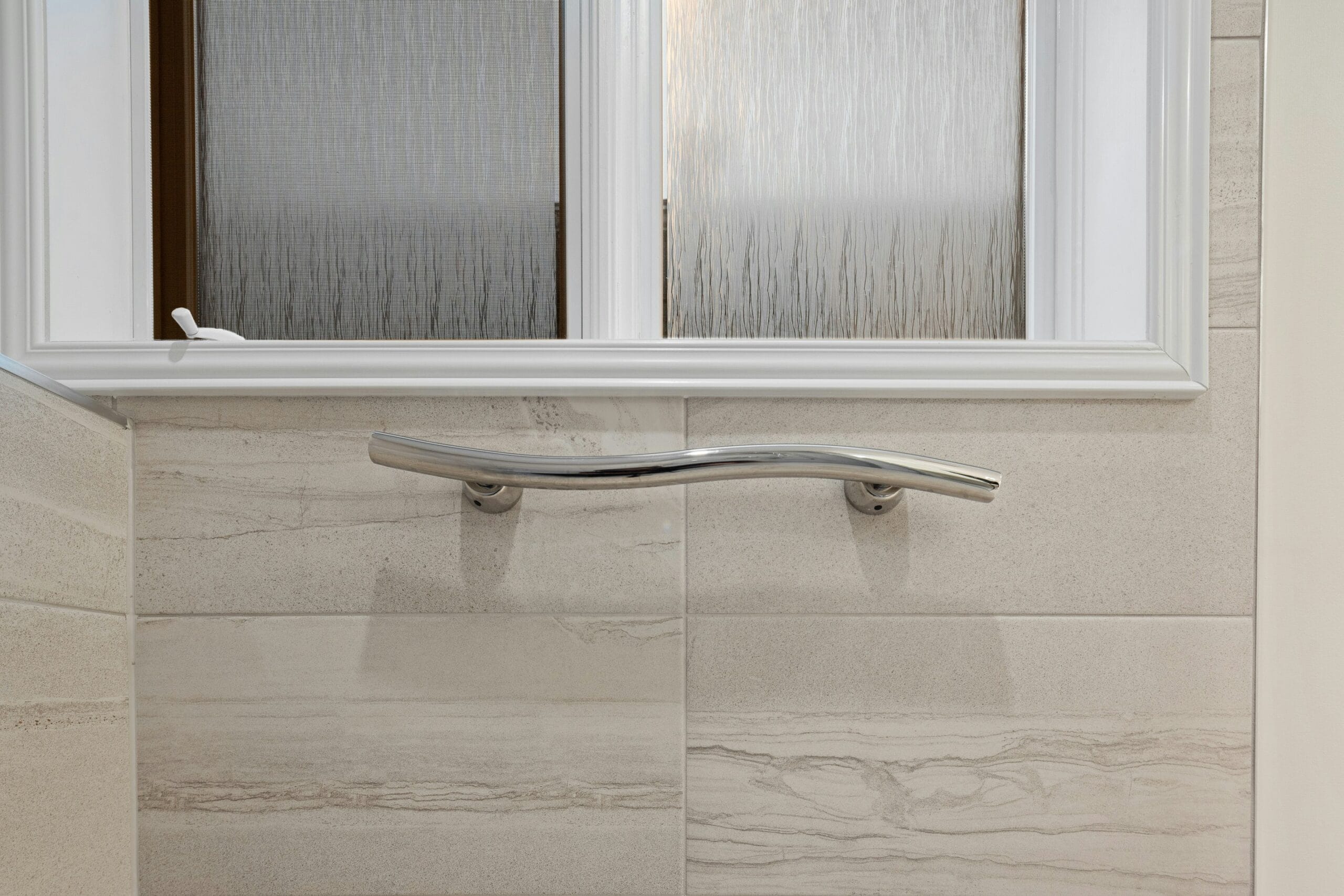
Grab bars provide balance support when positioned at both seated and standing heights. Secure installation into wall studs ensures reliability under weight.
Seating options reduce fatigue and help prevent falls. Built-in benches, fold-down seats or stable removable stools allow users to sit while washing. Designs with drainage openings help prevent water build-up.
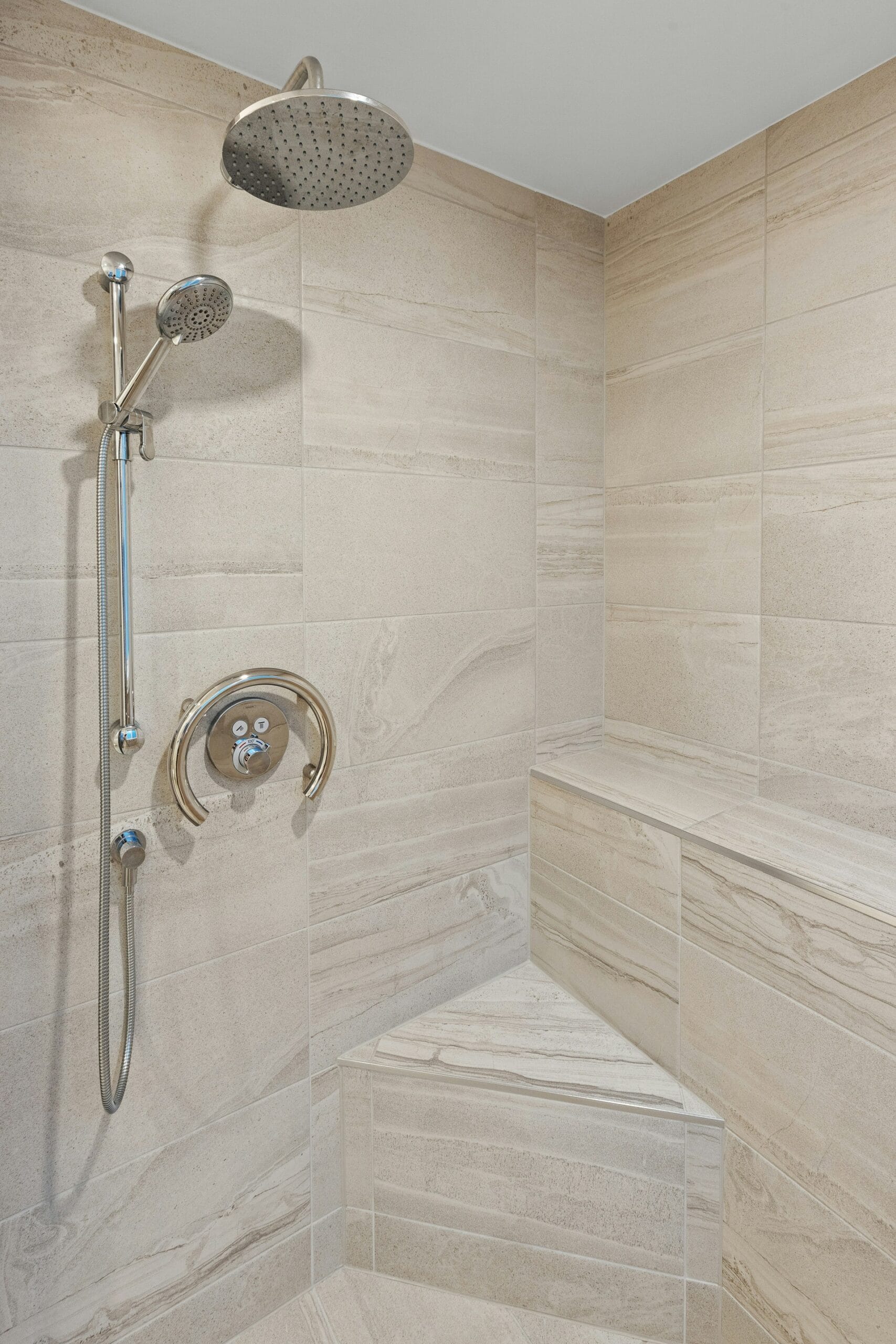
Thermostatic controls reduce the risk of scalding by maintaining consistent water temperature. Maintaining safe systems also aligns with hot and cold water system safety, particularly in households where older visitors may have reduced temperature sensitivity.
Shower Controls and Accessibility
Control placement affects usability. Mounting controls between 1000 and 1100mm from the floor allows access from both standing and seated positions. This reduces the need for stretching or bending.
Lever-style handles are generally easier to operate than traditional taps. Single-lever mixers simplify control of both water flow and temperature.
Handheld shower heads with extended hoses allow greater flexibility. A hose of at least 1.5 metres enables comfortable use from a seated position and should include a secure holder within easy reach.
Smart systems can add convenience, with programmable temperature settings and timed shut-off functions that enhance safety. Awareness of burns and scalds in bathrooms reinforces the importance of stable water temperature, particularly for older adults who may respond more slowly to sudden changes in heat.
Space-Saving Solutions for Smaller Bathrooms
Corner walk in showers for the elderly help maximise limited floor space while maintaining ease of access. Positioned efficiently in a corner, these units leave more open room while still providing adequate internal space.
Wet room conversions create a fully waterproofed space with a continuous level floor. This layout supports easier movement and aligns with wheelchair user access requirements, particularly where turning space and clear floor areas are needed.
Fold-down seats and removable accessories provide flexibility. Wall-mounted seating can be stored away when not required, while portable stools can be moved as needed.
Clear glass panels allow light to pass through, helping smaller bathrooms feel less confined. Frosted glass offers privacy without creating a heavy visual barrier.
Wall-mounted storage and recessed shelving keep floors clear and reduce trip hazards. Positioning toiletries at reachable heights limits bending and stretching.
Temporary vs Permanent Modifications
Removable grab bars can offer short-term reassurance. Suction or clamp mechanisms attach to smooth surfaces, although uneven tiles may reduce stability.
Portable shower seats provide flexibility but may lack the stability of fixed options. Placement on sloped surfaces requires care to avoid tipping.
Semi-permanent solutions bridge the gap between temporary adjustments and full renovation. Grab bars secured with wall anchors provide reliable support while allowing removal later if required.
Permanent installations suit homes that host elderly visitors regularly or aim to create long-term safety and independence within the home. Fixed grab bars, built-in seating and level-entry showers reflect wider thinking around housing that supports ageing in place, where safety and independence remain central to long-term home design.
Practical Steps for Bathroom Modifications
Begin with a structured assessment of the space. Identify high thresholds, slippery flooring, poor lighting and narrow access points that may restrict movement.
Consulting an occupational therapist or accessibility specialist can highlight risks that may not be obvious. These professionals can recommend appropriate adaptations based on room size and household needs, including suitable walk in showers where space is limited.
UK regulatory guidance is available through the Planning Portal, outlining minimum doorway widths and support rail standards. Reviewing official requirements before installation helps ensure compliance.
Creating accessible bathrooms is not only a practical adjustment but a way to show care and respect for visiting grandparents. Thoughtful design choices support independence, reduce risk and make family time more relaxed for everyone. Small changes can help older relatives feel safe, welcome and confident in your home.
