
Many women build strict systems for work, family, and social plans, but the tools for winding down often get far less attention. Home magazines fill their pages with statement furniture and bold colour schemes, so the smaller details that ease a tense mind stay an afterthought. Even a well-designed room can leave someone feeling wired instead of settled, since a striking layout and a calming one are not always the same thing.
You don’t need a whole room or a big budget to create a dedicated spot to slow down, and you probably already own half of what a calm corner needs. The senses, more than any single object, decide whether a space feels restful to you or easy to forget. A single chair, chosen with a little care, can do more for your evening than an entire redesigned room.
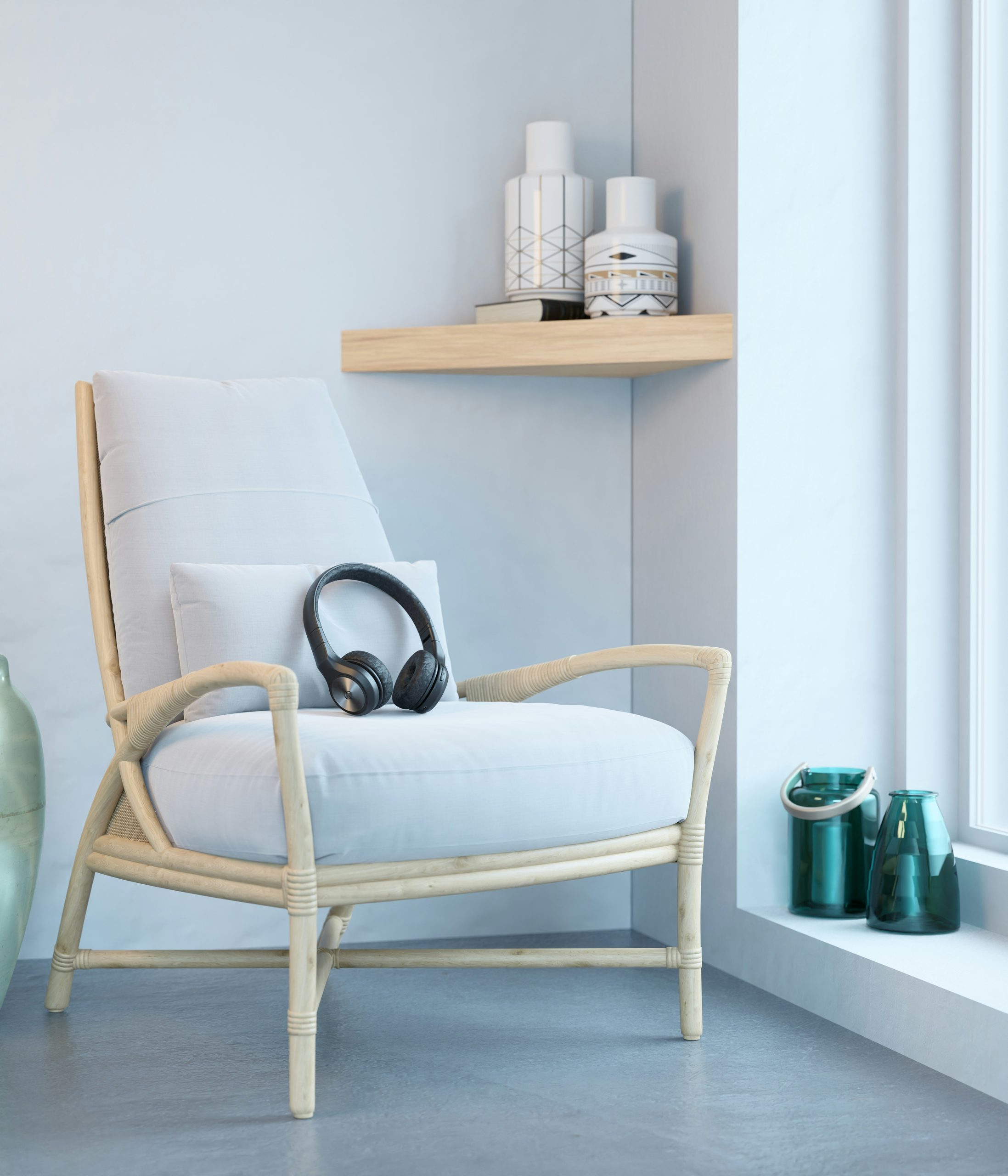
Setting the Scene for a Calm Corner
A calm corner works best when it appeals to more than sight, since a chair by your window can look inviting and still fail to settle a busy mind. Light, scent, sound, and texture each play a part, and pairing two or three of these senses can reset your mood within minutes.
A few starting points make the process easier to approach, and each one works on its own or paired with another, so try whichever feels most natural first.
Light and Colour
Warm, dimmable lighting softens a room better than a harsh ceiling light, and muted tones such as sage or dusty pink ease the eye. A single warm-toned lamp often does more for your corner than several bright ones.
Scent and Aroma
A candle, reed diffuser, or a few drops of essential oil on a cushion can turn a plain chair into a spot your body links with rest. Lavender and chamomile stay popular choices for their calming reputation.
Texture and Comfort
A blanket, a cushion with a slightly nubbly weave, or a rug underfoot gives your hands and feet something pleasant to notice. Touch often anchors you in the present moment faster than sight or sound alone.
Small Rituals That Support the Senses
Life satisfaction and daily calm get measured on a national scale, and the Office for National Statistics tracks how life satisfaction, happiness, and anxiety levels vary across the UK each year. Numbers aside, most people notice for themselves that a few deliberate minutes leave them steadier afterwards.
Building a short list of sensory habits gives those minutes a clear focus, and it means the calm corner gets used regularly instead of standing empty most days. A handful of small habits work well together, and each one below carries about the same weight.
A Warm Drink
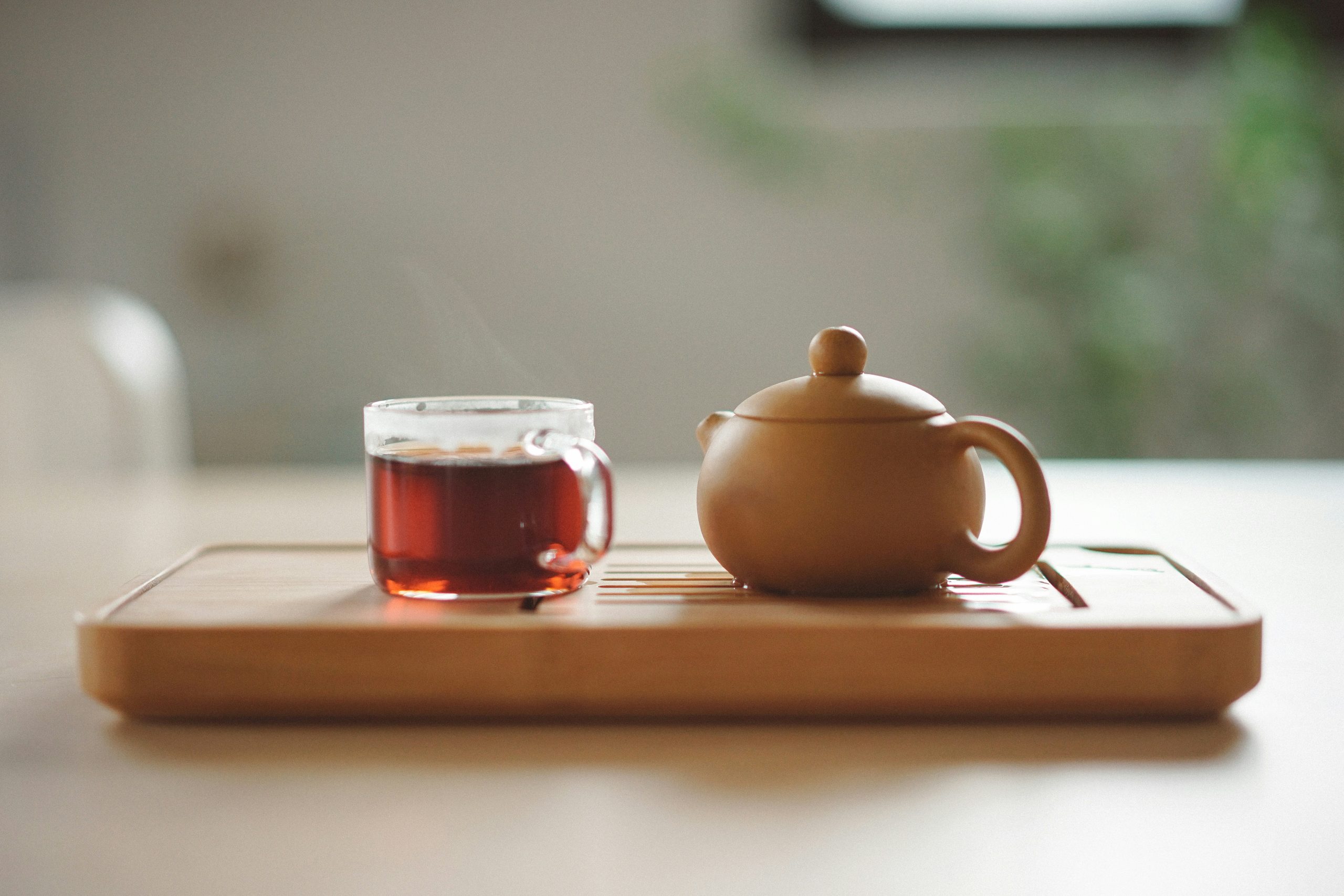
A cup of chamomile or valerian tea, taken slowly without a screen nearby, gives the day a clear stopping point. The warmth and the pause together signal to the body that it’s safe to settle.

A Few Minutes of Movement
A short stretch or a few minutes of slow breathing, done seated instead of standing, eases tension built up over hours of sitting. Even a short break can lower the shoulders and steady a racing mind.
A Favourite Book
A few pages read under warm light move focus away from notifications and to-do lists. Turning a physical page adds a small sensory anchor that a screen seldom offers.
A Line in a Journal
A single sentence written down closes out a busy stretch without asking for a full page of reflection. Getting one thought onto paper often does more than replaying it silently.
A Small Habit to Return To
Some women keep a favourite mug, others a well-worn playlist, and some reach for a vape for its familiar motion and flavour. Many now pick vapes with no nicotine, exploring nicotine-free vape options and vape liquid built around that same habit.
A calm corner doesn’t need strict rules around any of these choices, and you might simply keep tea or a journal on hand, alongside no-nic vapes, treating each as a small comfort instead of a habit needing explanation. None of these habits asks a person to overhaul a day completely, and most slot into a corner that already exists in some form.
A Calm Corner Earns Its Keep Over Time
A few weeks of use turns a chair and a lamp into a spot your body recognises at a glance, and that recognition alone starts doing the calming work before you even settle in. Building the space takes little more than an afternoon, though keeping the habit going around it needs a touch more patience in the weeks that follow.
Once your senses learn what the corner means, calm stops being something to search for and starts being something already waiting nearby. So the next time your day runs long, that corner will already be doing half the work before you even sit down.
