
*This article contains affiliate links*
There is a particular kind of frustration that comes from wanting your family to eat better while they are absolutely not interested in doing so.
You start noticing the beige plates, the sugar crashes, the lack of vegetables unless disguised as chips, and the adults who insist they are “just fussy” because they have always eaten a certain way. You begin thinking about energy levels, mood, sleep and long-term health, yet every attempt to introduce something new is met with suspicion.
It can feel impossible.
The reassuring truth is that change does not need to begin with a dramatic announcement or a full kitchen overhaul. The most sustainable shifts usually happen quietly and gradually, almost invisibly at first.
Here is how to start feeding your family well, even when they resist change.

Stop announcing “we’re eating healthier”
Nothing triggers resistance faster than a declaration that food is about to change. When people feel something familiar is being taken away, they dig their heels in. Children often hear the word “healthy” and immediately assume “tastes bad”.
Instead of changing everything, keep meals familiar. Keep the family favourites. Keep the routine. The difference comes in how those meals are built behind the scenes.
Upgrade meals quietly rather than replacing them
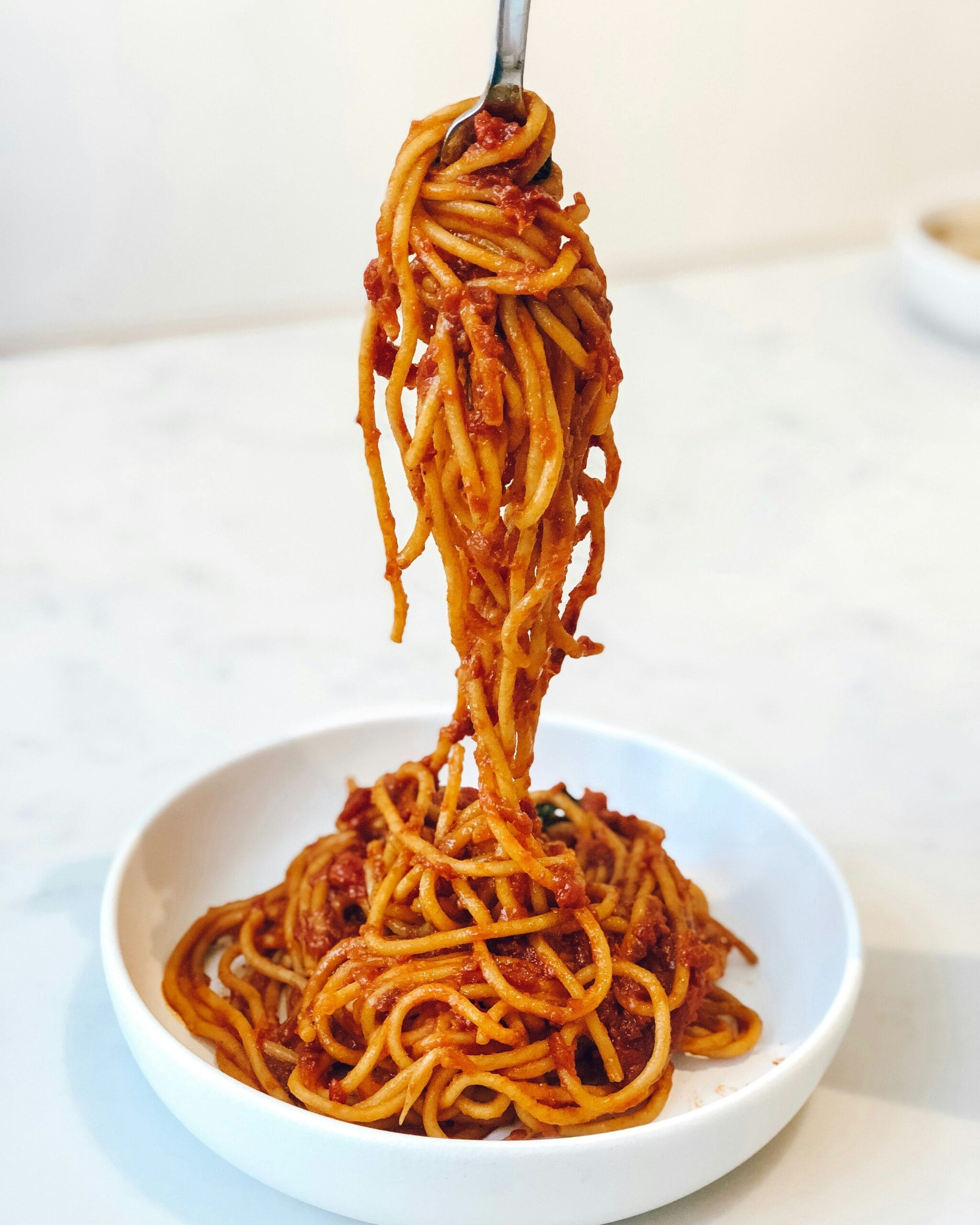
Instead of removing favourite meals, quietly improve them. Spaghetti bolognese, chilli, curries and casseroles are perfect opportunities to add nutrition without changing what appears on the plate.
Try adding grated carrots, courgettes or mushrooms to sauces, stirring red lentils or black beans into mince, or finely chopping peppers and sweet potato into chilli. These additions blend into texture and deepen flavour. Over time, meals become more balanced without anyone feeling deprived.
The power of bone broth and better cooking liquids
One of the easiest upgrades is changing what you cook with, rather than what you cook. Cooking rice, pasta, sauces or stews using bone broth instead of water or stock cubes quietly adds protein, minerals and collagen.
Bone broth can be used to cook grains, enrich soups and sauces, form the base of gravies or be added to slow cooker meals. The flavour becomes richer and more savoury, which often makes meals more appealing rather than less.
Blend, blitz and stir: the secret nutrition boosters
Blenders are one of the most powerful tools in family nutrition. Vegetables and nutrient-dense foods can be blended into everyday meals without changing taste or texture significantly.
Spinach can disappear into pasta sauce, white beans can be blended into mashed potatoes, cauliflower can be stirred into cheese sauce, and oats can be added to smoothies. Smoothies are especially useful because flavours like banana, peanut butter and cocoa easily mask extra ingredients.
Add soluble fibre without anyone noticing
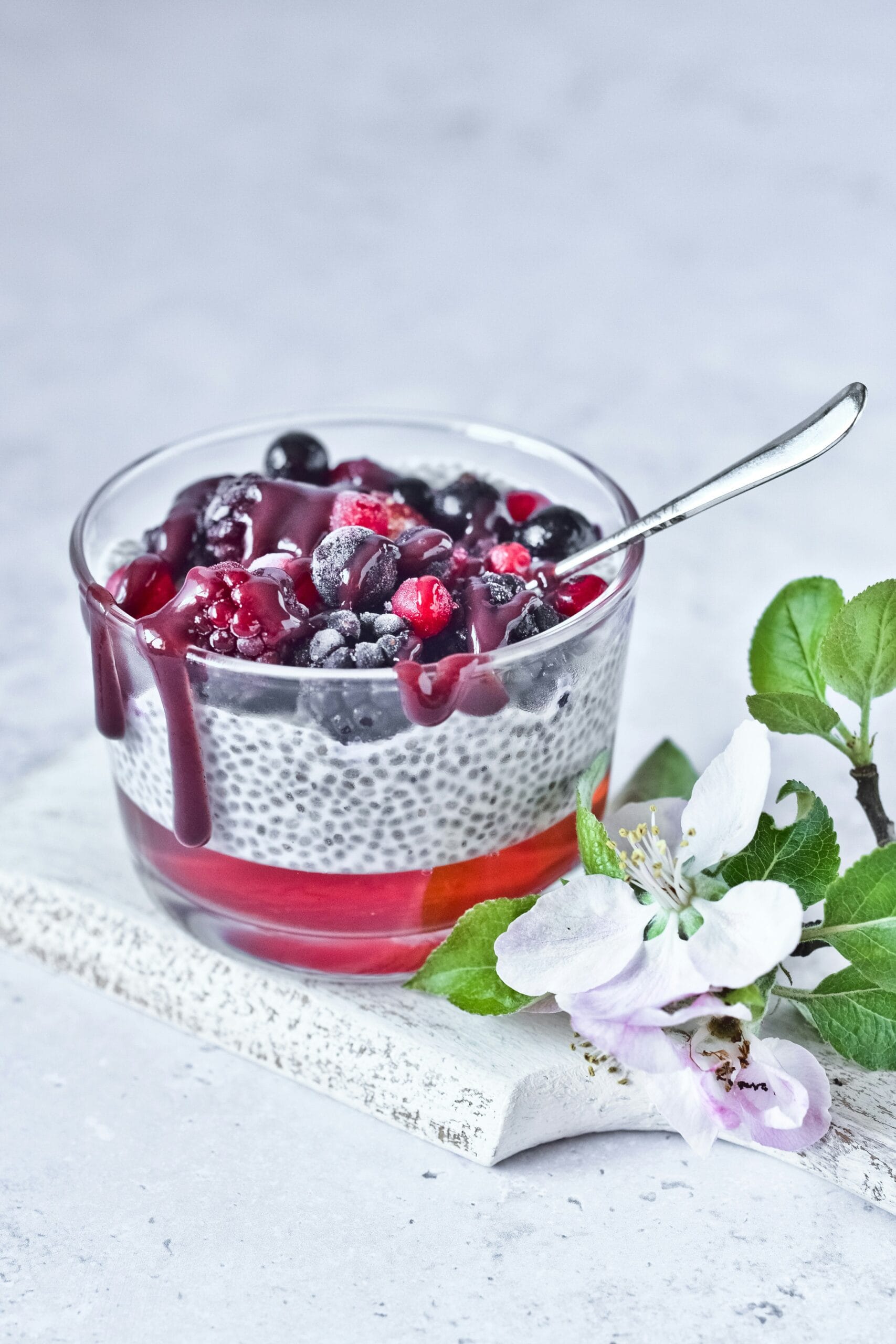
Soluble fibre is one of the easiest nutrients to add quietly and supports digestion, blood sugar balance and long-term health.
Easy ways to add it include stirring chia seeds into yoghurt or porridge, adding oats to smoothies or pancake batter, mixing psyllium husk into baking, and adding ground flaxseed to cereal, soups or stews.
Ground flaxseed is particularly versatile and can be added to porridge, yoghurt, muffins, pancakes and sauces. Starting with small amounts allows taste and texture to adjust gradually.
The “I’ve always eaten this way” mindset
Resistance often comes from adults as much as children. Many people grew up eating a very different style of diet and feel attached to it. White bread, sugary cereals and beige lunches were normal for decades, and the belief that “I’ve always eaten this and it never did me any harm” feels completely logical.
Modern lifestyles, however, look very different. Daily movement is often lower, stress levels are higher and sleep is frequently disrupted. The foods that once worked alongside a more active lifestyle do not always support modern routines in the same way.
Directly challenging long-held habits rarely works. Quiet upgrades are far more effective. Mixing wholegrain pasta with white pasta, choosing half-and-half bread or introducing wraps and seeded loaves alongside familiar options allows taste preferences to adapt slowly.
Adding fibre elsewhere in meals also helps balance diets without forcing dramatic change. Seeds at breakfast, beans in sauces and extra vegetables in everyday meals gradually shift the nutritional balance.
Focus on adding rather than subtracting
A helpful mindset shift is focusing on what can be added rather than what must be removed.
Adding berries to breakfast, nuts to cereal, extra vegetables to curries and beans to stews increases nutritional value without confrontation. Over time, these additions naturally reshape eating habits.
Improve drinks in simple ways
Drinks are often overlooked yet offer an easy starting point. Homemade milkshakes can include frozen banana, milk, peanut butter, cocoa powder, oats or flaxseed. Juice can be gradually diluted with water, and herbal teas can be introduced as flavoured warm drinks.
Small changes here can make a surprisingly large difference overall.
Change the environment, not the people
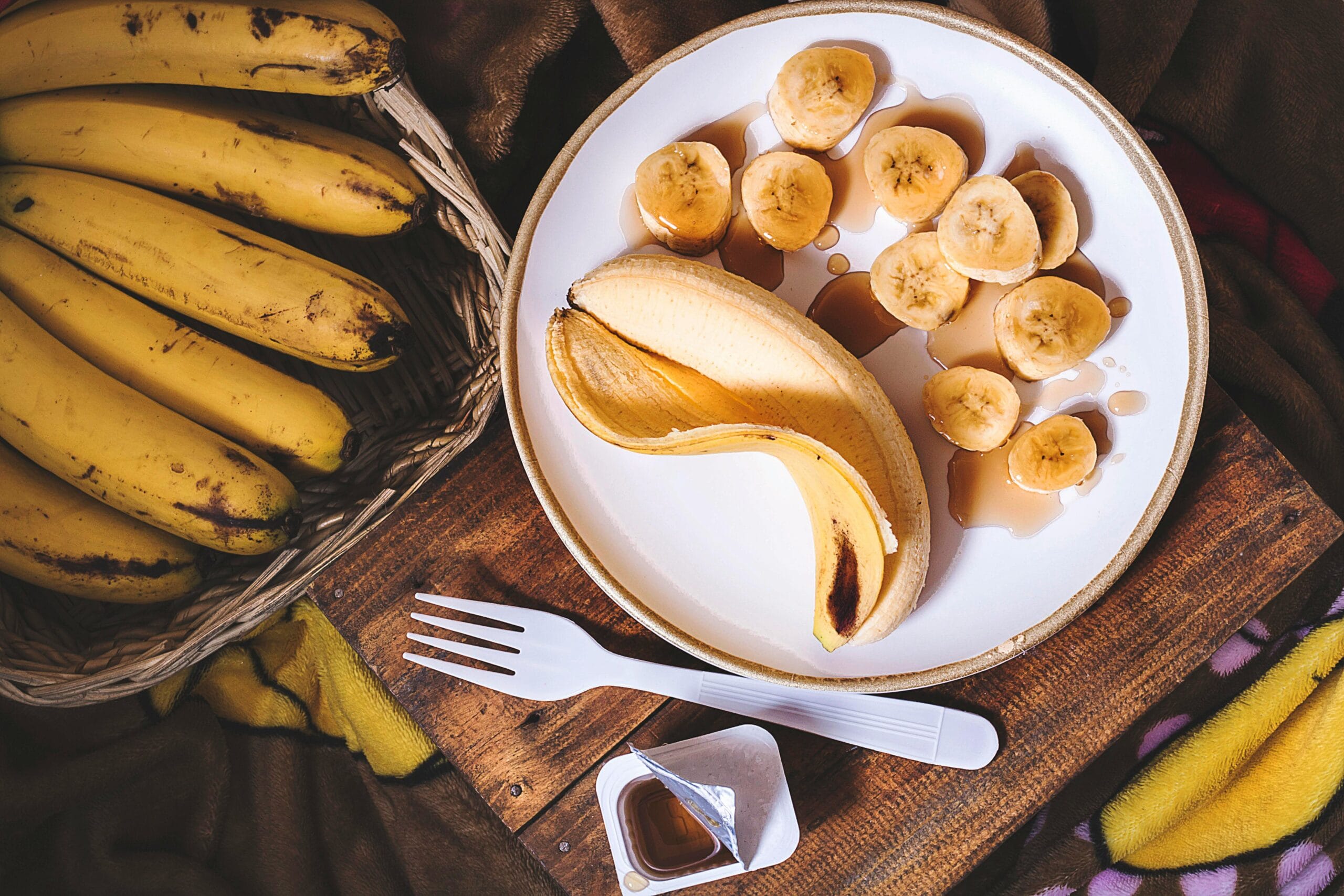
Behaviour is strongly influenced by environment. Keeping fruit visible, vegetables pre-cut and ready to eat, and yoghurt or nuts easy to grab makes healthier choices the easiest choices.
No lectures are required when the environment does the work.
Let taste buds adapt slowly
Gradual change works far better than sudden change. Slightly reducing sugar in baking, slowly increasing wholegrains and regularly exposing the family to new ingredients allows taste preferences to evolve naturally.
Foods that once felt unfamiliar eventually become normal.
Think long term
The goal is not a sudden transformation. The goal is quiet evolution.
When vegetables become normal in sauces, seeds become part of breakfast and bone broth becomes part of cooking, the baseline of family nutrition shifts. Small, consistent changes build a healthier way of eating that feels natural and sustainable.
Feeding a family well when they resist change is not about control or perfection. It is about patience, psychology and consistency. Over time, those small changes add up to a very different way of eating.

1 comment
I really like this dietary method, it’s very healthy
Image to Photo can restore old photos online, enhance colors and details, and bring vivid and clear new life to memories.image to photo