
For most of our lives, movement has been framed as exercise. It has been measured in steps, calories, gym sessions and runs logged. The focus has usually been on intensity, endurance or weight loss, with the underlying message that movement is something we do to burn energy or improve fitness.
Then something begins to shift in your 40s.
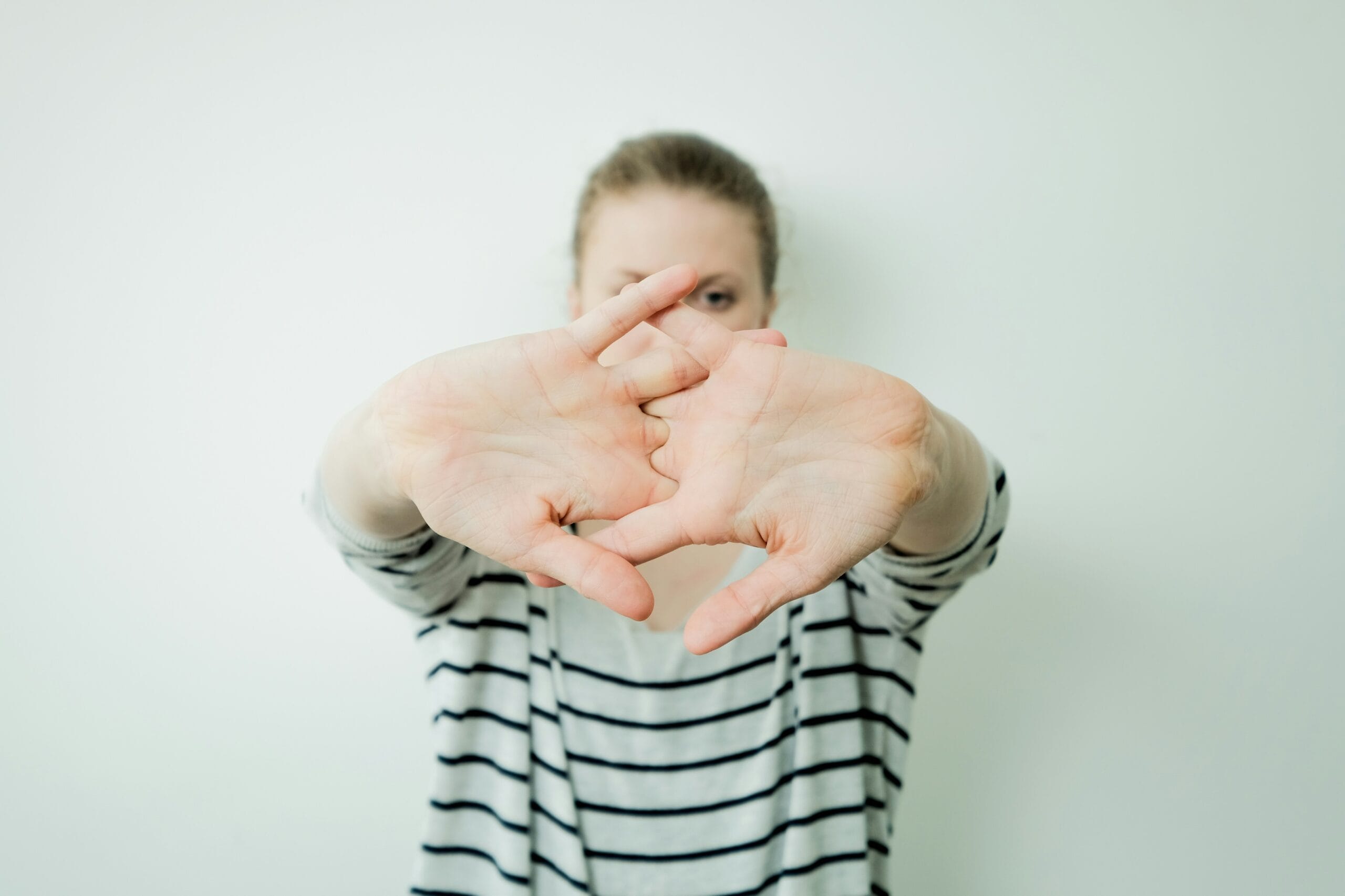
You might start to notice small things that previously went unnoticed. A hip that feels stiff when standing up after sitting for a while. Shoulders that tighten by the end of the working day. Ankles that feel less stable on uneven ground. A lower back that complains after long periods at a desk. Many people remain active and reasonably fit, yet the body begins to feel different. The issue is not always strength or cardiovascular fitness. Often, it is range of motion and how freely the body can move.
This is the part of movement most of us were never taught to think about.
Exercise and movement are not the same thing
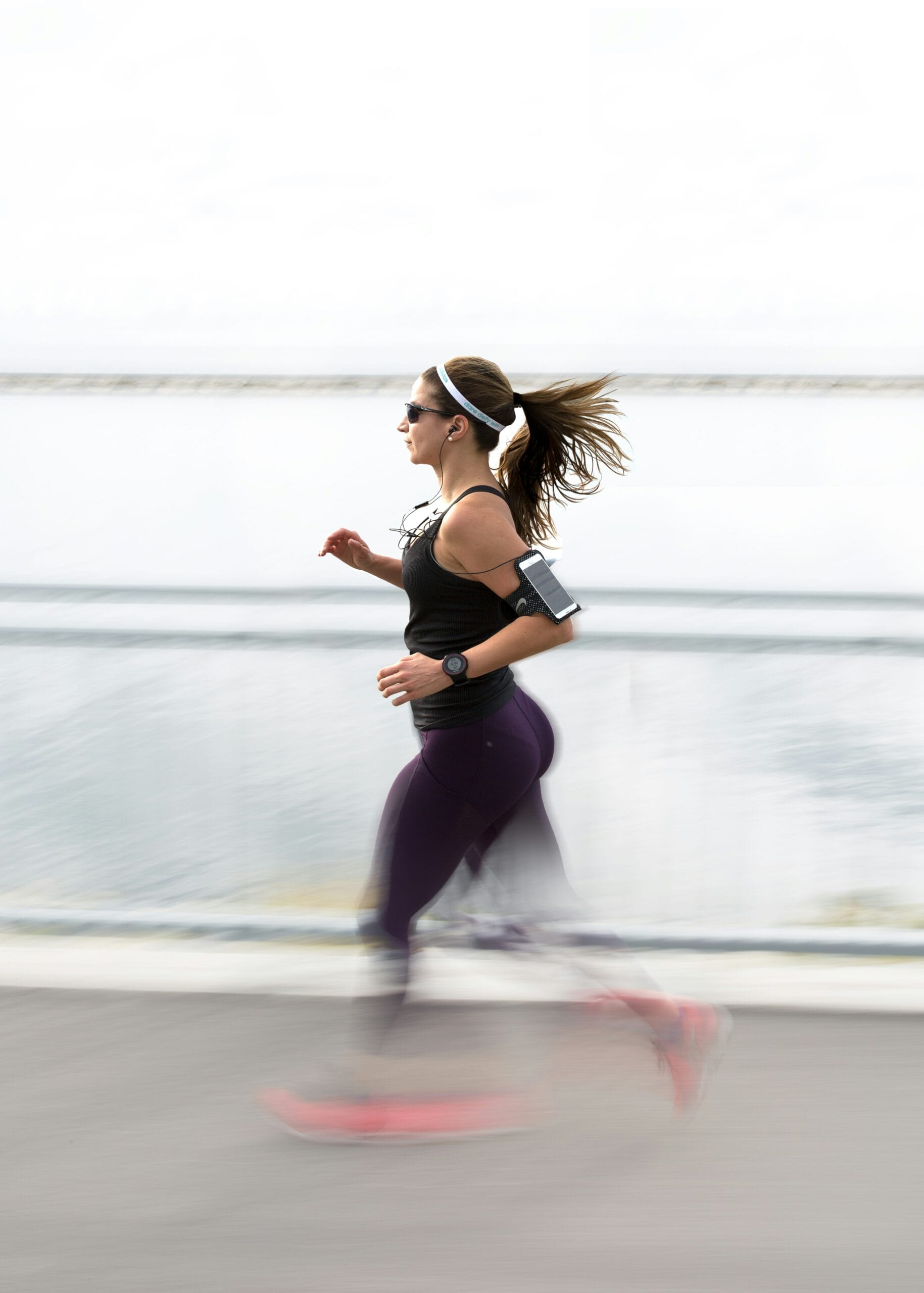
A fascinating discussion on the Begin Again podcast recently highlighted how most modern exercise happens in very limited patterns. Many of the activities people repeat week after week involve moving forwards and backwards or up and down in predictable, linear ways. Running, cycling and many gym machines follow the same directional patterns, and even strength training can become repetitive and confined to a narrow range of motion.
Human bodies, however, were designed to move in far more varied ways. Sideways movement, rotation, twisting, balancing, reaching and shifting weight were once a normal part of everyday life. When these movements gradually disappear, the body adapts to the limited patterns it still performs and slowly loses capacity in the movements it no longer practises.
This loss happens quietly and gradually, which is why many people do not notice it until midlife.
The quiet loss of range of motion
Children move in every direction without thinking. They squat deeply, climb, hang, twist, roll and balance as part of normal play. These movements maintain joint health and full range of motion naturally.
Adult life often looks very different. Chairs replace squatting, screens replace reaching and twisting, and cars replace walking on uneven ground. Over time, hips lose rotation, ankles lose mobility and shoulders become stiff. Balance and coordination can quietly decline.
The problem is not simply stiffness. It is the gradual loss of movement options. When joints cannot move through their full range, other parts of the body begin to compensate, which can lead to discomfort or strain elsewhere.
Why this matters more as we age
Strength and cardiovascular fitness remain important, yet they do not replace the need for joint mobility, balance and full-range movement. Maintaining the ability to move in all directions supports independence and resilience as the years pass.
This type of movement helps protect balance, coordination and joint health. It reduces the likelihood of injury and supports the ability to remain active and capable later in life. The focus begins to shift away from performance and towards preservation.
Rather than exercising only for current fitness, the goal becomes maintaining long-term capability.
Feeding your joints a full range of movement
Each joint in the body thrives on being taken through its full range regularly. Hips benefit from bending, extending, moving out to the side and rotating. Shoulders need overhead reaching, pulling and rotation. Ankles require forward movement, extension and lateral stability.
Most people use only a fraction of these movements during daily life. Regularly exploring full range of motion helps maintain adaptability and resilience within the body.
The missing movements: rotation and lateral motion
Forward movement dominates modern life, while rotational and sideways movements often disappear entirely. These movements play an important role in spinal health, knee stability and coordination between the upper and lower body.
Without regular rotation, the spine can become stiff. Without lateral strength, balance and joint stability may decline. Adding movements such as side lunges, torso rotations and single-leg balance work can significantly improve how the body feels over time.
Balance is a skill that requires practice
Balance is often assumed to decline naturally with age, yet it is more accurate to say that it declines when it is no longer practised. Small daily challenges such as standing on one leg, walking on uneven surfaces or practising balance exercises can help maintain stability and coordination.
These simple practices support the nervous system as well as the muscles involved in stabilisation.
Strength through range, not just resistance
Strength training in midlife begins to shift in purpose. Developing strength through a full range of motion becomes more valuable than lifting heavier weights through limited movement. Deep squats, overhead reaching and slow, controlled movements help build usable strength that supports everyday activities.
Mobility and strength are not opposing goals. They work together to maintain a capable and resilient body.
Reintroducing lost movement patterns
Reintroducing movements that disappeared decades ago can feel surprisingly powerful. Squatting deeply, hanging from a bar, crawling patterns or getting up from the floor without using hands can initially feel awkward. That awkwardness simply highlights where range of motion has been lost.
Gradually rebuilding these abilities restores both physical capacity and confidence.
A mindset shift in your 40s
Movement in your 40s often becomes less about changing how your body looks and more about protecting how it functions. The ability to move comfortably, stay steady on uneven ground and remain independent in later life becomes increasingly important.
This perspective reframes movement as an investment in long-term wellbeing rather than short-term results.
Small daily practices that support long-term movement
Incorporating five to ten minutes of varied movement each day can make a meaningful difference. Gentle spinal rotations, hip circles, shoulder mobility work and balance exercises can easily be added around existing workouts.
The key is variety rather than intensity.
Movement as future-proofing
Exercise is often viewed through the lens of the present. Multi-directional movement encourages a longer-term perspective by supporting mobility, adaptability and resilience.
In midlife, this shift in focus can transform the way movement is viewed. Rather than simply exercising, the aim becomes maintaining the capacity to move well for years to come.
