
You open a cupboard for a scarf and end up staring at picnic plates, odd gloves, batteries, sun cream and a tangled string of fairy lights. Seasonal change has a way of exposing the corners of a home that have been quietly collecting everything you didn’t want to deal with last month.
You don’t need a full makeover to make the place feel ready for what’s next. A few focused changes can make rooms easier to use, nicer to walk into and less weighed down by the season you’re leaving behind.
Clear the Places You Touch Every Day
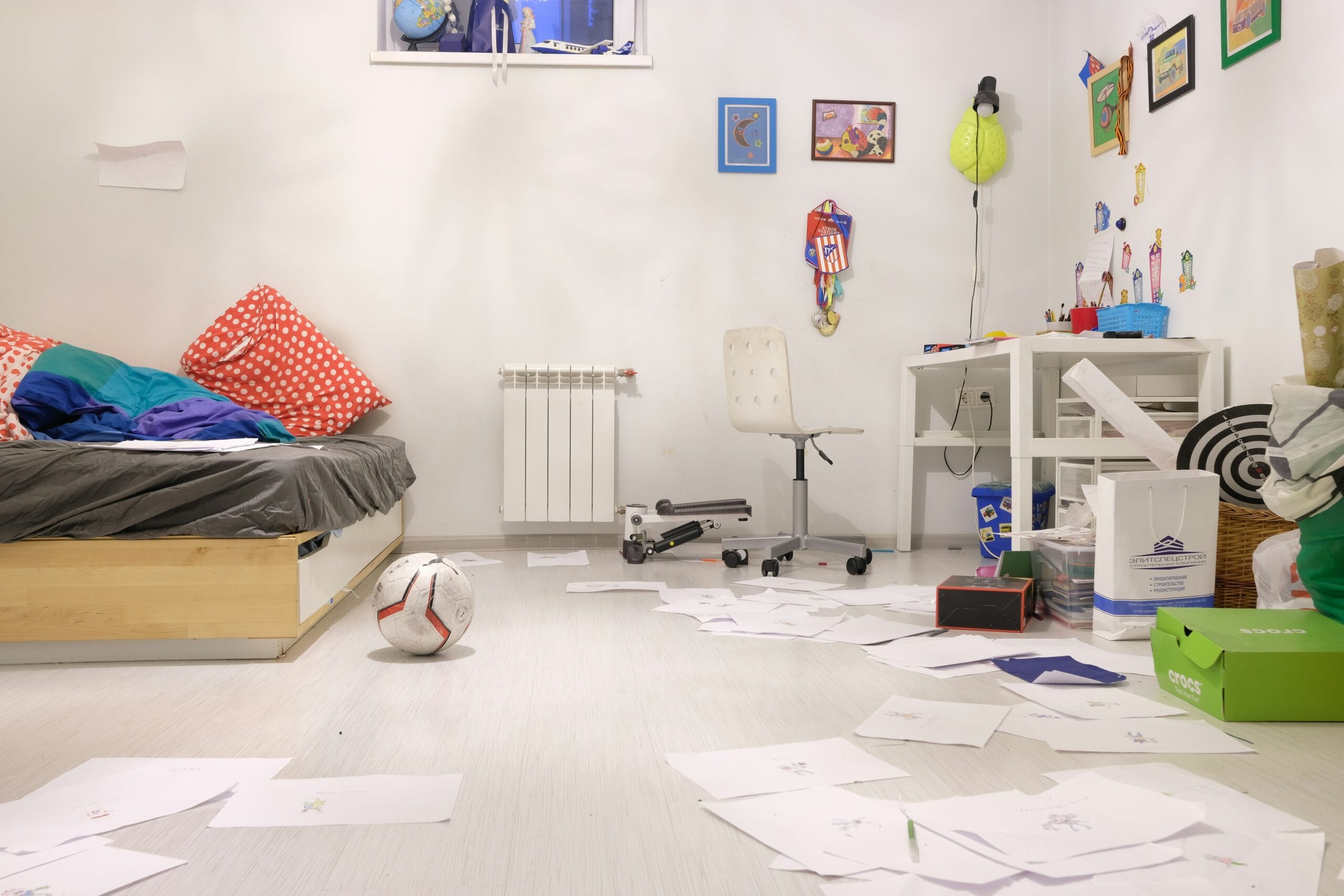
Start with the spots that annoy you most often: the hallway, kitchen counter, bedside table, utility cupboard or the chair that somehow became a wardrobe. These are the places that shape your mood before you’ve even made coffee.
Try a quick reset before buying storage:
- Remove anything that belongs to the season just gone
- Put daily items where you can reach them without rummaging
- Move rarely used things higher, lower or out of the room
- Throw away empty bottles, broken bits and out-of-date products
Before you start filling baskets, declutter first, shop second is a useful rule because it stops you organising things you don’t want to keep.
Make the Home Easier to Move Around
A new season often changes how people use a home. Wet coats need somewhere to dry, darker mornings make stairs feel less forgiving, and visitors may spend more time indoors. Walk through each room as if you’re carrying laundry, shopping bags or a sleeping child. Anything that catches your foot, blocks a doorway or makes you squeeze past furniture deserves attention.
A hallway refresh might also reveal that stairlifts in Leicestershire might make the stairs feel less like a daily obstacle for someone whose knees, hips or balance aren’t what they were. Small adjustments, from better lighting to clearer floor space, can make the whole house feel more welcoming.
Wake Up Fabrics, Light and Colour
Swap the heavy throws, tired cushions or dark bedding that suited the last season but now make the room feel flat. You don’t have to change everything. One cleaner colour, a lighter texture or a fresh pillowcase can alter how a room feels when the light changes.
Curtains, washable cushion covers and throws are good early targets, and refreshing window treatments can make a room feel brighter before you touch the paint. Open windows where you can, dust lampshades and move furniture slightly if it’s blocking natural light.
Flowers, branches, bowls of fruit or a plant moved from another room can help too. Choose one living detail rather than scattering decorations everywhere.
Give Each Room One Useful Upgrade
Pick one change per room instead of making a huge list. The kitchen might need a cleared breakfast shelf. The bedroom might need a proper place for the clothes you’ll wear again. The bathroom might need fresh towels and fewer half-used products around the sink.
A seasonal home reset works best when it fits real life. If children dump bags in the hall, give them hooks at their height. If shoes gather by the back door, put a tray there instead of pretending they’ll make it to the cupboard. If the living room feels tired, move the lamps before buying new furniture.
End with the room you use to settle down at night. Change the bedding, clear the surfaces and leave out only what you actually use. Once one space feels ready for the season ahead, the rest of the house feels much easier to tackle.

14 comments
Each athlete in speed stars possesses their own momentum, requiring constant adjustments from the player to maintain stability. As players become accustomed to the mechanics, they develop a sense of rhythm in every stride. This transforms the experience into managing a continuous flow of movement rather than performing disjointed actions. While newcomers often struggle to maintain a steady rhythm, they eventually learn how to sustain speed more effectively.
Great tips on maximising vertical storage — I never realised how much wasted space exists above door frames and high cupboards. That tip about stacking kitchen items by frequency of use is one I will definitely try this weekend.
Interesting content — I appreciate the effort put into this post. Stumbled across your site and decided to leave a note. Will be back for more!
Interesting content – I appreciate the effort put into this post. Stumbled across your site and wanted to leave a note. Will be back to read more!
Space Waves focuses on skill-based gameplay. Success depends on your timing, precision, and ability to react quickly to obstacles.
I loved the tip about vertical storage — I never thought about using wall-mounted organizers in the bathroom, but it makes so much sense. While I spend my days working on Baby Gender Predictor helping expecting parents predict their baby’s gender, I’m always on the lookout for clever space-saving hacks for my own tiny apartment. This post is a great reminder that you don’t need to move to a bigger place to feel more comfortable at home.
The tip about vertical storage really resonated with me — I’ve been thinking about adding some floating shelves to free up counter space in my kitchen. It’s a nice change of pace to read about home organization when I normally spend my creative time working on visual effects over at Tap and hold. Thanks for the practical ideas!
The point about vertical storage really resonated — I’ve been amazed at how much counter space I’ve reclaimed just by going up instead of out. It’s funny how shifting your perspective on space can completely transform a room. I spend most of my time at Country Draw working on visual geography challenges, but reading about clever spatial design like this always sparks new ideas for how I approach map layouts and visual organization in my own projects.
I really liked the point about multi-functional furniture — ottoman storage benches and nesting tables are such practical picks for keeping clutter at bay. It’s a nice reminder that you don’t always need more square footage to feel comfortable at home. While most of my time is spent building tools on Name 100 Women, I’ve always had a soft spot for clever home organization ideas like these, so this was a refreshing read.
The tip about using light colors and mirrors to make rooms feel more spacious is genuinely clever — I’ve been looking for fresh visual ideas to refresh the design side of things over at Omegaverse Quiz. It’s a nice change from my usual creative work there to stumble on something this practical.
I love the tip about using vertical storage to free up floor space. It’s such a refreshing read when I’m taking a break from working on Sprunki Sbrunga and building musical loops. Sometimes stepping away from the screen to think about organizing your physical space is exactly the creative reset you need.
I loved the tip about using vertical storage — floating shelves completely transformed my kitchen. It’s funny how we overlook wall space when we’re stuck thinking about floor area. Reading about clever home hacks like this is a nice change of pace from my usual creative work over at AI Kissing Generator.
I love the rule about decluttering before buying storage — it’s so easy to skip straight to organizing products when clearing first would solve half the problem. Reading posts like this is always a nice shift from my usual focus on code and web tools over at Robin. The bit about walking through rooms as if you’re carrying laundry really stuck with me
I really appreciated the point about walking through the house as if you’re carrying laundry or a sleeping child; it’s a much more realistic way to spot tripping hazards than just looking at the rooms. It’s a refreshing break from my daily work developing transcription tools on Instagram Transcript, and I’m definitely going to try the “declutter first, shop second” rule this weekend before my next family film night.