
*This article contains affiliate links*
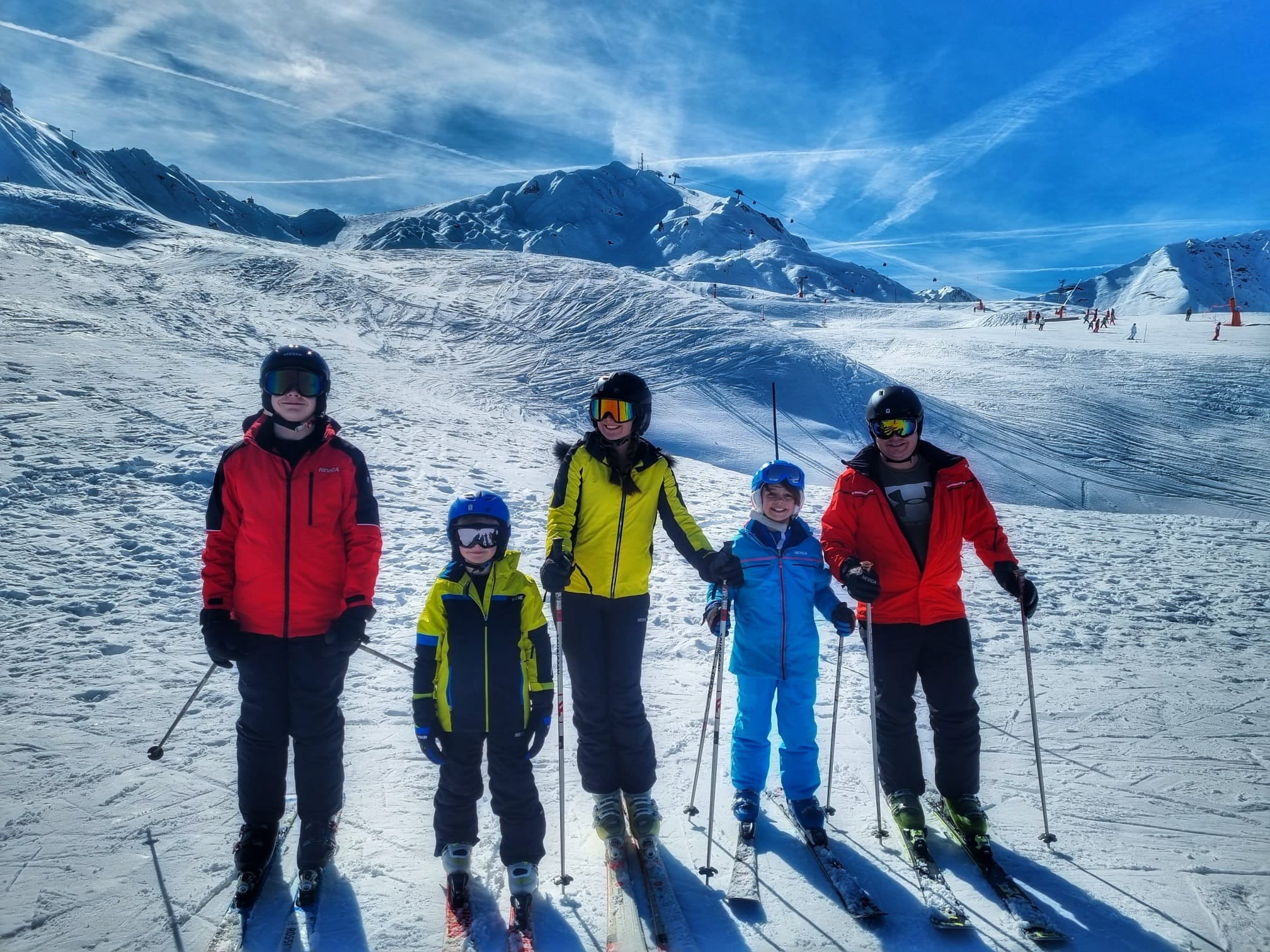
Family skiing looks idyllic in photos. Matching helmets, rosy cheeks, hot chocolate at the end of the day. The reality, especially with children of different ages, is more layered than that.
Different confidence levels, energy limits, learning speeds and expectations all come into play. A day that feels exciting for one child can feel overwhelming for another. Planning a ski trip that works for everyone is less about perfect schedules and more about flexibility, patience and realistic expectations.
When those pieces are in place, skiing can become one of the most rewarding family holidays there is.
Understanding That Every Child Experiences Skiing Differently
Age matters in skiing, but personality matters just as much.
Younger children often approach skiing as play. Short bursts of activity, frequent breaks and a sense of fun are essential. Older children may crave progress, independence and longer runs. Teenagers might want challenge, speed or the chance to ski with peers rather than parents.
Treating all children as though they should enjoy the same slopes, pace or structure is where frustration often starts. Accepting difference early makes the whole trip smoother.
Skiing With Toddlers and Pre-schoolers
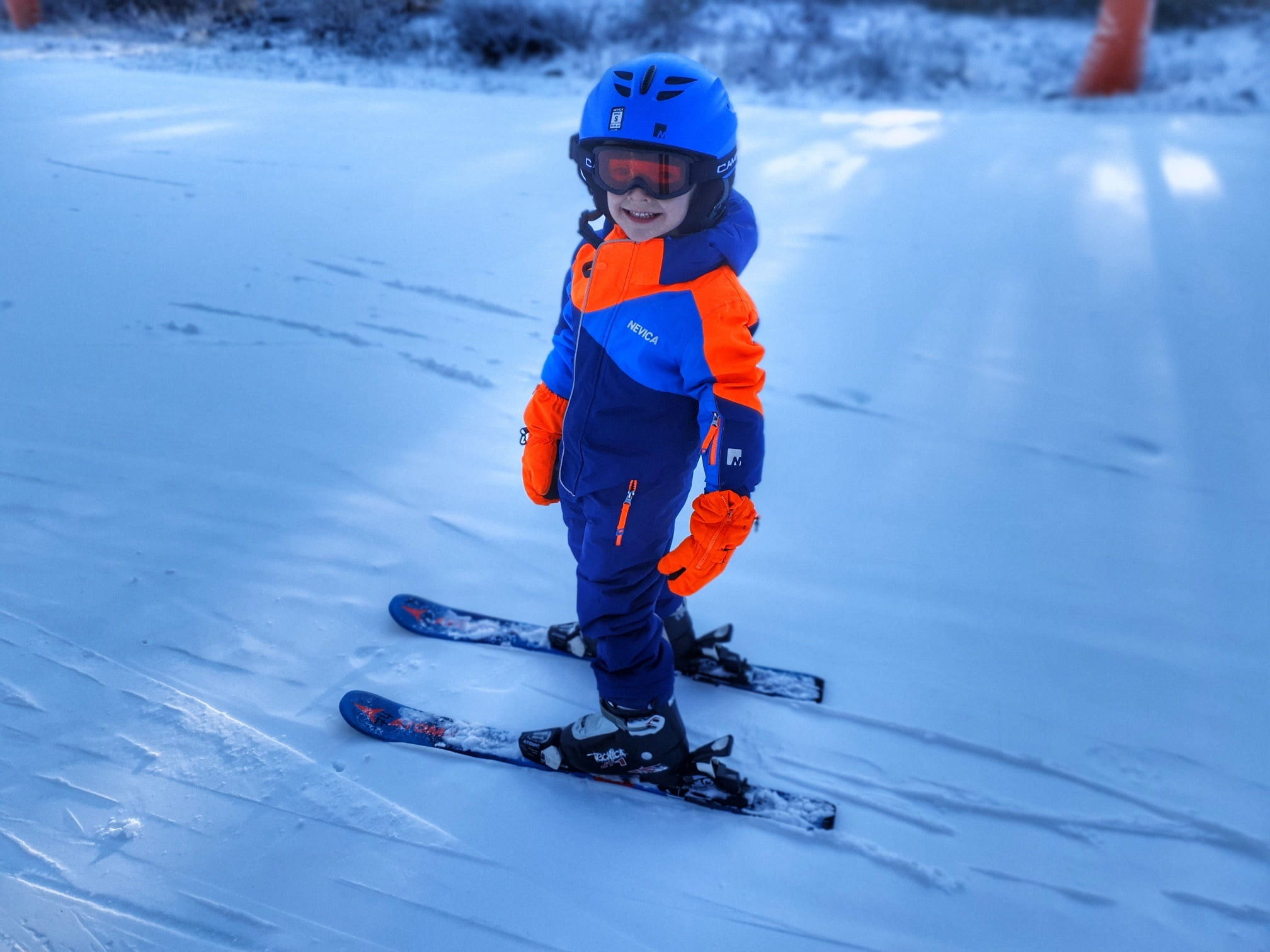
For very young children, skiing is less about technique and more about exposure.
Short lessons, often no more than an hour, are usually enough. Snow play, magic carpets and gentle nursery slopes work far better than long sessions on skis. Cold, hunger and tiredness arrive quickly at this age, so flexibility is key.
Many families benefit from resorts with strong childcare options or ski schools. These allow children to associate the mountains with positive experiences without pressure, while parents still get some skiing time.
At this stage, success looks like enjoyment, not progress.
Skiing With Primary-Age Children
Children in this age range often make rapid progress, particularly if lessons are well matched to ability.
Group lessons can work well, offering structure and motivation. Confidence tends to grow quickly, although emotional regulation is still developing. Frustration, fear or sudden fatigue can appear without much warning.
Mixing lesson time with relaxed family skiing helps maintain balance. Clear expectations around breaks, snacks and warmth make a noticeable difference to mood and resilience.
This is often the age where children begin to see skiing as something they genuinely enjoy, rather than something they are being introduced to.
Skiing With Teenagers
Teenagers bring a different dynamic to the slopes.
Some thrive on challenge and independence. Others feel self-conscious, particularly if they are beginners among more confident peers. Motivation can vary widely, even within the same family.
Giving teenagers some autonomy helps. Allowing them to choose runs, ski with friends or take advanced lessons acknowledges their growing independence. At the same time, clear safety boundaries remain essential.
Shared family skiing often works best when it is balanced with space for teenagers to explore at their own pace.
Managing Different Abilities on the Same Trip
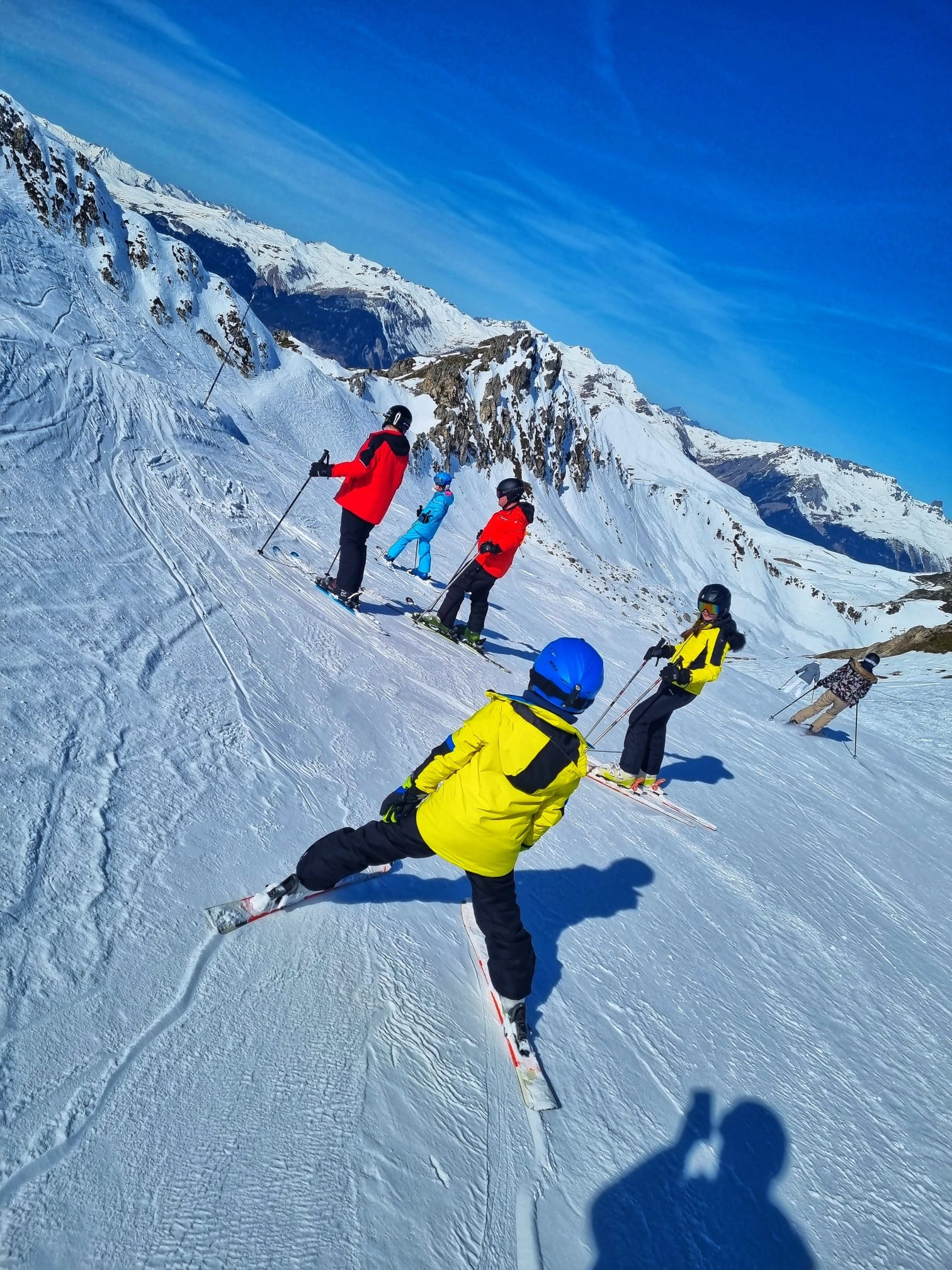
One of the biggest challenges for families is skiing together when abilities vary widely.
Resorts with a good range of interconnected slopes make this easier. Meeting points, clear plans and realistic timeframes reduce stress. Splitting up during the day is often the most practical option, even if the goal is family time.
Quality time does not have to mean skiing together every run. Lunch, hot chocolate stops and end-of-day activities often become the moments children remember most.
Lessons, Logistics and Letting Go of Guilt
Ski lessons are not a failure of family bonding. They are often the key to it.
Children frequently learn better from instructors than from parents, particularly as they get older. Lessons also give parents space to ski at their own level, which helps maintain patience and enjoyment.
Guilt has a way of creeping in on family trips. Letting go of the idea that everyone must be together all the time creates a more relaxed atmosphere for everyone.
What Children Really Take Away From a Ski Trip
Children rarely remember how many runs they skied or how steep the slopes were.
They remember how they felt. Feeling supported when scared. Feeling proud after mastering something difficult. Feeling trusted to try again. Feeling warm, fed and safe.
Skiing with children of different ages teaches adaptability, patience and shared problem-solving. It also reminds families that meaningful experiences are rarely perfectly balanced.
They are built from compromise, care and the willingness to meet children where they are.
