
As a parent, your first instinct is to ensure that your children grow up healthy and protected. However, as they become teenagers and begin exploring the reaches of their independence, it’s easy not to be as fully aware of everything that’s going on in their lives. Unfortunately, sometimes this includes the use of alcohol or drugs. Realistically, parents can’t control whether or not their child comes into contact with them. If you think your child might be using, what do you do?

Stay Calm, Avoid Immediate Reactions
It’s only natural and healthy to feel some degree of fear, anger, or disappointment if you think your child might be using drugs or alcohol. However, reacting on impulse is only likely to do more harm than good. At this point in their lives, teenagers can be very sensitive to judgment, and feeling like they’re being treated or perceived a certain way due to an emotional outburst can have them become defensive, meaning they might be more likely to shut down or even to lie. Instead, you need to take a moment, give yourself time to process, and try to approach the matter with a clear head and a steady tone. If you want to help your child, then giving them a safe space to seek that help is important.
Look For Recurring Patterns Rather Than One-Off Signs
Before you try to intervene, you should make sure that you’re not jumping to conclusions. A lot of parents fear that the mood swings, changes in interest, new friend groups, or secrecy that are a normal part of growing up as a teenager can be a sign of something wrong happening under the surface, but that’s not necessarily the case. If these are accompanied by other changes in behavioural patterns, such as declining academic performance, withdrawal from family, or common physical indicators like bloodshot eyes or unexplained fatigue, then it might be worth looking closer. Repeated behaviours give you a clearer idea of when something is different, versus the typical changes and phases teenagers can go through. Unnecessary accusations are only going to harm your relationship with your teenager.
Start A Non-Judgmental Conversation
When you have concerns that need to be addressed, or even discover some evidence to confirm your concerns, then you should talk with your child. However, aim for a calm and private moment rather than confronting them or bringing it up when reprimanding them based on their behaviour. The conversation should start with an expression of concern, not accusing them of anything. Ask open-ended questions that allow them to explain any honest misunderstandings, and also show that you are a safe place to go if they are using substances or having broader issues in general. Keeping your tone supportive and non-judgmental increases the likelihood of honesty.
Educate Yourself About The Risks
Before you get into deeper conversations about how to address alcohol or drug misuse, it’s important to understand what they are and their risks, from vaping, which many may consider benign despite its health risks, to alcohol, cannabis, and even prescription medication, which can be potentially misused. Knowing how drugs can affect behaviour, mental health, and physical health can help you not only recognise the signs of use, but also be able to communicate your concerns more clearly with your teen. Acting on fears and assumptions can make you look overly judgmental, whereas actually knowing the reality of substance use and abuse can help you approach it from a more informed and credible angle.
Consider Gathering The Proof
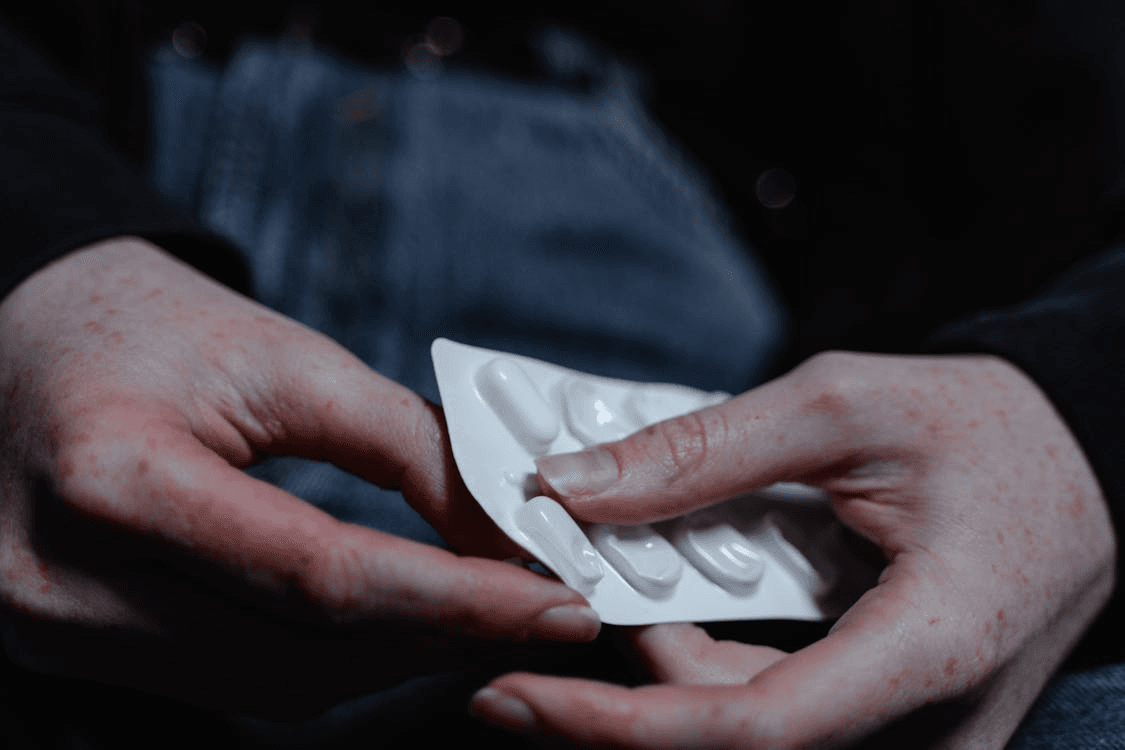
If you have a strong suspicion or know that your teenager has been using drugs, then getting a clear answer might be key. You can use drug test kits for definitive answers, although it is important to note that they can have false positives. Some parents use them secretly, but this can damage trust if your teenager finds out, making it harder for them to trust you and communicate in the future. Open the idea as part of a talk about safety and accountability, even offering to use them together. This can help you answer your own questions and make sure that clarity and honesty are a priority when talking about the topic with your kids.
Set Clear Boundaries
Even though they might be doing everything to exert their independence, teenagers still need structure. Not only do you want to set legitimate boundaries, but you also want to show that you care about the potential harm that alcohol and drugs can do. Clearly communicate your family’s expectations around substance use, what is and isn’t acceptable, and why those boundaries are in place to begin with. They’re not arbitrary rules; there are serious risks to drinking or using drugs. Outlining consequences in advance, such as removing access to phones and privileges, can make it clear what will happen if those boundaries are crossed. Accountability has to be mixed with concern for their safety and well-being. While there are no guarantees, teenagers are more likely to set boundaries clearly when they’re clearly set.
Seek Professional Support When It’s Necessary
If your concerns continue or escalate, then you might need to consider reaching out for professional help so that you don’t have to handle the situation alone. Talking with school counsellors, family therapists, or the doctor can help you broach the topic with some support, but you might also want to look into addiction treatment centres. Early intervention can help prevent issues from becoming much more serious, and you can even address any potential underlying issues behind substance use with the help of therapy for addiction treatment. Professional guidance can also help you develop effective strategies for communication, boundaries, and support at home, even if you don’t decide to go for the more direct treatment route yet.
The threat of alcohol and drug use is common and even prevalent for a lot of young people. While it’s easy to have an emotional reaction to the discovery, first and foremost, it’s important to think about what is going to be helpful, given the situation.
