
*This article contains affiliate links*
Why Feeding Birds in Winter Matters
Feeding garden birds might not feel like a priority when life is busy, money is tight and everyone is focused on feeding their own families first. It’s a difficult winter for many households, and putting food on your own table will always come before feeding wildlife. That is completely understandable.
Having said that, if you can spare a bag of seed, a few suet balls or even some basic kitchen scraps, it really does make a difference. This time of year is especially hard for birds, and even small contributions help them survive the coldest months.
This article explores why feeding birds in winter matters, how simple it can be, and why it offers benefits not just for nature, but for families too.
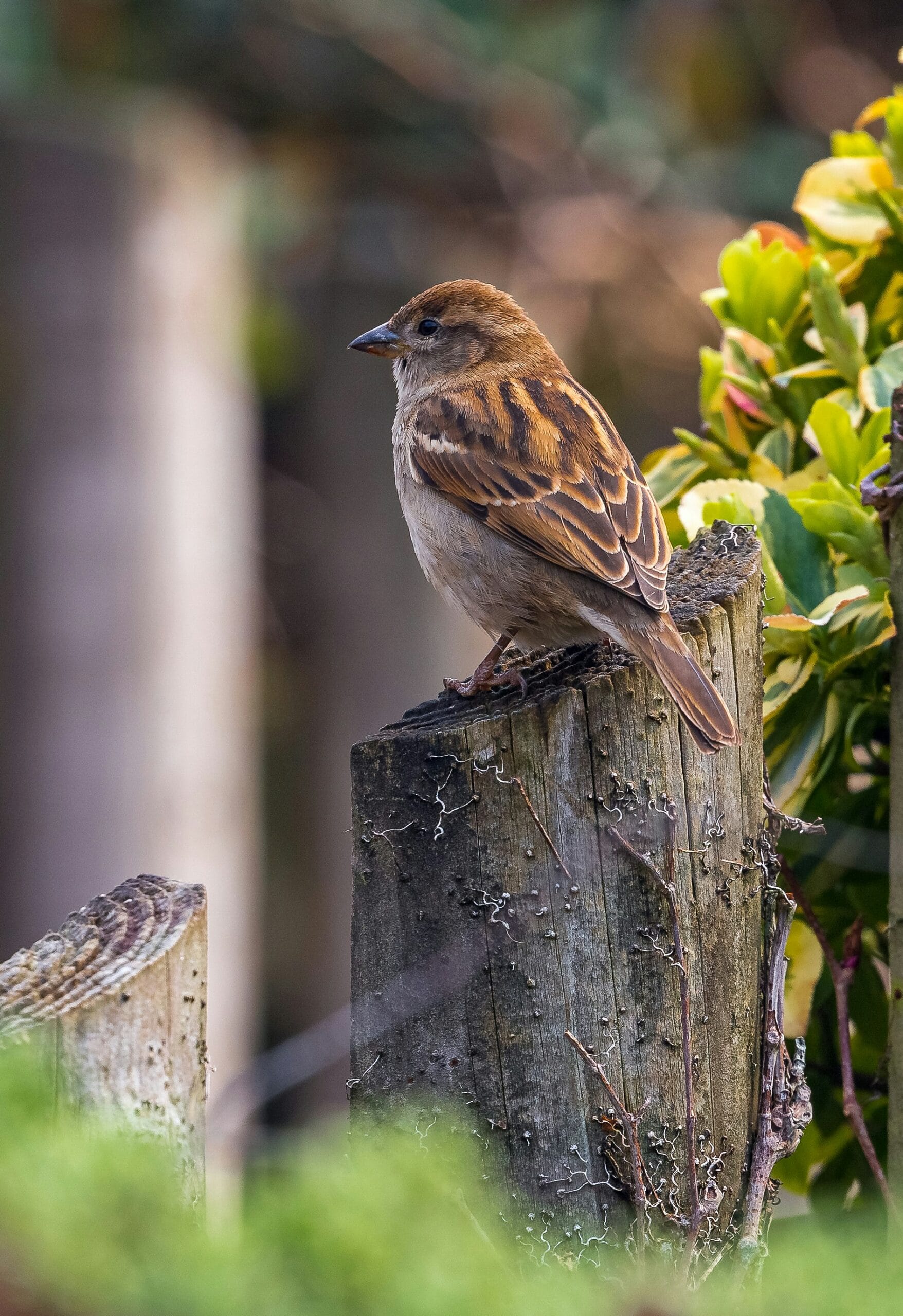
Winter Is the Hardest Season for Birds
During spring and summer, birds have access to a wide variety of natural food sources — insects, berries, caterpillars, seeds, fruit and foliage. By autumn, these food sources begin to decline. Once winter sets in, many of them simply disappear.
Short daylight hours, freezing temperatures and bare landscapes make the season a constant battle for survival. Birds burn huge amounts of energy each day just to stay warm. When the ground is frozen, or trees and hedgerows are stripped of berries, the challenge becomes even greater.
For many species, a consistent supply of food through winter is the difference between surviving until spring or not making it through.
It’s Not About Doing Something Big — Small Actions Really Do Help
When budgets are stretched, and the weekly shop feels tighter than ever, it’s important to remember that supporting birds doesn’t have to be expensive or complicated. You don’t need specialist feeders or premium seed mixes. Birds in winter aren’t looking for luxury — they’re simply looking for enough calories to get through another night.
Affordable options include:
- Mixed bird seed: One of the cheapest and most versatile choices.
- Suet balls or fat blocks: Packed with energy and ideal for freezing weather.
- Peanuts (unsalted): A favourite for many garden birds.
- Dried mealworms: A boost of protein when insects are scarce.
- Budget-friendly scraps: Chopped apples, porridge oats, grated cheese or small amounts of stale bread.
Even putting out a handful of seed every few days helps. Birds will quickly remember your garden as a reliable stop-off point and return regularly. Places like Home Bargains, B & M and even supermarkets have low cost wild bird food on sale from as little as 99p.

Your Garden Becomes a Lifeline
When natural food is scarce, neighbourhood gardens become survival routes. Birds travel between gardens looking for safe, reliable feeding spots. Every feeder — whether it’s a full setup or a single seed tray — becomes part of a network that supports local wildlife.
Even small gardens, balconies or window sills make a difference.
A simple feeder placed where children can watch it becomes more than just a place for birds to stop. It becomes a tiny ecosystem of movement and life in the middle of winter. Blackbirds, robins, blue tits and finches will often appear within days, especially if food is available consistently.
Why Feeding Birds in Winter Matters for Families Too
Supporting wildlife isn’t only beneficial for the birds — it brings something meaningful into family life as well.
1. It teaches children about nature in a real, hands-on way
Watching birds visit a feeder gives children a daily connection to wildlife. They learn species names, become aware of the seasons and observe behaviour up close.
2. It provides calm, screen-free moments
Winter can feel long and heavy. Seeing birds flit around outside the window brings a small moment of joy and movement when everything else feels dark and slow.
3. It encourages responsibility without cost or pressure
Children enjoy topping up a feeder or breaking up scraps, and it becomes a simple weekly job that teaches care and attention.
4. It helps families feel part of something bigger
Supporting wildlife creates a quiet sense of doing good — especially during tough times.
Keeping Feeding Realistic and Affordable

This winter, many households simply don’t have spare income. If feeding birds feels like an impossible extra, it’s absolutely fine to pause. Wildlife support should never become a source of guilt or pressure.
If you do find yourself able to pick up a small bag of seed or a couple of suet balls while doing your usual shop, those few pounds go further than you might think.
Birds don’t need perfection. They don’t need daily feeding at the same time every day. They need small, steady bits of support that help them through the coldest periods.
Simple Routine to Get Started
If you’re new to feeding birds, keep it easy:
- Choose one feeder and place it where you can see it.
- Fill it with seed or suet — whichever is most affordable.
- Check it once or twice a week, not every day.
- Scatter any safe kitchen scraps if the weather turns icy.
- Replace water in a shallow dish if temperatures drop below freezing.
That’s it. This routine fits around busy family life and doesn’t require ongoing expense.
Why Your Support Matters
Even small contributions to winter feeding help bird populations remain stable. They allow adult birds to survive until spring, ensuring they are healthy and strong when it’s time to breed. This has a ripple effect on the local ecosystem.
In a world where natural habitats and food sources are shrinking, gardens play a crucial role. Whether you put out a large feeder or a handful of oats on a cold morning, your effort counts.
That’s why feeding birds in winter matters — not because we’re expected to do something huge, but because every small act helps.
