
While it’s totally true that having different vibes throughout the home should definitely be a thing, what about the vibe outside? Better yet, what about the vibe of connecting the two spaces? If you’ve ever seen those celebrity home tours, like the ones done on Architectural Digest, then you might have noticed that most of them try to keep their indoor living space and their outdoor living space as close together as possible.
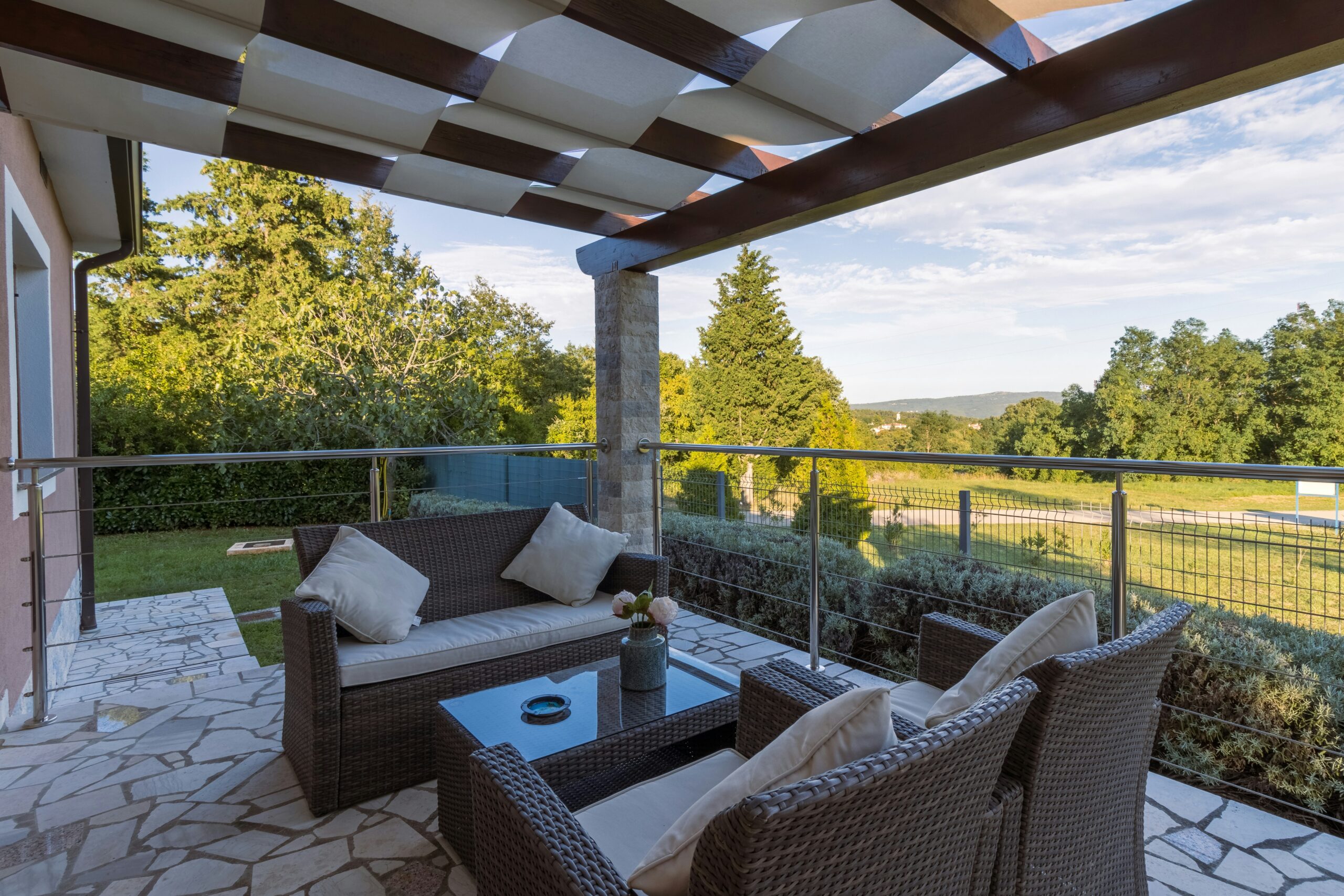
In fact, they even have the perfect awnings from Open Space Concepts that really help create that seamless transition. Plus, on top of that, the furniture and décor they use outside aren’t overly outdoorsy either. Obviously, they’re hiring interior designers to help extend their living space and keep this unique yet seamless transition, and honestly, you don’t need to be a celebrity designer to do this.
Oh no, it’s something that you could do, too, if this is something you’ve always dreamt of. So, with that said, here’s exactly what you need to know when it comes to creating this harmonious transition from indoor to outdoor!
Just Embrace Openness
One thing you really need to keep in mind is the fact that the key to a seamless transition between indoor and outdoor living spaces lies in embracing openness and connectivity. There can’t be walls (physically and metaphorically speaking).
So, you’ll really want to consider architectural elements such as sliding glass doors, French doors, or folding glass walls that effortlessly blur the lines between interior and exterior spaces. This is really the way to do it. Plus, these expansive openings not only flood your indoor spaces with natural light but also provide uninterrupted views of your outdoor surroundings, creating a sense of continuity and connection.
Choose Consistent Flooring Material
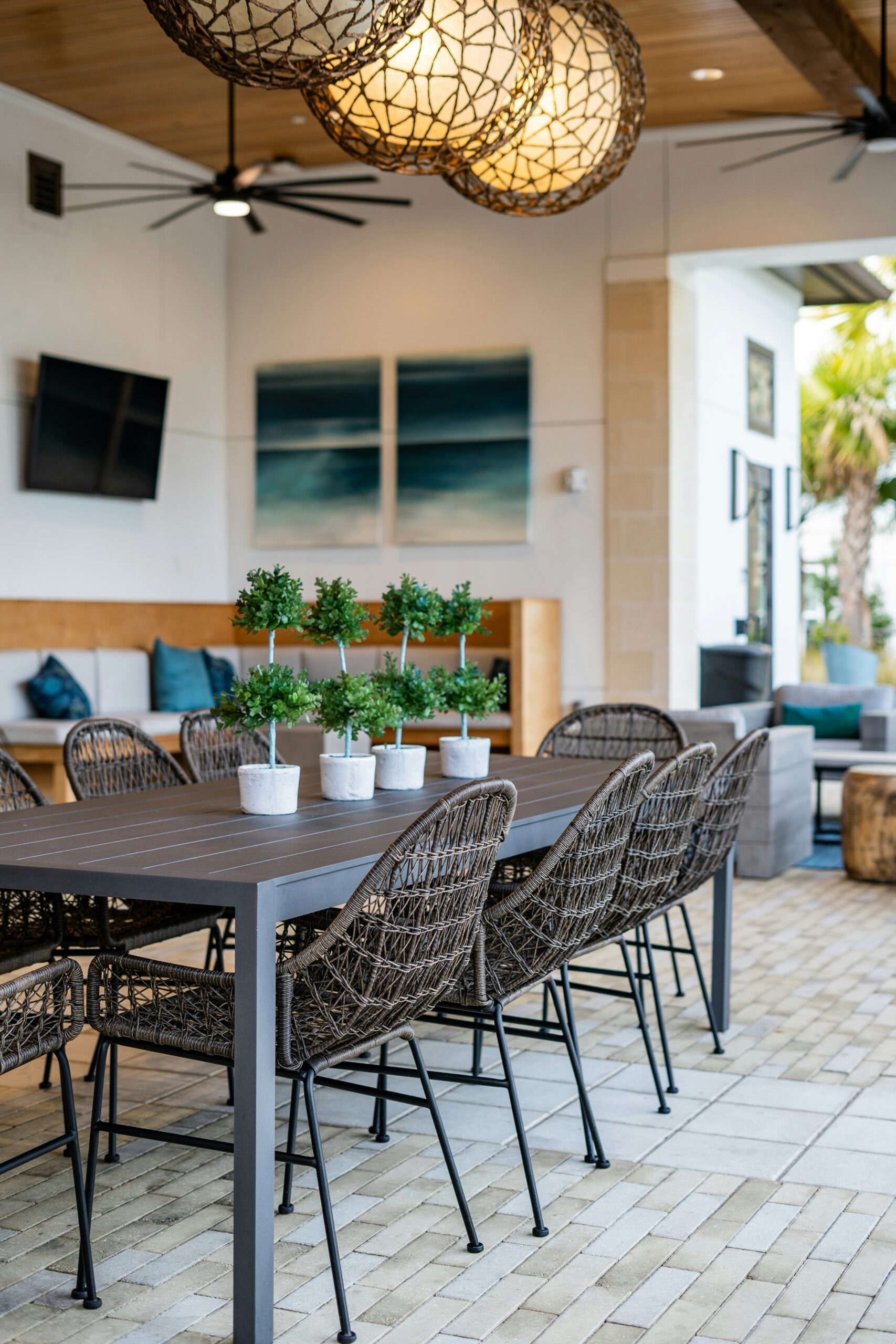
So, the whole goal is to make a blend, a blend that really tricks the eye into thinking that everything is uniform. So, to achieve a cohesive look and feel between your indoor and outdoor spaces, your best bet would be to opt for flooring materials that seamlessly transition from one area to the next. Of course, this means that you have to be careful with what you choose because not all materials work outdoors and vice versa.
Just be on the lookout for durable and weather-resistant materials such as stone, tile, or hardwood that can withstand outdoor elements while complementing the style of your interior décor. Consider extending the same flooring material from your indoor living area onto your outdoor patio or deck to create a unified visual flow.
Think About the Traffic Pattern
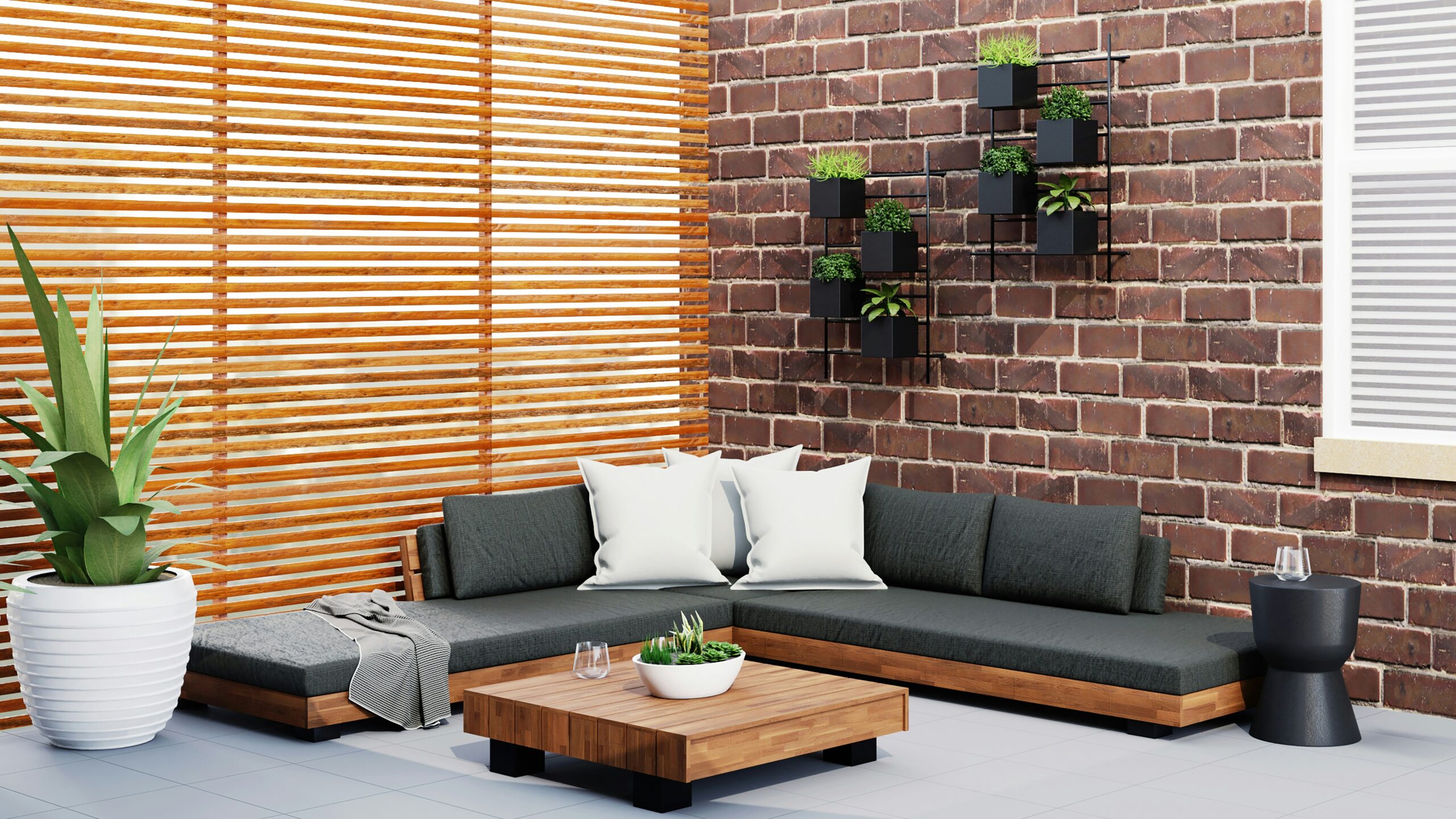
Alright, so this one probably makes next to no sense, but this one is pretty important! But this lies in with the layout of your space (and patterns do affect this). Arrange furniture and fixtures in a way that facilitates easy circulation between indoor rooms and outdoor zones, allowing for effortless transitions and connectivity throughout. The actual patterns and colours within the furniture and home accessories should line up and be cohesive, or even these will instantly create that separation between the two areas.

3 comments
I really appreciated how you framed the transition as less about matching everything exactly and more about creating visual continuity. The tip about embracing openness really resonated with me—those folding glass walls and sliding doors can completely change how a home feels. I’ve always loved the idea of French doors opening onto a patio, but I hadn’t thought about how much the flooring matters in making the two spaces feel like one room. Using the same stone or hardwood indoors and out is such a simple trick, yet it makes a huge difference in tricking the eye into seeing a unified flow, as you put it.
The traffic-pattern point also got me thinking. We tend to focus on furniture placement inside but forget that the path from kitchen to patio needs to feel just as intentional. I’d love to know: when you’re working with a smaller patio, do you think it’s better to mirror the indoor flooring exactly, or use a similar tone in a different material for easier maintenance?
One thing I’ve started doing with any complex project—whether it’s
By the way, I found some related content on my site that might interest you: https://itreachesguide.com
I really appreciated your point that the key to a seamless transition lies in “embracing openness and connectivity.” It makes total sense—using sliding glass doors, French doors, or folding glass walls really does blur the line between inside and outside, and the natural light plus uninterrupted views help everything feel like one continuous space. The tip about choosing consistent flooring material resonated with me too; extending the same stone, tile, or hardwood from the indoor living area out onto the patio is such a clever way to trick the eye into seeing the spaces as unified.
On a lighter note, this whole idea of blending elements to build a cohesive identity reminds me a lot of building a custom player in a basketball fantasy game. If you enjoy mixing different skills and styles to create something unique, you might have fun with https://hoopervault.com, where you can create your own hooper by drafting legendary abilities and shaping your own basketball legacy.
After reading “How to Create a Harmonious T”, I liked how practical the whole piece feels. Here’s exactly what you need to know when . One related page I keep coming back to is https://teaatlas.app; it adds another useful angle.