
Clear aligners have transformed orthodontics. Invisalign and similar systems let people straighten teeth discreetly, comfortably and without regular wire adjustments. There is one problem that catches almost everyone out at some point: aligners get lost, damaged or accidentally thrown away.
For many patients, the shock comes when they contact their Invisalign dentist and are told that replacing a few missing aligners will cost several hundred pounds. In some cases, it can be close to the price of starting treatment again.
The good news is that this is not your only option. There are now much smarter, more affordable ways to replace aligners or continue treatment without starting from scratch.
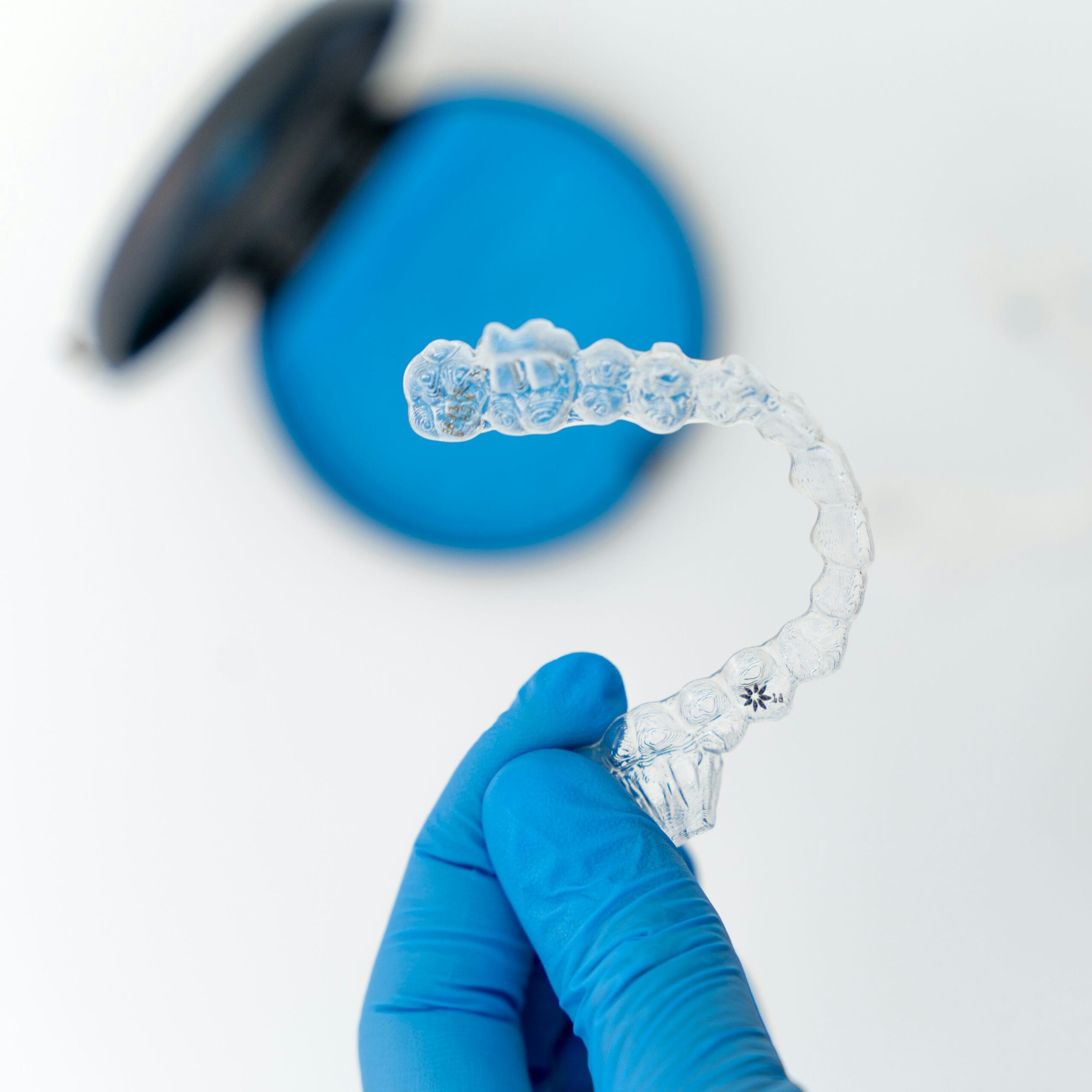
Why Invisalign replacements are so expensive
Invisalign is a closed system. Your dentist does not actually manufacture your aligners; they order them from Invisalign using your digital scans. When replacements are requested, the dentist must submit new orders and Invisalign charges them accordingly. The clinic then adds their own fees for scanning, administration and chair time.
That is why even one or two missing aligners can suddenly cost hundreds of pounds.
What many people do not realise is that Invisalign is only one brand of clear aligner, not the only way to create a perfectly fitted plastic tray for your teeth.
Your teeth do not belong to Invisalign
Once your teeth have been scanned, the 3D model of your mouth exists digitally. That scan can be used to create:
- Replacement aligners
- Passive retainers
- New treatment plans
- Aligners from other brands
You do not have to stay locked into one provider forever.
Under UK data protection law, you can request a copy of your digital scan from your dentist. Many people do not realise this and assume only Invisalign can access their records.
Option 1: Ask another dentist to make replacement aligners
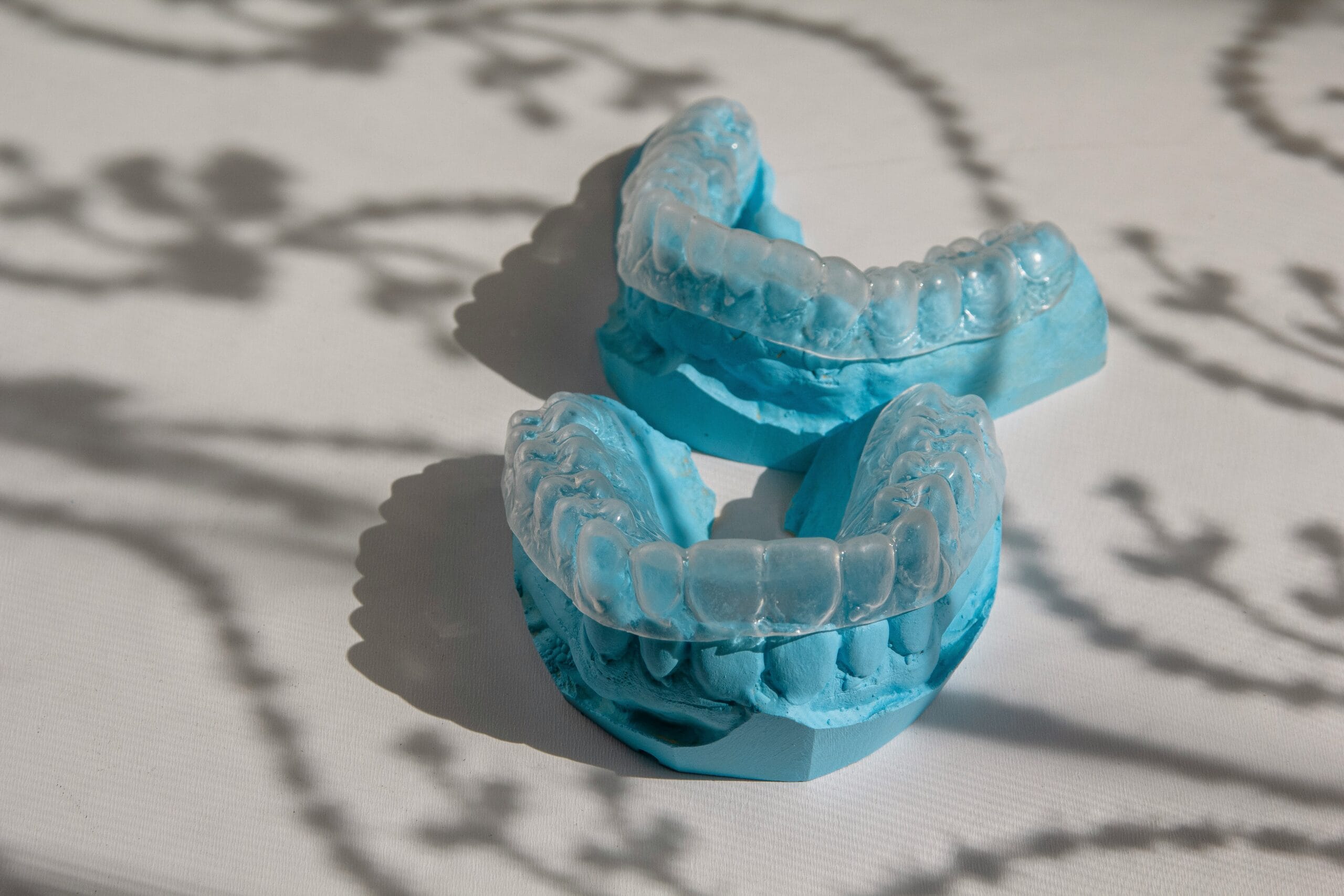
Many orthodontic clinics now use independent clear aligner systems or dental labs. These labs can create aligners from scans or impressions without using Invisalign at all.
A new dentist can:
- Scan your teeth
- Use your previous scan
- Create a replacement aligner or retainer
This often costs a fraction of what Invisalign charges, because you are paying for the physical product, not a proprietary system.
This works especially well if:
- You only lost one or two aligners
- You are near the end of treatment
- You just need to stay in position
Option 2: Use retainers to hold your teeth while you sort replacements
If you have lost an aligner mid-treatment, your teeth can start drifting surprisingly fast. Instead of rushing back to Invisalign at full price, another dentist can make you a clear retainer (often called an Essix retainer).
This will:
- Hold your teeth where they are
- Prevent regression
- Give you time to decide what to do next
Retainers are much cheaper than active aligners and buy you breathing space.
Option 3: Switch to a different clear aligner brand
Invisalign is not the only medically approved aligner system. There are now multiple UK-based providers that offer dentist-designed clear aligners at lower cost.
These systems:
- Use modern 3D scans
- Provide staged aligners
- Are overseen by registered dentists or orthodontists
- Are often more flexible and affordable
If you have already done part of your straightening, a new provider can often continue from where you are, rather than starting again.
Option 4: Use a hybrid or remote aligner service
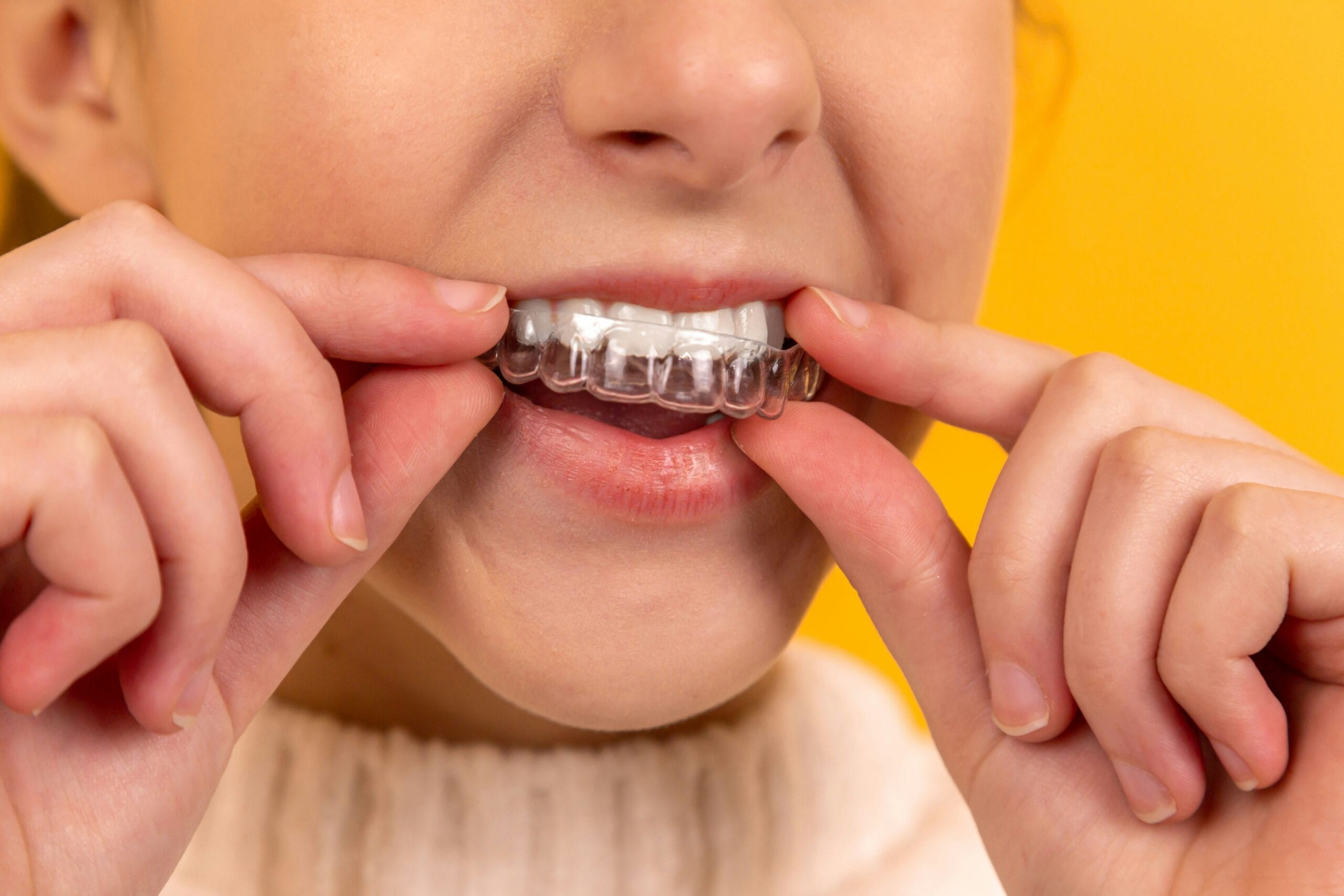
Some modern aligner providers operate partly online. You are scanned in person, but most of the planning and check-ins happen digitally. This reduces overheads and often reduces costs.
This can be ideal for:
- Teenagers
- Students
- Families managing multiple orthodontic bills
- People who just need minor corrections
It also means lost aligners are often cheaper to replace, because they are not tied to a premium brand.
What to avoid
There are very cheap mail-order aligner companies that offer treatment with little or no dentist involvement. These can be risky, especially if you are mid-treatment or have a complex bite.
Teeth are attached to bone, nerves and joints. Moving them incorrectly can cause:
- Pain
- Gum recession
- Bite problems
- Long-term jaw issues
Always make sure any aligner system you use is designed and monitored by a registered dental professional.
What to do if you have lost your aligners
- Ask your current dentist for a copy of your digital scans and treatment plan.
- Get quotes from other orthodontic clinics for replacement aligners or retainers.
- Consider whether switching to a different aligner brand makes financial sense.
- Use a retainer to stop teeth moving while you decide.
You do not need to accept the first expensive option you are given.
The bigger picture
Clear aligner technology has advanced rapidly, but pricing models have not always kept up. Many families are still paying premium brand fees when the underlying technology is now widely available.
Whether this is for a teenager who lost an aligner, or an adult who simply cannot justify another £600 bill, there are now far smarter ways to stay on track without compromising dental safety.
