
Why do some children refuse fruit and vegetables?
Many parents face the challenge of children refusing fruit and vegetables at some stage. While it can feel frustrating, this behaviour is completely normal and often linked to developmental phases.
Children may avoid fruit and vegetables because:
- They are sensitive to texture, taste, or smell
- They prefer familiar, predictable foods
- They are asserting independence through food choices
- They have had negative experiences with certain foods
According to child nutrition experts, repeated exposure and low-pressure environments are key to improving acceptance over time. Forcing or pressuring children to eat certain foods can often have the opposite effect.
Signs your child may be a selective eater
Understanding whether your child is simply going through a phase or is a more selective eater can help guide your approach.
Common signs include:
- Refusing entire food groups, particularly fruit or vegetables
- Eating a very limited range of foods
- Strong reactions to new textures or flavours
- Preferring processed or “safe” foods
- Anxiety around trying new foods
While this can feel concerning, there are practical ways to support healthier eating habits without turning mealtimes into a battle.
Healthy snack ideas for kids who refuse fruit and vegetables
The key is to offer nutrient-rich options in ways that feel safe, familiar, and appealing.
1. Smoothies packed with hidden nutrition
Smoothies are one of the easiest ways to include fruit and vegetables without overwhelming children.
Try combinations such as:
- Banana, peanut butter, and a handful of spinach
- Frozen berries, yoghurt, and oats
- Mango, carrot, and orange juice
The sweetness of fruit helps mask the taste of vegetables, while the texture remains consistent and easy to accept.
2. Fruit and veg “disguised” in familiar foods
Blending or incorporating vegetables into foods children already enjoy can be highly effective.
Ideas include:
- Grated courgette or carrot in muffins
- Tomato and vegetable sauces blended smoothly for pasta
- Mashed sweet potato mixed into pancakes
- Vegetable-packed homemade pizza bases or toppings
This approach helps increase nutrient intake while gradually building familiarity.
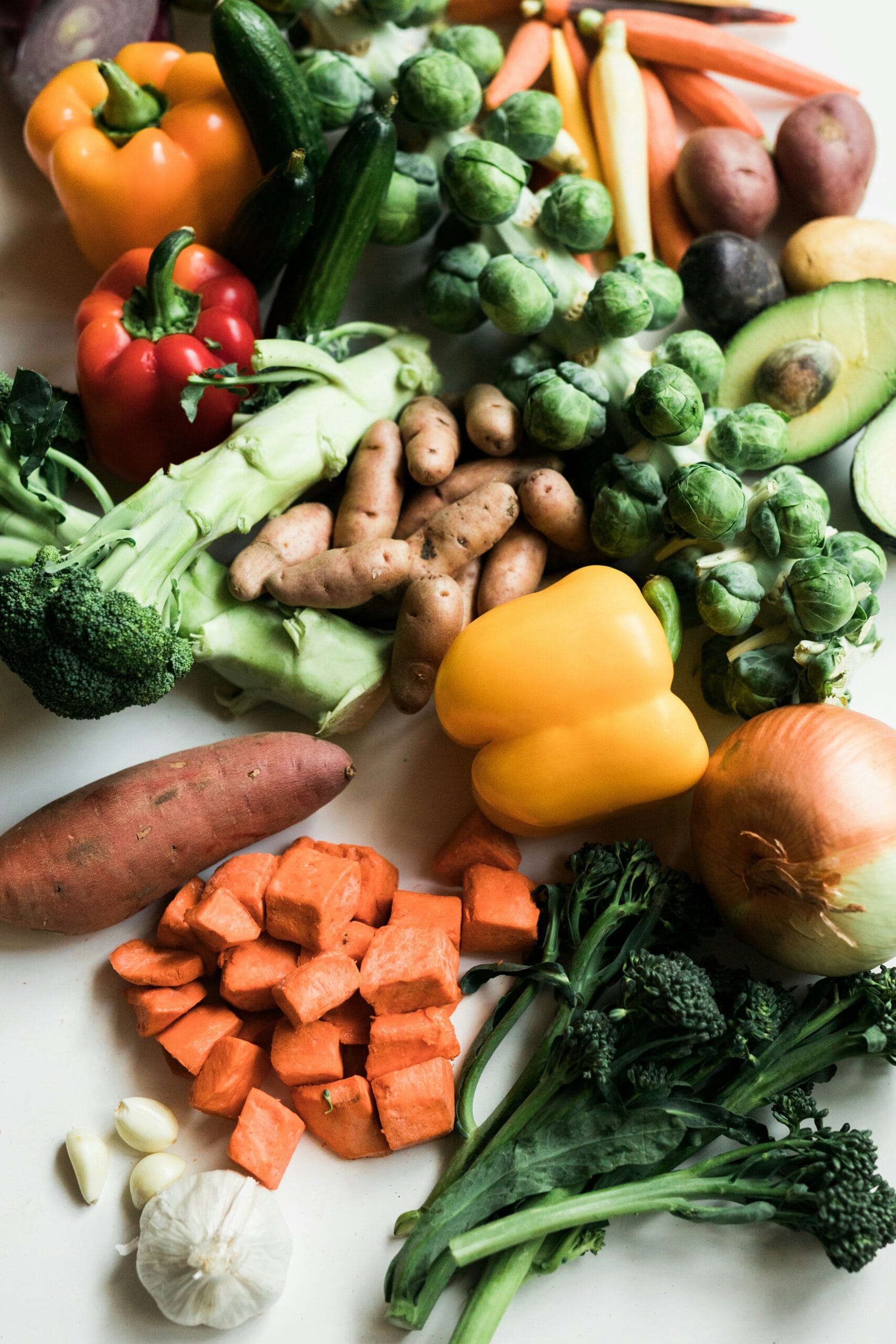
3. Freeze-dried fruit and vegetable snacks
Freeze-dried options can be a good stepping stone for children who dislike fresh textures.
They offer:
- Crunchy, predictable textures
- Concentrated natural sweetness
- A longer shelf life for convenience
While not a complete replacement for fresh produce, they can help bridge the gap for reluctant eaters.
4. Dips and finger foods
Many children are more willing to try foods when they can dip and explore independently.
Try serving:
- Carrot sticks, cucumber, or peppers with hummus
- Apple slices with peanut butter
- Crackers with avocado or cream cheese
Presentation matters here. Small, colourful, and easy-to-handle portions can make a big difference.
5. Fruit and veg powders as a simple boost
For particularly resistant eaters, fruit and vegetable powders can provide an easy nutritional top-up.
These can be added to:
- Smoothies
- Yoghurts
- Porridge
- Baked goods
This is not about replacing whole foods long-term but about supporting nutrient intake while gradually improving food acceptance.
6. Homemade snack bars and bites
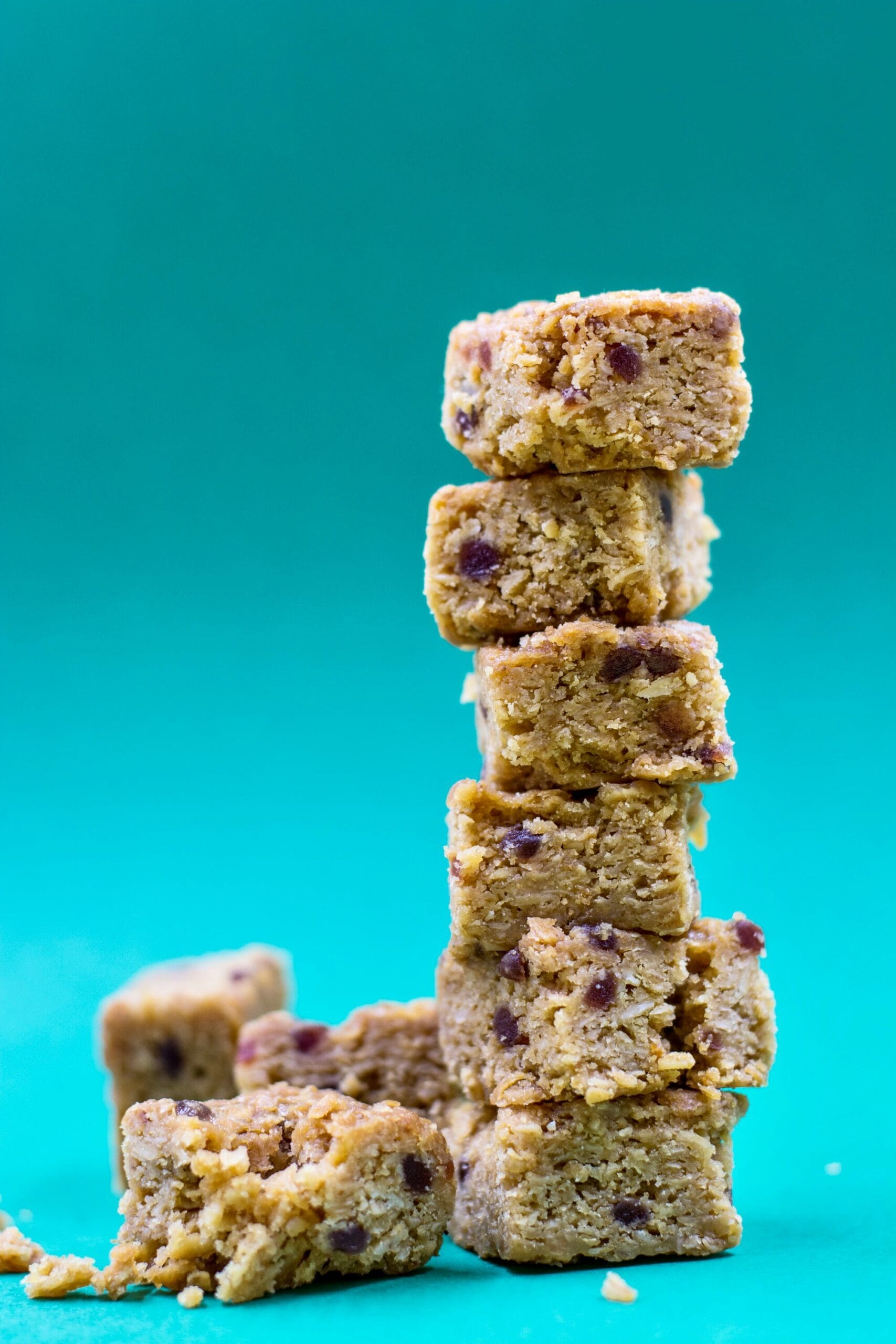
Making snacks at home allows full control over ingredients while keeping flavours familiar.
Simple ideas include:
- Oat bars with blended dates and hidden fruit
- Energy balls with cocoa, nuts, and fruit puree
- Banana bread with added vegetables
These snacks often feel like treats, which can reduce resistance. You can, of course, also buy pre-prepared high-protein snacks which are good to have in the cupboard for when you don’t have a lot of time to bake.
7. Make food fun and interactive
Engagement can be just as important as the food itself.
Try:
- Creating fruit skewers or rainbow plates
- Letting children build their own snacks
- Using shapes or cutters to make food visually appealing
Children are far more likely to try foods they have helped prepare.
What not to do when children refuse fruit and vegetables
While it is tempting to push harder, certain approaches can increase resistance.
Avoid:
- Forcing children to eat specific foods
- Using food as a reward or punishment
- Labelling children as “fussy”
- Creating pressure or stress around meals
A calm, consistent approach is far more effective over time.
How to build long-term healthy eating habits
Helping children accept fruit and vegetables is a gradual process.
Focus on:
- Repeated exposure without pressure
- Eating together as a family where possible
- Modelling balanced eating habits
- Celebrating small wins
Research suggests it can take multiple exposures before a child accepts a new food. Patience is key.
When to seek additional support
In some cases, selective eating may go beyond typical behaviour.
Consider speaking to a professional if:
- Your child eats fewer than 10–15 foods
- There are concerns about growth or nutrition
- Mealtimes cause significant stress or anxiety
- Sensory sensitivities appear extreme
Early support can help prevent longer-term challenges.

Final thoughts: small changes, big impact
Healthy eating does not need to be all or nothing. For children who refuse fruit and vegetables, small, consistent steps can make a meaningful difference.
According to nutrition experts, creating a positive, low-pressure food environment is one of the most effective ways to support children’s eating habits. Over time, familiarity builds confidence, and confidence leads to willingness.
The goal is not perfection, but progress.
