
Why do some children feel bored at school?
Children feeling bored at school is more common than many parents realise. According to education specialists, boredom often stems not from laziness or lack of ability, but from a mismatch between a child’s needs and the learning environment.
A child may feel bored at school if:
- The work is too easy or repetitive
- They are not being challenged or stretched
- Teaching styles do not match how they learn best
- They struggle to see the relevance of what they are learning
- They feel disconnected from the classroom environment
Boredom can sometimes be misunderstood as disengagement or poor behaviour. In reality, it can signal that a child is ready for a different kind of stimulation or approach.
Signs your child is bored at school
Recognising the signs early can help parents take action before boredom affects confidence and wellbeing.
Common signs include:
- Saying school is “boring” or pointless
- Lack of enthusiasm for homework or learning
- Daydreaming or zoning out
- Frustration or irritability after school
- A drop in effort rather than ability
- Complaints of feeling tired despite little mental challenge
These behaviours are often mistaken for a lack of motivation. In many cases, the opposite is true.
How to support children who feel bored at school
1. Open up regular, pressure-free conversations
Start by creating space for your child to talk honestly about how they feel.
Instead of asking:
“Was school good today?”
Try:
- “What was the most interesting part of your day?”
- “Did anything feel too easy or repetitive?”
- “If you could change one thing about school, what would it be?”
This helps uncover whether boredom is linked to challenge, teaching style, or something else entirely.

2. Identify how your child learns best
Children who feel bored at school often thrive when learning is presented differently.
Some children learn best through:
- Hands-on activities and building
- Visual aids and demonstrations
- Movement and physical activity
- Problem-solving and real-world application
Understanding your child’s preferred learning style allows you to supplement school learning at home in a way that feels engaging rather than forced.
3. Introduce real-world learning opportunities
One of the most effective ways to combat boredom is to connect learning to real life.
This might include:
- Cooking to develop maths and planning skills
- Gardening to explore science and responsibility
- Budgeting pocket money to build financial awareness
- Simple DIY or building projects to encourage problem-solving
Real-world learning helps children see purpose in what they are learning, which can significantly boost motivation.
4. Provide additional challenge outside school
If schoolwork is not stretching your child, introducing additional challenges at home can make a big difference.
Options include:
- Puzzle books and logic games
- Coding apps or beginner programming tools
- Creative writing prompts or storytelling challenges
- Science kits or experiments
- Independent research on topics they love
The goal is not to add pressure, but to offer stimulation that matches their ability.
5. Encourage curiosity-led learning
Children are far more engaged when they explore topics they genuinely care about.
Encourage your child to:
- Ask questions and investigate answers
- Dive deeper into their interests (e.g. space, animals, technology)
- Create projects based on their passions
For example, a child interested in cars might:
- Learn how engines work
- Design their own model
- Research future vehicle technology
This kind of learning builds confidence and reignites interest.
6. Work with the school where possible
If boredom is ongoing, it can be helpful to speak with your child’s teacher.
Approach the conversation collaboratively:
- Share observations about boredom or lack of challenge
- Ask whether extension work or differentiated tasks are available
- Explore opportunities for enrichment or responsibility
Many schools are open to supporting children who need more stimulation, especially when approached constructively.
7. Focus on strengths, not just school performance
Children who feel bored at school can sometimes begin to doubt themselves, especially if their disengagement is misunderstood.
It is important to:
- Recognise and celebrate strengths outside the classroom
- Encourage skills such as creativity, leadership, or practical ability
- Reinforce that success is not limited to traditional academic achievement
This helps protect confidence and self-esteem.
8. Keep children physically active
Physical activity plays a key role in maintaining focus and motivation.
Children who are active:
- Concentrate better
- Feel more energised
- Manage frustration more effectively
Encourage regular movement through:
- Sports or informal exercise
- Outdoor play
- Family walks or activities
For children who struggle with traditional school environments, physical activity can be an essential outlet.
When to be concerned about boredom at school
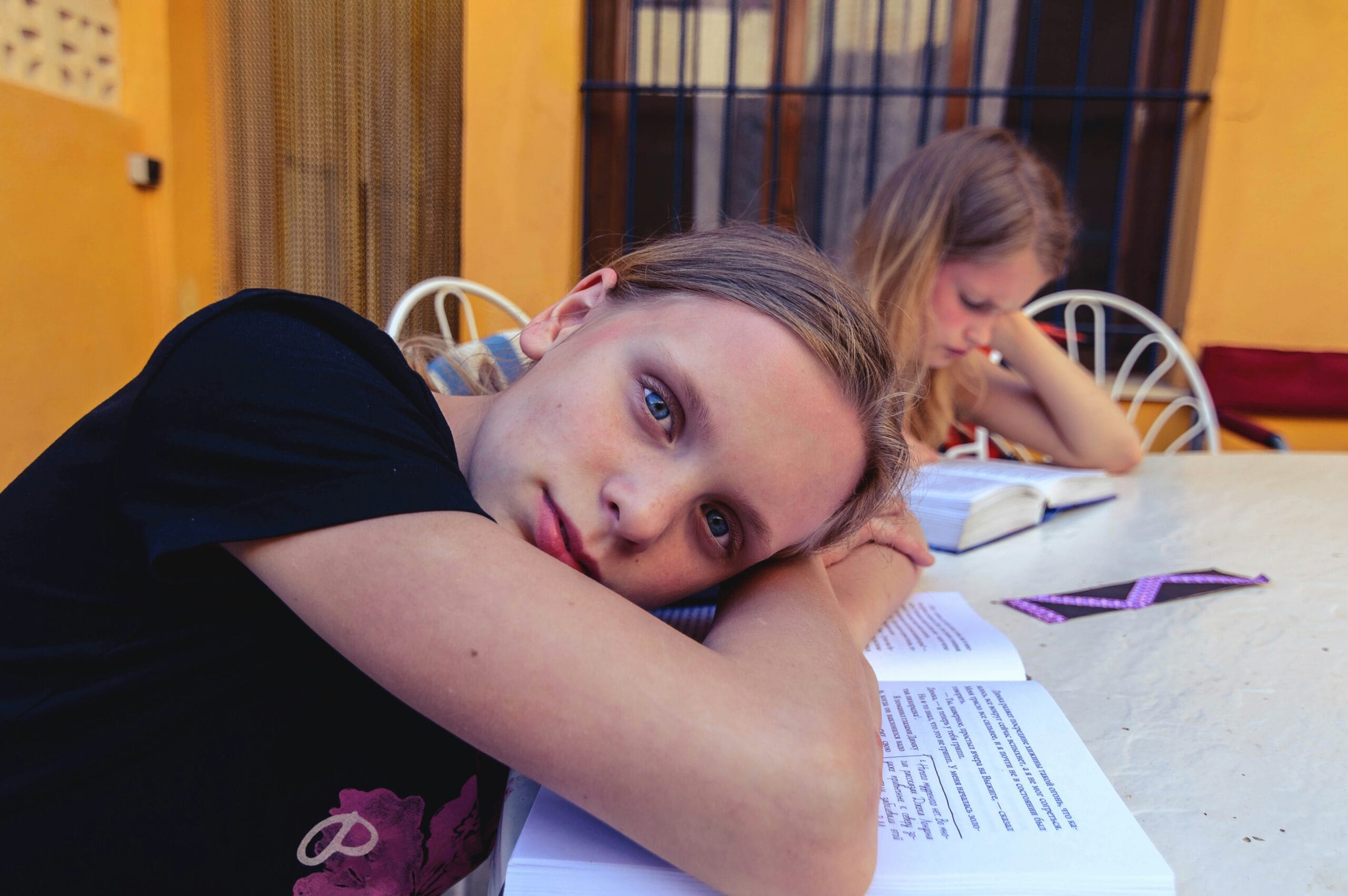
Occasional boredom is normal. Persistent boredom, however, may require closer attention.
Consider seeking additional support if:
- Your child’s mood or confidence is declining
- They refuse to engage with school altogether
- Behaviour changes significantly
- They express feeling misunderstood or frustrated most of the time
In some cases, boredom may be linked to unmet learning needs, including giftedness or specific learning differences.
Final thoughts: supporting children beyond the classroom
Supporting children who feel bored at school is about more than improving academic engagement. It is about recognising their individual needs, strengths, and ways of learning.
According to child development experts, children thrive when they feel challenged, understood, and connected to what they are learning. Small changes at home, combined with open communication and collaboration with schools, can make a significant difference.
Boredom is not a failure. It is often a signal that a child is ready for something more.
