
When school doesn’t feel like enough
Many parents reach a point where something does not quite sit right. It might be a child saying they are bored. It might be frustration over homework. It might simply be a sense that, despite doing everything expected, something is missing.
For some children, school works well. For others, it meets some needs but not all. This does not mean the system is failing completely, but it does mean that learning may need to be supported in other ways. Understanding this can shift the focus from worrying about school to thinking more broadly about how children learn.
Why school alone is not always enough
Schools are designed to educate large groups of children within a structured system. This brings consistency and organisation, but it also creates limitations.
Children may experience the following:
- A pace that does not match their ability
- Teaching styles that do not suit how they learn
- Limited time to explore interests in depth
- A focus on outcomes rather than understanding
At the same time, children are growing up in a world that encourages curiosity, independence, and constant access to information. The gap between these two experiences can lead to frustration or disengagement.
What supporting learning at home really means
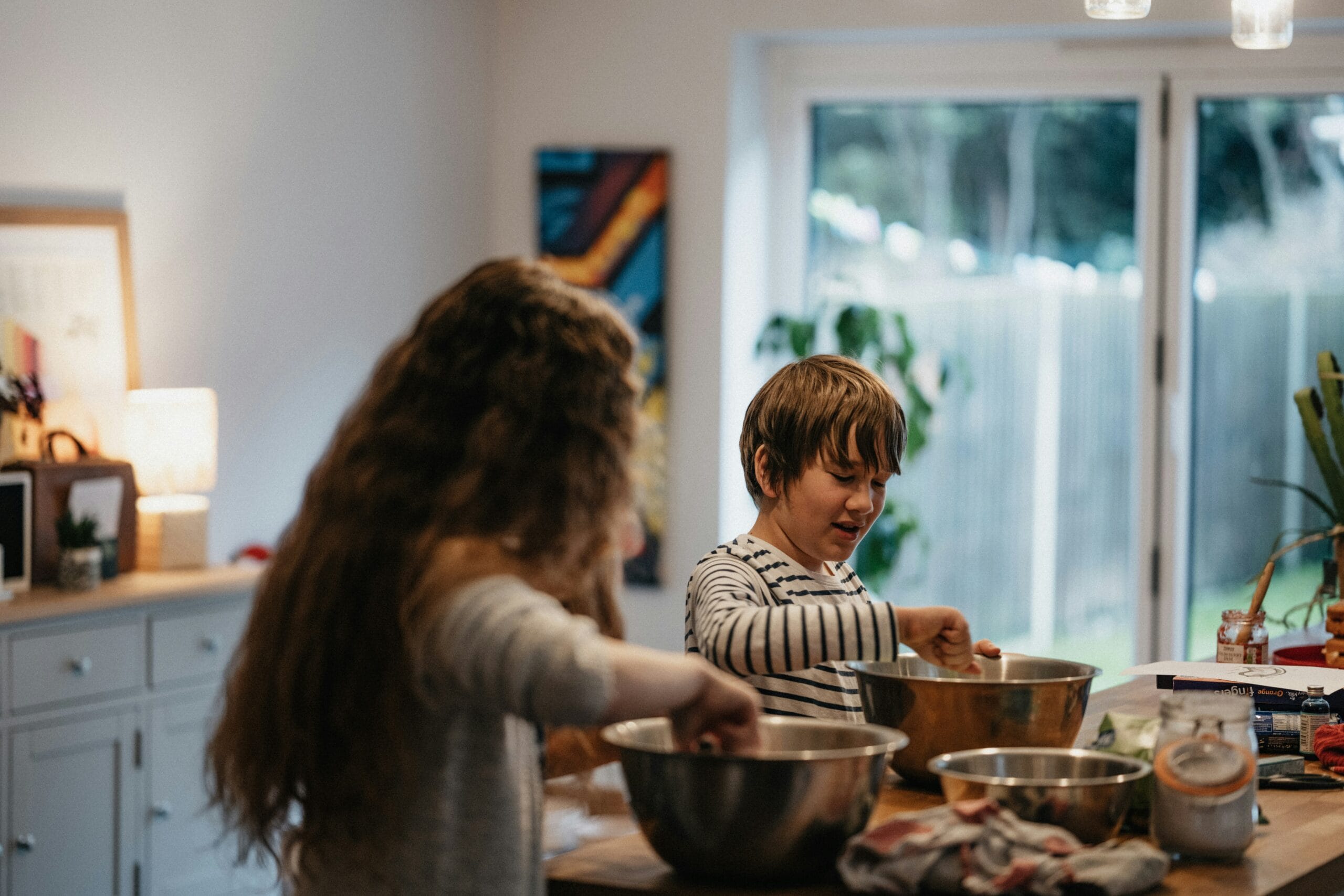
Supporting your child’s learning does not mean recreating school at home or adding more pressure. It is not about extra worksheets or strict routines. Instead, it is about creating an environment where learning can happen naturally, in ways that feel relevant and manageable. This often involves small, consistent changes rather than major adjustments.
Practical ways to support your child’s learning
Make learning part of everyday life
Some of the most effective learning does not look like formal education. Everyday activities can provide opportunities to:
- Solve problems
- Make decisions
- Apply knowledge
Cooking, planning a trip, managing money, or fixing something around the house all involve skills that support learning. When children see how knowledge is used in real situations, it becomes more meaningful.

Follow their interests
Children are more engaged when they are interested in what they are learning. Pay attention to what naturally draws their attention. This might be:
- Technology
- Sport
- Animals
- Building or creating
Supporting these interests can lead to deeper learning without resistance. It also helps children develop confidence in their abilities.
Encourage questions and curiosity
Learning often starts with a simple question. Giving children space to ask questions, even if they seem random or unrelated to school, supports independent thinking. It is not always necessary to have all the answers. Exploring questions together can be just as valuable.
Focus on understanding, not just results
School often focuses on correct answers and outcomes. At home, there is an opportunity to focus on the process.
This includes:
- How a child approaches a problem
- How they respond when something is difficult
- Whether they are willing to try again
These behaviours are closely linked to long-term learning and confidence.
Build confidence outside the classroom
Some children do not feel confident in a school setting, even if they are capable. Providing opportunities to succeed in other areas can make a significant difference.
This might include:
- Practical activities
- Creative projects
- Physical challenges
- Independent tasks
Confidence built in one area often carries over into others.
Use technology thoughtfully
Technology can support learning when used well. It can provide:
- Explanations in different formats
- Opportunities to explore topics in depth
- Ways to learn at an individual pace
The key is to use it as a tool for learning rather than passive consumption.
Keep expectations realistic
Supporting learning does not mean doing everything perfectly. There will be days when children are tired, distracted, or uninterested. This is normal. Consistency over time is more important than short-term effort.
When to take a closer look

In some cases, it may be worth exploring whether additional support is needed. This could include situations where:
- A child is consistently unhappy at school
- There is a noticeable drop in confidence
- Learning feels like a constant struggle
Speaking with teachers or exploring alternative approaches may help in these situations.
Linking learning at home and school
Supporting your child’s learning does not need to be separate from school. It can help to:
- Reinforce concepts in a practical way
- Build skills that support classroom learning
- Create a more balanced overall experience
This approach works alongside school, rather than replacing it.
Final thoughts
When school is not enough, it does not mean something has gone wrong. It often means that learning needs to be supported in a broader way.
Children learn in different ways and at different speeds. By recognising this and making small, thoughtful adjustments at home, it is possible to support both confidence and engagement.
The aim is not to add pressure, but to create opportunities for learning that feel natural, relevant, and sustainable over time.

4 comments
This article is absolutely brilliant! I’ve recently discovered a fantastic image generation tool on PictionaryHub
that’s perfect for having fun with friends. It really adds a whole new level of enjoyment to creative sessions!
The point about children feeling bored despite doing everything expected really resonates—sometimes the structured school environment simply doesn’t match how individual minds want to explore. I’ve found that creating calm, focused spaces at home can help bridge that gap, and surprisingly, gentle audio backgrounds from sites like https://freeasmr.net have become part of how we settle into independent reading or creative projects without it feeling like ‘extra schoolwork’.
I’ve been trying out this tool recently: https://www.timetoolhub.com/intermittent-fasting-schedule
, and it’s actually been super helpful! It’s made sticking to my fasting routine so much easier. Anyone else here trying intermittent fasting? Would love to hear how it’s going for you!
This is one of those articles that is easy to read from beginning to end. I’ve been curious about qué número es tu sueño, and your writing added another interesting viewpoint. Thank you for taking the time to create such thoughtful and reader-friendly content.