
*This article contains affiliate links*
Why packing for a family holiday feels so stressful
Packing for a family holiday often starts with good intentions and quickly becomes something far more complicated. There is usually a sense that everything needs to be thought of in advance, because once you arrive, it may not be easy to replace forgotten items.
For parents, this pressure can lead to overpacking. Bags become heavier, organisation becomes more difficult, and travel itself becomes more stressful before the holiday has even begun. At the same time, many families find that they return home having barely used a significant portion of what they packed.
Finding a better balance is not about being minimalist for the sake of it. It is about packing in a way that supports the trip, rather than making it more complicated.
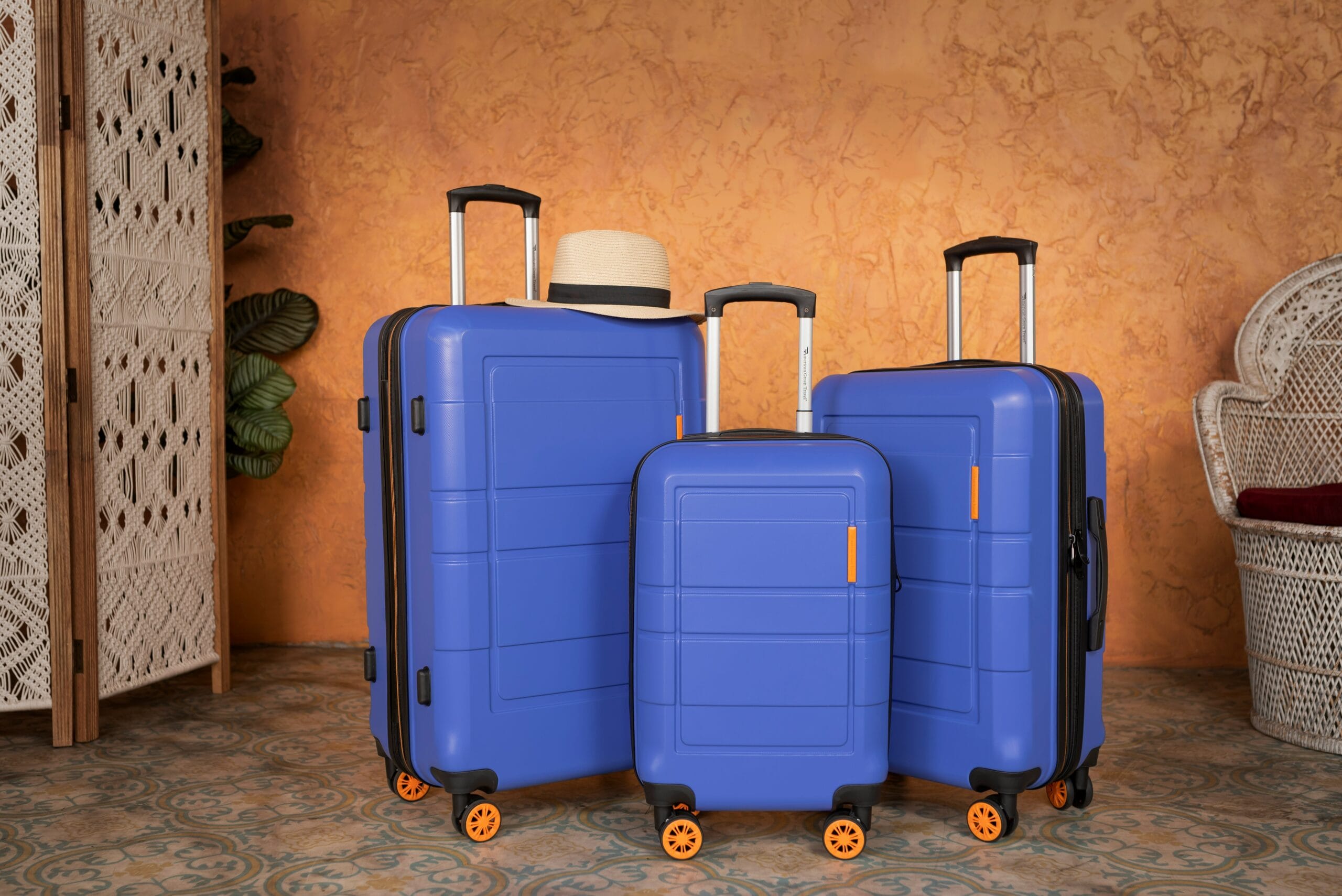
Why we tend to pack too much
Overpacking is often driven by uncertainty. It is natural to want to be prepared for every possible situation, particularly when travelling with children.
Parents may think about:
- Changes in weather
- Unexpected delays
- Children needing comfort items
- Limited access to shops
While these are all valid considerations, they can quickly lead to packing for every scenario rather than focusing on what is most likely to be needed.
In reality, most destinations provide access to basic essentials. Remembering this can help reduce the pressure to bring everything from home.
Focusing on what you will actually use
One of the simplest ways to improve packing is to think about a typical day on holiday. Rather than packing for “what if”, it helps to consider:
- What will be worn during the day
- What is needed in the evening
- What activities are planned
Clothing can often be reduced by choosing items that can be mixed and matched. Laundry facilities, even if used once during a trip, can also make a significant difference.
For children, comfort is usually more important than variety. Familiar, easy-to-wear clothes tend to be used far more than new or “just in case” outfits.
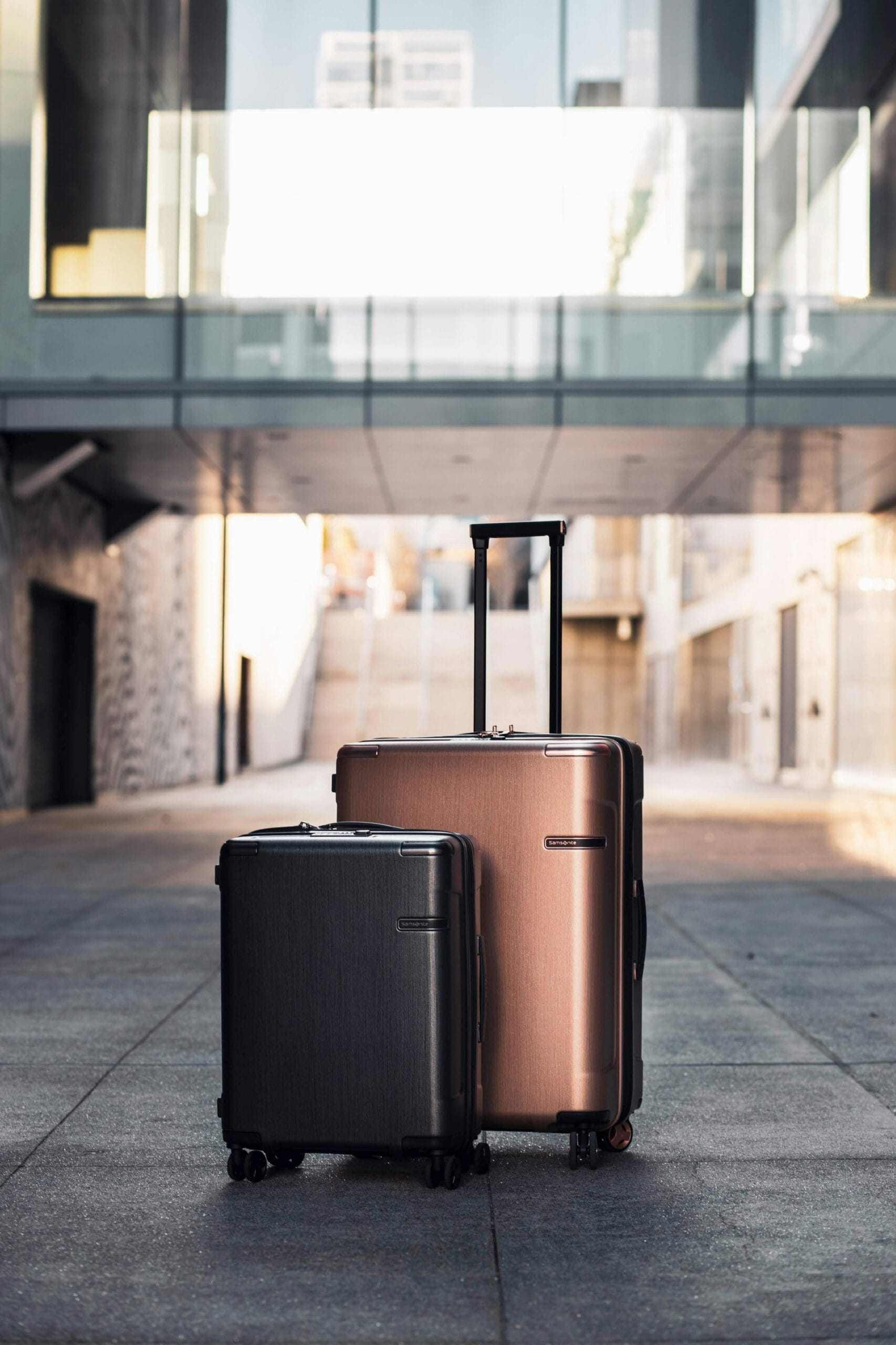
Keeping things manageable during travel
Packing is not just about what you take, but how easy it is to manage along the way. Heavy or overfilled bags can make:
- Airports more stressful
- Transfers more difficult
- Packing and unpacking more time-consuming
Keeping luggage to a manageable level allows for greater flexibility. It also reduces the likelihood of items being lost, forgotten, or left unused.
Where possible, it helps to ensure that each person’s essentials are easy to access, particularly during travel days. Packing cubes can massively help with this!
What tends to be essential for family travel
While every trip is different, certain items consistently prove useful. Clothing that suits the weather and planned activities is the obvious starting point, but beyond that, practical items often make the biggest difference. Comfortable footwear, basic toiletries, and a small number of familiar items for children can help maintain routine and reduce stress.
Travel documents, chargers, and any necessary medications should be kept organised and easily accessible. These are the items that are difficult to replace and can cause unnecessary disruption if forgotten.
It is often these simple, practical essentials that contribute most to a smooth trip.
What you can usually leave behind
Many items that feel important when packing turn out to be unnecessary. Large quantities of clothing, multiple pairs of shoes, and items packed “just in case” are often the first to go unused. Toys and entertainment are another area where it is easy to overpack. Children frequently engage more with their surroundings than with the items brought from home.
Toiletries and basic supplies can often be purchased at the destination if needed. Packing smaller amounts or planning to buy certain items on arrival can help reduce luggage significantly.
Letting go of the need to be prepared for every possibility makes packing simpler and more practical.
Making unpacking and daily life easier
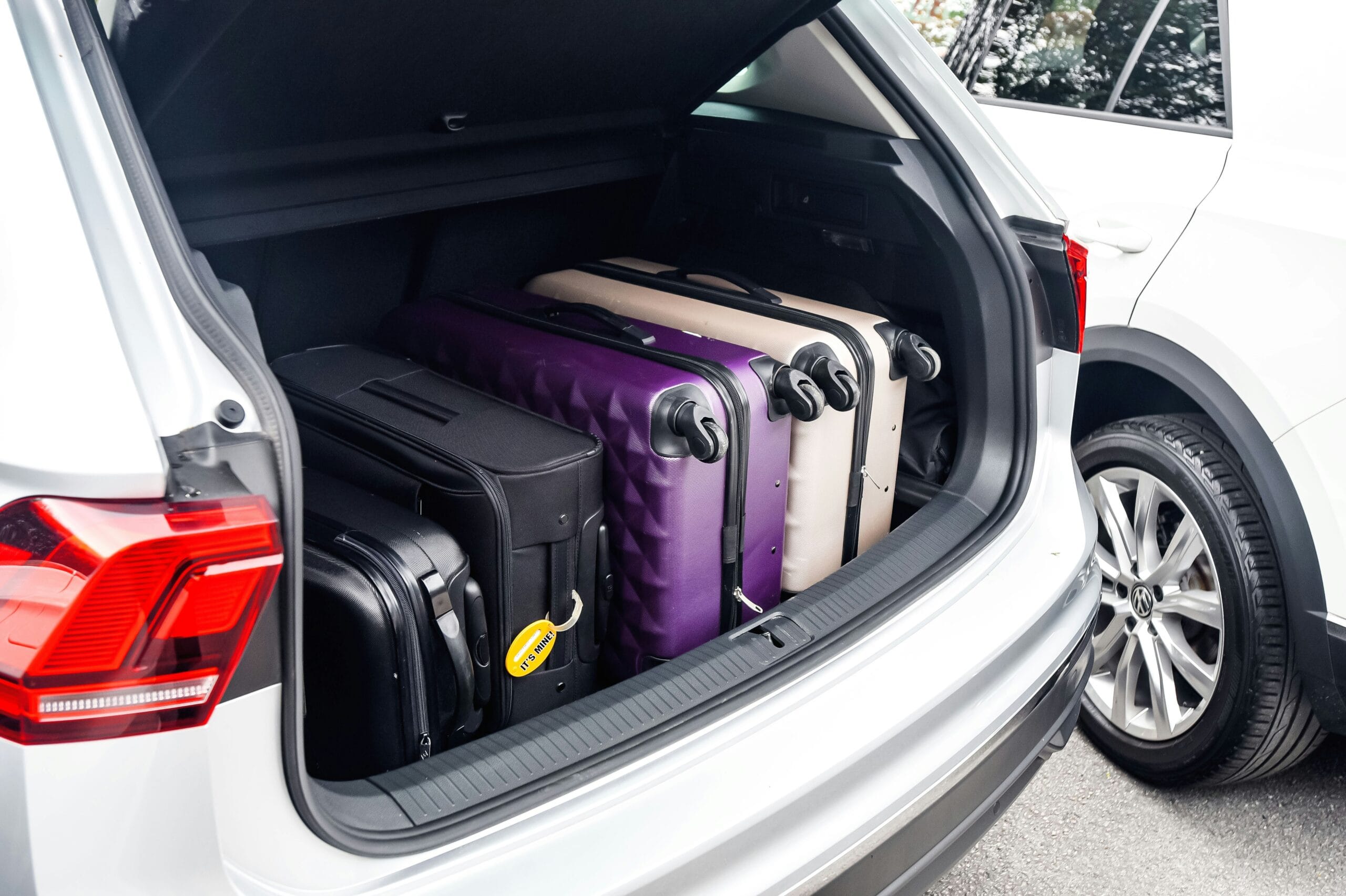
How you pack can be just as important as what you pack. Organising items so that they are easy to find can save time and reduce frustration during the trip. Keeping similar items together, separating essentials, and avoiding overfilling bags all contribute to a smoother experience.
When everything has a place, it becomes easier to settle into the destination and focus on enjoying the trip rather than managing belongings.
Packing with confidence rather than worry
Packing often reflects a desire to avoid problems. While this is understandable, it can sometimes lead to unnecessary stress.
A more helpful approach is to accept that not everything needs to be planned in detail. Most situations can be managed with what is available at the destination, and minor inconveniences are unlikely to affect the overall experience of the trip.
Packing with confidence, rather than trying to prepare for every possibility, can make the process feel far more manageable.
Final thoughts
Packing for a family holiday does not need to be complicated. By focusing on what is actually needed and letting go of unnecessary extras, it is possible to travel more comfortably and with less stress.
Over time, families tend to find a rhythm that works for them. Each trip provides a clearer sense of what is useful and what can be left behind. That experience becomes more valuable than any packing list.
The aim is not to pack perfectly but to pack in a way that supports a relaxed and enjoyable holiday.

2 comments
Who knew packing could be this tricky for families? It’s surprising to see that many parents pack for every scenario, but often end up not using half of it. Just thinking about managing heavy bags at airports feels tiring! Irasutoya Maker
This is such a practical take on family holiday packing — especially the point about packing for a typical day instead of every “what if”. Focusing on mix-and-match clothes, packing cubes, and leaving behind excess toys/just-in-case items makes the whole trip feel lighter.
https://animeexpeditionswiki.org/