
*This article contains affiliate links*
Why long-haul flights feel like a bigger challenge
For many families, the idea of a long-haul flight can feel like a step up from shorter journeys. A few hours on a plane is one thing, but managing children over a much longer period of time can feel more uncertain.
There is often concern about how children will cope with sitting for so long, how they will sleep, and how to handle boredom or restlessness. Parents may also worry about how they themselves will manage the journey, particularly if they are already tired before the trip begins.
While long-haul travel does bring additional challenges, it is often more manageable than expected once the journey is underway.
Understanding what children need during long journeys
Long-haul flights are not just longer versions of short flights. They involve different rhythms, including time zone changes, extended periods of sitting, and the need to rest in an unfamiliar environment.
Children generally need three things during these journeys:
- Comfort
- Familiarity
- A sense of routine
When these are in place, the experience tends to feel much easier, even if it is not perfect.
Preparing in a way that supports the journey
Preparation for a long-haul flight is less about bringing more and more about bringing the right things.
Clothing that is comfortable and easy to layer can make a significant difference, particularly as cabin temperatures can vary. Having a few familiar items, such as a favourite blanket or small comfort object, can help children feel more settled.
It can also help to think ahead about how the journey might flow. Planning loosely for periods of eating, resting, and activity can provide a sense of structure without needing to follow a strict schedule.
Helping children rest and sleep
Sleep is often one of the biggest concerns for parents on long-haul flights. While it is unlikely that sleep will be perfect, it is usually possible for children to rest, even if this looks different from their normal routine. Creating a calm environment can help, whether that means dimming screens, encouraging quiet activities, or simply allowing children to settle in their own way.
Accepting that sleep may be shorter or more broken than usual can also reduce pressure. Rest, even if it is not deep sleep, can still make a difference to how children feel on arrival.
Managing time without constant activity
It is easy to feel that children need to be constantly entertained during a long flight. In reality, trying to fill every moment can be exhausting for both parents and children.
A more balanced approach is often more effective. Periods of activity can be followed by quieter time, allowing children to move between different levels of energy. Watching something, drawing, talking, or simply looking out of the window can all play a role.
Long-haul flights naturally break themselves up into different stages, and allowing the journey to unfold gradually can make it feel more manageable.
Keeping children comfortable throughout the flight
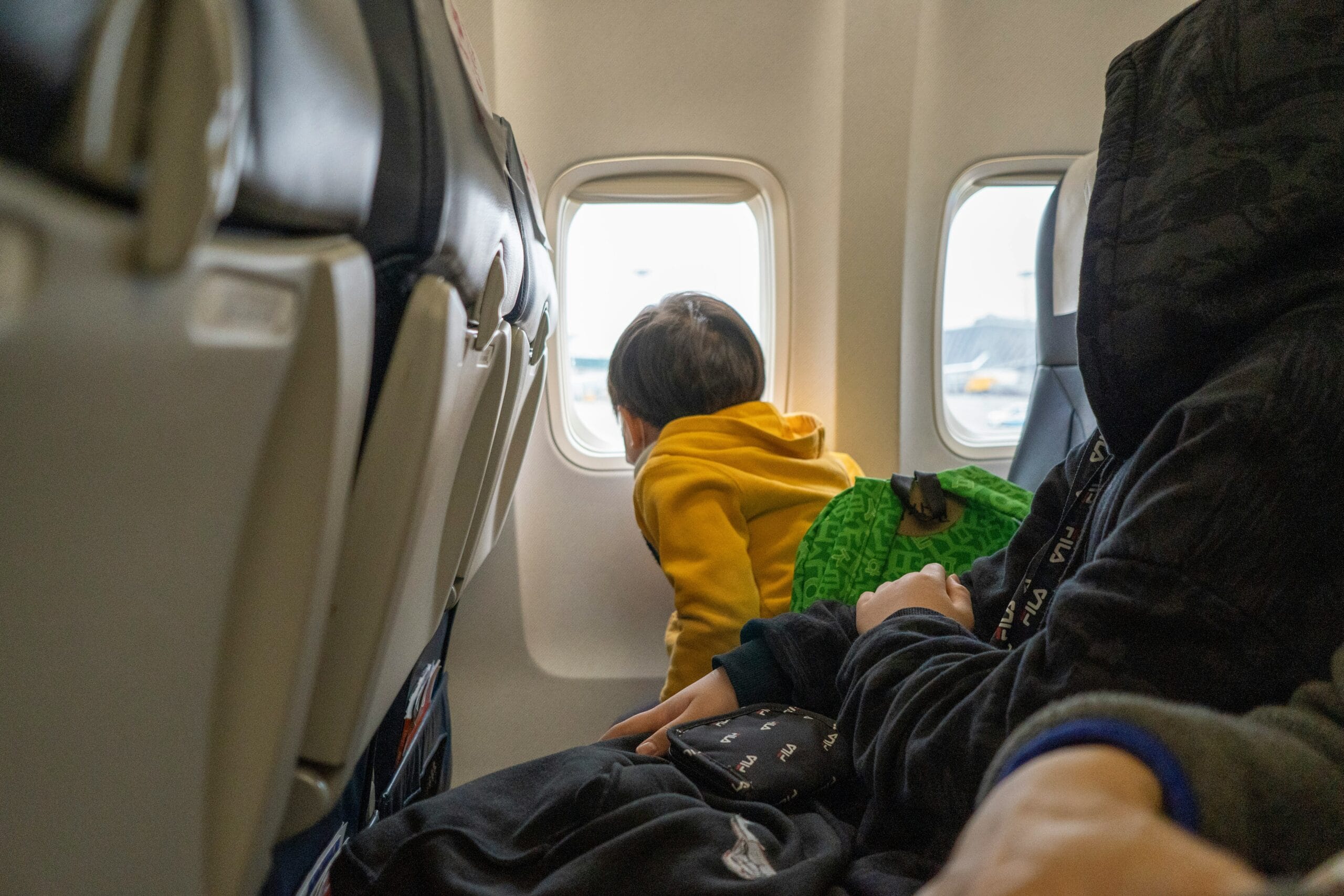
Physical comfort can make a significant difference on a long journey. Encouraging children to adjust their position, stretch where possible, and stay hydrated can help prevent discomfort. Small changes, such as removing shoes or adding layers, can also make it easier for them to settle.
Food can also play a role. Having familiar snacks alongside in-flight meals can provide reassurance and help maintain energy levels, particularly if children are not keen on unfamiliar options.
Managing your own expectations as a parent
One of the most important aspects of long-haul travel is mindset. It is unlikely that everything will go exactly to plan. Children may become restless, sleep may be disrupted, and there may be moments of frustration. This is a normal part of travelling long distances.
Approaching the journey with realistic expectations can make it feel far less stressful. Rather than aiming for a perfect flight, it can be more helpful to focus on getting through the journey in a way that feels manageable.
Thinking beyond the flight
It can help to remember that the flight is only one part of the overall trip. While it may feel like a significant challenge in the moment, it is temporary. Once the journey is complete, the focus shifts to the destination and the experiences that follow.
For many families, long-haul travel opens up opportunities that would not otherwise be possible. Keeping this in mind can help put the effort of the journey into perspective.
Final thoughts
Long-haul flights with kids are rarely completely straightforward, but they are often more manageable than expected. By focusing on comfort, maintaining a flexible approach, and letting go of unnecessary pressure, families can navigate the journey with greater ease.
Over time, both parents and children become more familiar with long-distance travel, and what once felt daunting can begin to feel achievable.
The aim is not to eliminate every challenge, but to create a journey that allows everyone to arrive ready to enjoy what comes next.

2 comments
Just finished the early access content thanks to this subnautica 2 guide. Your vehicle upgrade recommendations were spot on. Can’t wait for more chapters!
Great tips for traveling with kids! I’ve found that having some fun activities on hand can also make a big difference. Check out FunBoxie for some travel-friendly games and toys.