
Finding the right nursing home for a loved one is one of the most consequential decisions a family will make, and very few people feel adequately prepared when the time comes. The process involves balancing medical needs, personal preferences, location, and cost, often whilst managing the emotional weight of the situation itself. Understanding the landscape first makes every subsequent decision easier.
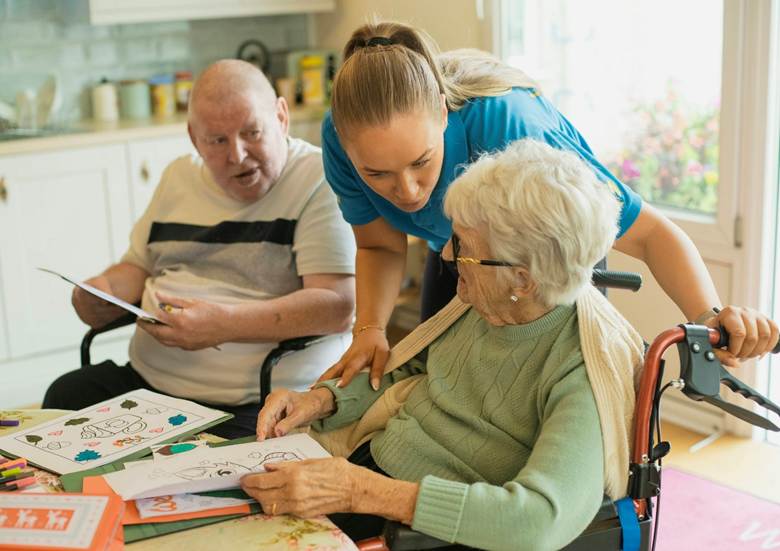
Around 70 per cent of all care home residents in the United Kingdom live with dementia or severe memory problems, according to the Alzheimer’s Society, with an estimated 309,000 people living in residential or nursing home settings across the country currently affected. That figure reflects how central specialist cognitive care has become to the nursing home sector and why families searching for the right placement need to look closely at whether a home has the staff training, the environment design, and the daily routines specifically suited to residents living with dementia.
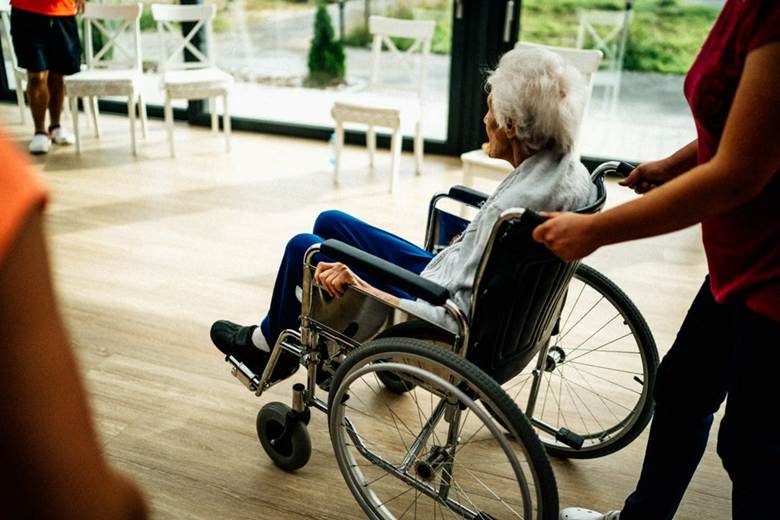
Understanding the Different Types of Care
Not all nursing homes offer the same level of support, and selecting the right type of care setting depends entirely on the individual’s needs.
Nursing Homes – A nursing home provides 24-hour care from qualified nurses, alongside accommodation and personal care, for individuals with complex medical needs, chronic illness, or physical conditions requiring regular clinical attention. This is the appropriate setting when medical oversight is needed on an ongoing basis rather than during scheduled appointments.
Residential Care Homes – A residential care home offers accommodation and personal care, including assistance with washing, dressing, and daily activities, without the requirement for on-site nursing staff. This level of care suits individuals who need consistent support with daily living but whose medical needs do not require a qualified nurse to be present at all times.
Dementia Nursing Care – Specialist dementia nursing homes combine the clinical oversight of a nursing home with environments and routines designed specifically for residents living with Alzheimer’s disease, vascular dementia, and other forms of cognitive decline. Staff training, secure layouts, sensory activities, and consistent care team allocation all differ meaningfully from a standard nursing home setting.
Hospice Nursing Care – For individuals approaching the end of life, hospice nursing care focuses on comfort, dignity, and quality of remaining time rather than curative treatment. Specialist palliative care teams work alongside families to ensure pain is managed effectively and that every aspect of the person’s care reflects their wishes and values.
What to Look for During a Visit
A CQC inspection rating is a useful starting point, but it is not the whole picture. When visiting a nursing home, observe how staff interact with residents in unscripted moments, not just during the formal tour. Ask how continuity of care is managed, meaning whether the same carers work with the same residents consistently. Find out how the home communicates with family members when there is a change in a resident’s condition. And look at whether the environment feels lived-in and genuinely comfortable rather than simply clean and institutional.
Average Weekly Care Costs in England
Nursing home fees vary significantly by region, care type, and whether funding is self-arranged or supported by the local authority. Below is a general reference:
| Care Type | Average Weekly Cost | Notes |
| Residential Care Home | £800 – £1,200 | Personal care without nursing |
| Nursing Home | £1,000 – £1,500 | Includes qualified nursing support |
| Dementia Residential Care | £900 – £1,350 | Specialist environment and staff |
| Dementia Nursing Care | £1,100 – £1,700 | 24-hour nursing with dementia specialism |
| Hospice Nursing Care | £1,200 – £1,800 | End-of-life and palliative care focus |
| London and South East Premium | Add 15 – 30% | Regional cost uplift typical |
Figures based on general England care home market data (2025-2026). NHS Continuing Healthcare funding may cover costs for those with primary health needs assessed as eligible.
Five Nursing and Residential Care Homes Worth Knowing
Choosing a care home is deeply personal, and what works for one family will not suit another. The five homes below cover a range of locations across the South East and represent different types of care provision worth exploring.
1. Avalon Nursing Home – Based in Eastbourne on the East Sussex coast, Avalon Nursing Home offers nursing and residential care within a setting that benefits from the town’s relatively mild coastal climate and strong local amenity. Suitable for families in and around the Eastbourne area seeking nursing-level care close to home.
2. Ashton Grange Nursing Home – Located in West Sussex, Ashton Grange serves residents from across the county including those from Horsham and Crawley. It provides nursing care within a West Sussex setting, offering accessibility for families across the northern and central parts of the county.
3. Ashton House Residential and Nursing Home – Ashton House offers both residential and nursing care and is well situated for families in the mid-Sussex area, including Haywards Heath and Burgess Hill. The dual registration means the home can accommodate residents as their needs change over time, which provides meaningful continuity of care.
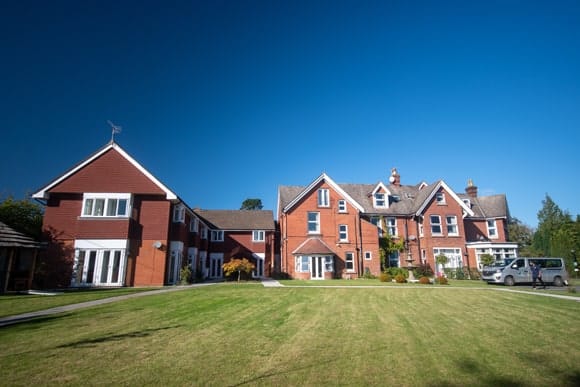
4. Ashtonleigh Residential Care Home – Ashtonleigh is a residential care home in West Sussex, drawing residents from across the county including those from Horsham. As a residential setting rather than a nursing home, it is suited to individuals who require regular personal care and support with daily living but whose needs do not yet extend to on-site nursing provision.
5. Ashton Meadows – Ashton Meadows is based in Kingston upon Thames and serves residents from across Surrey. It provides care within one of the South West London and Surrey area’s more accessible locations, combining proximity to the capital with a less urban residential setting.
Travelling Abroad While a Loved One Is in Care
Choosing the right nursing home can also give families greater flexibility when they need to travel. If a parent or relative is receiving appropriate professional care, family members can take a holiday knowing that their loved one’s everyday needs are being looked after by trained staff.
For example, families planning a trip to Thailand may want to spend time exploring Bangkok, taking a boat journey through historic canals, or visiting the famous Pattaya Floating Market. Being able to enjoy a holiday without worrying about whether a loved one is receiving meals, medication support, personal care, and appropriate supervision can provide considerable peace of mind.
Before travelling, however, relatives should speak with the care manager and make sure emergency contact details are up to date. It is also worth agreeing how the care home will communicate with the family if there is a significant change in the resident’s condition. With these arrangements in place, families can travel with greater confidence while ensuring their loved one continues to receive consistent care at home.
Taking the Next Step
Speaking directly with a home’s care manager before making a decision gives a clearer sense of how the home operates day to day than any inspection report alone. Most homes welcome family visits without an appointment during daytime hours, and a visit during a meal or activity period often reveals more about the daily rhythm of the home than a scheduled tour. Take your time, ask the questions that matter most to your family, and do not feel pressured to commit before you feel confident.
Sources: Alzheimer’s Society, Dementia in Care Homes (2025); CareHome.co.uk, Care Home Facts and Stats (November 2025); Nuffield Trust, Care Home Bed Availability in England (2025); Unique Care, UK Elderly Care Statistics 2025-2026 (June 2026)


5 comments
The statistic that around 70 per cent of all care home residents in the United Kingdom live with dementia really highlights the immense need for specialized facilities. Families absolutely must consider if a home has the specific staff training and environment design suited to cognitive decline, as the article emphasizes.
This is such an important reminder that choosing a nursing home is about far more than location and price. I’d want to know how well the staff understand dementia, what the daily routine looks like, and whether the environment actually feels comfortable and familiar for residents. The statistic about dementia being so prevalent among care-home residents really puts that responsibility into perspective. It’s a decision that deserves patience, careful questions, and plenty of thought—definitely not something to rush through before unwinding at https://q-bet.co.uk.
Choosing a nursing home really does require looking beyond the headline price or appearance of a facility. Medical and personal needs, staff quality, location, daily activities and the overall environment can all make a significant difference to a resident’s quality of life. Visiting several homes and asking detailed questions is especially valuable, as official guidance recommends comparing the care provided, staffing, costs and how well each home can meet current and future needs. It’s a difficult decision, but taking the time to research properly can give families much greater confidence in their final choice. aphroditecasino
I found the point about looking beyond a care home’s headline price or appearance especially useful, particularly the advice to observe how staff interact with residents during unscripted moments. It’s a good reminder that real-life details often matter more than first impressions, much like checking practical details such as faze rug height rather than relying on assumptions.
Thank you for sharing this well-researched article on What Families Need to Know Before Choosing a Nursing Home in England. The actionable tips and thoughtful perspective make it an outstanding resource.