
If you are a parent, you already know that the morning school run is a masterclass in negotiation. Getting everyone dressed, fed, and out the door with the correct bags and PE kits is a daily triumph. What happens, though, when that normal morning rush turns into a source of deep, heartbreaking distress?
When a child is struggling with school anxiety or Emotionally Based School Avoidance (EBSA), the morning routine can feel impossible. While we often focus on how to support the child, we rarely talk about the immense toll this takes on the parents left trying to hold everything together.

The Hidden Emotional Toll on Mums
If you have ever found yourself in tears after a disastrous morning drop-off, please know you are far from alone.
New research commissioned by Minerva Virtual Academy (MVA) surveyed 2,000 UK parents dealing with emotionally based school avoidance, revealing just how heavy this burden is:
- 28% of parents affected by school refusal said weekday mornings had become the most distressing part of family life.
- More than one in five had cried after an unsuccessful attempt to get their child into school.
- Almost a quarter said the experience had made them feel as though they were failing as a parent.
- 21% of mothers reported that their mental health had deteriorated severely, while 24% experienced anxiety or panic attacks.
School refusal is rarely a case of a child simply acting up. Parents surveyed reported anxiety, autism, ADHD, bullying and unmet additional needs as driving factors.
Yet families are frequently left waiting for support, with 15% of parents waiting for a formal diagnosis and a further 14% having waited more than two years.
The Financial Squeeze: When School Avoidance Impacts Family Income
During these long waits, parents are still expected to manage each morning and keep family life moving. When a child is too distressed to be left at the school gates, someone has to be at home.
This leads to a staggering financial impact.
Across the families surveyed, 42% estimated that their household had lost up to £10,000 as a result of their child’s attendance problems.
More than a third of fathers reduced their working hours, and nearly one in three left work altogether just to manage the crisis at home.
For families already navigating the emotional challenges of school avoidance, the additional pressure of lost income can make an incredibly difficult situation even harder.
Finding a Gentler Path: Exploring Alternative Education Options
Admitting that a mainstream school setting is not working can feel incredibly daunting. Sadly, the system doesn’t always make it easy to find alternatives.
Almost 90% of families surveyed said they had not been given clear guidance about alternative education options.
While traditional home education is a brilliant choice for some, it requires parents to take on the full responsibility of teaching – a massive stretch if you are already juggling work, household finances and your own mental health.
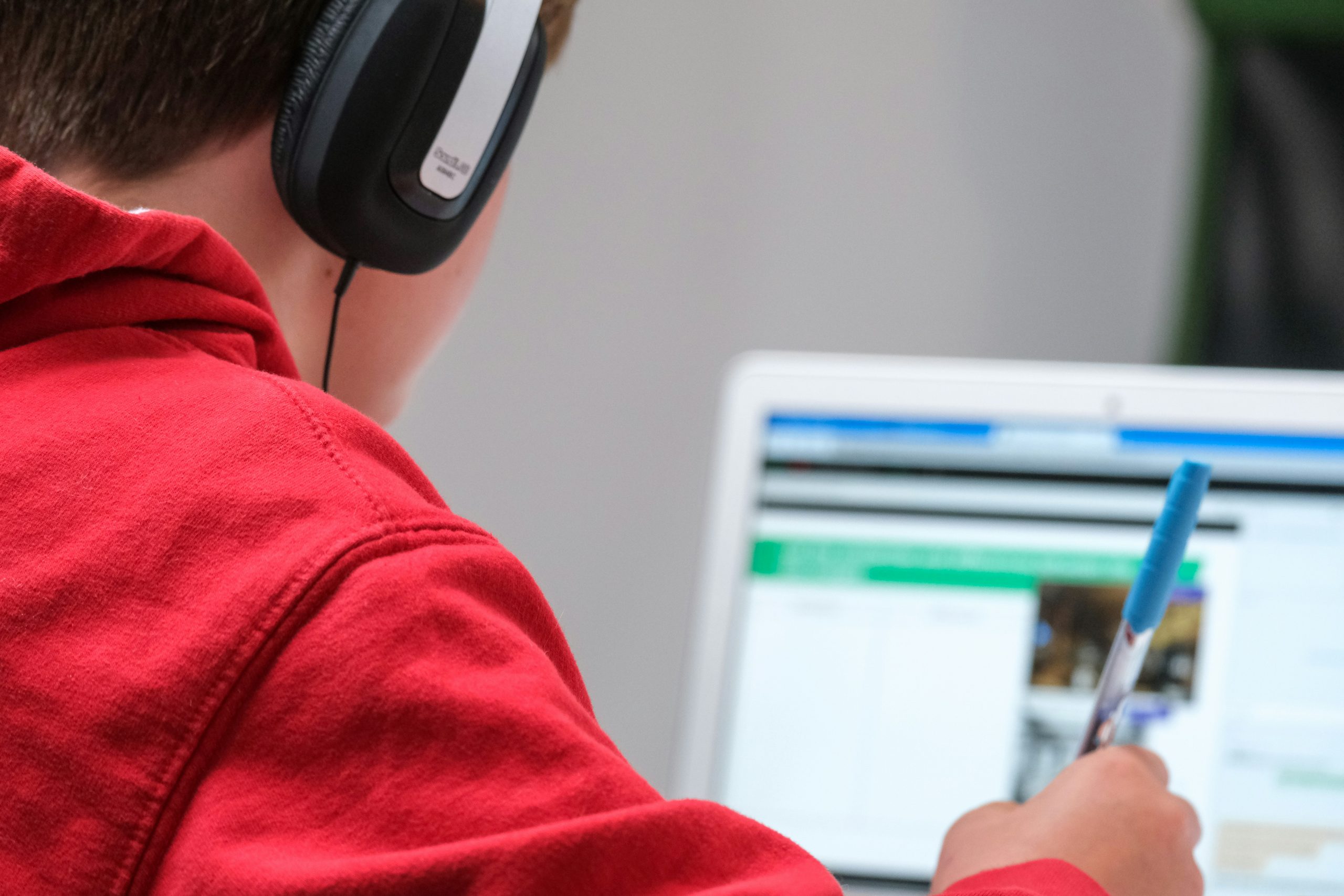
If you want your child to continue receiving structured, professional teaching without the sensory and social pressures of a physical classroom, an online school can offer an alternative.
At Minerva Virtual Academy, a structured online secondary school combines learning from home with live lessons, independent study and dedicated weekly mentoring.
This approach takes the pressure off parents to become the teacher, allows children to learn in a safe, calm environment and can help bring some peace back to those difficult weekday mornings.
About the Author
Hugh Viney is the founder of Minerva Virtual Academy, a Department for Education-accredited online school for pupils aged 11 to 18. The school combines online lessons and self-paced study with weekly one-to-one mentoring and wellbeing support.
