
Banner advertising is a dying, slow, expensive death. Click-through rates are nearly non-existent, creative space blindness has become rife, and with millions of users installing ad blockers, almost all banner advertising is rendered invisible. Yet marketers continue to pump millions into the same uninspired display formats with hope that somehow, this time, it will work.
Savvy advertisers have taken the plunge into marketing formats that users cannot ignore, cannot block, and engage in meaningful rates. These alternatives outperform anything relative to banner ads, showing that traditional display advertising as a medium may have run its course.

Banner Blindness
In the early days of web browsing, banner advertising did its job; users did not yet have the mental mechanisms in place to filter information, and rectangular advertisements were placed where other content otherwise would have been absent. But after decades of exposure, users have trained themselves to avoid those spaces both consciously and subconsciously.
It’s not just space blindness. Banner ads exist in the context of something else—web pages and data users want to read. Thus, for the user’s task at hand, the relevance of banner advertising is skewed. Even if users see ads, annoyed by unnecessary content interjected into their day, the last thing they want to do is pay attention to them.
Through ad blockers, millions of users now wander the internet with software extensions that render whole advertising campaigns invisible. It’s the users who are tech-savvy and data-minded that typically add those extensions—making them some of the most desirable demographics with which most advertisers want to engage.
Push Advertising Ensures Visibility
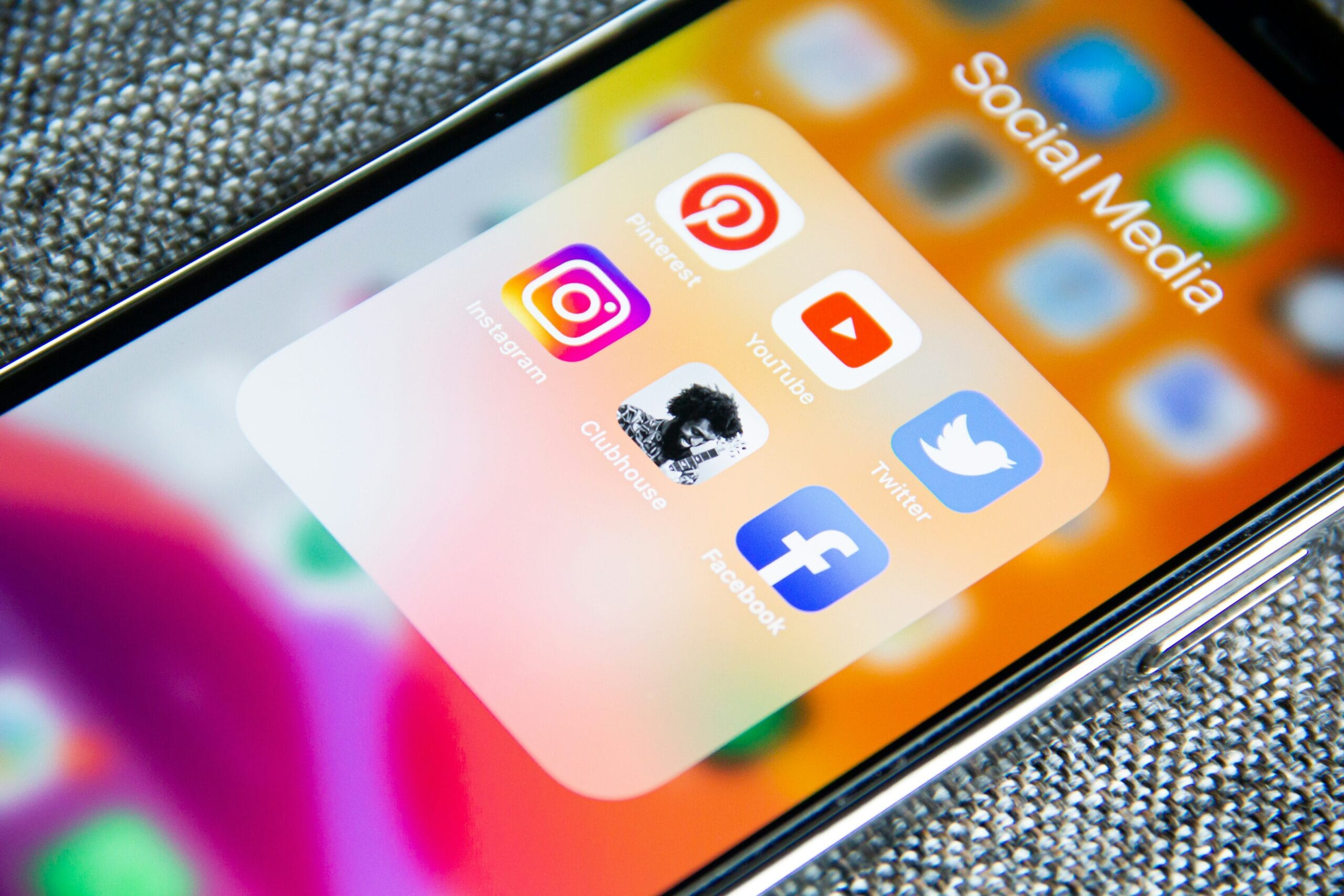
Push notification advertising has emerged as one of the most effective alternatives to traditional banner formats because it solves the fundamental visibility problem that plagues display advertising. When advertisers work with the best push ads networks, they can deliver mobile-friendly notifications that appear directly on user devices without requiring app downloads or subscriptions, working seamlessly across both iOS and Android platforms.
The advantage of push goes beyond visibility; it encompasses timing, trigger and context. Instead of competing for attention alongside other content, push notifications pop up when users are transitioning in a natural flow—when they are most able to appreciate and consider other context. This removes the disruption factor that makes banner ads so annoying—and provides marketing message sentiment that breeds genuine consideration instead of automatic deletion.
Similarly, push notifications are personal; what’s more personal than a smartphone? When notifications come up on devices as opposed to innocuous web pages, it acts more like a message than an advertisement—creating a psychological situation that arms push ad marketing engagement rates and conversion performance better than display formats.
Native Advertising Blends with Content

Whereas push knows no other content, native advertising blends in perfectly, transforming ads into pseudo-content that simply adds value without visually competing for attention. When marketers provide value without making it an ad, that’s when native advertising succeeds.
The reality is that user’s mental filters have changed regarding blatant promotional content. Using formatting styles ubiquitous to the platform or website where native ads appear allows users to successfully engage with these ads as content instead of dismissing them as advertisements.
Products or services better ascertained through description as opposed to awareness lend themselves better to native formats than banners because marketers can explain their solution to users instead of cramming it all into a box—the beauty of storytelling through a new medium.
Video Advertising Captures Attention
The evolution of digital video advertising far exceeds basic pre-roll videos. Videos incorporate integrated content that transforms user experience on platforms that appeal to user engagement levels and video marketing storytelling can achieve much more than static ads.
Short-form video is ideal on mobile devices; therefore, video ads appeal better when they’re bite-sized. This allows marketers to convey their stories or showcase how something works on-screen instead of relegating their appeal to visuals alone.
Timing is everything with video ads, too; if video captivates users through entertaining substance or valuable information (how-tos), those videos are shared organically instead of relying on paid placements.
Social Commerce Integrates Shopping and Digital Worlds

With social commerce integrated throughout processes in digital marketing, content does not necessarily boast a product anymore. Instead, social commerce allows users to make purchases via platforms they’re already using for purposes other than shopping or looking for products.
There’s no search needed through social commerce; a user doesn’t need to exit their context to align with an advertiser’s purpose—it maintains user flow. Further, social commerce provides better-targeted recommendations than display ads ever could by relying on user behavior—platforms know what users are likely looking for based on what they do across platforms.
Email Marketing Still Works
Despite the competition across video marketing and social commerce, email marketing continues to outperform nearly every other form of advertising that seeks direct response campaigns—even automated personalized messaging through specialised platforms gives targeting capabilities equal to social.
Yet unlike other means across the digital age, email marketing works best when genuine value comes first and foremost. Displaying marketing prowess is valueless—if email outreach can provide useful information instead, engagement rates improve exponentially making other forms look unnecessary.
Finally, email marketing provides 100% ownership over user connection. No need to worry about algorithms or other means holding achievements back in this strategy; marketers maintain control.
Influencer Marketing Creates Genuine Value
Lastly, influencer marketing has picked up where traditional display advertising left off regarding authentic partnerships that fortify genuine value—even if products are being endorsed. Yet unless a product is cross-promoted by a mega-influencer or someone else who’s become too big for their britches, micro-influencer partnerships succeed more as they maintain authenticity and personal touch with audiences.
This means that a considerable number of users already resonate with those influencers through trust. By providing context for their product recommendation—unlike any low-quality photo banner ad could—banner ad versions for influencer marketing aren’t even needed here.

New Success Metrics from Alternative Ads
Finally, success metrics differ from traditional display advertising when successfully considering alternative formats. Impressions might yield higher value metrics on these formats; however, engagement quality counts as does conversion path and lifetime customer value.
More importantly, the best alternative strategies incorporate various formats into one massive customer acquisition system—from the notification that creates awareness to the native content that provides education to the longer conversion cycle loaned through email marketing after pushes attempt buying from the onset—creating resilience within systems that don’t depend entirely on any one success format.
