
Why children ask difficult questions about conflict
When major global events dominate the news, children inevitably hear snippets of conversations, see headlines on screens, or pick up fragments of information from friends and social media. The current situation in the Middle East is one example of a complex and emotionally charged issue that many families are finding difficult to explain.
At some point, children may ask very direct questions such as “Why are they fighting?” or “Who are the bad guys?”
These questions can catch parents off guard. Not because children are wrong to ask them, but because the reality is that conflicts between nations, governments, and groups are rarely simple. They are shaped by long histories, political decisions, security concerns, cultural identities, and competing narratives. Explaining all of that to a child can feel daunting.
Yet these moments also present an opportunity. When handled thoughtfully, conversations about world events can help children develop empathy, curiosity, and critical thinking skills that stay with them as they grow.
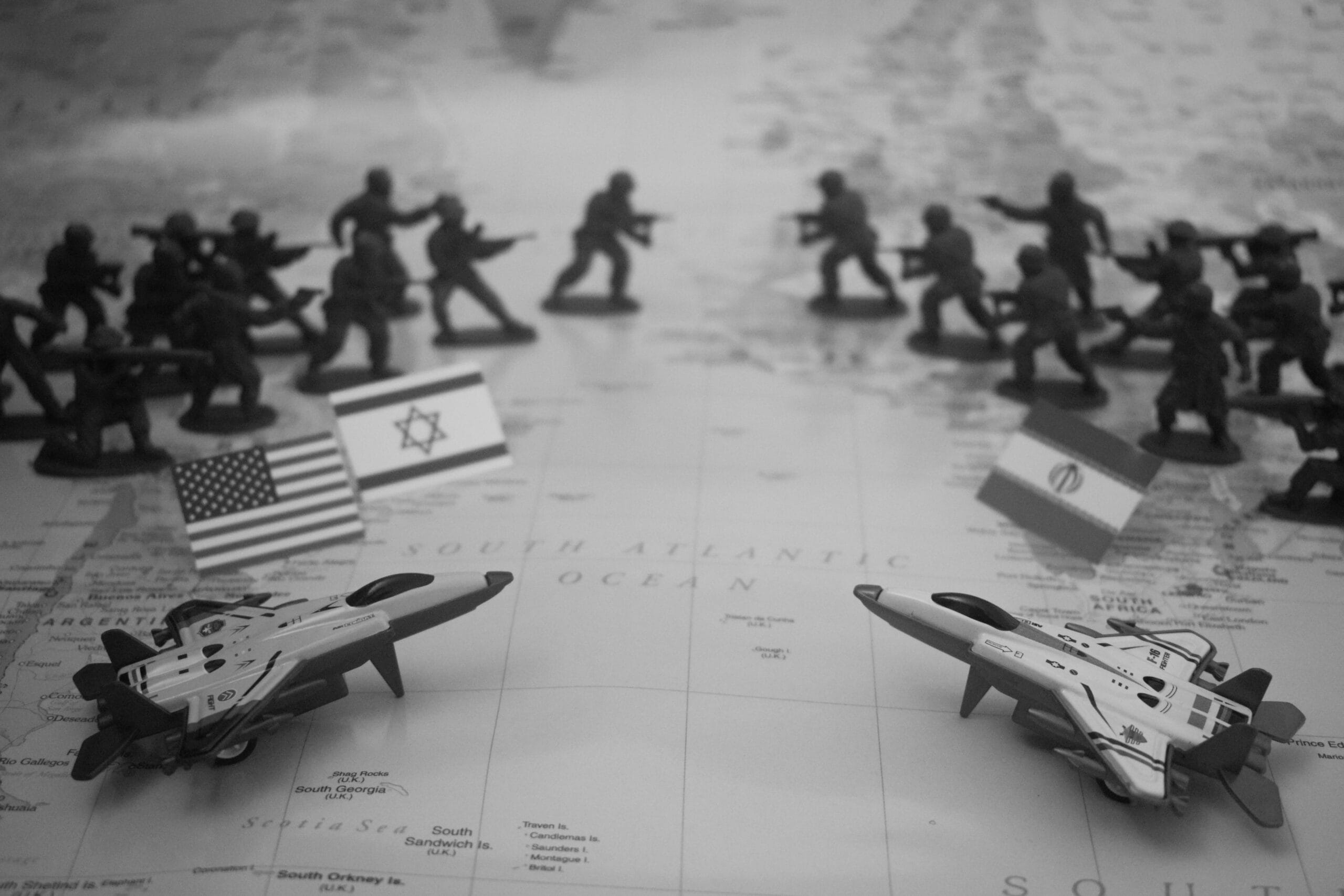
The instinct to look for “good” and “bad”
Children often look for clear moral frameworks. In many of the books and films they grow up with, conflicts are clearly defined. There are heroes and villains, right and wrong, good and bad.
So when they hear about a war or military action on the news, it is natural for them to try to fit the situation into that same structure.
When a child asks, “Who are the bad guys?”, they are usually trying to make sense of what is happening. Often what they really mean is something closer to ‘Who started it?’ Who is right? Why can’t they stop fighting? Who should we feel sorry for?
Rather than dismissing the question, it can help to gently widen the conversation and explain that real-world conflicts are often far more complicated than the stories children are used to hearing.
Explaining that conflicts are rarely simple
A helpful starting point is explaining that in many conflicts, both sides believe they are protecting themselves or responding to something they see as unfair or threatening.
People living in different places may grow up hearing very different versions of the same events. These perspectives are shaped by history, culture, politics, and lived experience.
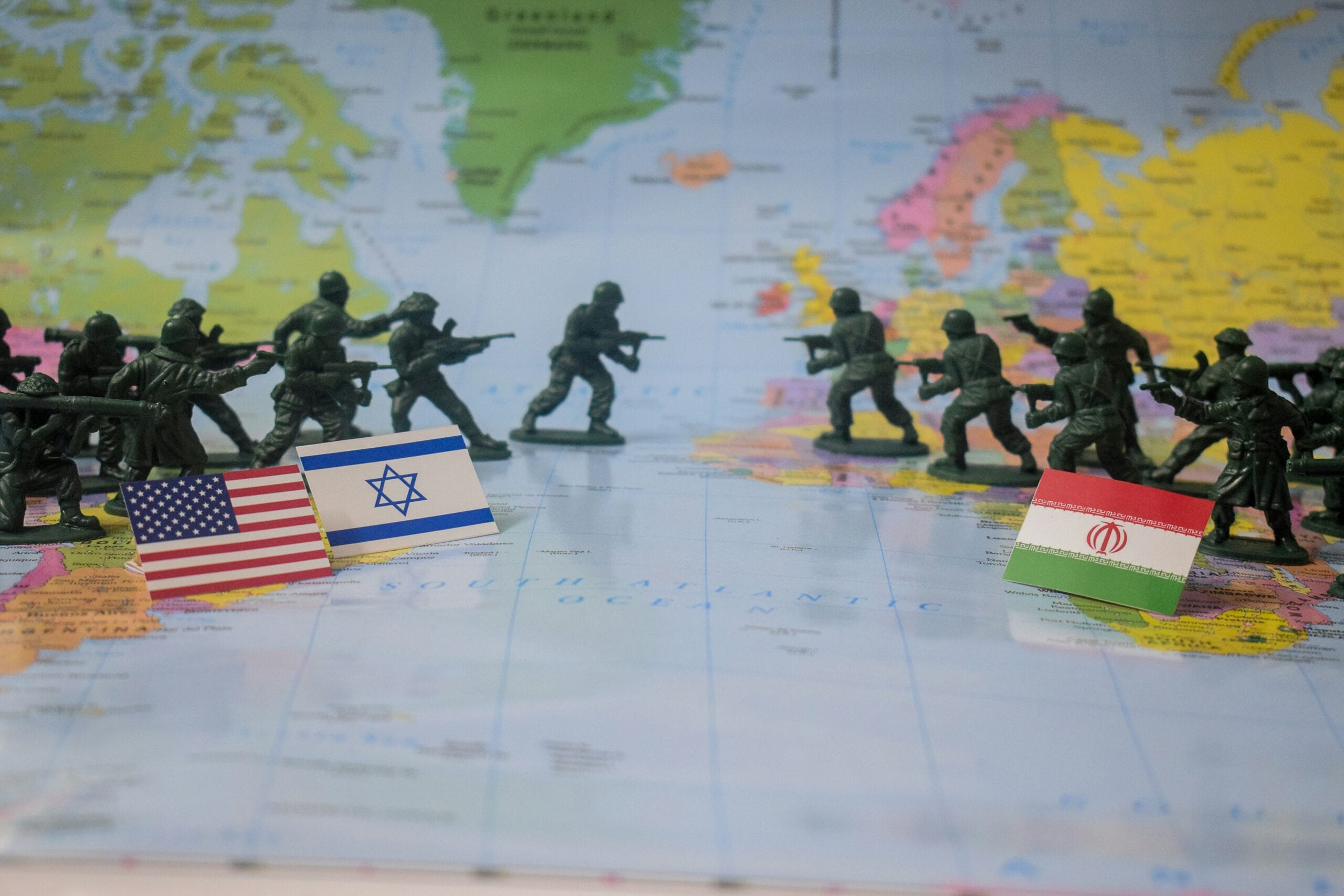
This does not mean harmful actions should be ignored or excused. However, it helps children understand that labelling entire nations or populations as “good” or “bad” rarely reflects the full reality of a situation.
Encouraging children to recognise complexity can be one of the most valuable lessons to come out of conversations about global events.
How conflicts can escalate
Wars rarely begin suddenly. They often develop over time through cycles of tension, retaliation, fear, and mistrust.
One side takes an action, the other feels threatened and responds, and the situation gradually escalates. Each step can make it harder for either side to step back.
Helping children understand this idea can make conflicts seem less mysterious and more understandable, even if they are still upsetting to hear about.
Understanding the power of first strike and second strike
For older children and teenagers, introducing some basic ideas from international relations can help explain why countries behave the way they do during periods of tension.
One concept often discussed in global security is the power of first strike and the power of second strike. In simple terms, a first strike refers to the ability of a country or group to attack first. A second strike refers to the ability to respond even after being attacked.
Many countries invest heavily in defence systems because they want to ensure that if they are attacked first, they still have the capacity to respond.
The thinking behind this is linked to the idea of deterrence. If each side knows the other can respond strongly, it may discourage attacks from happening in the first place.
However, this logic can also contribute to tension. Fear and mistrust can lead countries to increase their military capabilities, which can make other countries feel more threatened.
Understanding these ideas can help children see that conflicts are often driven by strategy, security concerns, and political pressures rather than a simple battle between good and evil.
Recognising different perspectives
Another important step is helping children understand that different communities may interpret the same events in very different ways.
One group might feel it is defending its land or protecting its security. Another might feel it is resisting injustice or fighting for its rights. Governments may also make decisions based on pressure from their own citizens, alliances, or historical grievances.
Recognising that multiple perspectives exist encourages children to think critically and ask questions rather than accepting a single simplified explanation.
Keeping the focus on people
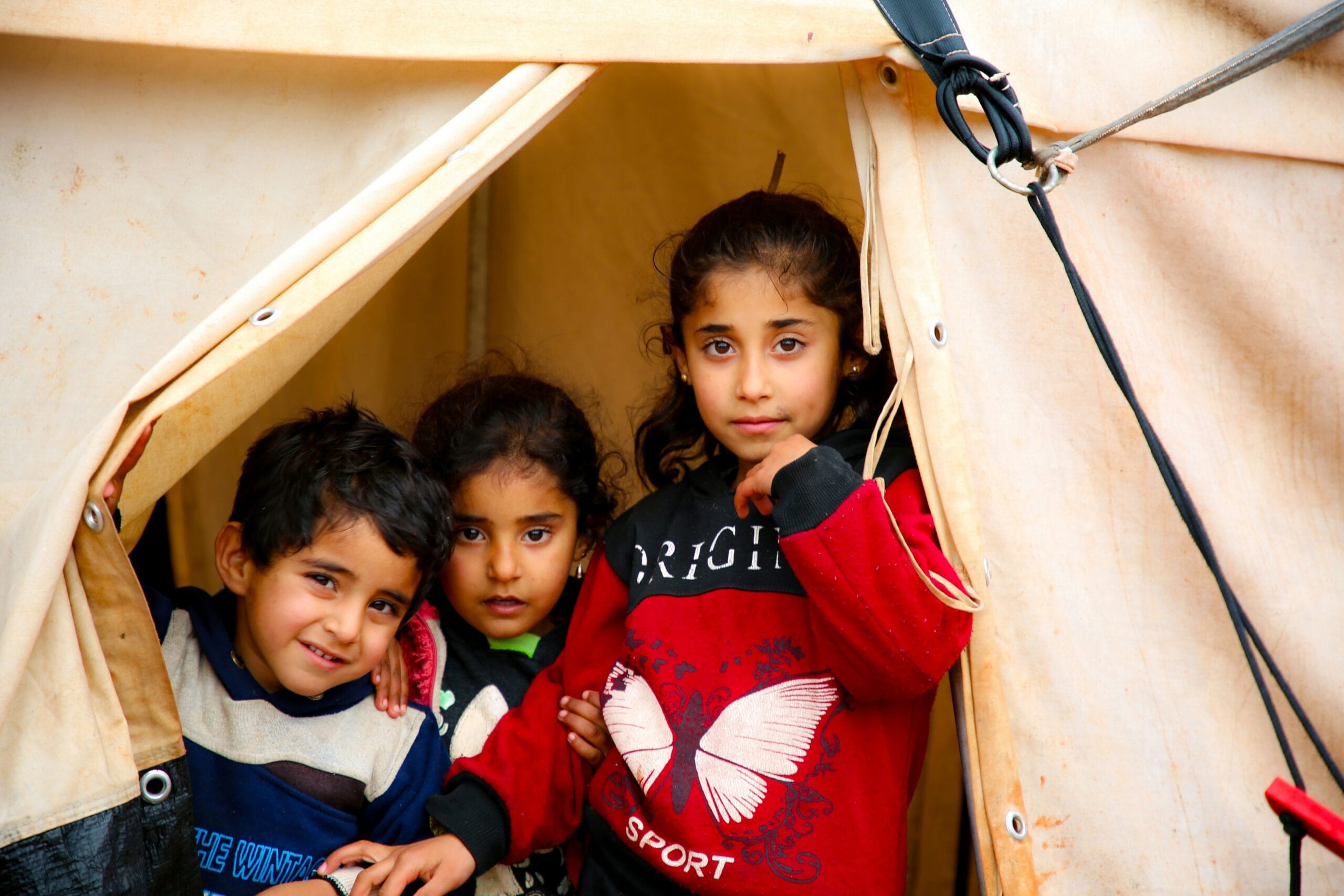
While discussions about politics and strategy can be helpful, it is equally important to remind children that ordinary people are the ones most affected by conflict.
Families, children, and communities often suffer the greatest consequences of war, even though they have little influence over the decisions that lead to it.
It can help to remind children that most people everywhere simply want to feel safe, care for their families, and live peaceful lives.
Shifting the conversation towards empathy for those affected can prevent discussions about conflict from becoming overly focused on sides or blame.
Navigating news and social media
Children today are exposed to far more information than previous generations. News alerts, short video clips, and social media commentary can bring distant conflicts directly into the home.
However, these fragments of information rarely tell the full story. Social media in particular can present emotionally charged content or one-sided perspectives.
Parents may find it helpful to talk through what children are seeing, occasionally watch or read the news together, and explain that not everything online is balanced or accurate. Helping children learn to question information is an important part of media literacy.
Creating space for questions and reassurance
Perhaps the most important thing adults can do in these conversations is remain calm and open. Children benefit from knowing they can ask questions without being dismissed. It is also perfectly reasonable to acknowledge that some situations are complicated and that adults themselves may still be learning about them.
If children feel worried after hearing about war, reassurance is important. Reminding them that many countries, organisations, and diplomats work continuously to prevent conflicts from spreading and to encourage peace can help reduce anxiety.
Helping children think thoughtfully about world events
Learning how to talk to children about the Middle East conflict is less about providing perfect answers and more about modelling thoughtful discussion.
By acknowledging complexity, introducing ideas about escalation and deterrence, and focusing on empathy for the people affected, parents can help children approach global events with curiosity and compassion.
When a child asks “who are the bad guys?”, the most honest response may simply be that international conflicts are rarely that clear. What matters more is learning to ask questions, listen to different perspectives, and remember the human cost of war.
