
In a hobby landscape long dominated by digital distractions and fast-paced entertainment, a traditional craft is quietly regaining traction: building Wooden Model Ship Kits for Beginners. What was once a pastime mostly associated with collectors and history buffs is now attracting a broader cross-section of people seeking creative, hands-on activity in their free time.
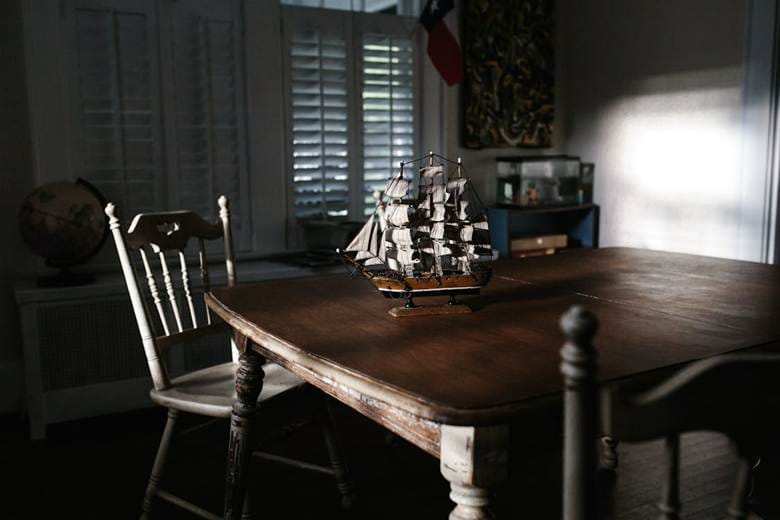
A Resurgence in Craft-Based Pastimes
Across the broader hobby and model market, industry analysts report notable growth. The global niche hobby kits market, which includes model building and similar DIY pursuits, was valued at approximately USD 4.2 billion in 2024 and is projected to nearly double by 2032, growing at an estimated 9 % compound annual growth rate over the next several years. Additionally, the global toy model kits market covering plastic and wooden models alike—is expected to expand from around USD 1.43 billion in 2024 to over USD 2 billion by 2032, with hobbyists showing stronger interest in detailed and historically rooted kits.
These numbers reflect broader trends: hobbyists are increasingly investing time and money into activities that offer tactile engagement, personal achievement, and a retreat from screen-based entertainment. Wooden ship modelling, with its blend of history, craftsmanship and scalability, fits squarely into this rising interest.
What’s Driving New Builders?
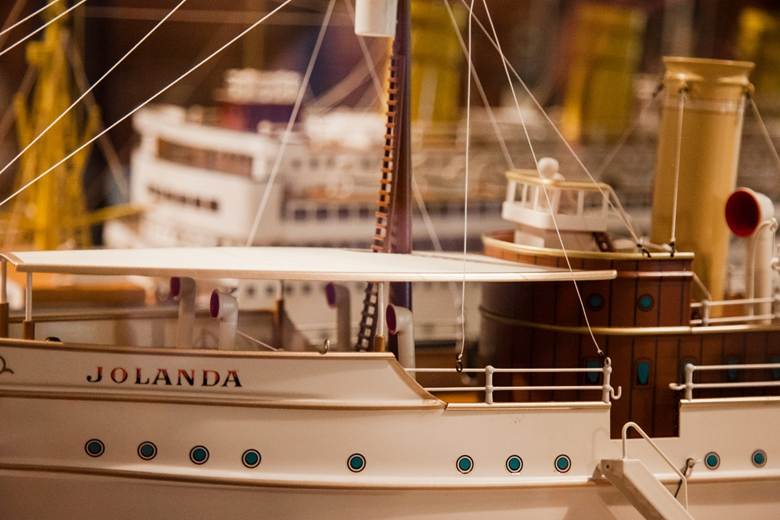
For newcomers, the appeal of Wooden Model Ship Kits for Beginners lies in accessibility and structure. Kits designed for novices simplify traditional ship modelling by providing pre-cut wooden components, clear instructions, and manageable build processes. This contrasts with early model building decades ago, which often required sourcing raw materials and interpreting plans on one’s own. As a result, more people are dipping their toes into the craft without feeling overwhelmed.
Building these kits goes beyond mere construction. Modelers often say their projects deepen appreciation for maritime history and engineering, connecting them with stories of exploration, naval innovation, and classic vessel design. It’s a blend of education and creativity that resonates especially with hobbyists who value authenticity.
Community and Craft: A Growing Network
Alongside measurable market growth, the model building community has grown stronger. Online forums, social media groups, and hobby clubs dedicated to wooden ship building offer support and inspiration for beginners and experienced builders alike. Discussions often include tips on tools, historical backgrounds of kits, and shared build logs, creating a sense of camaraderie that extends beyond the workshop bench.
Online feedback also reveals a range of experiences with suppliers and model kits. For example, customer service interactions and delivery fulfilment are common talking points among buyers of brands like Premier Ship Models, which supply a range of kits including those targeted at beginners. While opinions vary, these conversations highlight how engaged hobbyists are in sharing knowledge and expectations with each other.

Tradition Meets Contemporary Leisure
The momentum behind wooden ship modelling isn’t just a niche fluctuation. It reflects a much larger trend toward rewarding, skill-based hobbies. In the U.S., the broader hobby and toy store segment alone is expected to reach around USD 64 billion in revenue by 2025, With significant contributions from adult participation and DIY creative products, this suggests that tactile, immersive activities like building ships plank by plank are gaining value for people seeking meaningful ways to spend leisure time.
The revival of classic pastimes such as wooden ship modelling shows how traditional crafts can evolve, embracing newcomers and seasoned artisans alike. By focusing on user-friendly kits, supportive communities, and the intrinsic satisfaction of creation, this old-school art form is finding new life in a fast-paced world.

2 comments
Wooden model ship kits for beginners are driving a quiet hobby boom by offering a relaxing, hands-on escape from screens and a rewarding way to build creativity and focus.
Through the use of this immersive presentation, gamers are drawn further into the experience, bloodmoney giving them the impression that they are an active participant in the environment rather than a passive viewer.