
Is school failing some children?
It is a question many parents are beginning to consider more seriously. For some children, school works well. They feel engaged, supported, and able to succeed within the system. For others, the experience can be very different.
Some children feel bored, frustrated, or disconnected from what they are learning. This does not necessarily mean schools are failing completely, but it may suggest that the system is not meeting every child’s needs as effectively as it could.
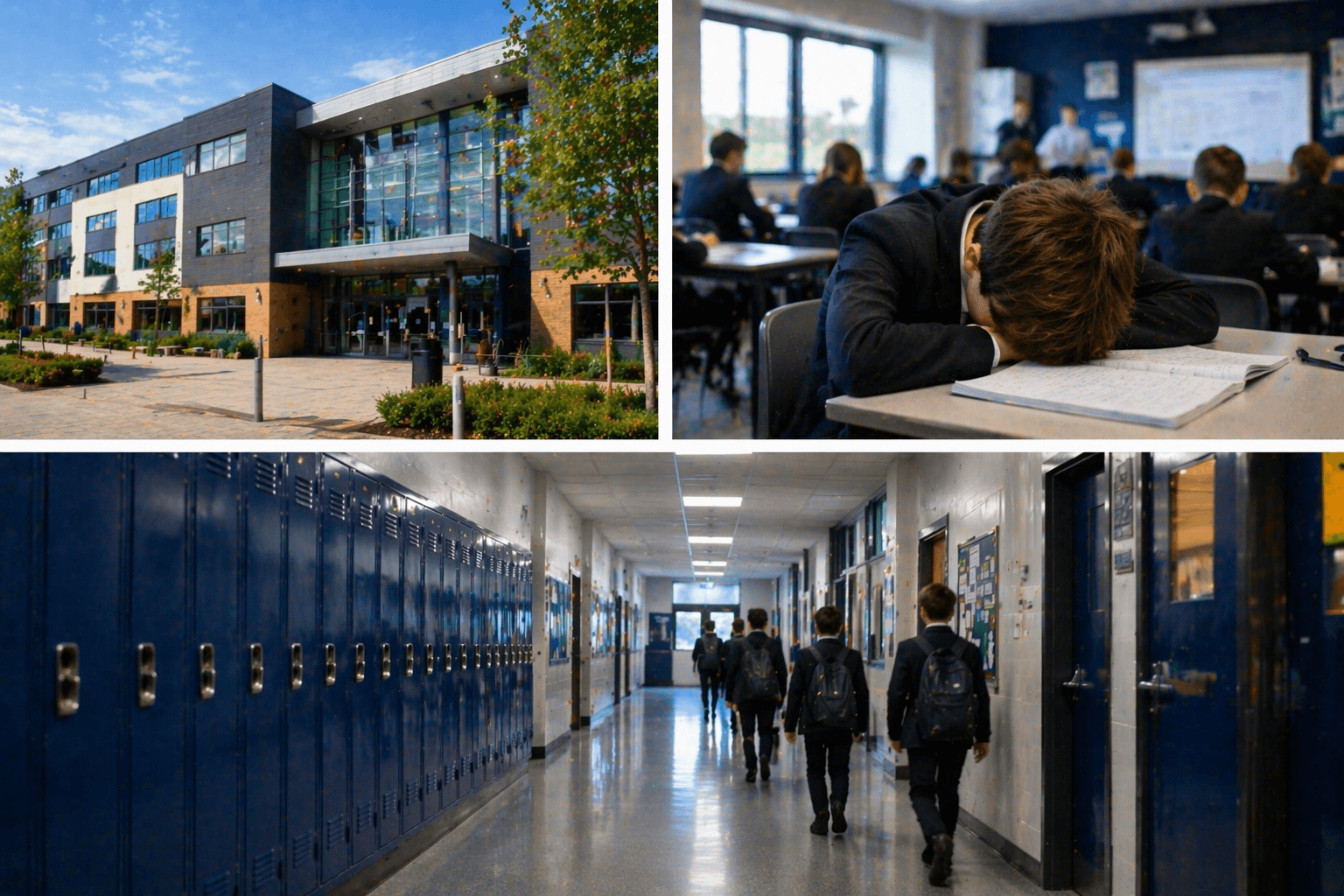
Why some children struggle in the current system
Education systems are designed to work for large groups. This can make it difficult to respond to individual differences.
A standardised approach to learning
Most classrooms follow a set curriculum and pace. While this provides structure, it does not always suit every child.
Some children may feel:
- Unchallenged if work is too easy
- Overwhelmed if it moves too quickly
- Disengaged if the style does not match how they learn
A strong focus on results
Schools are often judged by academic outcomes. This can lead to a focus on exams and performance. While achievement is important, it can sometimes mean less time is spent on:
- Creativity
- Exploration
- Developing individual strengths
Children who do not thrive in traditional academic settings may feel overlooked.
Different strengths are not always recognised
Not all children excel in the same areas. Some may be:
- Practical and hands-on
- Creative
- Strong communicators
- Interested in building or problem-solving
These strengths are not always fully reflected in traditional assessments.
Learning can feel disconnected from real life
Many children struggle to see how their learning relates to the world outside school. When learning feels abstract or irrelevant, motivation can begin to drop.
Social and emotional pressures
School is also a social environment. Children may experience pressure related to friendships, behaviour, or performance. These factors can affect how comfortable and engaged they feel on a daily basis.
Signs a child may not be thriving at school
It is not always obvious when a child is struggling. Some signs include:
- Saying school is boring or pointless
- Avoiding homework
- A drop in effort or interest
- Increased frustration or emotional responses
- Reduced confidence
These behaviours are sometimes seen as a lack of effort, but they often reflect underlying challenges.
What parents can do
While parents cannot change the system, they can support their child in meaningful ways.
Listen and take concerns seriously
Children are more likely to share their experiences when they feel heard. Taking time to listen without judgement can help build trust and understanding.
Look beyond academic results
A child’s ability is not defined by grades alone. Recognising strengths outside traditional measures can help rebuild confidence.
Support learning in different ways
Learning does not only happen through schoolwork. Practical activities, conversations, and real-life experiences can all support development.
Work with the school where possible
If concerns continue, it can be helpful to speak with teachers and explore possible support. A collaborative approach can often lead to better outcomes.
Consider alternative approaches if needed
In some cases, families may explore different options such as flexible learning or alternative education settings. This is not necessary for every child, but it can be helpful in certain situations.

Final thoughts
Is school failing some children? In some cases, it may not be meeting their needs as well as it could. The important thing is not to focus on blame but on understanding and support.
Every child learns differently. By recognising this and responding with patience and flexibility, parents can help children maintain confidence and stay engaged with learning.
