
*This article contains affiliate links*
Oil pulling is one of those practices that sounds strange until you understand what it does. Swishing oil around the mouth for 10–20 minutes seems too simple to make a difference, yet people use it to improve everything from gum health and bad breath to skin, digestion and immune function. This ancient Ayurvedic practice has found new life in modern wellness circles because science is beginning to catch up with what traditional medicine has observed for centuries: the mouth is not separate from the rest of the body.
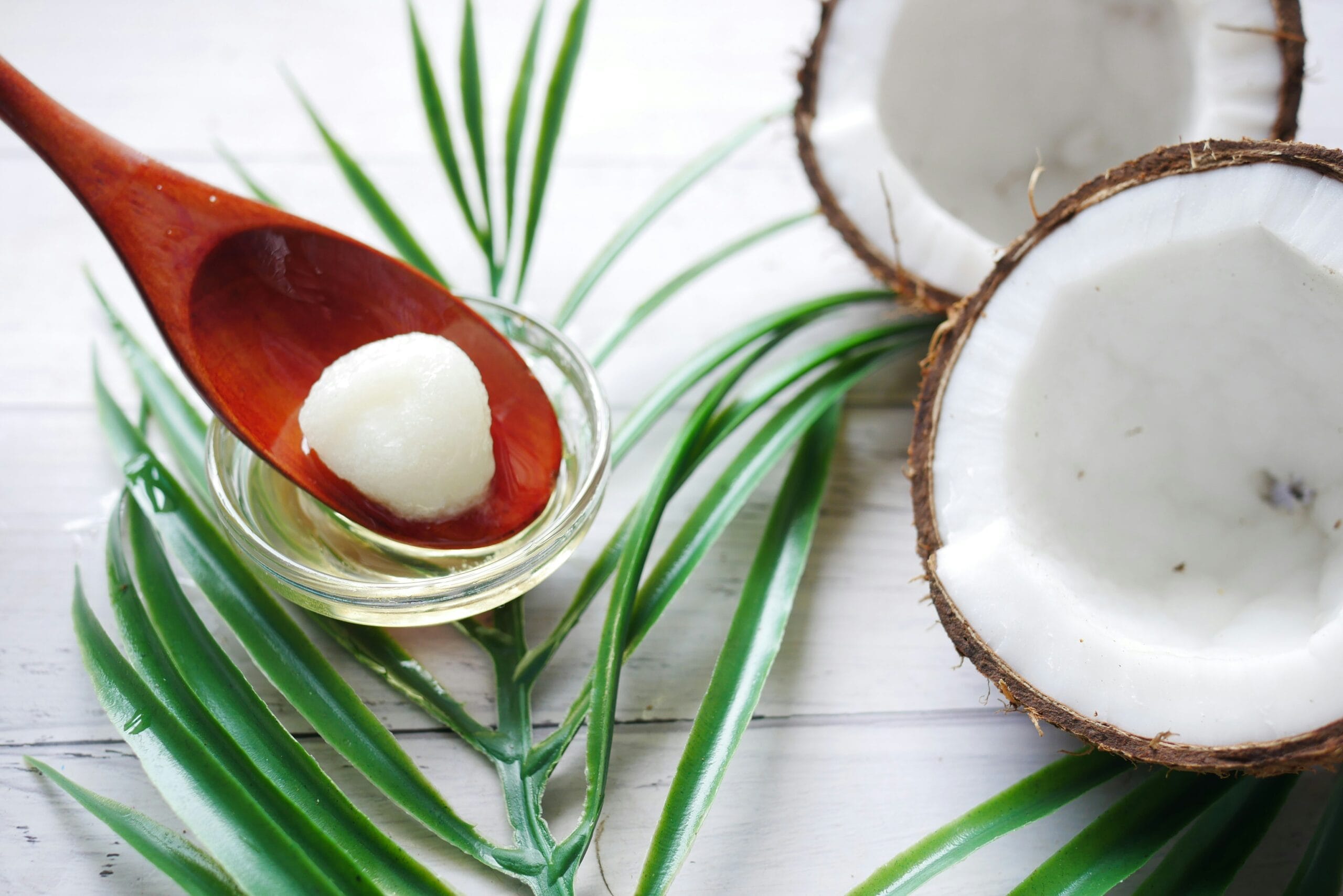
Your oral microbiome, the community of bacteria living in the mouth, plays a significant role in overall health. When it becomes unbalanced, it can contribute to inflammation, hormone disruption, heart disease, digestive issues and autoimmune conditions. Oil pulling is one of the simplest ways to support that balance.
What is oil pulling?
Oil pulling involves swishing a tablespoon of oil around the mouth on an empty stomach, usually first thing in the morning, before brushing your teeth. The oil is moved gently between the teeth and across the gums for around 10 to 20 minutes, then spat out.
Traditionally, sesame oil was used, but today coconut oil is most common because it is palatable and naturally antibacterial.
The idea is that oil binds to bacteria, toxins and debris in the mouth, allowing them to be removed when the oil is discarded.
Why oral health affects the whole body
The mouth is a gateway to the bloodstream. The gums are highly vascular, and any inflammation or infection in the mouth gives bacteria direct access to circulation.
Research has linked poor oral health to:
- Heart disease
- Diabetes
- Inflammatory conditions
- Adverse pregnancy outcomes
- Autoimmune disease
The bacteria associated with gum disease can trigger inflammatory responses throughout the body. Reducing harmful bacteria in the mouth reduces the overall inflammatory burden.
This is where oil pulling comes in.
How oil pulling works

Oil pulling works through several mechanisms.
1. Lipid binding
Oil attracts and binds to lipid-soluble toxins and bacterial cell membranes. As you swish, bacteria adhere to the oil rather than the teeth and gums.
2. Saliva stimulation
Swishing increases saliva production, which naturally contains enzymes and immune factors that protect the mouth.
3. Biofilm disruption
Many harmful oral bacteria hide inside sticky biofilms on teeth and gums. Oil helps loosen and break these down.
4. Antimicrobial action
Coconut oil contains lauric acid, which has proven antibacterial and antifungal properties.
What does the science say?

Several studies have compared oil pulling to conventional mouthwash.
Research published in the Journal of Clinical and Diagnostic Research found that coconut oil pulling significantly reduced Streptococcus mutans, the bacteria responsible for tooth decay. Other studies show reductions in plaque, gingivitis and oral bacterial load comparable to chlorhexidine mouthwash, but without staining teeth or disrupting the healthy microbiome.
Importantly, oil pulling does not kill everything in the mouth, which helps preserve beneficial bacteria.
What people use oil pulling for
Oil pulling is commonly used to support:
- Gum disease and bleeding gums
- Bad breath
- Tooth sensitivity
- Mouth ulcers
- Recurrent infections
- Acne and skin inflammation
- Digestive issues
- Immune support
Many people notice clearer skin and less bloating after using it consistently, which reflects the mouth–gut–immune connection.
How to oil pull properly

You will need
- 1 tablespoon of coconut oil or sesame oil
Method
- Take the oil on an empty stomach.
- Gently swish it around the mouth for 10–20 minutes.
- Spit it into the bin, not the sink.
- Rinse with warm water and brush teeth as normal.
It should feel gentle, not tiring. There is no need to gargle or force the oil.
Most people do this once daily.
Is oil pulling safe?
Oil pulling is safe for most people. It should not replace brushing, flossing or dental care, but it can complement them.
It is not recommended for children under five due to swallowing risk.
Where to buy oil for oil pulling
Use:
Both are widely available in supermarkets, health food shops and online in the UK. Coconut oil is usually preferred because of its taste and antimicrobial profile.
How oil pulling fits into a whole-body routine
Oil pulling supports the same systems as dry brushing and castor oil packs: detox pathways, immune balance and inflammation control. By reducing bacterial load and oral inflammation, it reduces the amount of inflammatory material entering the bloodstream.
It is a small daily habit that quietly supports many systems at once.
Is it worth doing?
Oil pulling is one of the easiest and cheapest ways to support health from the mouth outward. It is not a cure-all, but its effects on oral bacteria, inflammation and immune regulation are well supported.
For a practice that costs pennies and takes a few minutes a day, that makes it remarkably powerful.

3 comments
Helpful, balanced overview—especially the note that it’s a supplement, not a replacement for proper dental care. The routine aspect is interesting. I’ve also been reflecting on gratitude in the mornings; a short Psalm I like is on ScriptureSide.
Really interesting explanation of how oil pulling can support overall health—gut, skin, and immune systems! Taking care of our health habits from a young age makes a big difference. In India, programs like this help students focus on their education without financial stress, and when families are supported, young people can also take better care of their physical and mental well-being as they grow. Thanks for sharing these wellness tips!
This is very informative. https://upscholarships.neocities.org/