
When my children were small, the same comments came up again and again. People would stop me in shops, leisure centres and the street, smile sympathetically and say, “Wow, you’ve got your hands full,” or ask, “Are they all yours?” With four children aged eight and under, the reactions were predictable. Crossing the road felt like a tactical operation, airport travel required military-level planning, and leaving the house involved snacks, spare clothes, emergency snacks, backup snacks, wipes, drinks and at least one forgotten shoe. Life was loud, messy and relentlessly busy.
Here is the part no one shares during those early years: this is not the hardest stage of parenting.

The great parenting myth
A widely accepted narrative suggests parenting becomes easier as children grow. Once they can sleep through the night, get dressed independently and pour cereal without flooding the kitchen, the hardest part is supposedly behind you. Comments begin to shift from sympathy to reassurance. Parents are told to enjoy the early years because one day they will miss them, and that the teenage years will somehow be calmer and more manageable.
Missing parts of the early years is completely natural. The cuddles, the bedtime stories and the tiny hand in yours hold enormous emotional weight. The idea that life becomes easier, however, deserves a serious rethink. The challenges do not disappear; they evolve. The physical demands reduce, yet the emotional responsibility grows in ways few people openly discuss.
When parenting shifts from physical to emotional
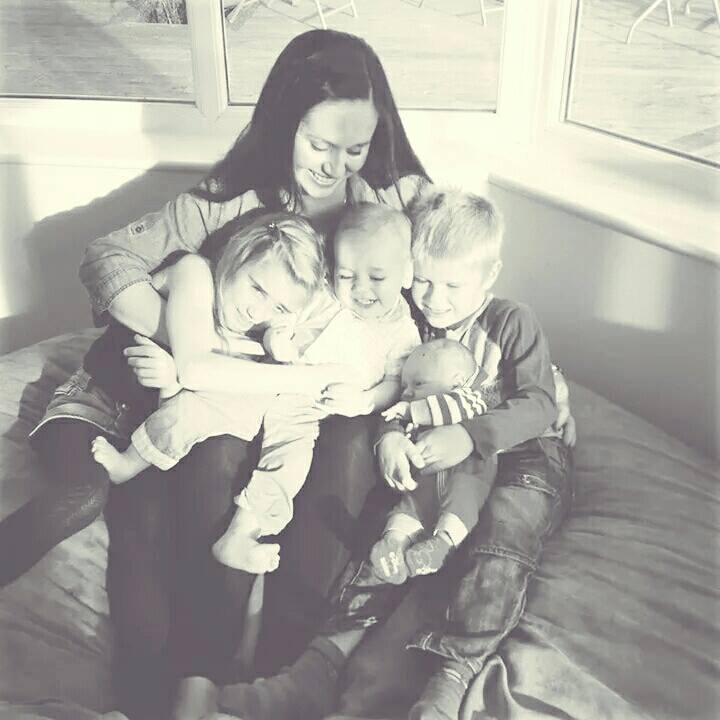
Parenting young children is physically exhausting, while parenting older children is emotionally exhausting. Small children bring tangible and solvable problems. Hunger, tiredness and minor injuries all have clear solutions. Parents sit firmly at the centre of their child’s world and can fix most problems quickly.
As children grow, the nature of parenting changes dramatically. Scraped knees are replaced with friendship struggles, academic pressure, confidence issues, identity development, mental health concerns and the growing influence of social media. Many of these challenges cannot be fixed. Support, guidance and patience become the primary tools, and the emotional weight of that responsibility is far heavier than many expect.
The silence around parenting older children
Early parenting comes with constant commentary and validation. Strangers acknowledge the chaos and recognise the effort involved in raising young children. That commentary quietly disappears once children grow older. There is little public acknowledgement of the complexity of raising tweens, teenagers and young adults.
The assumption becomes that life has become easier. In reality, many parents find themselves navigating one of the most emotionally demanding phases of family life with far less recognition or support.
The worry that never switches off
Young children require constant physical presence. Older children occupy constant mental space. Early worries focus on naps, snacks and safety gates, while later worries become larger and more difficult to define. Parents begin to think more about happiness, resilience, friendships, independence and the choices their children will make when they are not present.
Years are spent helping children grow roots. Eventually, those children begin testing their wings. Pride and fear begin to coexist in equal measure.

The emotional balancing act of letting go
A profound shift occurs as independence becomes reality. Parents spend years teaching life skills and encouraging confidence, then suddenly face the emotional challenge of stepping back. Practical needs decrease, yet emotional needs deepen. Conversations become more meaningful and decisions carry real consequences.
The role of parenting shifts from raising children to guiding future adults. The responsibility feels enormous and often arrives quietly, without warning.
The collision of life stages
Another layer rarely discussed is the life stage parents themselves enter during these years. Perimenopause often arrives at the same time children reach adolescence. Hormones, sleep disruption and identity shifts appear just as teenagers experience their own emotional and physical changes.
Managing teenage emotions while navigating personal hormonal change creates an intense and often chaotic overlap that few people prepare for.
The invisible mental load
Parenting teens and young adults brings a mental load that largely goes unseen. Thoughts constantly circle around education, friendships, wellbeing, independence and future plans. Guidance must exist without hovering, and support must exist without control. The balance is delicate and ongoing, and the emotional investment can feel relentless.
This stage can feel surprisingly lonely because it is discussed far less openly than the early years of parenting.
The bittersweet beauty of this phase
Despite the stress and emotional intensity, this stage carries a unique kind of joy. Children begin to show who they are becoming. Conversations deepen, humour evolves and shared experiences take on new meaning. Years of parenting slowly begin to take shape in front of you.
The experience is harder in many ways, yet deeply meaningful at the same time.

Parenting does not get easier, it gets different
Sleepless nights transform into late-night worries. Physical exhaustion becomes emotional exhaustion, and chaos evolves into complexity. The transition from raising small children to launching young adults becomes one of the most challenging and important chapters of parenting.
Anyone finding this stage harder than expected is far from alone.
