
*This article contains affiliate links*
Hair shedding in perimenopause is common but rarely talked about. Hormone changes, stress and nutrient deficiencies can all trigger thinning or breakage. This guide explains what actually helps — from strengthening shampoos and scalp oils to supplements like iron, vitamin D and collagen — and which popular “miracle” products are mostly hype. Written for women navigating perimenopause, it offers calm, evidence-based advice to help you feel more in control of your hair and hormones.
There are few things that knock your confidence quite like finding more hair in your brush or shower drain than usual. For many women, perimenopause brings sudden and noticeable hair shedding — often alongside dryness, breakage or thinning around the crown.
It’s not vanity; it’s biology. The same hormonal shifts that affect your mood, sleep and skin can impact your hair’s growth cycle too. While social media is full of miracle claims and “one product fixes all” promises, it’s hard to know what actually works and what’s just hype.
Here’s what’s really going on — and how to support healthier, stronger hair through the hormonal rollercoaster of perimenopause.

Why Perimenopause Causes Hair Shedding
During perimenopause, oestrogen and progesterone levels fluctuate and gradually decline. These hormones play a key role in keeping hair in its growth phase. When they drop, hair follicles can shrink or shift into the resting phase too soon — leading to more shedding than regrowth.
Add to that the impact of stress, sleep disruption, thyroid changes, nutrient deficiencies and ageing in general, and it’s no wonder hair starts to feel thinner or less resilient.
It’s worth knowing: this type of hair loss is usually diffuse shedding (all over the scalp) rather than bald patches, and for most women it’s temporary and reversible with the right care.
What Really Helps with Hair Shedding
Let’s separate the products and supplements that genuinely help from the ones that overpromise.
1. A Gentle, Strengthening Shampoo
Look for a shampoo that’s sulphate-free and designed to strengthen rather than strip. You want something that cleanses without irritating your scalp or weighing hair down.
Good options include:
- Viviscal Gorgeous Growth Densifying Shampoo – supports thinning hair with biotin, keratin and zinc.
- Nioxin System Kits – tailored for different hair types and proven to reduce breakage.
- Kérastase Genesis Bain Nutri-Fortifiant – strengthens fragile hair prone to fall due to breakage.
Avoid shampoos promising “instant regrowth” — hair biology doesn’t work that way.
2. Natural and Seaweed-Based Shampoos: Do They Help?
Natural shampoos are having a real moment — especially those infused with seaweed, kelp, and marine minerals. You’ll see these marketed as “hair growth boosters” or “detoxifying scalp cleansers.” But what’s the truth?
Seaweed (especially brown varieties like kelp) is naturally rich in iodine, zinc, iron and amino acids, all of which support healthy hair growth from the inside out. In shampoo form, the benefits are mostly surface-level — nourishing the scalp, strengthening the hair cuticle, and improving shine and manageability — rather than triggering new growth.
Still, many women find them a great option during perimenopause because they’re:
✅ Gentle – often free from harsh sulphates that can dry out fragile midlife hair.
✅ Mineral-rich – can help soothe dry, itchy scalps made worse by hormonal changes.
✅ Strengthening – seaweed’s natural polysaccharides help retain moisture and elasticity.
Worth trying:
- Faith in Nature Seaweed & Citrus Shampoo – affordable, natural and leaves hair feeling fresh without stripping.
- Neal’s Yard Remedies Seaweed Shampoo – blends seaweed and essential oils for a calming scalp cleanse.
- Green People Intensive Repair Shampoo – ideal for sensitive scalps; uses marine actives and quinoa protein for strength.
- Moo & Yoo Miracle Shampoo – a luxurious, eco-conscious choice with seaweed extract and baobab protein for shine and resilience.
The bottom line: seaweed shampoos won’t reverse hormonal hair loss on their own, but they can help create a healthier scalp environment — which is essential for stronger, less brittle hair.
3. Natural vs Clinical: Finding the Right Balance
When your hair starts shedding during perimenopause, it’s easy to swing between two extremes — all-natural remedies on one side, and highly scientific, clinical treatments on the other. The truth? Most women do best with a balance of both.
When to go natural:
Choose gentle, plant-based or seaweed shampoos and conditioners if your scalp feels dry, itchy or sensitive. Perimenopausal skin (including the scalp) often becomes more reactive, so formulas with botanical extracts, essential oils and fewer synthetic additives can help calm irritation and maintain scalp comfort.
Natural products are also ideal if you wash your hair frequently — they’re less likely to strip natural oils and can help restore softness and shine.
When to go clinical:
If shedding is more than seasonal or cosmetic — for example, you’re noticing a wider parting or your ponytail feels noticeably thinner — you’ll likely benefit from products backed by research and active ingredients such as peptides, caffeine, or minoxidil.
These don’t just condition; they target the root causes of shedding, improving blood flow to follicles and stimulating regrowth over time. Options like Nioxin, The Ordinary Multi-Peptide Serum, and Viviscal products sit firmly in this evidence-based category.
The sweet spot:
Many women find success by combining the two — for example:
- Using a natural seaweed shampoo to cleanse and soothe the scalp.
- Following with a bond-repair conditioner like Olaplex or a strengthening mask.
- Applying a clinical serum or scalp oil a few evenings a week to boost follicle health.
It’s less about “one magic bottle” and more about building a simple, consistent routine that supports both your scalp and your hormones.
4. Nourishing Conditioners and Masks
Midlife hair needs hydration and protein in balance. Choose conditioners rich in amino acids, ceramides or natural oils to strengthen strands and restore elasticity.
Worth trying:
- Olaplex No. 5 Bond Maintenance Conditioner – helps repair internal bonds damaged by heat or colouring.
- Philip Kingsley Elasticizer – a cult classic for bounce and shine.
5. Scalp Oils and Serums
Healthy hair starts with a healthy scalp. Stimulating oils can improve blood flow to follicles and help reduce inflammation.
Top choices:
- The Ordinary Multi-Peptide Serum for Hair Density – lightweight and backed by science.
- Grow Gorgeous Hair Density Serum – includes caffeine and biotin for scalp stimulation.
- Castor oil or rosemary oil – massaged into the scalp a few times a week can support circulation.
Tip: Massage gently for a few minutes to increase blood flow — and always patch test oils to check for irritation.
6. Supplements That Support Hair Growth
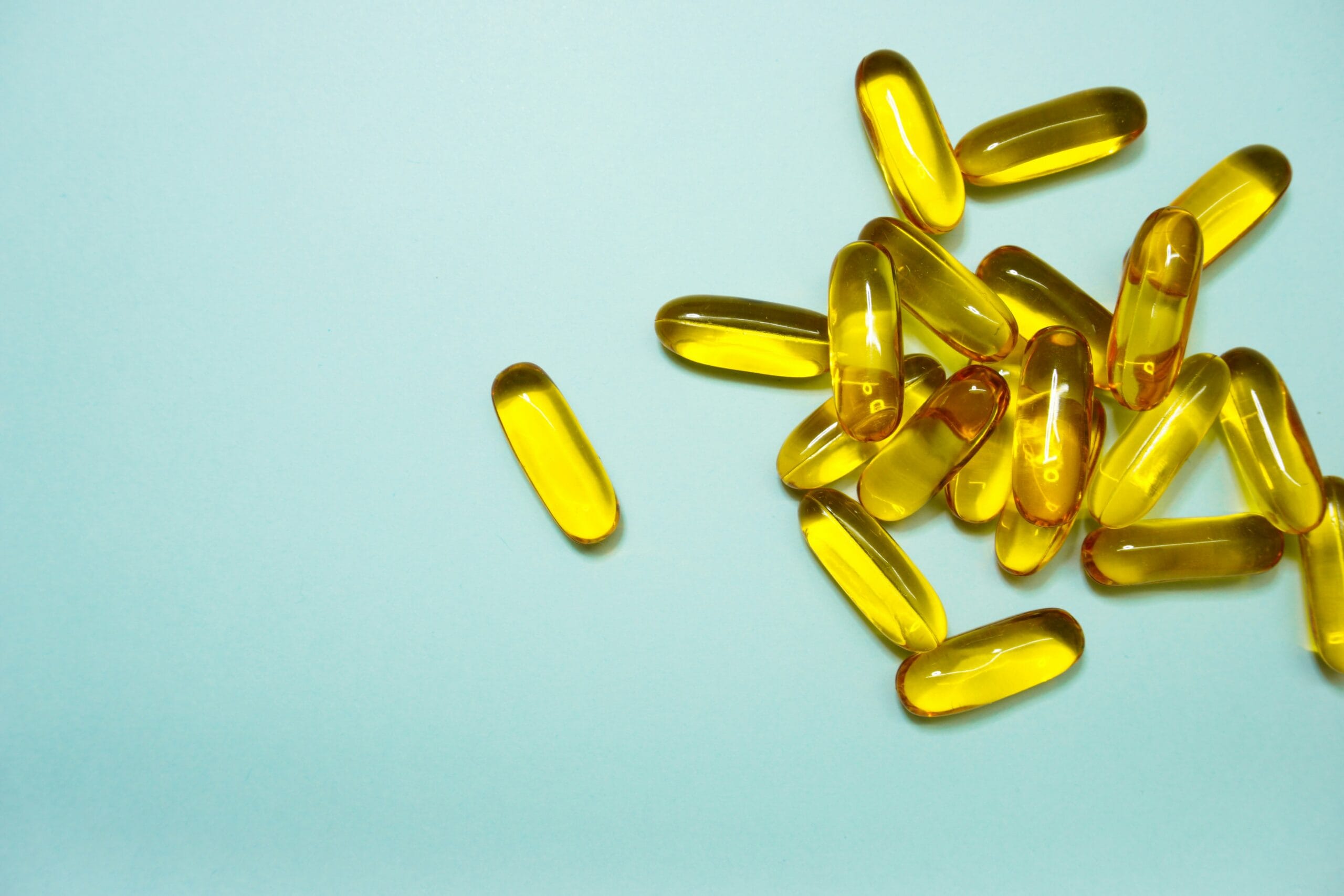
Supplements can help, but only when deficiencies are present or when your body needs extra nutritional support during perimenopause.
Look for:
- Iron – low ferritin (iron stores) is a common and overlooked cause of hair shedding. Ask your GP for a blood test before supplementing.
- Vitamin D – supports follicle cycling and often low in women in the UK.
- Biotin – only helpful if you’re deficient, but often paired with zinc and selenium for general hair health.
- Collagen peptides – support the building blocks of hair, skin and nails.
- Omega-3s – help reduce inflammation and nourish the scalp from within.
Good combined formulas:
- Viviscal Hair Growth Supplements
- Nutrafol Women Balance (for perimenopause)
- JSHealth Hair + Energy
Avoid gummies or powders that promise miracle results in “just two weeks” — hair grows slowly (around 1cm a month), so patience is key.
7. Lifestyle and Nutrition Matter More Than You Think
Even the best shampoo can’t fix what’s happening internally. Focus on:
- Protein: Hair is made of keratin — aim for adequate protein at every meal.
- Hydration: Dehydration makes hair dull and brittle.
- Stress management: Cortisol can worsen shedding. Yoga, walking, or journalling genuinely help.
- Sleep: Hormone disruption is exhausting; prioritising rest gives your body time to repair.
What’s Mostly Hype
- “Hormone-free miracle tonics” – if it sounds too good to be true, it probably is.
- Caffeine shampoos alone – they may stimulate temporarily but don’t address root causes.
- LED hair caps – evidence is still mixed and often funded by manufacturers.
- Expensive “detox” kits – hair doesn’t need detoxing; it needs nourishment.
Save your money for products that strengthen, soothe and support from both inside and out.
When to Seek Medical Advice
If shedding is rapid, comes with other symptoms (fatigue, irregular periods, brittle nails, skin changes), or you see visible patches or widening of your parting, it’s worth checking:
- Thyroid function
- Iron and ferritin levels
- Hormone balance
Your GP or a trichologist (hair specialist) can help rule out other causes like thyroid disorders or androgenic alopecia.
The Bottom Line
Hair shedding during perimenopause can be unsettling, but it’s also common and manageable. Think of it as a sign your body is adjusting — not failing.
Start with gentle, scalp-friendly products, support yourself nutritionally, and resist the hype around instant regrowth. Consistency and care matter far more than any overnight cure.
The right combination of nutrients, products and patience can help you keep your hair stronger, shinier and more resilient through midlife and beyond.

1 comment
This is such a thoughtful take on the emotional and physical impact of hair shedding during perimenopause. There’s also some interesting evidence about how GLP-1 agonists may interact with hormonal shifts in this phase here: https://www.shemed.co.uk/blog/perimenopause-and-glp-1-agonists
. It’s so helpful to bring these kinds of insights into conversations with your GP or specialist, especially when looking for personalized strategies.