
Should Schools Close During Extreme Heat?
Whenever temperatures in the UK rise significantly above what we would normally expect during the summer months, a familiar debate begins to emerge. Should schools remain open during periods of extreme heat, or should they close to protect pupils and staff?
For some parents, the answer seems straightforward. If classrooms become uncomfortably hot and children struggle to concentrate, why keep schools open? Others point out that closing schools creates significant challenges for families and may not be the simple solution it first appears to be.
Unlike countries where prolonged periods of high temperatures are common and buildings are designed accordingly, many schools in the UK were built with a very different climate in mind. When temperatures climb into the high twenties or thirties, classrooms can quickly become uncomfortable places to learn and work.
At the same time, schools play a much broader role in children’s lives than simply delivering lessons. They provide routine, support, supervision and, for many families, an essential part of the daily childcare puzzle.
The question of whether schools should close during extreme heat is therefore far more complex than it may initially seem. There are valid arguments on both sides, as well as some alternative approaches that are often overlooked.

Why the Debate Exists
Most summers in the UK pass without any serious discussion about closing schools because of the weather. The debate tends to arise only during periods of exceptional heat when temperatures exceed seasonal norms and remain high for several consecutive days.
During these periods, many schools face practical challenges. Classrooms can become stuffy and uncomfortable, playgrounds may be too hot for safe use, and both pupils and staff can find it difficult to maintain concentration. In some older buildings, indoor temperatures can actually exceed those outside.
Parents watching weather forecasts and hearing reports of soaring classroom temperatures naturally begin to question whether children should be spending entire school days in those conditions. Equally, schools must consider their responsibility to provide a safe and effective learning environment while balancing the practical realities of keeping education running.
The Argument for Closing Schools
Those who support temporary closures during extreme heat generally focus on health, wellbeing and the quality of the learning environment.
Children can be particularly vulnerable to the effects of high temperatures. Younger pupils may not always recognise the signs of dehydration or heat exhaustion, and some children have medical conditions that can make coping with extreme heat more difficult. Even for healthy children, long periods spent in overheated classrooms can lead to headaches, fatigue and reduced concentration.
There is also the question of how much effective learning is actually taking place when temperatures become excessive. Anyone who has attempted to work in a hot, poorly ventilated room knows how difficult it can be to focus. Teachers may find themselves spending more time managing discomfort and encouraging hydration than delivering lessons.
Some parents argue that if children are unable to learn effectively and are becoming increasingly uncomfortable throughout the day, the educational benefits of remaining open may be limited. They also point out that many workplaces have health and safety measures in place for extreme conditions, raising questions about whether schools should be expected to operate differently.
Another factor is the condition of school buildings themselves. Whilst some schools have benefited from modernisation and improved ventilation, others continue to operate in older buildings that struggle to cope during periods of unusually hot weather. As a result, the experience of pupils can vary significantly from one school to another.
The Argument Against Closing Schools
Whilst concerns about extreme heat are understandable, there are also strong reasons why many people oppose school closures.
One of the most significant concerns is the impact on families. Schools provide far more than education during the working day. For millions of parents, they also provide essential childcare. Unexpected closures can create immediate challenges, particularly for families where parents cannot work from home or adjust their hours at short notice.
Single-parent households, key workers and families without nearby support networks may find themselves in especially difficult situations. Arranging emergency childcare can be expensive, stressful or simply impossible.
There is also the reality that home is not necessarily a cooler or safer environment for every child. Some homes become extremely warm during heatwaves, particularly flats or properties with limited ventilation. Others may have little outdoor space or no practical way to keep children comfortable throughout the day.
Schools also provide important support beyond academic learning. They offer routine, social interaction and access to trusted adults. For some children, particularly those facing challenges at home, school can be one of the most stable parts of daily life.
Closing schools, even temporarily, may therefore have unintended consequences that extend far beyond the issue of classroom temperatures.
The Wider Consequences of School Closures
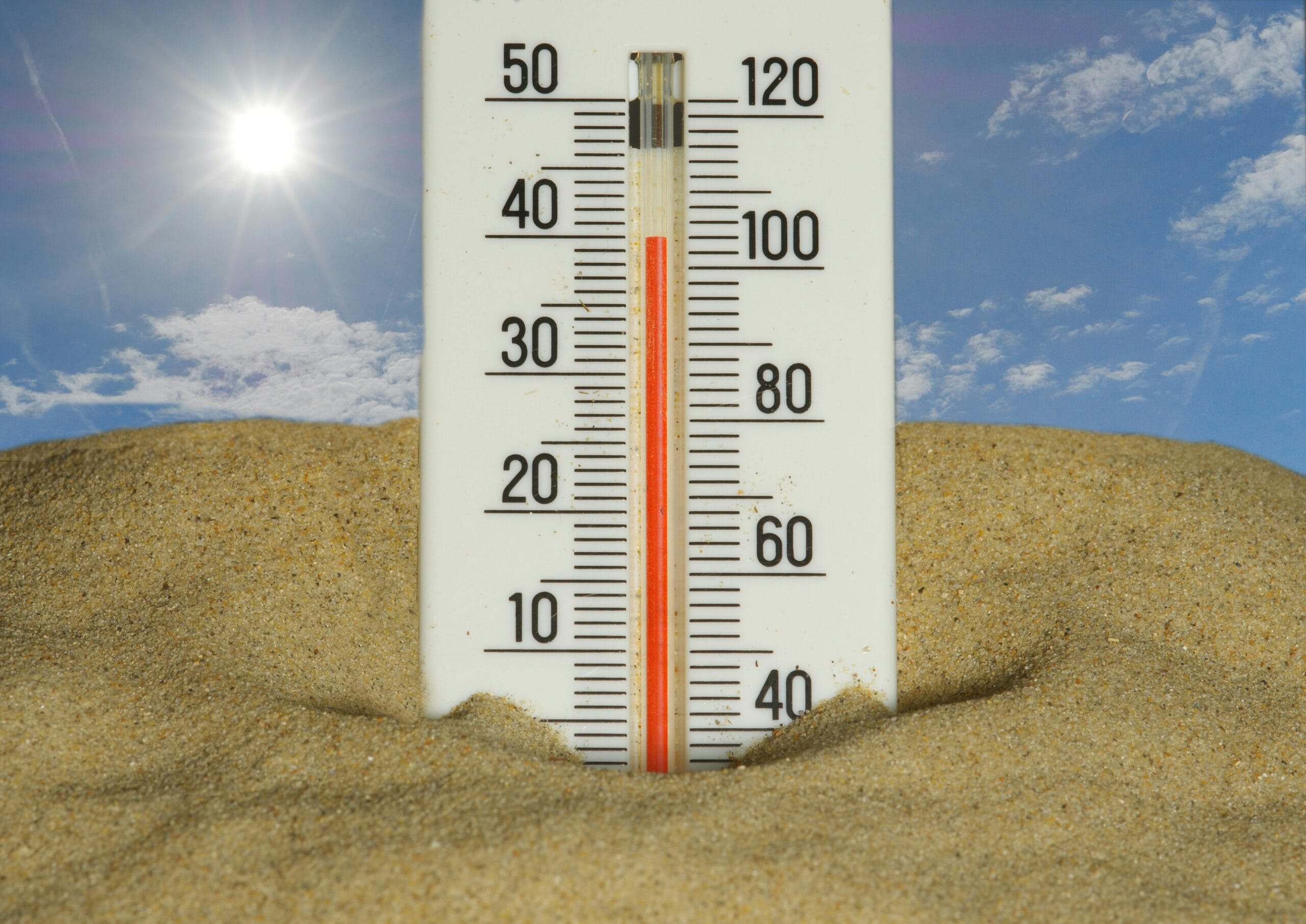
The discussion around school closures during extreme heat often focuses on children’s comfort and safety, which is entirely understandable. However, any decision to close schools has consequences that extend beyond the classroom, especially for vulnerable children.
Educational disruption is one obvious consideration. Whilst a single day of closure may have little impact in isolation, repeated closures could place additional pressure on schools already working within a packed academic calendar. Teachers may need to adjust lesson plans, reschedule assessments and find ways to recover lost learning time.
There are also practical implications for families. Many parents rely on schools not only for education but also for childcare during working hours. An unexpected closure can create significant challenges, especially for households already juggling work commitments, financial pressures and family responsibilities.
The economic impact should not be overlooked either. When large numbers of parents are forced to alter work schedules or take leave unexpectedly, employers can also feel the effects. Although children’s wellbeing must remain the priority, decisions around closures inevitably create ripple effects throughout wider society.
Perhaps one of the most important considerations is the potential for increased inequality. Families with flexible jobs, larger homes, gardens and strong support networks may be able to adapt relatively easily. Other families may face much greater challenges, highlighting how a single policy decision can affect different households in very different ways.
Are We Framing the Debate Too Narrowly?
One of the most interesting aspects of this discussion is that it is often presented as a simple choice between keeping schools open and closing them entirely. In reality, there may be several alternative approaches worth considering.
Some countries routinely adjust school hours during periods of extreme heat. Earlier start times and earlier finishes could allow learning to continue during cooler parts of the day whilst reducing exposure during the hottest hours.
Greater flexibility around school uniforms may also help. Many schools already relax uniform requirements during warm weather, but a more structured approach could allow children to dress more comfortably whenever temperatures exceed certain levels.
The experience gained during the pandemic demonstrated that remote learning is possible when circumstances require it. Whilst few parents or teachers would welcome a return to widespread online learning, occasional remote learning days during exceptionally hot weather may offer an alternative to full closures.
Schools may also be able to make better use of existing spaces. Libraries, halls, shaded outdoor areas and newer buildings often remain considerably cooler than some classrooms. Temporary adjustments to timetables and room allocations could help schools manage extreme conditions more effectively without disrupting learning altogether.
The Bigger Question: Is the School Calendar Still Fit for Purpose?

One aspect of this debate that receives surprisingly little attention is whether the traditional school calendar remains the best fit for modern family life.
The long summer holiday has existed for generations and is often accepted as simply part of the education system. Yet society has changed significantly. Family structures, employment patterns and childcare needs look very different today than they did when many aspects of the school year were originally established.
Some have suggested that rather than debating closures during occasional heatwaves, it may be worth considering whether holidays should be distributed differently throughout the year. Shorter summer breaks combined with longer breaks at other points could potentially reduce some of the challenges associated with exceptionally hot weather whilst also addressing concerns around learning loss.
Others argue that schools should have greater flexibility to respond to local conditions. What works for a modern school building in one part of the country may not be appropriate for an older school elsewhere. A more localised approach could allow decisions to reflect the realities of individual communities rather than relying solely on national guidance.
These ideas are not without challenges of their own, but they demonstrate that the conversation about extreme heat may ultimately form part of a much broader discussion about how education fits into modern life.
Perhaps the Real Issue Is Flexibility
The debate around school closures during extreme heat is unlikely to disappear. Occasional periods of unusually high temperatures will continue to raise difficult questions for schools, parents and policymakers alike.
What makes the issue so challenging is that there are legitimate concerns on all sides. Children’s wellbeing matters. Educational continuity matters. Family circumstances matter. The practical realities facing schools and employers matter too.
Perhaps the most constructive approach is not to view the issue as a simple choice between staying open and closing entirely. Instead, the focus could shift towards developing a range of flexible responses that can be adapted according to local circumstances and the severity of conditions.
Most UK summers are still not characterised by extreme heat. However, when exceptional temperatures do occur, having a wider range of options available may help schools respond in ways that balance safety, learning and practicality.
The real question may not be whether schools should close during extreme heat, but whether the current system is flexible enough to cope when conditions become exceptional.
