
Journalling is one of those habits that sounds almost too simple to make a real difference. It requires nothing more than a notebook and a pen, yet it has the potential to shift how people think, feel, and process everyday life. In a world that rarely slows down, taking time to write things down creates a pause. That pause can be surprisingly powerful.
For many, journalling begins during moments of overwhelm. Thoughts feel crowded, emotions feel tangled, and it becomes difficult to make sense of things. Writing offers a way to bring order to that chaos. Placing thoughts on paper allows them to be seen more clearly, rather than endlessly circling in the mind.
If you are thinking about creating your own notebook or journal, Bookblock are worth a look.
They manufacture custom journals in their European factory and have an online custom journal
builder that lets you explore formats, finishes and options.
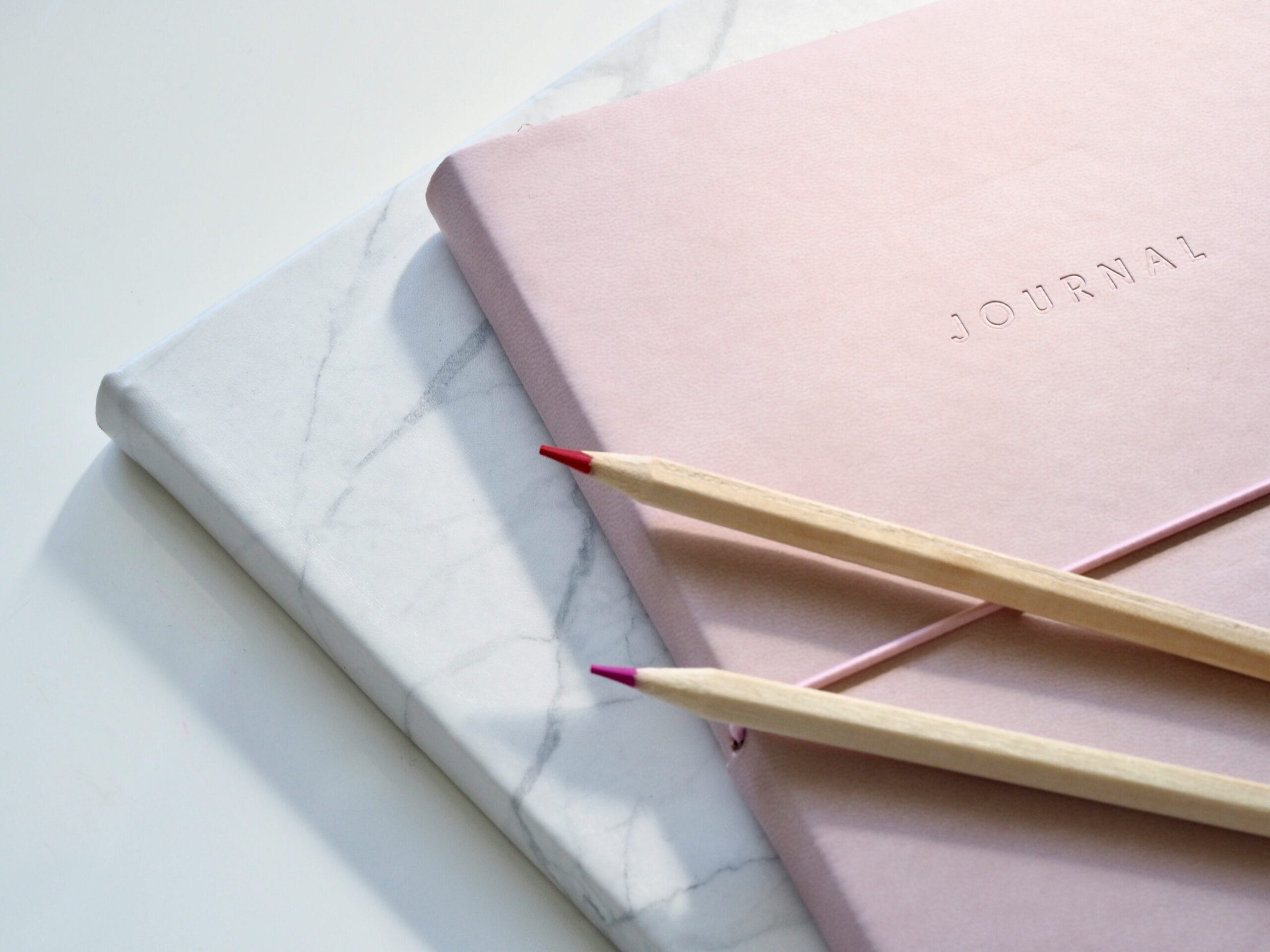
Why journalling supports mental clarity
There is strong evidence that writing things down supports emotional wellbeing and cognitive processing. Journalling helps to externalise thoughts, making them easier to examine and understand. What feels overwhelming internally often becomes more manageable once it is written out.
Regular journalling can help to reduce stress, improve emotional regulation, and increase self-awareness. It also creates space for reflection, which is something many people struggle to prioritise in busy daily routines. Over time, this practice can support better decision-making and a stronger sense of control.
Another important benefit is perspective. Writing about challenges often reveals patterns, triggers, or solutions that might otherwise go unnoticed. This process does not require perfect writing or deep insight. It simply requires honesty.
Letting go of the idea of “doing it right”
One of the biggest barriers to journalling is the belief that there is a correct way to do it. Many people assume they need to write pages every day or produce thoughtful, well-structured reflections. That expectation can stop them from starting at all.
In reality, journalling is highly personal. Some days it might be a few sentences before bed. Other days it might be a longer reflection, a list of worries, or even a simple note about something positive. The value comes from consistency and honesty, not from length or style.
A journal can be a place to plan, process emotions, set goals, or simply clear the mind. The format can change depending on what is needed at the time. That flexibility is part of what makes journalling so accessible and sustainable.
Why the journal itself makes a difference
While the act of writing is the most important part, the journal itself plays a bigger role than many people expect. A well-designed journal can make the experience feel more intentional and enjoyable, which increases the likelihood of sticking with the habit.
The look, feel, and quality of a journal can turn a simple activity into a meaningful ritual. This is where thoughtful design and personalisation become important.
Platforms like Bookblock offer a wide range of beautifully made journals that go beyond standard notebooks. Their collection includes different formats, sizes, and finishes, allowing people to choose something that genuinely suits their preferences. From minimalist designs to fully customised journals, the range supports a more personal approach to writing.
Having a journal that feels aligned with individual taste can make it more inviting to return to regularly. That sense of ownership helps transform journalling from an occasional activity into a consistent habit.

Making journalling work in everyday life
Time is often the biggest obstacle when it comes to starting new habits. Journalling does not need to be time-consuming to be effective. Even a few minutes of focused writing can create noticeable benefits over time.
It can help to attach journalling to an existing routine. Writing for a few minutes in the morning can set the tone for the day. Reflecting in the evening can help clear the mind before sleep. Another approach is to use journalling as a reset during stressful moments, allowing thoughts to be processed before moving forward.
Consistency matters more than duration. A short, regular practice is far more effective than occasional long sessions.
The long-term impact of journalling
At first, journalling may feel unfamiliar or even slightly uncomfortable. Finding the right words can take time, and there may be moments of uncertainty about what to write. That is a normal part of the process.
With consistency, the benefits begin to build. Patterns become easier to recognise, emotional responses become clearer, and there is often a greater sense of understanding about personal experiences. Over time, journalling can support resilience, clarity, and a stronger connection to one’s own thoughts and feelings.
There is also value in looking back. Previous entries can highlight progress, changes in mindset, and challenges that have already been overcome. That perspective can be both reassuring and motivating.
Final thoughts
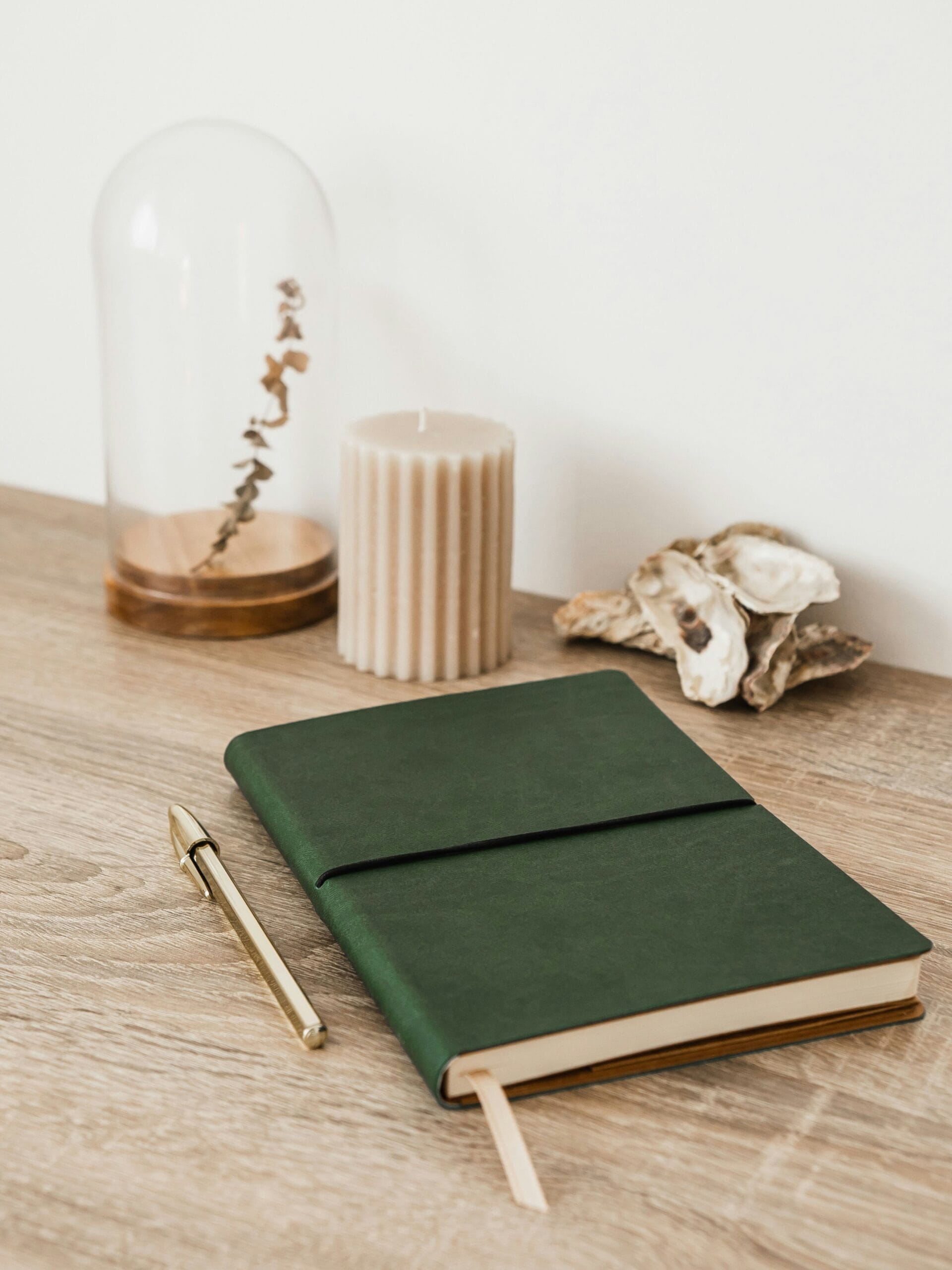
Journalling is not about producing perfect writing or following a strict routine. It is about creating space to think, reflect, and process life more clearly. In a fast-paced and often overwhelming world, that space is increasingly valuable.
A simple habit, supported by the right tools and a realistic approach, can have a lasting impact. Taking a few minutes to write things down may not seem significant in the moment, yet over time it can quietly transform how people understand themselves and their experiences.

1 comment
I’ve always been skeptical about journaling, but this article has me reconsidering its quiet power in managing thoughts and feelings. It’s a simple habit that might just bring more mindfulness into my daily life.