
While it is rewarding to make espresso at home, the process requires more than just pressing a button to achieve café-quality results.
Many people enjoy a cup of coffee daily and invest in good equipment, yet still find they cannot brew it in a way that is delicious, strong, or consistent. In most instances, it’s a result of some small errors.
Top Errors That Affect Homemade Espresso
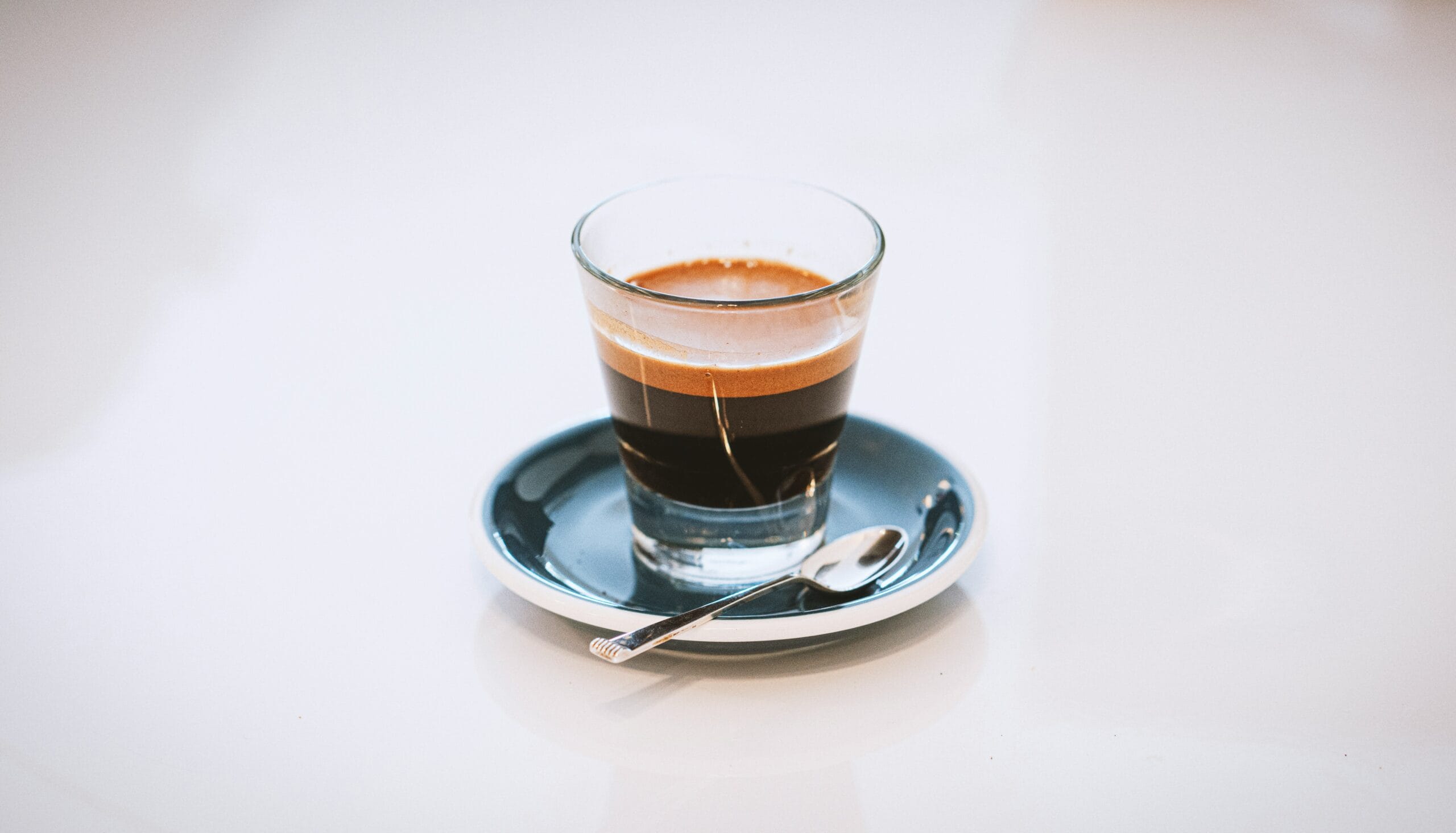
In this list of 10 common espresso faults and their solutions, we will explore each fault and its root causes. Let’s look at 10 common espresso mistakes, their causes, and how to avoid them.
Reusing old coffee beans
Freshness is more important than is sometimes realised. Coffee beans are volatile and will lose flavour rapidly after being roasted, particularly when in contact with air.
Old beans tend to produce a weak, unfragrant coffee. Use fresh roasted beans; store them properly for the best flavour.
Inappropriate grinding of beans
Espresso demands a precise grind size. If it’s too coarse, there’s too much water moving too quickly, resulting in a weaker espresso. If it is too fine, the extraction rate is slow, and the final extract is bitter. For a balanced flavour, balancing the consistency of the grind is crucial.
Ignoring water quality
Water is the largest component of your espresso, and the quality of the water will make a big difference to the taste. Over time, hard water and/or high levels of chlorine can affect the equipment’s flavour and impact.
Over time, hard water and/or excessive levels of chlorine may adversely affect the flavour and impact of equipment. Filtered water is typically the preferred choice.
A sub-optimal coffee-to-water ratio
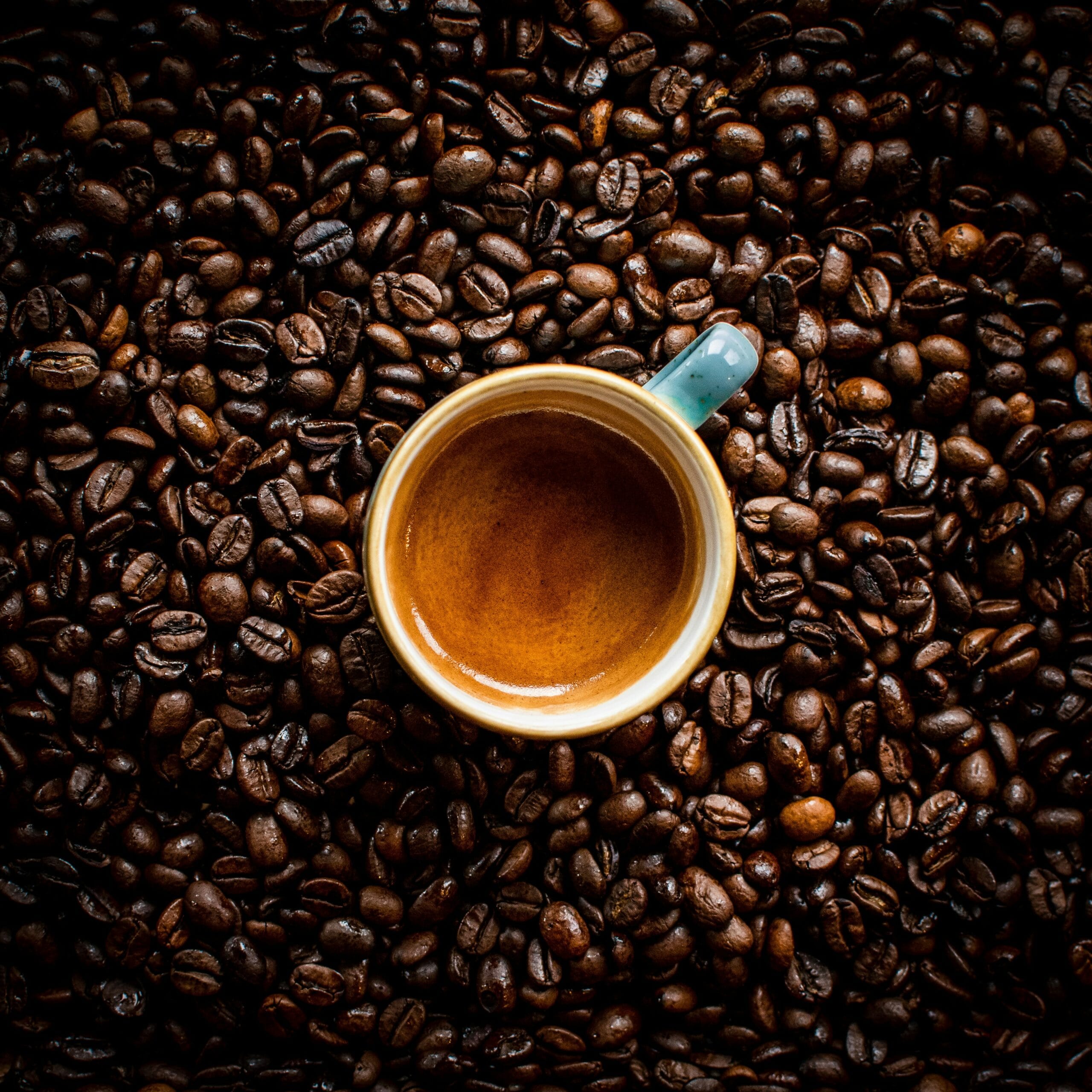
This is something that many people tend to do when they are just starting: they either overfill or underfill the coffee basket. Lack of accurate ratios results in irregular extraction. Accurate measurement of the coffee allows for creating well-balanced espresso shots, which will give a more balanced flavour and texture.
Poor tamping technique
The tamping presses the coffee grounds evenly as it is brewed. Inconsistent or weak tamping allows the water to run unevenly through the coffee, affecting the extraction. A deep, stable tamp will result in better shots. You must be careful if you are using a manual coffee machine.
Not preheating the equipment
Cold equipment can create temperature issues with the brew and diminish the taste of espresso. Preheating the machine, portafilter, and cups will ensure that the machine is at a steady temperature during extraction.
Over-extracting or under-extracting
Of course, the quality of espresso is greatly affected by the timing. Sour, thin or bitter and harsh. Keeping track of the time taken to extract helps to make a more even and well-rounded espresso.
Neglecting machine cleaning
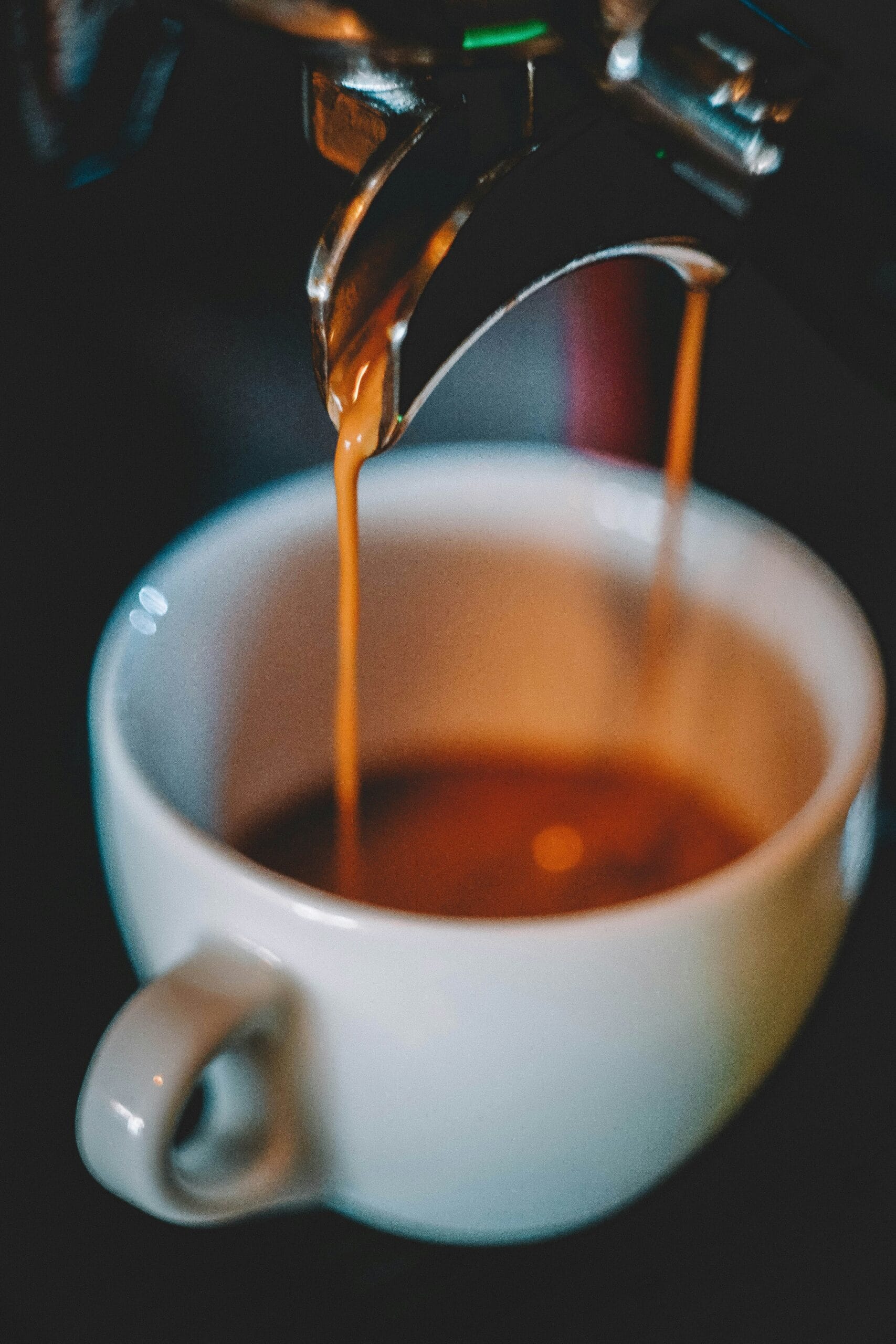
Oils and residues tend to accumulate very rapidly in espresso machines. These deposits negatively affect the machine’s taste and performance if they are not cleaned regularly. Regularly cleaning your equipment will help to keep the espresso tasting fresh.
Using low-quality beans
With the best of techniques, it’s hard to salvage bad coffee beans. A good investment of quality beans can make a difference in the aroma, flavour, and crema.
Attempting to speed up the process
Making a great espresso takes time and practice. A hurried preparation can result in errors in grinding, tamping, and/or extraction. When you invest time into tweaking your process, they’ll get better in the long run.
Conclusion
Making espresso is an art and an experience. From the freshness of the beans to the size of the grind, there are many subtle differences that can make a big difference in the final cup.
These pitfalls can be avoided, and with consistency, the quality of your espresso will greatly improve, and you can enjoy richer and smoother coffee from the comfort of your home.

2 comments
Really useful list — I’ve made at least three of these mistakes with my home setup. Lately I’ve been using a realistic AI photo generator to sketch out coffee flat-lay ideas before I shoot them, which has helped me plan the lighting and props. Time to dial in my espresso properly!
Great post! I never realized that reusing old beans was such a big deal. The part about freshness really makes sense. Now I’ll pay more attention to storing my coffee. Thanks for the helpful tips!