
You’re making breakfast, hunting for a missing shoe and trying to get everyone out of the door, so “learning time” may sound like one more thing you’re supposed to fit in. The good news is that children don’t only learn from worksheets, clubs or carefully planned activities.
They learn when they pour cereal, count steps, notice birds, ask awkward questions in the supermarket and help you sort socks. Once you start spotting these chances, ordinary family life becomes less about adding extra tasks and more about using the moments already happening.
Let the Kitchen Do Some Teaching
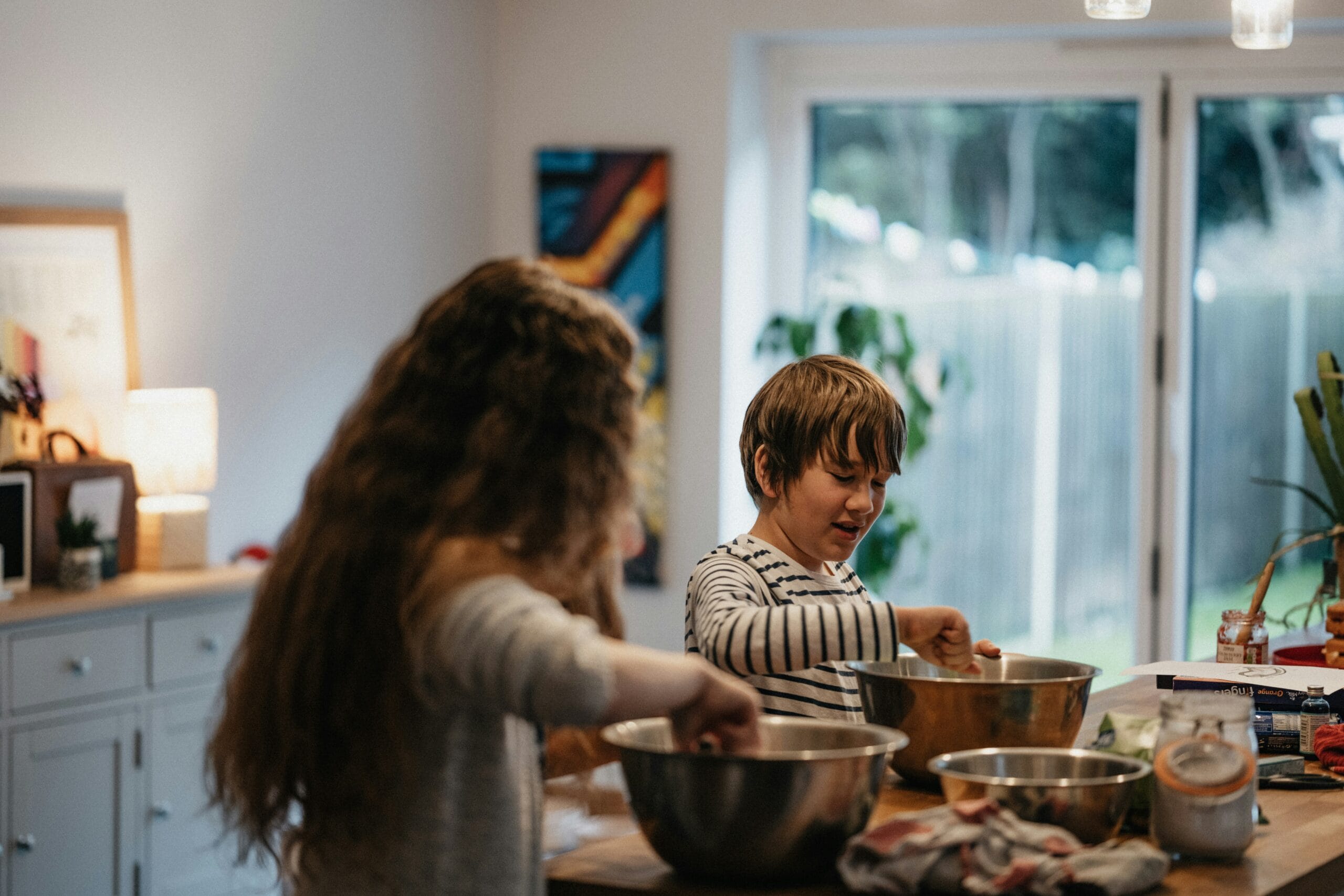
A child stirring pancake batter is learning more than how to make breakfast. They’re seeing liquids change texture, hearing words like full, empty, more and less, and practising patience while something cooks.
Give them jobs that match their age. Toddlers can pass spoons, tear lettuce or count apples into a bowl. Older children can weigh pasta, read cooking times or work out whether a recipe needs doubling. If something spills, make it part of the lesson: how do we clean it, what made it tip, and what might work better next time?
Turn the Window Into a Nature Spot
A rainy garden, balcony ledge or kitchen window still has plenty going on. Children often notice tiny details adults miss, such as a blackbird tugging at the grass or a robin appearing at the same time each morning.
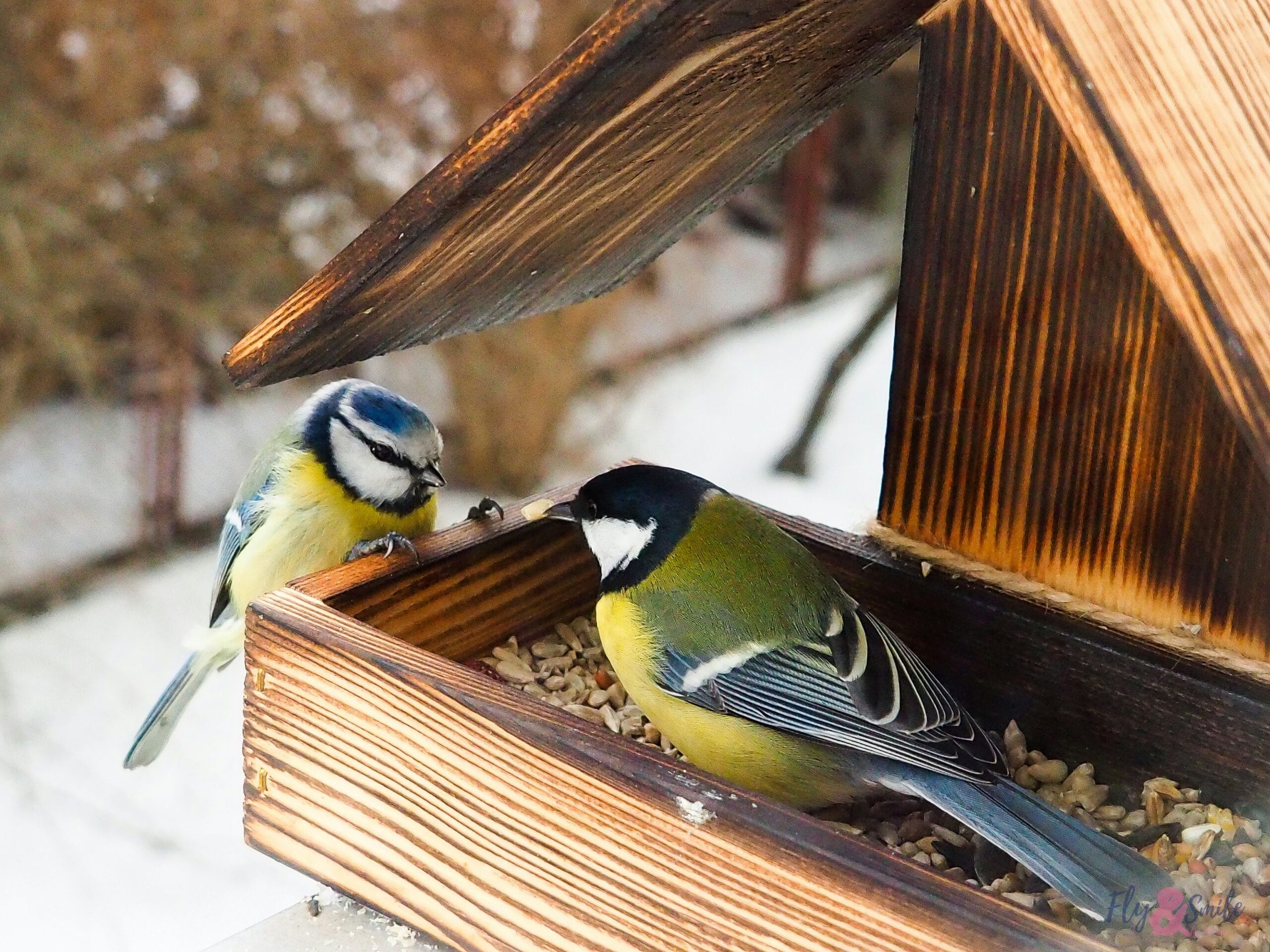
A window bird feeder near a family table turns snack time or breakfast into a gentle nature watch. Keep a notebook nearby and let children draw what appears, count visits or compare colours. If they want names for what they’re seeing, garden birds your children might spot gives them a simple way to connect real visitors with facts.
Use Everyday Words More Deliberately
Children build understanding through repeated language, especially when words are linked to something they can touch, see or do. You don’t need to narrate every second of the day, but small phrases make a difference.
Counting: “We need four plates. Can you put one at each seat?”
Comparing: “Your wellies are heavier than your trainers.”
Sequencing: “First we wash hands, then we mix, then it goes in the oven.”
Predicting: “The clouds look dark. What do you think we’ll need for the walk?”
These tiny exchanges turn routine jobs into maths, science and communication without making children feel tested.
Make Chores Feel Like Shared Problem-Solving
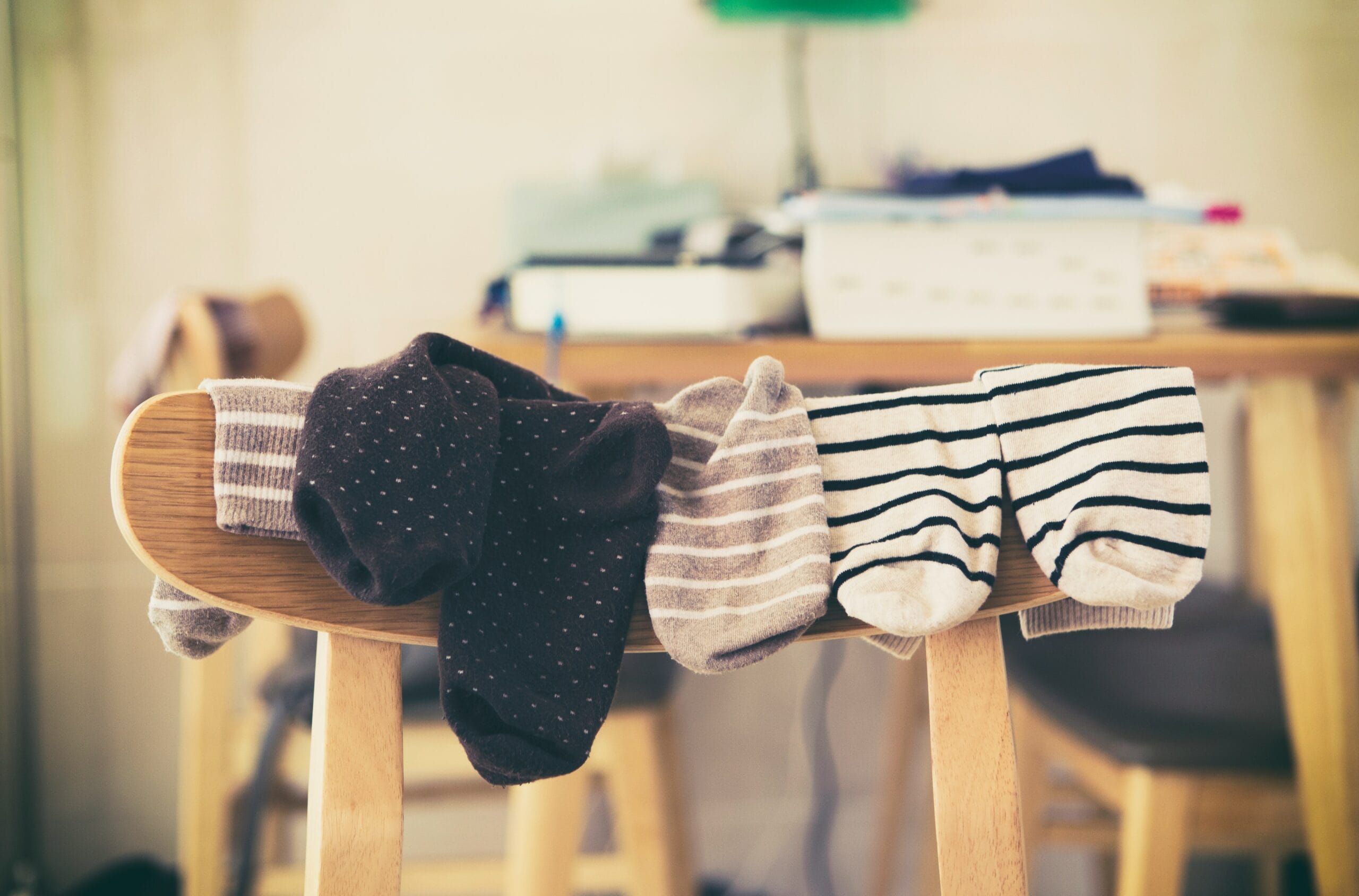
Laundry, tidying and shopping may not look educational, but they’re full of sorting, matching, planning and decision-making. Ask children to pair socks, group clothes by colour or find the cheapest tin of tomatoes on the shelf.
Older children can help plan a simple meal from what’s already in the fridge. That teaches budgeting, food waste, reading labels and thinking ahead. Younger children might enjoy hunting for shapes on packaging or choosing the biggest carrot. For hands-on play away from screens, sensory activities using everyday materials show how ordinary objects can support curiosity.
Follow Their Questions Without Taking Over
A child asking why the moon follows the car doesn’t need a lecture. They need you to take the question seriously. Say what you know, admit what you don’t, and look it up together later if they’re still interested.
The aim is not to turn every conversation into school. It’s to show children that wondering is welcome. If they ask why bread rises, why dogs sniff, or why leaves change colour, you have a doorway into learning that started with their own curiosity.
Keep It Light Enough to Repeat
Learning moments work best when they fit your family’s actual pace. Some days you’ll count birds and bake together. Other days everyone will be tired, dinner will be toast, and the main lesson will be getting through bedtime kindly.
Choose one small habit this week: a question at dinner, a nature notebook by the window, or a cooking job your child can own. Everyday learning grows through repetition, not pressure.

1 comment
very nice idea! I love it ! if you want to paly onlone games , welcome!