
*This article contains an affiliate link*
Leaving Home, Finding Independence, and Exploring the World
For many young people, finishing school, completing A-levels, or starting a long university summer break marks the beginning of an exciting new chapter. After years of structured routines, exams, and academic commitments, many choose to celebrate their newfound freedom by travelling.
Whether it’s a first holiday with friends, an interrailing adventure across Europe, a backpacking trip through Asia, volunteering abroad, or a gap year exploring different cultures, travel offers young adults invaluable opportunities to grow in confidence, develop independence, and gain life experiences that simply can’t be taught in a classroom.
For parents, however, seeing children head off into the world can bring a mixture of pride, excitement, and concern. Questions about safety, cultural awareness, budgeting, and practical travel skills are often at the forefront of their minds.
Finding a gift that is both thoughtful and genuinely useful can help bridge that gap between excitement and preparation.
Why Travel Is One of Life’s Greatest Teachers
Travel exposes young people to different ways of living, thinking, and communicating. It encourages problem-solving, adaptability, resilience, and cultural understanding.
A delayed train, a language barrier, or navigating an unfamiliar city can teach lessons in independence far more effectively than many classroom experiences. Travelling also helps young adults develop confidence in making decisions, meeting new people, and managing unexpected situations. Yet one aspect of travel that is often overlooked is cultural etiquette.
Understanding local customs can be just as important as remembering a passport or packing enough clothes. Small mistakes are usually harmless, but being aware of cultural differences can help travellers show respect, avoid embarrassment, and enjoy more meaningful interactions with local communities.
The Challenges First-Time Travellers Often Face
Many young travellers spend hours researching destinations, accommodation, and attractions. Far fewer invest time learning about the social norms and customs of the places they plan to visit.
Simple questions can quickly become complicated:
- Should you tip in restaurants?
- Is it acceptable to take photos everywhere?
- How do people greet one another?
- Are there local customs around eating and dining?
- What behaviours might unintentionally cause offence?
These are the kinds of practical details that can make a huge difference to a travel experience. First-time travellers often discover that what feels perfectly normal at home may be viewed very differently elsewhere.
A Practical Gift That Goes Beyond Travel Guides
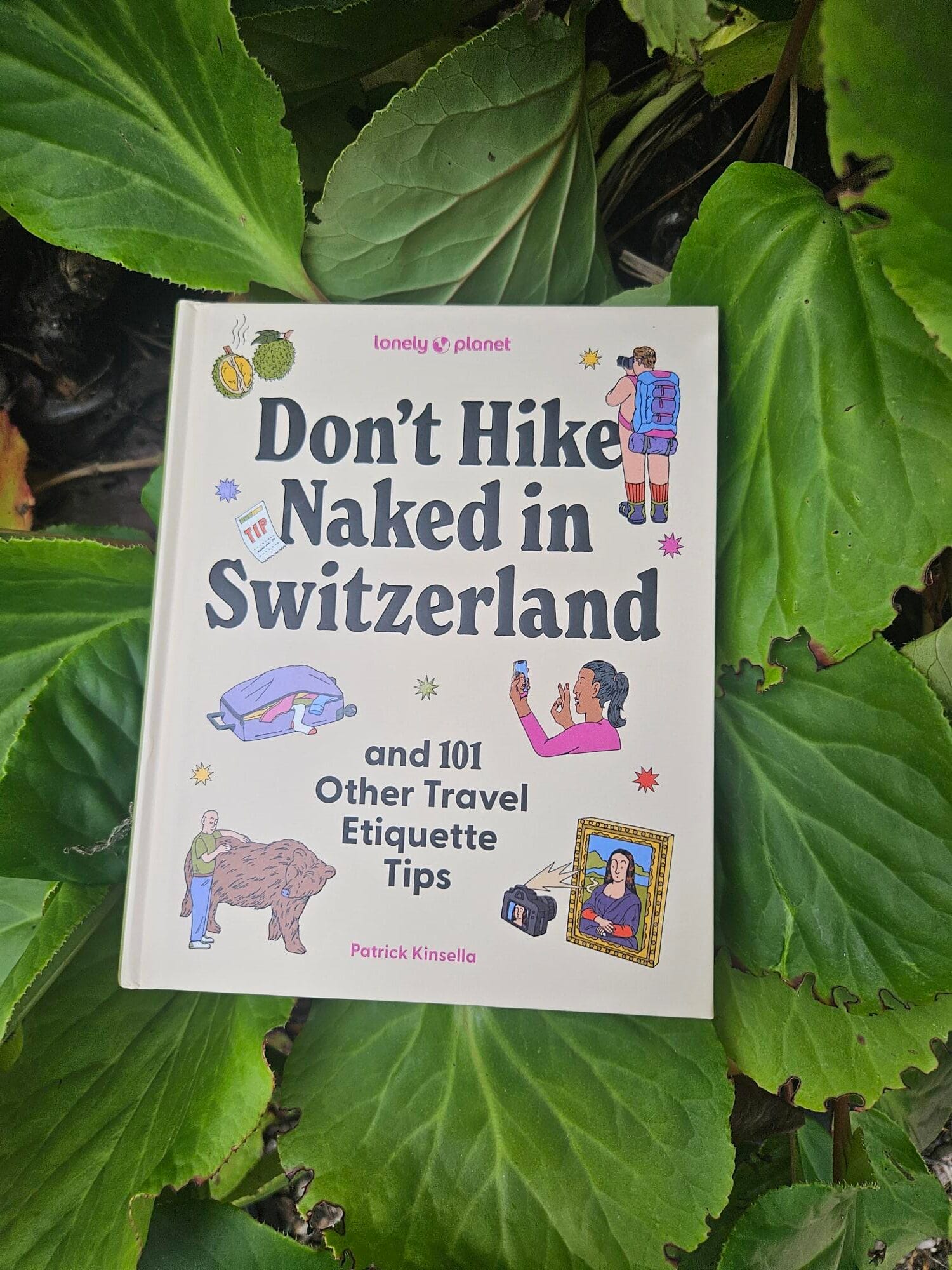
If you’re looking for a useful gift for a school leaver, university student, gap year traveller, or young adventurer, Don’t Hike Naked in Switzerland from Lonely Planet offers something refreshingly different.
Rather than focusing solely on destinations, accommodation, or sightseeing, this pocket-sized guide explores the unwritten rules of travel. Packed with more than 100 practical tips, it helps readers understand cultural etiquette, social customs, unusual laws, and travel behaviours from around the world.
Written by Patrick Kinsella and illustrated by Kaitlin Brito, the guide combines humour with genuinely useful advice, making it particularly appealing to younger travellers embarking on independent adventures for the first time.
Six Lessons Every Young Traveller Can Learn
1. Not Everyone Wants to Hear Your Playlist
Public transport etiquette varies around the world, but one principle is fairly universal: people generally don’t want to hear someone else’s music, videos, or phone conversations.
Packing headphones might seem obvious, but it’s one of the simplest ways to be considerate while travelling and helps young people blend in more comfortably when navigating unfamiliar environments.
2. Tipping Rules Are Not Universal
One of the most confusing aspects of international travel is understanding tipping culture.
In countries such as the United States, tips often form a significant part of workers’ income. In contrast, tipping may be unnecessary, unexpected, or even considered inappropriate elsewhere.
For example, tipping is generally not expected in Japan, while service charges are often included in bills across parts of Europe. Understanding these differences helps travellers avoid awkward situations and demonstrate respect for local customs.
3. Greetings Matter More Than You Think
Something as simple as saying hello can vary dramatically between cultures. In some countries, a handshake is the norm. In others, cheek kisses are common, with the expected number differing from place to place. Following the lead of local people can often be the safest approach.
Learning these small social cues can help young travellers feel more comfortable and confident when meeting new people.
4. Table Manners Change Around the World
Food is often one of the highlights of travel, but dining customs can vary enormously. In some countries, eating with your hands is perfectly normal. In others, the way cutlery is used carries important cultural meaning. Even practices such as where to place chopsticks or which hand to use when handling food can differ significantly.
Being aware of these traditions demonstrates cultural respect and often leads to more positive interactions with local communities.
5. Queueing Isn’t Universal
Britons are famously known for their love of orderly queues, but not every country approaches waiting in the same way.
What feels normal in one place may not apply elsewhere. Understanding these differences can help reduce frustration and make navigating busy attractions, transport hubs, and public spaces much easier.
6. Think Before Taking That Selfie
Social media has become a major part of modern travel, but there are increasing restrictions in some destinations regarding photography and selfies.
Certain locations have introduced rules to prevent congestion, preserve visitor experiences, or protect cultural sites. Being mindful of where and when photographs are taken helps travellers remain respectful and avoid unnecessary fines or conflicts.
Why Books Still Matter in a Digital Travel Age
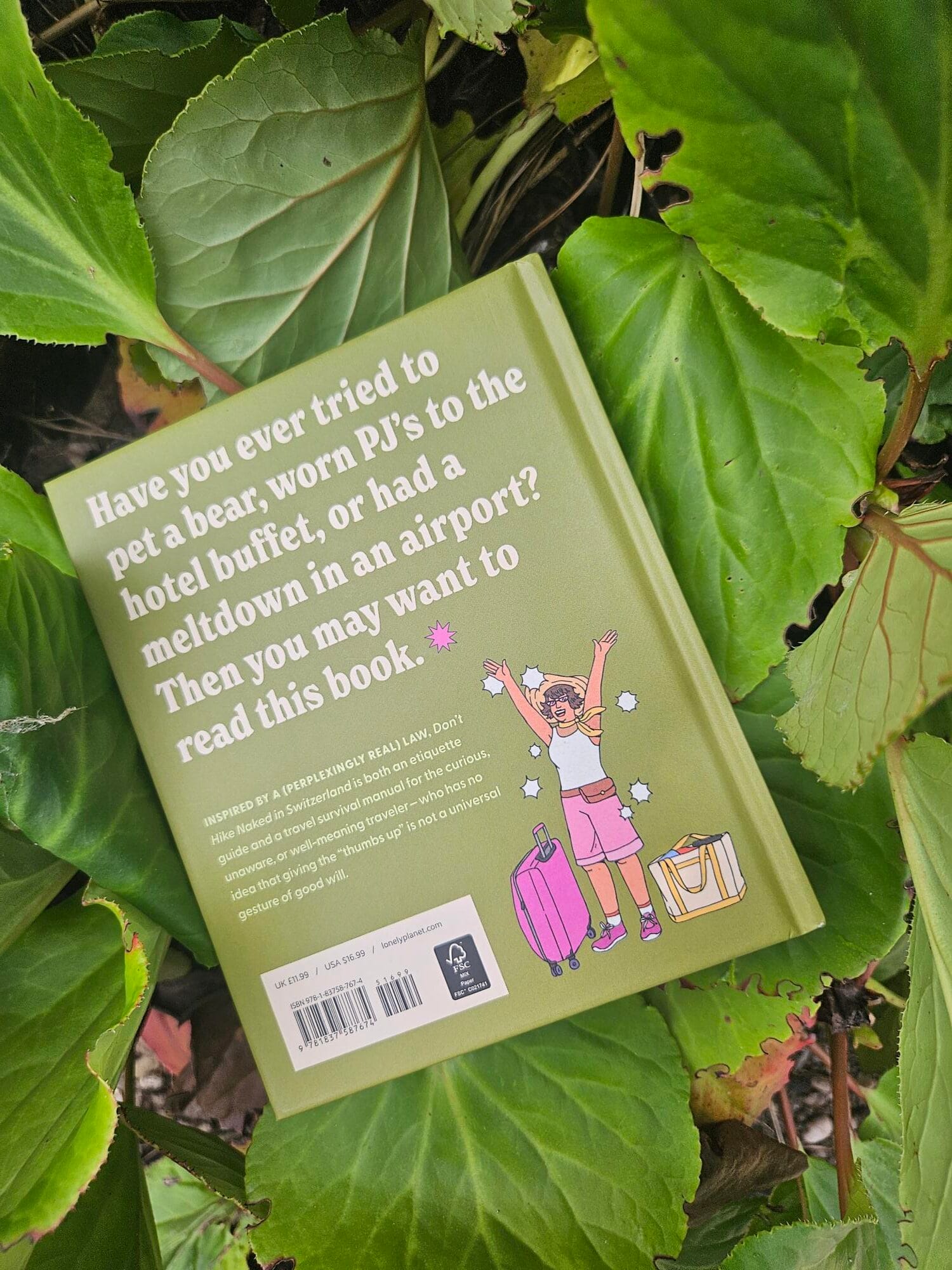
While smartphones provide instant access to maps, translations, and booking platforms, there is still something valuable about carrying a physical guide.
Unlike endless online searches, a carefully curated travel book can present information in an engaging and memorable way. It also encourages travellers to think more deeply about the people and cultures they will encounter, rather than simply focusing on ticking destinations off a list.
For young people embarking on their first independent adventures, a practical book can provide reassurance, confidence, and useful knowledge long before they board a plane.
A Thoughtful Gift for School Leavers and Student Travellers
As exam season comes to an end and travel plans begin to take shape, many families will be searching for meaningful gifts that go beyond the usual gadgets and travel accessories.
A book such as Don’t Hike Naked in Switzerland makes an excellent choice because it combines entertainment with practical life skills. It encourages curiosity, cultural awareness, and respectful travel habits while helping young adventurers navigate unfamiliar situations with confidence.
For school leavers setting off on their first holiday with friends, university students embarking on summer adventures, or gap year travellers preparing for months on the road, it could be one of the most useful items they pack.
After all, understanding people and cultures is often just as important as knowing where you’re going.

6 comments
New players can quickly grasp the space waves basic concepts, while experienced players can spend countless hours refining their techniques.
Great post! I really enjoyed reading about this memorable travel experience. Bellevue Syrene looks like the kind of place that leaves a lasting impression, especially when paired with a relaxing lunch overlooking such beautiful scenery. I also appreciate the focus on practical travel style. Comfortable yet elegant outfits can make a big difference during long travel days. The anticipation of continuing along the Amalfi Coast adds an exciting touch to the story. Thanks for sharing these inspiring moments and helpful travel insights. kilimanjaro taxi services
This is such a relatable topic. Finishing school or exams feels like a major milestone, and traveling is a fantastic way to celebrate that achievement. It gives young people the opportunity to explore new places, gain independence, and create unforgettable memories before moving on to the next stage of life. I also think travel helps build confidence and teaches valuable life skills that can’t always be learned in a classroom. Great introduction to an important subject. yachts in st maarten
This is such a thoughtful take on preparing young travellers—cultural awareness truly matters as much as packing the right gear. While they’re learning local customs abroad, they’ll also appreciate being able to digitise itineraries, bookings, and guidebook pages on the go with a free OCR tool for travel documents, turning any snapshot into searchable text instantly.
The emphasis on cultural etiquette over mere sightseeing really resonates — understanding tipping, greetings, and dining customs can make or break a first trip abroad. Love how it frames travel as a life teacher. For those who enjoy adventures with friends, your ultimate BigWalk co-op island guide offers puzzle hints, interactive maps, and trophy walkthroughs to help your crew explore every corner together.
This article hits the nail on the head — preparation and cultural awareness are what turn a stressful first trip into a meaningful adventure. The six lessons, from tipping etiquette to selfie caution, are exactly the practical wisdom young travellers need before stepping into the unknown. Speaking of surviving unfamiliar territory, if you’re braving a different kind of chaos, your complete No More Room in Hell 2 survival handbook equips you with map strategies, infection cures, and extraction tactics to keep your crew alive.