
Moving to a new city involves more than finding a property and arranging a removal van. You need to work out what you can afford, choose an area that fits your family’s routine, and make sure the property is suitable before signing a tenancy agreement. If you are moving to Sheffield for work, family or a fresh start, a little preparation can prevent expensive surprises later.
Set Your Rental Budget
Start with how much you can afford to spend each month, not just the rent. Rent is only one part of the household budget. Council tax, gas and electricity, water, broadband, transport and childcare can all affect what remains at the end of the month.
Check whether the rent includes any bills, and ask how much the previous tenants typically paid for heating and electricity. This matters particularly in older properties, where poor insulation or inefficient heating can make winter bills higher than expected.
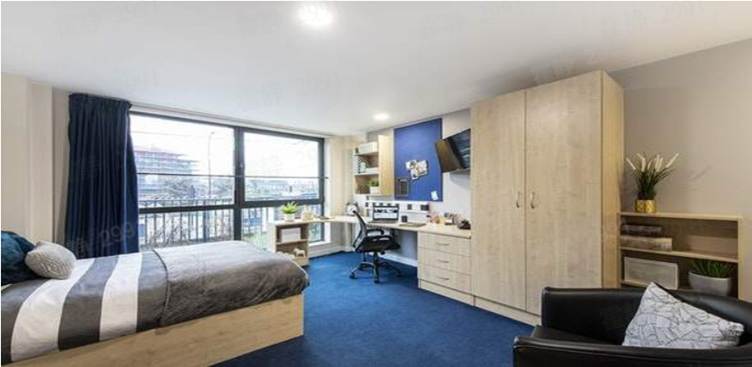
You will also need money ready for the move itself. Depending on the tenancy, upfront costs may include a holding deposit, tenancy deposit, rent in advance, removal costs and basic household items. Keep some money aside for unexpected expenses rather than spending your entire moving budget on securing private student accommodation Sheffield.
If you have children, include school transport, childcare and the cost of getting to regular activities. A cheaper property can become less affordable if it means driving across the city every day or paying for extra childcare around a longer commute.
Check Bills and Compare Total Costs
When comparing properties in Sheffield, you should look beyond the advertised monthly rent. The true cost of living includes bills, transport and other regular expenses, so calculating the full picture helps you make a clearer decision.
Start by checking what the rent actually covers. University-managed halls and private student accommodation often include utilities and internet, while private houses and flats usually require you to arrange and pay for these yourself. Ask the landlord or accommodation provider whether the following items are included in the rent:
- Gas and electricity
- Water
- Broadband
- Contents insurance
- Laundry facilities
- Maintenance or service charges
- Council tax (full-time student households in Sheffield can often apply for an exemption)
If bills are not included, ask what previous tenants typically paid for heating and electricity. Older properties with poor insulation can push winter bills significantly higher. You should also budget for everyday costs such as groceries, toiletries, mobile phone, transport, social activities and study materials, and check whether you need a TV Licence.
Create a simple side-by-side comparison for the properties you are seriously considering. List the total monthly cost (rent + estimated bills + transport) and the upfront costs (deposit + first month’s rent + any admin fees). This makes it much clearer which option is genuinely more affordable once everything is taken into account. Also consider location-related costs. A cheaper property further from university, work or school may end up more expensive once you add daily travel time, bus or tram fares, or the need for a car. If you have children, include the cost of school transport or extra childcare caused by a longer commute. Finally, check the tenancy length and break-clause terms. A slightly higher rent with a flexible contract can sometimes work out cheaper than a lower rent that locks you in for 12 months with no easy exit.
Choose the Right Neighbourhood to Live in Sheffield
The best area to live in Sheffield depends on where you work, where you or your children go to school and how you expect to spend your time. Before choosing a neighbourhood, check the journey to work, school and essential shops rather than relying on a general description of the area.
- Sheffield city centre suits people who want shops, restaurants, services and public transport within easy reach. It may work well for a household that does not need much outdoor space, but check the property’s parking arrangements, noise levels and storage before committing.
- Broomhill is worth considering for households that need access to the university area and local shops. Check the route to your workplace or school, as well as parking and the availability of suitable family-sized properties.
- Crookes has residential streets and local shops, making it an option for families who prefer a neighbourhood setting. Sheffield is hilly, so walk the route to nearby shops and bus stops before deciding that a property is conveniently located.
- Ecclesall Road and the surrounding areas offer access to shops, cafés and green spaces. Compare properties carefully, as rent, parking and the distance to schools or workplaces can vary from one street to another.
- Hillsborough has local shopping facilities and access to the Supertram network. It is worth checking if your daily journey suits public transport, but calculate the full journey time, including walking to and from stops.
- Kelham Island has converted industrial buildings, apartments, cafés and places to eat. It may appeal to renters who prefer apartment living close to the centre, although the size of the property, outdoor space and parking may not suit every family. For university students who prefer this area, Sheffield 3 is a PBSA that offers affordable en-suites and studios, around a 15-minute walk from the University of Sheffield.
If you have school-age children, check school admissions and catchment arrangements directly with the relevant school or local authority. Don’t assume renting on a particular street guarantees a place at your preferred school. Visit the area at the times you would normally leave home and return, too. The school run, traffic, and parking can feel very different during the morning rush than on a quiet afternoon.
Decide What Type of Accommodation Suits Your Need
Student Halls and Private Student Accommodation
University halls and private student accommodation in Sheffield can be convenient for people living away from home for the first time. They usually offer furnished rooms, shared social spaces, all-inclusive rent, and on-site maintenance support, which can make settling in much easier. Private purpose-built student accommodation (PBSA) sits between traditional university halls and ordinary private rentals. Bills are typically included, security is stronger, and contracts are commonly 44 or 51 weeks.
uhomes.com offers a wide range of student accommodation near Sheffield Hallam University and the University of Sheffield. You can filter options that suit your needs, view detailed property information, and book securely. uhomes.com is a reliable rental platform that has verified many student properties in Sheffield, checking room quality, in-room and shared facilities, sound insulation, distance to university campuses, on-site services, and security. These checks help students and parents make informed decisions and feel more confident about booking a home before arrival.
Shared Houses and Private Rentals
A shared house is usually the most affordable rental option in Sheffield. Rooms in Crookes, Crookesmoor, and Walkley can be found for £75–£125 per week, with many under £130. One thing to note is that bills are separate when renting shared houses, and you’ll set up utilities and manage the property.
Private renting also introduces housemate risk. Disagreements over cleanliness, bills, or noise are common, and in a joint tenancy you may be liable for the whole rent if a housemate leaves.
Self-check: Have you compared the true monthly cost of each option (rent + bills + travel + any holiday accommodation), not just the displayed weekly rent?
Room Types and Essential Facilities
Student accommodation in Sheffield offers several room types to suit different budgets and privacy preferences. Understanding the differences can help you choose a room that fits your needs.
- En-suite rooms: Have a private bedroom and bathroom, with kitchen facilities usually shared with other residents.
- Shared-bathroom rooms: Provide a private bedroom but require you to share a bathroom and kitchen. These are available in selected University of Sheffield residences.
- Deluxe rooms: Typically offer more space or a larger bed, but bathroom arrangements vary by property.
- Studios: Offer a more private living space. Check whether the studio has a full kitchen or only a kitchenette, as facilities vary between Sheffield accommodation providers.
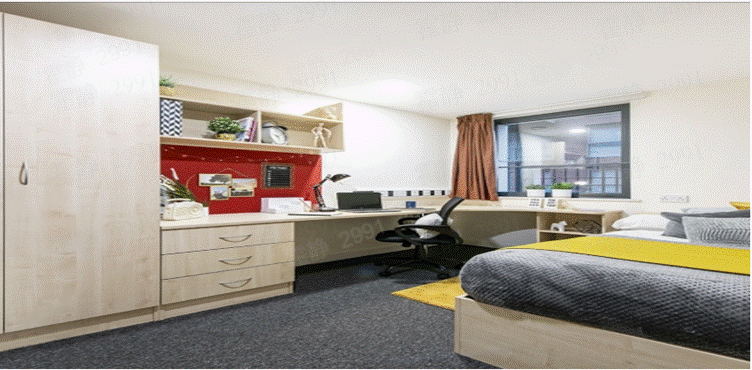
If you want to move in without buying furniture, uhomes.com offers furnished student accommodation in Sheffield, with essentials such as a bed, desk and wardrobe provided as standard. You can settle in from day one. For a first rental, you also need to prioritise:
- En-suite vs shared bathroom: en-suite costs more but removes a daily source of friction in shared houses.
- Heating type: electric heating can be significantly more expensive than gas; ask what type the property uses.
- Laundry: in-unit washing machine vs shared laundry facilities vs laundrette. The last adds recurring cost and inconvenience.
- Furnished vs unfurnished: most purpose-built student properties are furnished. Confirm exactly what is included, because “furnished” can mean a bed and desk or a fully equipped home.
Check the Property Before Booking
A property can look tidy during a viewing but still have problems that affect daily life. Look closely at ceilings, window frames and external walls for signs of damp or mould. Check that windows open and close, taps work, toilets flush, and the heating and hot water operate. Ask about unfinished repairs, and get the landlord or agent’s response in writing.
Think about how the property will work when everyone is at home.
- Is there enough storage for coats, shoes, and school bags?
- Can you sleep without being disturbed by street noise?
- Is there somewhere to dry clothes in winter?
- If the property has stairs, consider whether they are manageable for everyone in the household.
Before signing, read the tenancy agreement carefully. Check the rent, payment dates, tenancy arrangements, notice requirements, repair responsibilities, and any restrictions on pets or decorating. Ask about anything you do not understand rather than relying on a verbal assurance.
In England, landlords and letting agents must follow the rules on tenancy deposits and permitted payments. Check what you are being asked to pay, whether the tenancy deposit must be protected in an authorised scheme, and what written information you should receive. Never transfer money simply because someone claims that another applicant is about to take the property. Verify the landlord or agent and confirm the payment instructions first.
Complete Your Booking and Payments
Start your search through reliable accommodation sources, including university accommodation portals, established letting agents, PBSA providers, and authorised student accommodation booking platforms. For students looking for accommodation in Sheffield, uhomes.com is a trusted, comprehensive solution for booking student accommodation, helping you explore available options in Sheffield’s city centre and near the two major universities. Payments are guaranteed when booking with uhomes.com, as you pay directly and securely to the accommodation providers.
Regardless of where you find a property, always verify the listing, landlord or accommodation provider, contract terms and payment details before booking.
Prepare Documents Needed to Rent in Sheffield
Rental applications can move quickly, so gather the documents you’ll likely need before you start making offers. Landlords and letting agents may ask for identification, proof of income, employment details, references and information about your rental history. They must also complete the required Right to Rent checks in England.
If you are self-employed, changing jobs or renting for the first time, ask early what evidence the landlord will accept. International students without a UK-based guarantor may find it easier to book purpose-built student accommodation (PBSA), as many providers do not require one. Families should also confirm the exact move-in date in writing to avoid gaps between tenancies.
| Document | When / Why It’s Needed |
| Passport or other accepted ID | To verify identity |
| Visa or digital immigration status (share code) | For Right to Rent check (if applicable) |
| Evidence of student status / university enrolment | For student halls or student-specific properties |
| Proof of income, employment or funding | To show you can afford the rent |
| Previous landlord reference (or employer/other reference) | To check rental history |
| Guarantor details and supporting documents | If a guarantor is required |
Notes:
- Requirements can differ between university halls, private rentals and PBSA.
- Always ask the landlord or accommodation provider for a clear list before submitting your application.
Moving-Day Checklist and Inventory
Before moving your belongings in, walk through the property and record its condition. Take dated photographs of existing marks, damaged fittings, stains and any signs of damp. Compare these with the inventory supplied by the landlord or agent, and promptly report any discrepancies in writing.
Record the gas, electricity and water meter readings where applicable. Check that you have all the keys, that external doors and windows lock properly, and that the heating and hot water work. Find the fuse box, stopcock and instructions for any unfamiliar appliances.
Keep copies of the tenancy agreement, inventory, payment receipts, and repair messages in one place. If a problem arises later, written records make it easier to show when you reported it and what you agreed to.
First-Time Renter’s Checklist: Quick Summary
Before you commit to a property in Sheffield, use this checklist to make sure you have covered the essentials.
Before choosing a property
- Work out your total monthly housing budget.
- Check whether utilities, internet and other bills are included.
- Compare neighbourhoods and commute times.
- Decide whether you want halls, a shared house, a private room or a studio.
- Shortlist properties that meet your essential requirements.
Before signing
- View the property in person or arrange a reliable live video viewing.
- Check the room, shared facilities, security, and signs of damp.
- Confirm the landlord’s or agent’s identity and authority.
- Read the agreement and understand the tenancy type and notice rules.
- Check the rent, deposit, payment schedule, and any guarantor requirements.
- Confirm which bills and facilities are included.
- Ask for clarification on anything you do not understand.
- Keep copies of the agreement and payment records.
Before and during move-in
- Confirm key collection and check-in arrangements.
- Photograph existing damage and review the inventory.
- Test the supplied facilities and record meter readings where relevant.
- Report problems in writing.
- Set up any necessary utilities, internet and household services.
- Check Council Tax eligibility and local transport options.
Frequently Asked Questions
When Should I Start Looking for Accommodation in Sheffield?
- Student shared house: Start looking in January and aim to secure by February–April for September.
- University halls: Apply as soon as the window opens, usually from March; check the guarantee deadline.
- Private PBSA: Start January–March for a specific building or studio; standard en-suite rooms are often available until May.
- Private flat: Start 4–6 weeks before move-in.
How Much Does It Cost to Rent in Sheffield?
The average rent in Sheffield is around £930–£1,000 per month. Here’s what people typically pay:
1-bedroom apartments: £693
2-bedroom apartments: £844
3-bedroom apartments: £972
4+ bedrooms: £1,345
