
Helping our elderly parents or relatives maintain their independence at home is a goal many of us share. We want them to feel safe, comfortable and happy in the space they know and love. However, the fear of falls or accidents can be a constant worry, and the cost of major home adaptations often feels overwhelming. The good news is that you don’t need a huge budget to make a significant difference. Many effective changes are surprisingly affordable, and financial support is often available for larger projects.
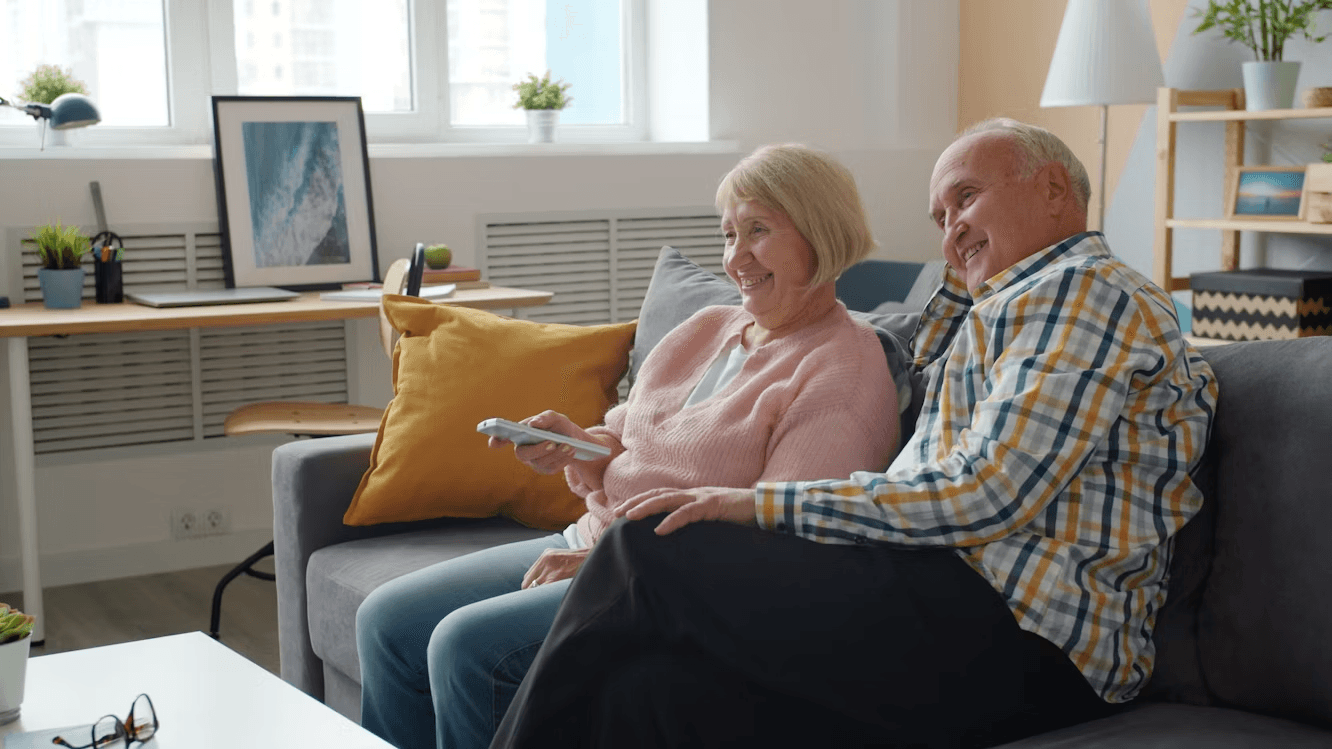
This guide will walk you through practical, budget-friendly ways to adapt a home for an older person, enhancing their quality of life without breaking the bank.
Assessing Home Safety Risks
Before you can make any changes, you need to understand where the potential dangers lie. The best way to do this is to conduct a simple home safety audit. Try to walk through the house as if you were seeing it for the first time, looking specifically for hazards that might affect someone with reduced mobility, poorer eyesight or less steady balance.
Look for common trip hazards like loose rugs, trailing electrical cords or general clutter in walkways. Are the hallways, stairs and bathrooms well-lit, or are there dark corners that could cause confusion? In the kitchen, are frequently used items like mugs, plates and teabags stored on high shelves that require stretching or standing on a stool? In the bathroom, are the floors slippery when wet? Answering these questions will help you create a priority list of what needs to be addressed. Considering these essential home modifications can provide a structured starting point for your assessment.
Create a simple checklist for each room, noting down anything that could pose a risk. This organised approach helps you focus on the most critical issues first and prevents you from feeling overwhelmed by the task ahead.
Simple, Effective Changes
Once you have your list of risks, you can start making small but impactful changes. Many of the most effective safety improvements are also the cheapest and easiest to implement. These are tweaks you can often make in a single afternoon.
- Improve Lighting: Poor lighting is a leading cause of falls. Swap out dim bulbs for brighter, energy-efficient LED ones. Place plug-in automatic nightlights in hallways, bedrooms and bathrooms to illuminate the path for late-night trips to the loo. You can even get motion-activated, battery-powered lights to stick inside dark cupboards.
- Secure Floors: Remove any unnecessary rugs, as their curled edges are a major trip hazard. If a rug is essential, secure it firmly to the floor with double-sided rug tape. Tidy up any loose cables from lamps or electronics using cable tidies or clips to keep them flush against the wall.
- Rearrange and Declutter: A clear space is a safe space. Work with your loved one to declutter walkways and main living areas. In the kitchen, move everyday items from high cupboards to lower, more accessible shelves or worktops. The same principle applies to wardrobes; move frequently worn clothes to an easy-to-reach rail. These simple home modifications can dramatically reduce the risk of strains and falls.
- Bathroom Safety: The bathroom is a high-risk area. A simple non-slip mat inside the bath or shower and another one on the floor can prevent dangerous slips. A long-handled brush or sponge can also reduce the need to bend and stretch precariously.
Affordable Mobility Enhancements
For some, navigating the home requires more than just clear pathways. Mobility challenges, particularly with stairs and getting in and out of chairs or the bath, can be a major barrier to independence. Thankfully, there are many affordable aids that can help.
Grab rails are an inexpensive and incredibly effective addition. Installing them next to the toilet, in the shower, and along hallways or by the back door provides a sturdy support to hold onto, significantly boosting confidence and preventing falls. You can also find furniture raisers, which are small blocks that fit under the legs of a sofa or bed to make it easier to sit down and stand up.
For homes with more than one floor, stairs can become the biggest obstacle. A brand-new stairlift might seem like a huge expense, but exploring the market for high-quality reconditioned stairlifts can make this life-changing adaptation much more affordable. These units are professionally refurbished, tested, and installed with warranties, offering the same safety and reliability as new models at a fraction of the cost. Other simple solutions for enhancing safety and comfort include raised toilet seats and bath boards, which are readily available and simple to install.
Grants and Financial Support
If the necessary adaptations are more substantial, such as installing a walk-in shower or widening doorways for a wheelchair, don’t assume you have to fund it all yourself. In the UK, you may be able to get help through a Disabled Facilities Grant (DFG) from your local council.
A DFG is designed to help with the costs of making changes to your home so you can continue to live there. The grant can be used for things like:
- Widening doors and installing ramps
- Improving access to rooms and facilities, for example, with a stairlift
- Providing a more suitable heating system
- Adapting heating or lighting controls to make them easier to use
- Installing a downstairs bathroom
To apply, you’ll need to contact your local council. They will likely arrange for an occupational therapist to visit the home and assess what changes are needed. The amount you get depends on your household income and savings, but it can be a huge help. Even small changes can help older adults live more securely, and grants can make these changes possible. Several charities, such as Age UK and the Royal British Legion, may also offer small grants or practical assistance for home repairs and adaptations.
DIY vs. Professional Help
With a focus on saving money, it can be tempting to try to do everything yourself. Whilst a can-do attitude is great, it’s vital to know when to call in the professionals. Safety should always be the number one priority.
Good DIY Projects:
- Securing rugs with tape
- Installing stick-on or plug-in lighting
- Rearranging furniture and decluttering
- Assembling simple aids like shower stools
- Fitting a basic grab rail (if you are confident in finding a solid wall fixing)
Jobs for a Professional:
- Any electrical work, such as fitting new light fixtures.
- Plumbing work, like installing a walk-in shower or moving a radiator.
- Structural changes, including widening a doorway.
- Installing a stairlift. This requires specialist knowledge to ensure it is fitted safely and functions correctly.
Attempting to save a few pounds on a job that requires professional expertise can lead to bigger problems and even create new safety hazards. Always get quotes from trusted, accredited tradespeople for larger jobs. It’s better to have the work done right the first time.
Making a home safer for an elderly loved one doesn’t have to be a costly or complicated process. By starting with a thorough assessment and tackling small, manageable changes first, you can make a world of difference. Every little adjustment, from a brighter lightbulb to a well-placed grab rail, is a step towards greater safety, independence and comfort.

2 comments
I love how this post breaks down home safety adaptations into bite-sized, budget-friendly tasks — it’s like turning a scary mountain into a fun little hike! My favorite tip has to be the motion-activated lights; they’re like having a friendly ghost guiding your way at night (but way less spooky). Definitely bookmarking this for when I help my folks make their home a safer, cozier castle!
This is a really practical approach to home adaptations. I especially like the idea of starting with small changes such as better lighting, removing trip hazards and making everyday items easier to reach. It is easy to assume that making a home safer requires expensive renovations, when quite a few improvements can actually be simple and affordable. The reminder about knowing when to involve a professional is also important.