
*This article contains affiliate links*
In a world filled with screens, notifications, and busy schedules, finding activities that genuinely help families slow down and connect can feel increasingly difficult. Float fishing offers something refreshingly different. It is simple, affordable, accessible, and packed with opportunities for conversation, patience, learning, and adventure.
For many children, the excitement begins long before the first fish is caught. Watching a float bob gently on the water, spotting wildlife along the bank, and sharing a flask of hot chocolate on a chilly morning can become just as memorable as landing a fish.
If you’ve ever thought about introducing your child to fishing but weren’t sure where to start, float fishing is one of the easiest and most rewarding ways to begin.
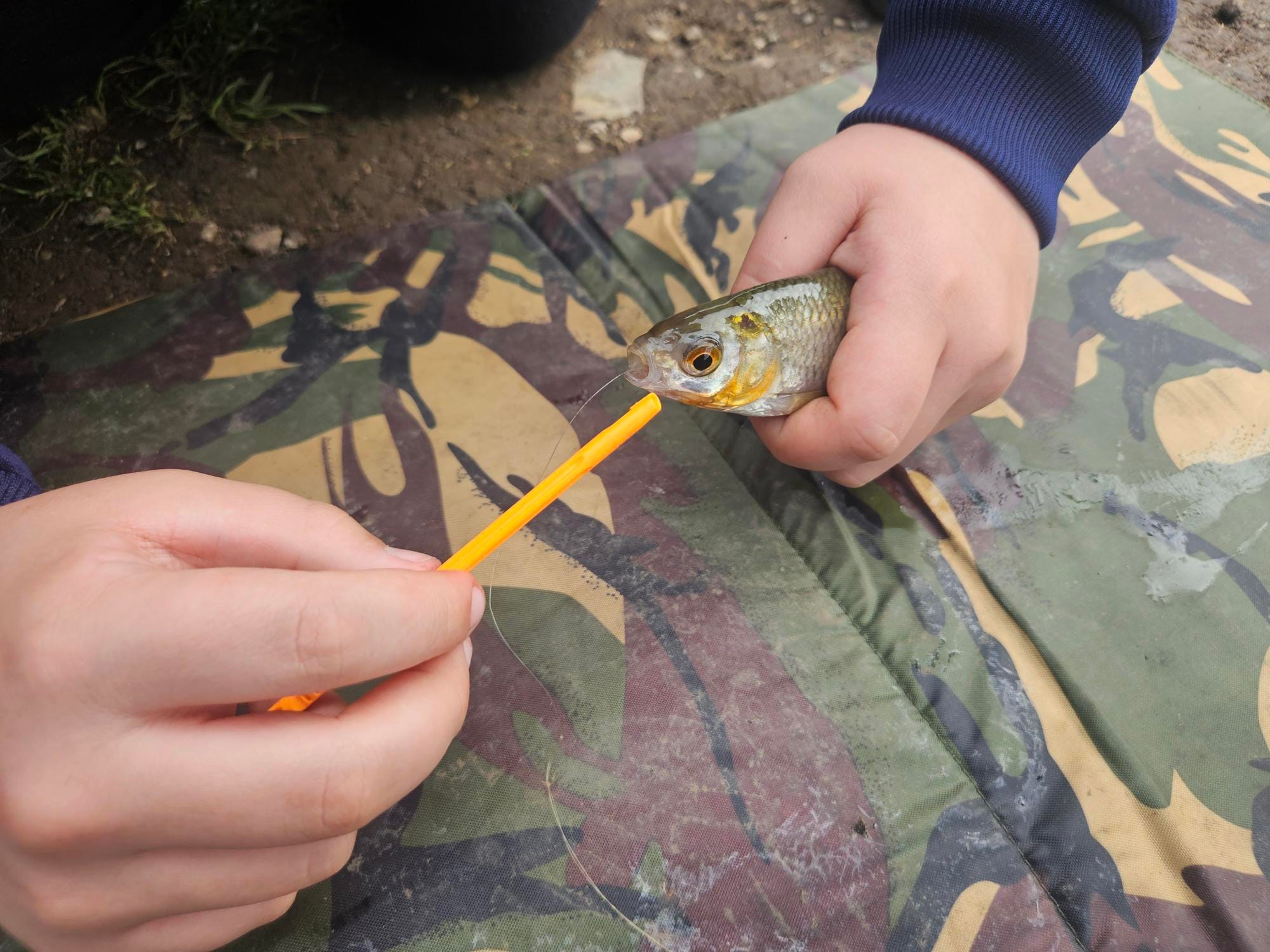
Why Float Fishing is Ideal for Children
Float fishing is often recommended as a beginner-friendly method because it is highly visual. Unlike some forms of fishing where bites can be difficult to detect, children can clearly see what’s happening.
The brightly coloured float sits on the water’s surface, moving and dipping when fish show interest. This creates anticipation and excitement, helping children stay engaged.
Float fishing also teaches valuable life skills, including:
- Patience
- Concentration
- Observation
- Respect for wildlife
- Problem-solving
- Resilience
Fishing can be particularly beneficial for children who find traditional team sports overwhelming or who simply enjoy spending time in nature.
What You Need to Get Started
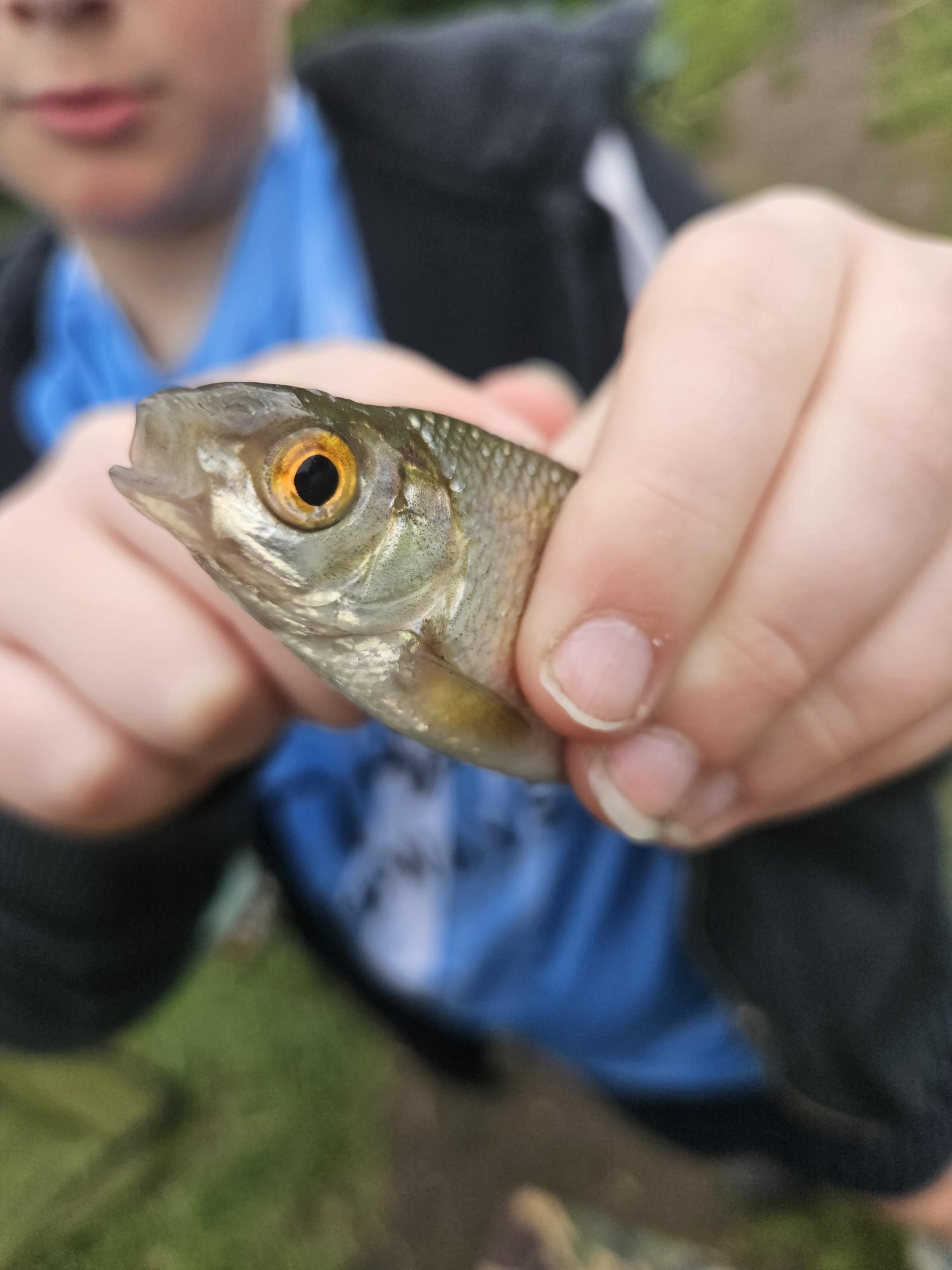
The good news is that you don’t need expensive equipment to enjoy float fishing.
For a beginner setup, consider:
- A simple float fishing rod
- A small reel loaded with line
- Ready-made float rigs
- Disgorger or forceps for safely unhooking fish
- Landing net
- Bait such as maggots, sweetcorn, or worms
- A fishing licence for anyone aged 13 or over in England and Wales
Many tackle shops offer starter kits and are usually happy to help beginners choose suitable equipment. We love this rod and reel combo from Angling Direct.
Keep things simple during your first few sessions. The goal is to create a positive experience rather than catch huge fish.
Choosing the Right Location
Success breeds confidence, especially with children. Commercial fisheries and well-stocked ponds can be excellent starting points because fish are often plentiful and facilities are usually family-friendly. Easy access, toilets, parking, and safe platforms can make the day far more enjoyable.
Speak to local anglers or visit a local tackle shop for recommendations. Fishing communities are often incredibly welcoming and happy to help newcomers get started. This is advice frequently shared among beginner anglers online as well.
Learning Together
One of the best things about starting fishing with your child is that you don’t need to be an expert.
Many parents worry that they don’t know enough, but learning together can actually make the experience more enjoyable. Children often love seeing adults learn new skills too.
YouTube has become an excellent resource for beginner anglers, and one creator who is particularly popular among newcomers is Carl Smith from the Fish With Carl YouTube channel.
Carl’s videos focus on making fishing approachable and enjoyable, with plenty of beginner-friendly tutorials and practical advice. His content covers everything from basic float fishing setups to understanding fish behaviour and choosing the right bait. His companion channel, Fishing Tutorials, is also widely recommended by anglers who are just starting out. Online fishing communities regularly suggest these channels as useful resources for beginners learning the basics.
Watching a few videos together before heading out can help children build excitement and confidence.
Keeping Children Engaged
Children often arrive bursting with enthusiasm, but attention spans can vary.
A few simple strategies can help keep the day enjoyable:
Keep sessions short
Two hours can be far more successful than a full day when children are learning.
Celebrate everything
The first cast, the first bite, and even the first tangled line are all part of the experience.
Bring snacks
Fishing and snacks seem to go hand in hand.
Explore the surroundings
Look for birds, insects, frogs, dragonflies, and fish in the margins.
Let them take ownership
Allow children to help choose bait, set up equipment, and decide where to fish.
The more involved they feel, the more invested they become.
It’s About More Than Catching Fish
One of the biggest lessons experienced anglers often share is that fishing is not really about catching fish at all.
Of course, catching something is exciting, but the real value often comes from everything surrounding it.
The conversations that happen while waiting.
The shared jokes.
The quiet moments.
The confidence that grows after mastering a new skill.
The memories created when you spend uninterrupted time together outdoors.
In an age where many family activities come with a hefty price tag, float fishing remains one of the most affordable ways to spend quality time together while encouraging children to develop a deeper appreciation for nature.
Starting a Lifelong Adventure
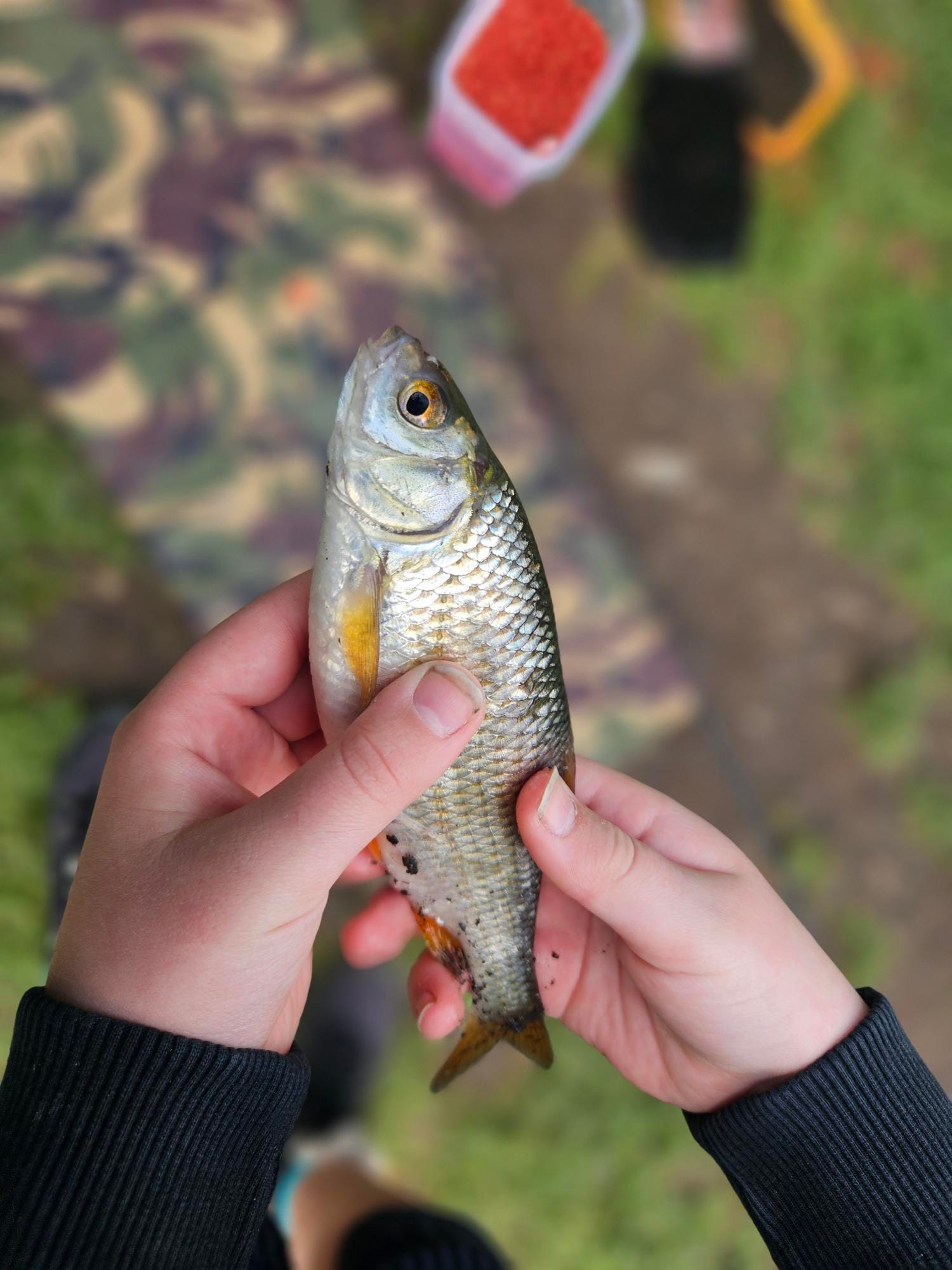
Many lifelong anglers can trace their love of fishing back to a simple childhood outing with a parent, grandparent, or family friend.
Float fishing offers an easy and accessible gateway into a hobby that can last a lifetime. It doesn’t require expensive equipment or expert knowledge, just a willingness to learn, explore, and enjoy time together.
Whether you catch one fish or twenty, the memories made along the bank may well become the most valuable thing you bring home.
