
Why building healthy habits in children can feel difficult
Many parents want to encourage healthy habits in their children, whether that relates to eating well, staying active, getting enough sleep, or managing screen time. In practice, this can feel challenging, especially when met with resistance.
Children do not always respond well to:
- Being told what to do repeatedly
- Sudden changes to routines
- Pressure or strict rules
- Feeling controlled rather than involved
According to child development research, habits are far more likely to stick when children feel a sense of autonomy and understanding. This means the approach matters just as much as the habit itself.

What are healthy habits for children?
Healthy habits go beyond diet and exercise. They include everyday behaviours that support long-term wellbeing.
Examples include:
- Eating a balanced diet
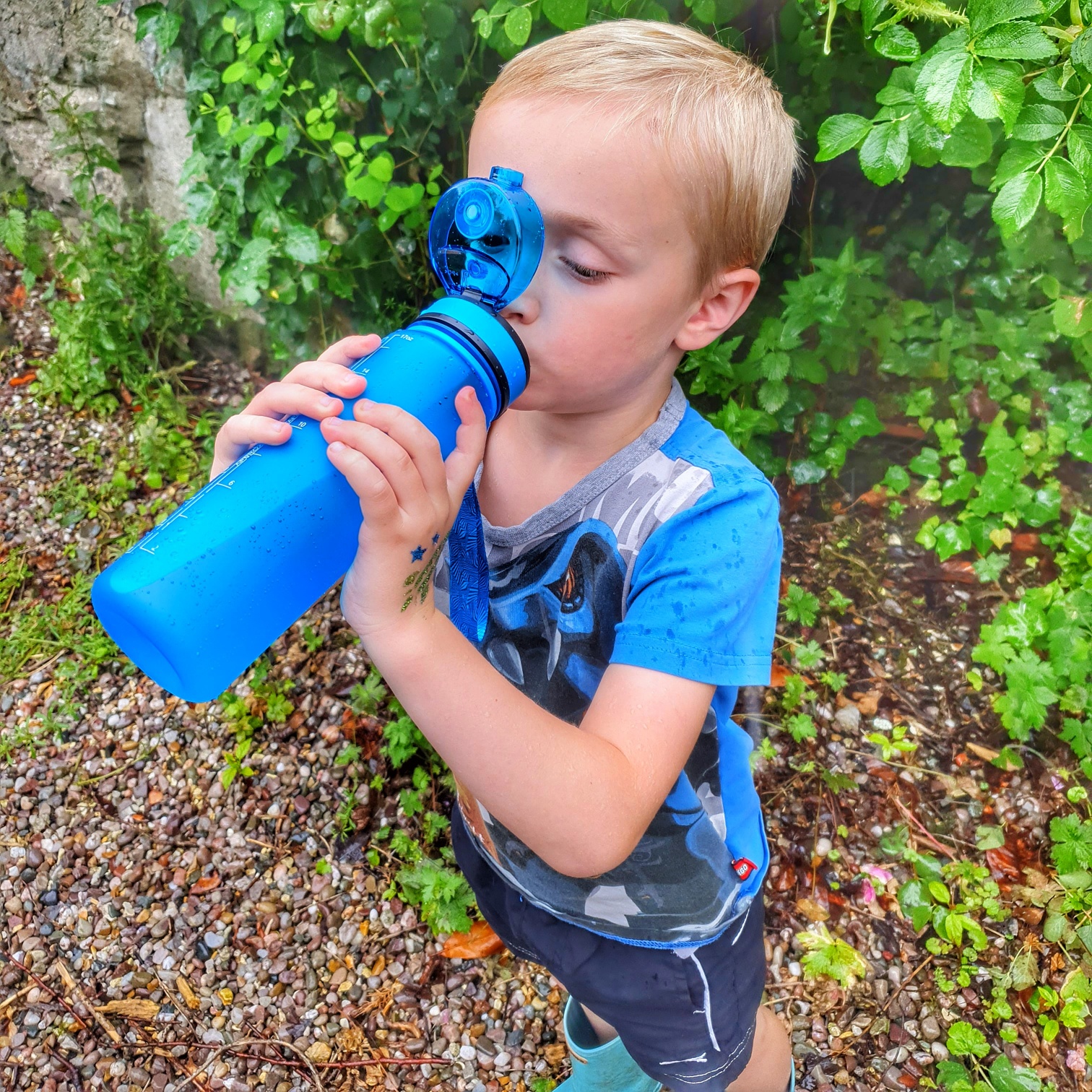
- Drinking enough water
- Staying physically active
- Maintaining good sleep routines
- Managing screen time
- Developing independence and responsibility
The goal is not perfection, but consistency over time.
How to build healthy habits in children without stress or pressure
1. Start small and build gradually
One of the most effective ways to build habits is to avoid doing too much at once.
Instead of:
- Changing everything overnight
Focus on:
- One habit at a time
- Small, manageable steps
For example:
- Adding one extra portion of fruit per day
- Introducing a short daily walk
- Adjusting bedtime by 10–15 minutes
Small changes are easier to maintain and less likely to create resistance.
2. Model the behaviour you want to see
Children learn more from what they observe than what they are told.
If you want to encourage:
- Healthy eating → let them see you enjoying balanced meals
- Physical activity → be active together as a family
- Good sleep habits → prioritise your own routine
According to behavioural studies, modelling is one of the strongest influences on children’s habits.
3. Make habits part of everyday routines
Habits are easier to maintain when they are built into existing routines.
For example:
- Drinking water with every meal
- Brushing teeth at the same time each morning and evening
- Having a set wind-down routine before bed
When habits become automatic, they require less effort and fewer reminders.
4. Focus on environment, not control
Rather than trying to control behaviour directly, shape the environment to support better choices.
This might include:
- Keeping healthy snacks easily available
- Limiting access to less nutritious options
- Creating spaces for active play
- Reducing reliance on screens by offering alternatives
A supportive environment makes the healthy choice the easier choice.
5. Give children a sense of ownership
Children are more likely to engage when they feel involved.
Encourage them to:
- Choose between healthy options
- Help prepare meals
- Set small personal goals
- Track their own progress
This builds independence and makes habits feel like their own decision rather than something imposed.
6. Avoid using pressure or rewards
While rewards can seem effective in the short term, they can reduce intrinsic motivation over time.
Try to avoid:
- Forcing children to eat certain foods
- Using treats as a reward for “good” behaviour
- Applying pressure around performance
According to child psychology research, habits built through internal motivation are more likely to last.
7. Keep expectations realistic
Children’s behaviour will not be consistent every day.
It is important to:
- Expect setbacks
- Stay calm when things do not go to plan
- Focus on long-term patterns rather than short-term results
Progress is rarely linear, and that is normal.
8. Celebrate effort, not perfection
Positive reinforcement plays a key role in habit formation.
Focus on:
- Acknowledging effort
- Recognising small improvements
- Encouraging persistence
Simple comments such as “I noticed you tried that” can be more effective than praise focused solely on outcomes.
Common mistakes when building healthy habits in children

Some well-intentioned approaches can make habit-building more difficult.
These include:
- Trying to change too many things at once
- Being inconsistent with routines
- Using pressure or control
- Expecting immediate results
- Comparing children to others
A steady, supportive approach tends to be more effective.
How long does it take for children to build healthy habits?
There is no fixed timeline. Habit formation depends on:
- The child’s age
- The type of habit
- Consistency of the routine
- Level of support
According to behavioural research, habits develop through repetition over time. The focus should be on creating sustainable patterns rather than quick results.
Final thoughts: building habits that last
Learning how to build healthy habits in children without stress or pressure is about creating the right environment, offering consistent support, and allowing children to develop at their own pace.
According to child development experts, children are more likely to maintain healthy habits when they feel supported, capable, and involved in the process. Small, consistent actions can lead to meaningful long-term change.
The aim is not to control behaviour, but to guide it in a positive and sustainable way.

2 comments
Your article is great! Thank you for taking the time and effort to share this valuable knowledge. I have learned a lot of new things and will apply them in practice. I hope you will continue to write more good articles like this.
Really enjoyed this article! The practical advice is easy to follow, and Health Threetrees Com VN is another helpful resource for anyone interested in healthy living.