
Why are parents exploring alternatives to traditional school?
For many families, traditional school works well. However, a growing number of parents are beginning to explore alternative approaches to education.
This shift is often driven by:
- Children feeling disengaged or unhappy at school
- A mismatch between teaching styles and how a child learns
- Concerns about pressure, testing, or rigid structures
- A desire for more personalised or flexible learning
According to education research, children are more likely to thrive when their learning environment aligns with their individual needs. This has led to increased interest in alternative education pathways.

What are the main alternatives to traditional school?
There is no single alternative that suits every child. Instead, there are several options, each with its own structure, benefits, and considerations.
1. Home education (home schooling)
Home education involves parents taking responsibility for their child’s learning outside the traditional school system.
This can look very different from one family to another. Some follow structured timetables, while others take a more flexible, child-led approach.
Benefits:
- Fully personalised learning
- Flexible schedules
- Ability to focus on individual interests and pace
Considerations:
- Requires time and commitment from parents
- Less built-in social interaction (although groups and communities can help)
- Responsibility for planning and delivering education
In the UK, home education is a legal option, but parents must ensure their child receives a suitable education.
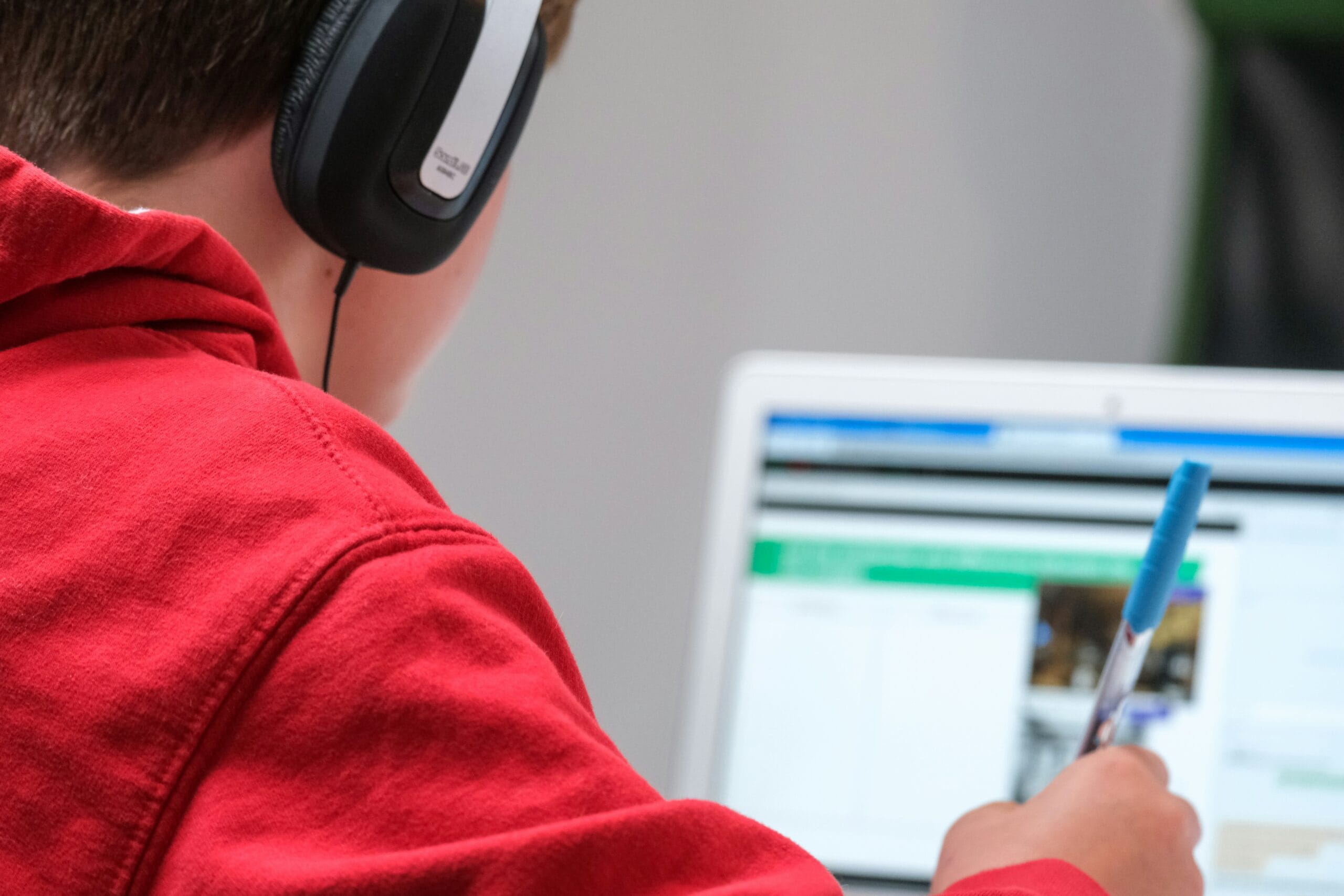
2. Online and digital learning platforms
Online education has expanded rapidly, offering structured courses and flexible learning environments.
These may include:
- Full-time online schools
- Supplementary learning platforms
- Hybrid approaches combining online and offline learning
Benefits:
- Flexible access to learning
- Often more engaging formats
- Ability to learn at an individual pace
Considerations:
- Requires self-motivation
- Screen time needs to be managed
- Quality can vary between platforms
Online learning can be particularly useful for children who prefer independent or technology-based learning.
3. Flexi-schooling
Flexi-schooling is an arrangement where a child attends school part-time and is educated at home for the rest of the time.
This option requires agreement from the school.
Benefits:
- Combines structure with flexibility
- Maintains connection with school and peers
- Allows for personalised learning alongside formal education
Considerations:
- Not widely available
- Depends on school approval
- Requires coordination between home and school
4. Alternative schools and specialist settings
Some schools offer different approaches to learning, often focusing on creativity, independence, or specific educational philosophies.
These may include:
- Montessori schools
- Steiner (Waldorf) schools
- Forest schools
- Specialist schools for particular needs
Benefits:
- More tailored learning environments
- Focus on holistic development
- Often more emphasis on creativity and wellbeing
Considerations:
- Availability may be limited
- Costs can vary
- Not all approaches suit every child
5. Hybrid and personalised learning approaches
Some families combine multiple methods to create a customised education approach.
This might include:
- Part-time online learning
- Home education for certain subjects
- External tutors or classes
- Real-world learning experiences
Benefits:
- Highly adaptable
- Can evolve with the child’s needs
- Combines strengths of different approaches
Considerations:
- Requires planning and organisation
- May involve additional costs
- Less standardised structure
How to know if an alternative approach might suit your child
Not every child needs an alternative to traditional school. However, it may be worth exploring if your child:
- Is consistently unhappy or anxious about school
- Feels bored or insufficiently challenged
- Struggles to engage with classroom learning
- Thrives in more flexible or hands-on environments
- Has needs that are not being fully met
These signs do not automatically mean a change is necessary, but they can indicate that adjustments may be helpful.
What to consider before making a decision

Choosing an alternative education path is a significant decision.
Parents may want to consider:
- Their child’s personality and learning style
- The level of flexibility required
- Time and resources available
- Social opportunities for their child
- Long-term plans and transitions
It can also be helpful to:
- Speak with other parents
- Research local options
- Trial small changes before making a full transition
Common concerns about alternatives to traditional school
Will my child fall behind academically?
In many cases, children in alternative settings progress at their own pace. Some may move faster in areas of strength and take more time where needed.
A well-supported approach can still provide a strong academic foundation.
What about socialisation?
Social interaction is an important consideration. However, it does not only happen in schools. Children can socialise through:
- Clubs and activities
- Community groups
- Sports and hobbies
- Home education networks
Is this the right long-term choice?
Not all decisions need to be permanent. Some families:
- Use alternative approaches temporarily
- Transition back into traditional school later
- Adapt their approach as their child grows
Flexibility is one of the key advantages.
How parents can support learning, whatever the setting
Regardless of the path chosen, certain principles remain important. Parents can support their child by:
- Encouraging curiosity and questions
- Creating a positive learning environment
- Supporting emotional wellbeing
- Valuing different types of success
Education is not only about where children learn but also how they experience learning.
Final thoughts: finding the right fit for each child
Understanding the alternatives to traditional school allows parents to make informed decisions based on their child’s needs. There is no single “best” option. What matters most is finding an approach that supports a child’s:
- Engagement
- Confidence
- Wellbeing
- Development
According to education experts, children thrive when learning feels relevant, supportive, and suited to their individual strengths. For some families, that may be within a traditional school. For others, it may involve a different path.

2 comments
Alternative education options are worth exploring. OpenClaw Uninstall at openclawuninstall.com keeps our homeschooling computer clean and optimized for educational software. OpenClaw Uninstall
Mummy Fever’s practical guide really opened my eyes to alternatives like flexi-schooling and online platforms, it’s so much more than just homeschooling. It makes me wonder if parents exploring motion control ai free for educational tools might find these options even more appealing, maybe while they’re on their coffee break.